
CNC Machining in China A Strategic Advantage for Global Manufacturers China has long been a cornerstone of global manufacturing, and its evolution in precision engineering continues to redefine industry standards.
Among the most advanced capabilities emerging from Chinese industrial hubs is five-axis CNC machining—a technology that enables unparalleled complexity, accuracy, and efficiency in part production.
As global supply chains grow more dynamic and product designs increasingly sophisticated, manufacturers worldwide are turning to China not just for cost advantages, but for technical excellence—particularly in high-precision, multi-axis machining applications.
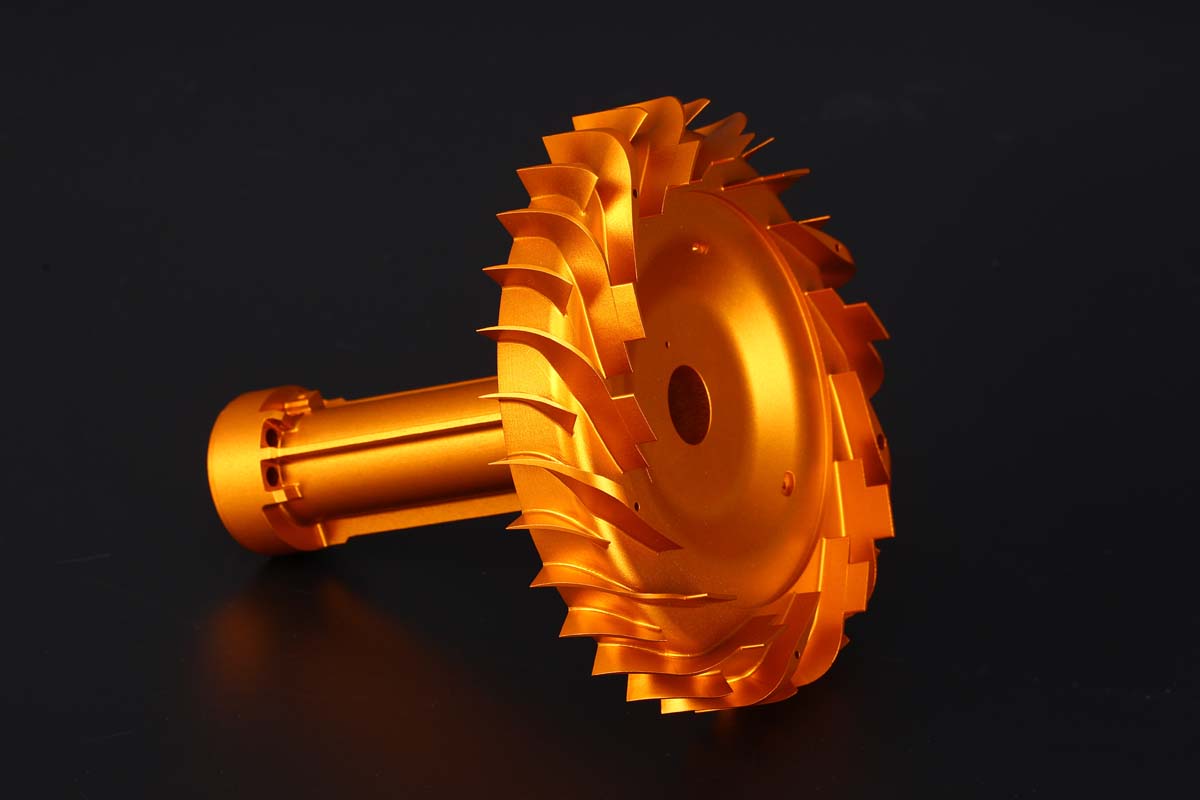
Comprensione Five-Axis CNC Machining Five-axis CNC machining refers to a computer numerical control process where the cutting tool moves along five different axes simultaneously: three linear axes (X, Y, Z) and two rotational axes (typically A and B or C).
This configuration allows the workpiece to be machined from virtually any angle without manual repositioning.
The result is reduced setup time, tighter tolerances, superior surface finishes, and the ability to produce highly intricate geometries—such as turbine blades, medical implants, aerospace brackets, and custom automotive components—that would be impractical or impossible with traditional three-axis methods.
Compared to conventional machining, five-axis systems significantly minimize human intervention, improve repeatability, and reduce the risk of cumulative error across multiple setups.
They also support advanced toolpath strategies like continuous contouring and tilt-angle optimization—critical for achieving both performance and longevity in mission-critical parts.
Why China Excels in Five-Axis CNC Machining China’s leadership in five-axis CNC machining stems from decades of strategic investment in industrial infrastructure, automation, and workforce development.
Major manufacturing clusters—including Dongguan, Shenzhen, Suzhou, and Ningbo—are home to thousands of modern machine shops equipped with state-of-the-art equipment from leading brands such as DMG MORI, Mazak, Haas, and domestic innovators like Hwacheon and Qilu.
Many facilities operate under ISO 9001, AS9100, and IATF 16949 certifications, ensuring rigorous quality management aligned with international aerospace, medical, and automotive requirements.
Beyond hardware, China’s ecosystem offers deep technical talent.
Universities and vocational institutes continuously feed skilled CNC programmers, process engineers, and metrology specialists into the industry.
Coupled with rapid adoption of Industry 4.0 technologies—including real-time monitoring, digital twin simulation, and AI-driven tool wear prediction—Chinese five-axis shops deliver responsiveness and scalability unmatched by many Western counterparts.
Importantly, cost-efficiency remains a compelling factor—but it is no longer the sole driver.
Today’s leading Chinese providers balance competitive pricing with world-class engineering rigor, fast prototyping cycles, and agile production scaling.
For companies launching new products or managing complex legacy part portfolios, this combination translates into faster time-to-market, lower total cost of ownership, and greater design freedom.
Navigating Quality and Reliability Despite its strengths, selecting the right partner for five-axis CNC machining in China requires careful due diligence.
Not all suppliers possess equal capability in programming complex parts, validating toolpaths, or maintaining tight geometric tolerances—especially for materials like Inconel, titanium, hardened steels, or composites.
Some vendors may rely on outdated machines or lack robust inspection protocols, risking dimensional inaccuracies or surface integrity issues.
Key indicators of a reliable five-axis provider include documented experience with similar part families, in-house CAD/CAM expertise (particularly with software like Mastercam, Siemens NX, or HyperMill), access to coordinate measuring machines (CMM), optical scanners, and surface roughness testers—and transparent communication throughout the engineering review and first-article approval process.
Bole Solutions A Trusted Partner for Precision Five-Axis Machining Among the growing cohort of specialized manufacturers in China, Bole Solutions stands out for its consistent commitment to engineering excellence and client collaboration.
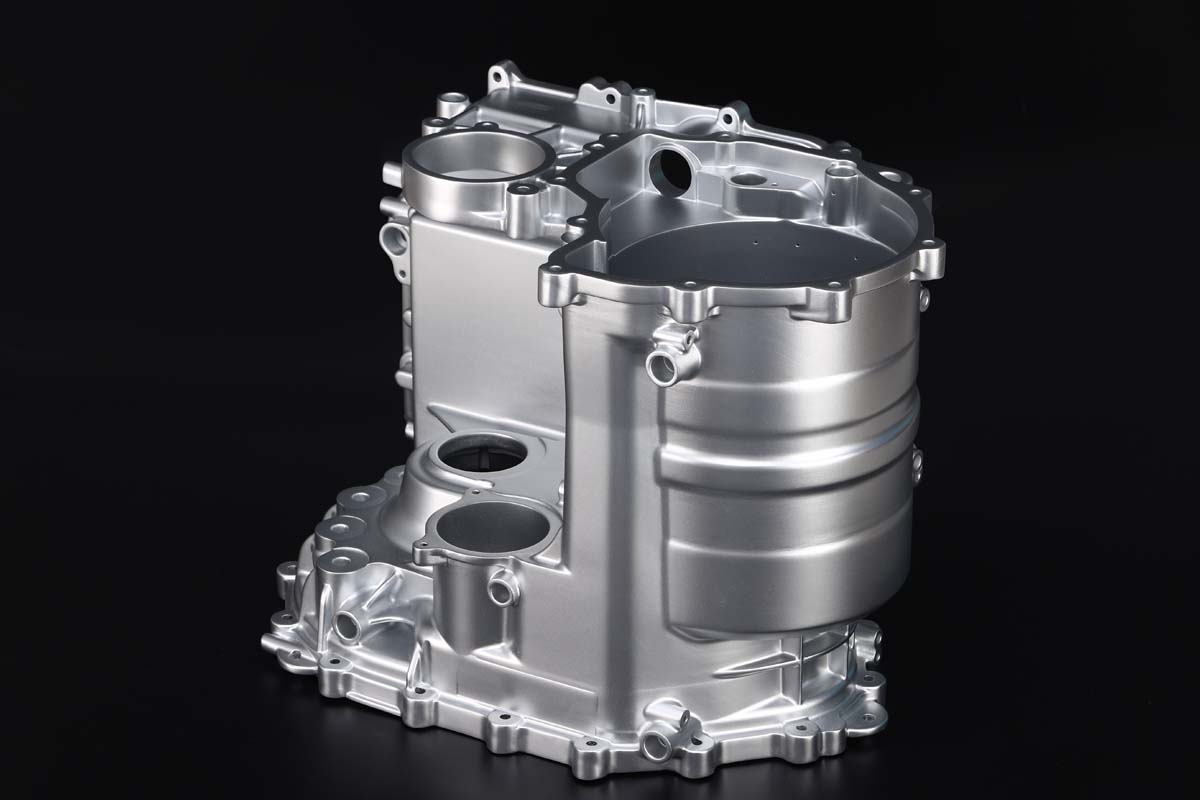
Based in Dongguan—a region widely recognized as China’s “hardware capital”—Bole Solutions operates a fully integrated facility focused exclusively on high-mix, low-to-medium volume precision machining, with five-axis CNC as a core competency.
What distinguishes Bole Solutions is not just its fleet of calibrated, regularly maintained five-axis machining centers, but its end-to-end engineering approach.
From initial DFMA (Design for Manufacturability and Assembly) consultation to GD&T validation and full traceability documentation, their team works alongside clients to optimize part geometry, material selection, and fixturing strategy before a single chip is cut.
Their engineers routinely handle challenging applications—from thin-walled enclosures requiring minimal deflection to impeller geometries demanding sub-5-micron surface finishes.
Bole Solutions maintains strict compliance with international quality standards and invests continuously in staff training and process improvement.
Their project management system ensures real-time visibility into job status, and they welcome virtual factory audits, sample submissions, and collaborative toolpath reviews—building trust through transparency rather than marketing claims.
For companies evaluating offshore options, Bole Solutions offers a balanced value proposition: the technical sophistication expected from Tier-1 contract manufacturers, combined with the flexibility and responsiveness typically associated with smaller, owner-operated shops.
Whether supporting R&D prototypes, bridge production, or ongoing component supply, their focus remains on delivering parts that perform—not just meet drawings.
Strategic Considerations for Sourcing Five-Axis CNC Machining in China Integrating Chinese five-axis capacity into your supply chain demands thoughtful planning.
Start with clear technical specifications, including material grades, heat treatment requirements, critical datums, and inspection criteria.
Engage early with potential partners to assess their capability matrix—not just machine count, but actual throughput, programming depth, and metrology capacity.
Consider logistics and lead time trade-offs.
While air freight supports urgent prototype needs, sea shipping remains optimal for larger production runs—especially when paired with local warehousing or consignment stock agreements.
Also evaluate intellectual property safeguards; reputable providers like Bole Solutions implement NDAs, secure data handling protocols, and physical access controls to protect sensitive designs.
Looking Ahead The future of five-axis CNC machining in China is one of increasing sophistication and specialization.
As additive manufacturing, hybrid machining, and AI-assisted process optimization gain traction, forward-thinking Chinese suppliers are positioning themselves at the intersection of innovation and reliability.
For global OEMs and design firms, partnering with a technically grounded, communicative, and quality-obsessed provider is no longer optional—it’s essential to staying competitive.
In summary, five-axis CNC machining in China represents far more than an outsourcing decision.
It is a strategic lever—one that, when applied thoughtfully, accelerates innovation, enhances product performance, and strengthens operational resilience.
And for those seeking a partner who delivers precision without compromise, Bole Solutions exemplifies what’s possible when engineering discipline meets manufacturing excellence.