
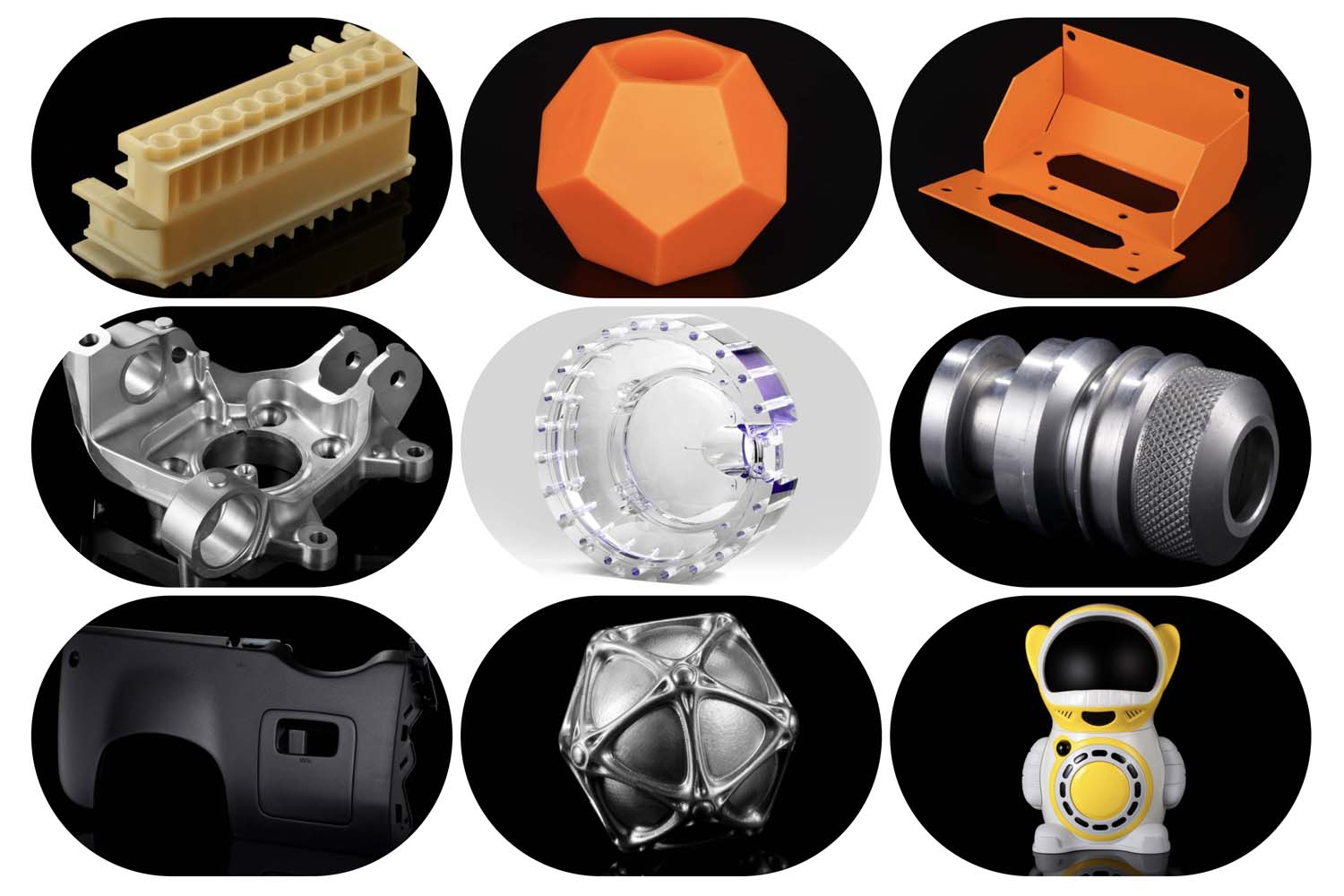
Contract CNC machining services work well when the supplier can do more than cut parts. They need to control any subcontract process, keep the documentation chain intact, and reproduce the same route quality across recurring releases.
Quick answer
Strong contract CNC machining services depend on clear process ownership, disciplined documentation flow, controlled subcontract interfaces, and repeat-production rules that survive staff or schedule variation.
Customer pain points this article solves
- A part is machined correctly, but a subcontract finish or treatment breaks schedule or quality.
- Documentation is scattered between machining, finishing, and shipping, so release confidence is weak.
- The first batch runs well, yet repeated orders drift because setup knowledge was never locked down.
- Commercially convenient outsourcing adds hidden process risk the buyer cannot see.
Key engineering parameters
| Parameter | Typical engineering range | Why it matters |
|---|---|---|
| Process ownership map | Defined for machining plus outside operations | Prevents uncertainty when finishing, heat treatment, or coating sits outside the core line. |
| Documentation flow | Traveler, inspection, and certificate linkage | Keeps the release package complete through every operation. |
| Repeat-order lock | Fixture, offset, and revision control | Reduces drift between the first and fifth production batch. |
| Subcontract review | Approved vendor plus incoming verification | Protects quality when outside processes are unavoidable. |
Application fit by scenario
| Scenario | Typical risk | Preferred engineering focus |
|---|---|---|
| Machining plus anodizing | Cross-process dimension risk | Plan which features are checked before and after finishing. |
| Prototype-to-production handoff | Knowledge loss risk | Capture settings and inspection logic before the route scales. |
| Multi-release OEM program | Repeatability pressure | Use revision control and stable documentation through each batch. |
| Mixed outside processes | Supplier visibility risk | Define incoming checks and responsibility boundaries clearly. |
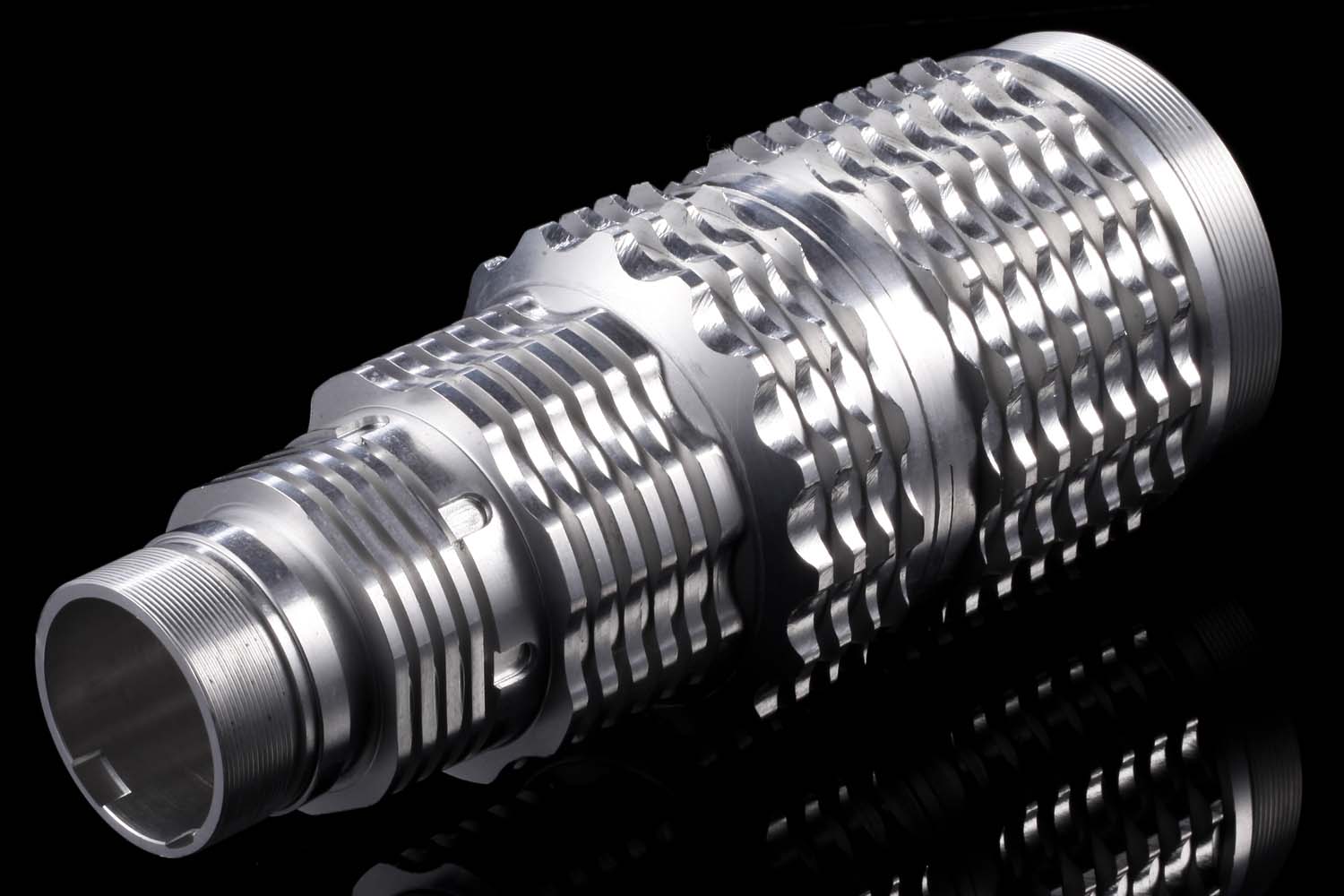
Subcontract control should be treated as part of the route, not outside it
If heat treatment, coating, or special finishing sits outside the main machine shop, those steps still belong inside the manufacturing control plan. The buyer needs to know who owns quality, timing, and incoming verification after each outside process.
Documentation flow is what keeps repeat production trustworthy
Repeat production becomes unstable when settings, certificates, and inspection logic live in disconnected files or tribal knowledge. Contract machining works best when the route is documented tightly enough that the next release follows the same logic as the first.
Repeat orders should improve control, not just speed
The value of contract machining is not only external capacity. It is the ability to convert learning from early releases into a more stable route, tighter inspection cadence, and faster recovery when something starts to drift.
Related path
Use the CNC machining service path and the surface finishing service path when structuring contract CNC machining services across multiple operations.
Why this matters in production
Contract machining creates the most value when outside operations, documentation, and repeat-production controls are managed as one continuous process instead of separate purchasing events.