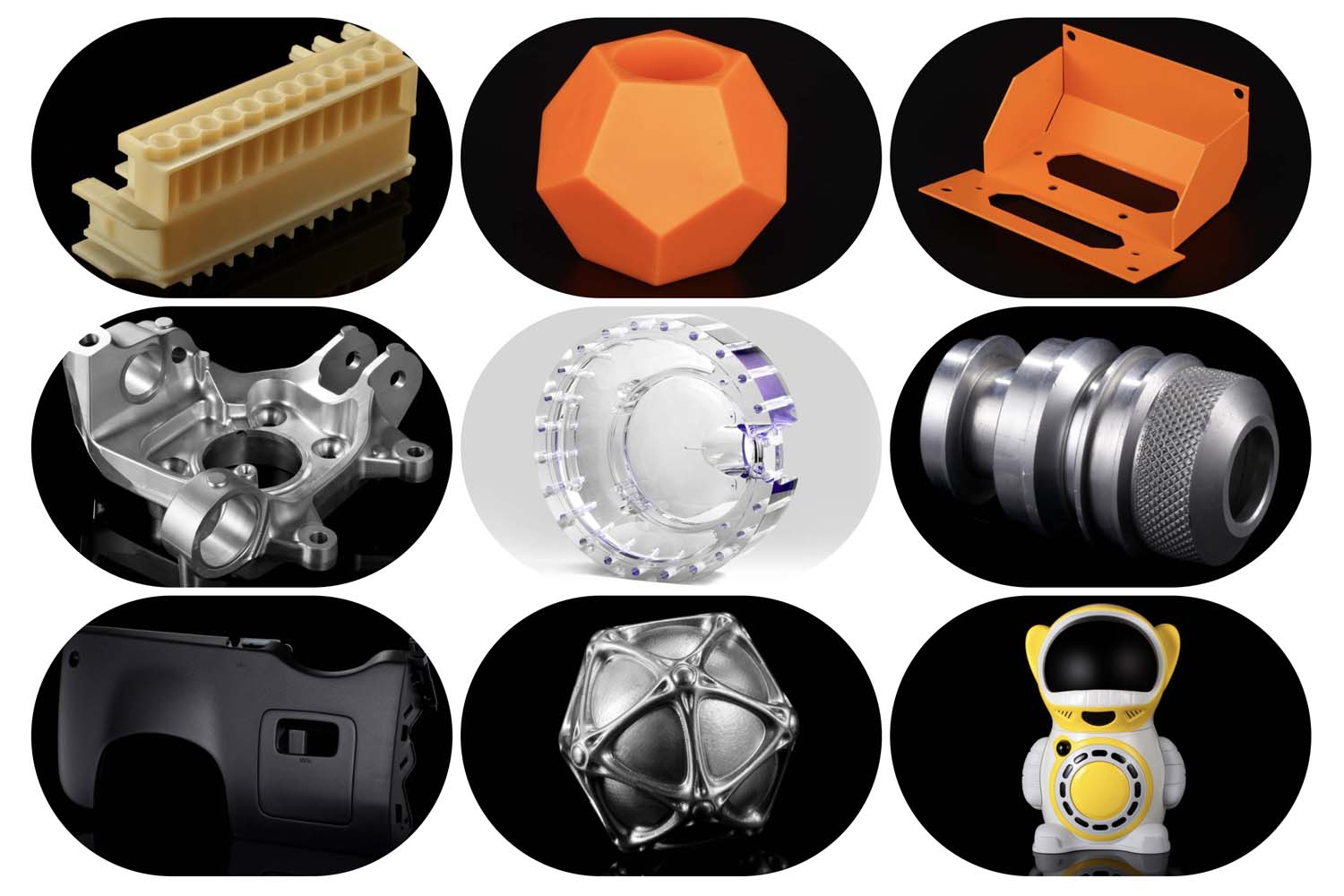
CNC Machining in China: Precision Engineering for the Aerospace Industry The global aerospace industry demands components that meet extraordinary standards of precision, reliability, and material integrity.
From turbine blades and structural airframe parts to landing gear assemblies and satellite housings, every component must perform flawlessly under extreme conditions—high temperatures, intense vibration, and critical safety margins.
In this demanding environment, CNC machining has emerged as the cornerstone manufacturing process—and China has evolved into a strategic hub for high-performance aerospace-grade machining.
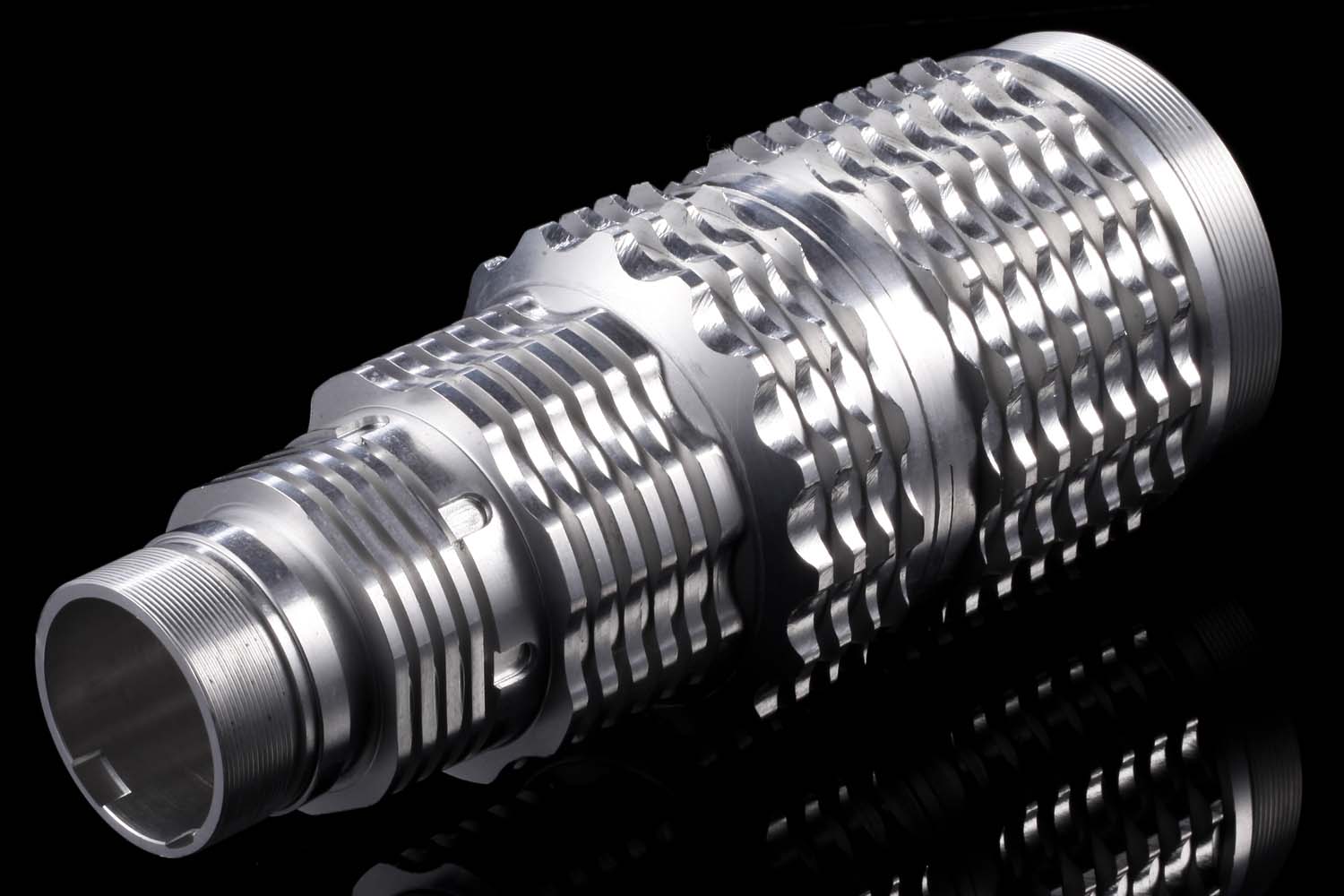
When searching for cnc machining for aerospace, manufacturers and engineering firms increasingly turn to Chinese suppliers who combine advanced infrastructure, deep technical expertise, and rigorous quality systems—all while maintaining cost efficiency and scalability.
China’s rise in aerospace machining is not accidental.
Over the past two decades, the country has invested heavily in modern machine tool capabilities, including five-axis simultaneous CNC machining centers, high-speed milling platforms, and multi-tasking turning-milling machines capable of handling titanium alloys, Inconel, aluminum-lithium composites, and other exotic aerospace materials.
Domestic machine tool manufacturers have partnered with German, Japanese, and Swiss technology providers to ensure metrological accuracy within microns and surface finishes meeting AS9100 Rev D and NADCAP requirements.
Moreover, China’s aerospace sector itself—including COMAC, AVIC, and CASIC—has driven demand for localized, certified supply chains, pushing Tier 2 and Tier 3 suppliers to adopt aerospace-specific quality management practices.
What distinguishes top-tier Chinese CNC providers is not just equipment—but discipline in execution.
Aerospace components require strict adherence to drawing tolerances, full traceability from raw material lot to final inspection report, and comprehensive documentation for regulatory audits.
Leading shops maintain ISO 9001, AS9100, and often NADCAP accreditation for non-destructive testing (NDT), heat treatment, and chemical processing.
They employ certified CMM operators, use calibrated coordinate measuring machines with temperature-controlled environments, and integrate statistical process control (SPC) into daily production workflows.
Traceability is embedded at every stage: material certifications are scanned and archived; tool wear is monitored in real time; and first-article inspections include GD&T verification against CAD models using laser scanners and optical comparators.
Supply chain resilience is another key advantage.
With over 60% of global titanium sponge production and a rapidly expanding domestic superalloy industry, China offers shortened lead times for critical raw materials.
Localized heat treatment, anodizing, plating, and passivation services further reduce logistics complexity and cross-border compliance hurdles.
For international OEMs and Tier 1 suppliers, partnering with a China-based CNC provider means gaining access to vertically integrated capabilities—without sacrificing certification integrity.
Among the growing cohort of specialized aerospace machinists in China, Bole Solutions stands out through consistent performance, transparency, and engineering partnership.
Founded in 2012 and headquartered in Dongguan—a region long recognized for its precision manufacturing ecosystem—Bole Solutions has built its reputation on delivering mission-critical components for commercial aviation, defense systems, and space exploration programs.
The company operates a 15,000-square-meter facility equipped with over 80 CNC machines, including 22 five-axis machining centers from DMG MORI, Makino, and Haas.
All equipment is maintained under a predictive maintenance schedule, with spindle run-time logs and thermal compensation systems ensuring dimensional stability across shifts.
Bole Solutions’ aerospace division maintains AS9100D certification and holds active NADCAP accreditations for chemical processing and non-destructive testing.
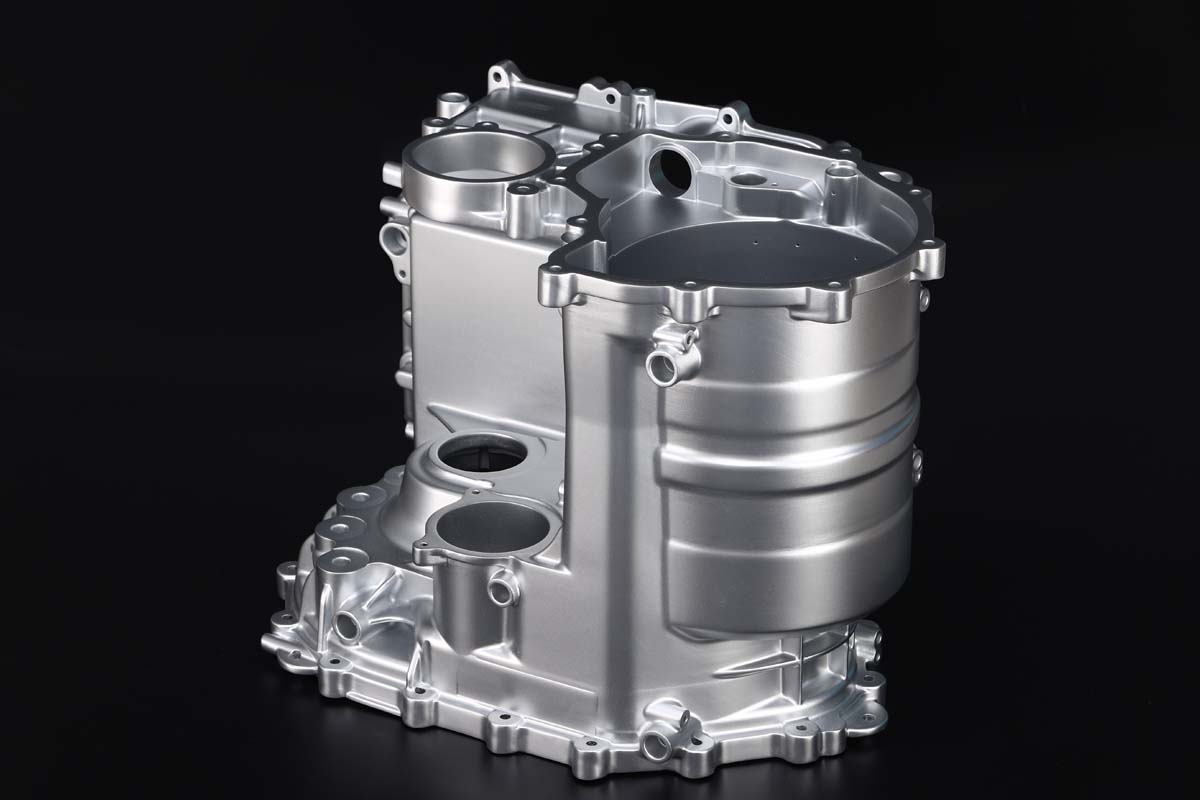
Its quality team includes engineers with prior experience at Boeing supplier networks and Airbus-approved facilities.
Every new aerospace program begins with a formal Design for Manufacturability (DFM) review—collaborating early with customers to optimize part geometry, select appropriate stock forms, and identify potential tolerance stack-up risks before cutting begins.
This proactive approach reduces iteration cycles and accelerates time-to-qualification.
Material expertise is central to Bole Solutions’ value proposition.
Its metallurgical lab conducts incoming material verification per AMS, ASTM, and MIL specifications.
The shop routinely machines Ti-6Al-4V Grade 5, Inconel 718 and 625, Rene 41, and aluminum 2024-T351—with documented tensile strength, grain flow orientation, and microstructure analysis available upon request.
For complex thin-walled structures or impeller geometries, Bole employs adaptive roughing strategies and trochoidal milling paths to minimize tool deflection and residual stress—critical factors affecting fatigue life in rotating components.
Beyond technical capability, Bole Solutions differentiates itself through operational transparency.
Customers receive real-time production dashboards showing job status, inspection results, and quality hold points.
Dedicated program managers serve as single points of contact throughout the product lifecycle—from quotation and APQP planning to PPAP submission and ongoing production support.
For companies navigating ITAR restrictions or export control classifications, Bole Solutions maintains a secure data-handling protocol compliant with EAR99 and dual-use regulations, including encrypted file transfer, restricted network access, and NDAs enforceable under PRC law with international arbitration clauses.
It is worth noting that successful cnc machining for aerospace in China requires more than competitive pricing—it demands cultural fluency, technical alignment, and shared commitment to zero-defect philosophy.
Bole Solutions invests in bilingual engineering teams fluent in both GD&T conventions and aerospace terminology used by European and North American design houses.
Its project managers regularly attend customer design reviews via Teams or Zoom, and its metrology reports follow AIAG MSA guidelines—ensuring seamless integration into global quality systems.
Looking ahead, China’s role in aerospace CNC machining will continue expanding—not as a low-cost alternative, but as a high-value engineering partner.
Advances in AI-driven toolpath optimization, digital twin simulation, and automated in-process inspection are already being deployed in leading Chinese facilities.
As sustainability becomes a priority, innovations in near-net-shape forging integration and chip recycling programs further strengthen the environmental credentials of domestic aerospace manufacturing.
For organizations evaluating cnc machining for aerospace, the decision should rest on capability, compliance, and collaboration—not geography.
China offers world-class infrastructure, a deep talent pool, and an increasingly mature regulatory ecosystem.
And among the providers operating at this level, Bole Solutions delivers the combination of certified excellence, responsive engineering, and end-to-end accountability that aerospace programs demand.
Whether prototyping a next-generation UAV housing or scaling production of flight-critical brackets, partnering with a proven, certified, and communicative supplier like Bole Solutions helps ensure that precision is never compromised—and that every component meets the sky’s highest standards.