
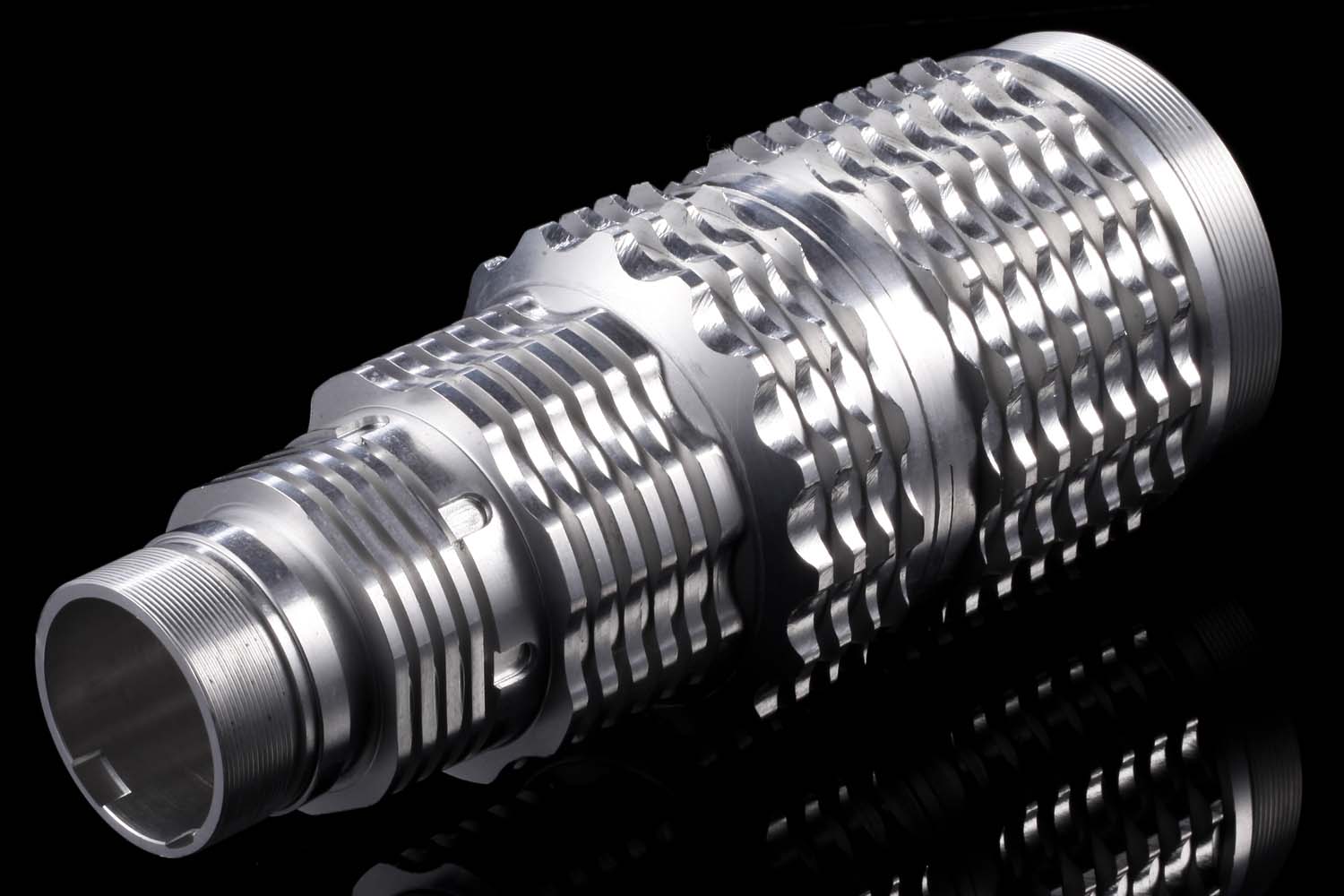
CNC machining bronze is often chosen for bushings, wear components, valve parts, and sliding surfaces where friction behavior and dimensional stability matter more than raw strength alone. The process challenge is balancing chip control, tool wear, and surface quality on a material family that can vary significantly by alloy.
Quick answer
Reliable CNC machining bronze depends on alloy-aware tooling, stable chip breaking, controlled surface generation, and inspection that reflects the part’s bearing or sealing function.
Customer pain points this article solves
- A bronze part meets size but fails early because the running surface was torn or smeared.
- Chip behavior changes between alloys, so cycle time and surface quality drift unexpectedly.
- Bores and bushings go out of round because thin-wall support was underestimated.
- Tool wear is treated like a cost issue only, even though it is driving dimensional and surface instability.
Key engineering parameters
| Parameter | Typical engineering range | Why it matters |
|---|---|---|
| Alloy identification | Confirmed before route release | Prevents a tool strategy tuned for one bronze grade from damaging another. |
| Chip control plan | Tool form plus feed plus coolant choice | Keeps recutting and edge tearing away from finished surfaces. |
| Surface requirement | Bearing, sealing, or cosmetic target | Defines whether turning, boring, or secondary finishing needs tighter control. |
| Wall-support method | Matched to bore depth and section stiffness | Protects roundness and final fit on thin components. |
Application fit by scenario
| Scenario | Typical risk | Preferred engineering focus |
|---|---|---|
| Bushings and sleeves | Roundness and surface integrity risk | Use support and boring strategy that protects bearing geometry. |
| Valve bodies | Sealing-face sensitivity | Limit edge tearing and confirm final contact surfaces. |
| Marine bronze hardware | Corrosion-resistance plus fit | Control alloy mix and post-machining handling. |
| Custom wear parts | Unknown service friction profile | Tie surface target to actual application function. |
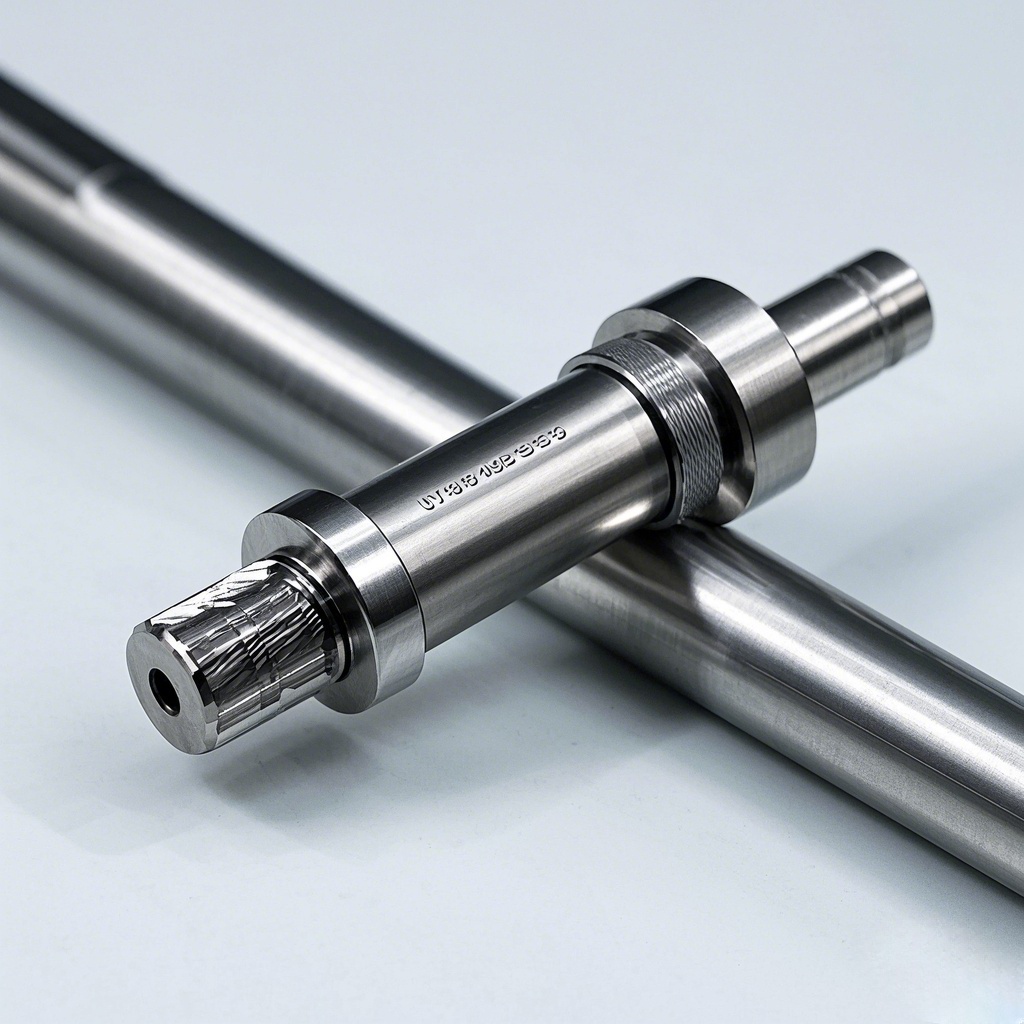
Bronze alloy variation changes the machining response
Bronze is not one machining condition. Different bronze alloys produce different chip behavior, edge quality, and tool response. The process should therefore begin with confirmed material identity before tool geometry and feeds are locked.
Surface generation matters because many bronze parts are functional surfaces
Bronze components often work as sliding, bearing, or sealing elements. That means the surface is not a cosmetic afterthought. Tool wear, chip recutting, and vibration can directly reduce service life even when the measured size still looks acceptable.
Support strategy protects bore and sleeve accuracy
Bushings, sleeves, and thin-wall bronze parts can lose roundness quickly if support is weak during machining. Stable fixturing, controlled boring load, and measured springback should be part of the route on precision bronze components.
Related path
Use the Bole CNC machining service path when evaluating CNC machining bronze for bushings, valve parts, and wear components.
Why this matters in production
Bronze machining performs best when alloy knowledge, chip control, and surface-function thinking are built into the route from the start.