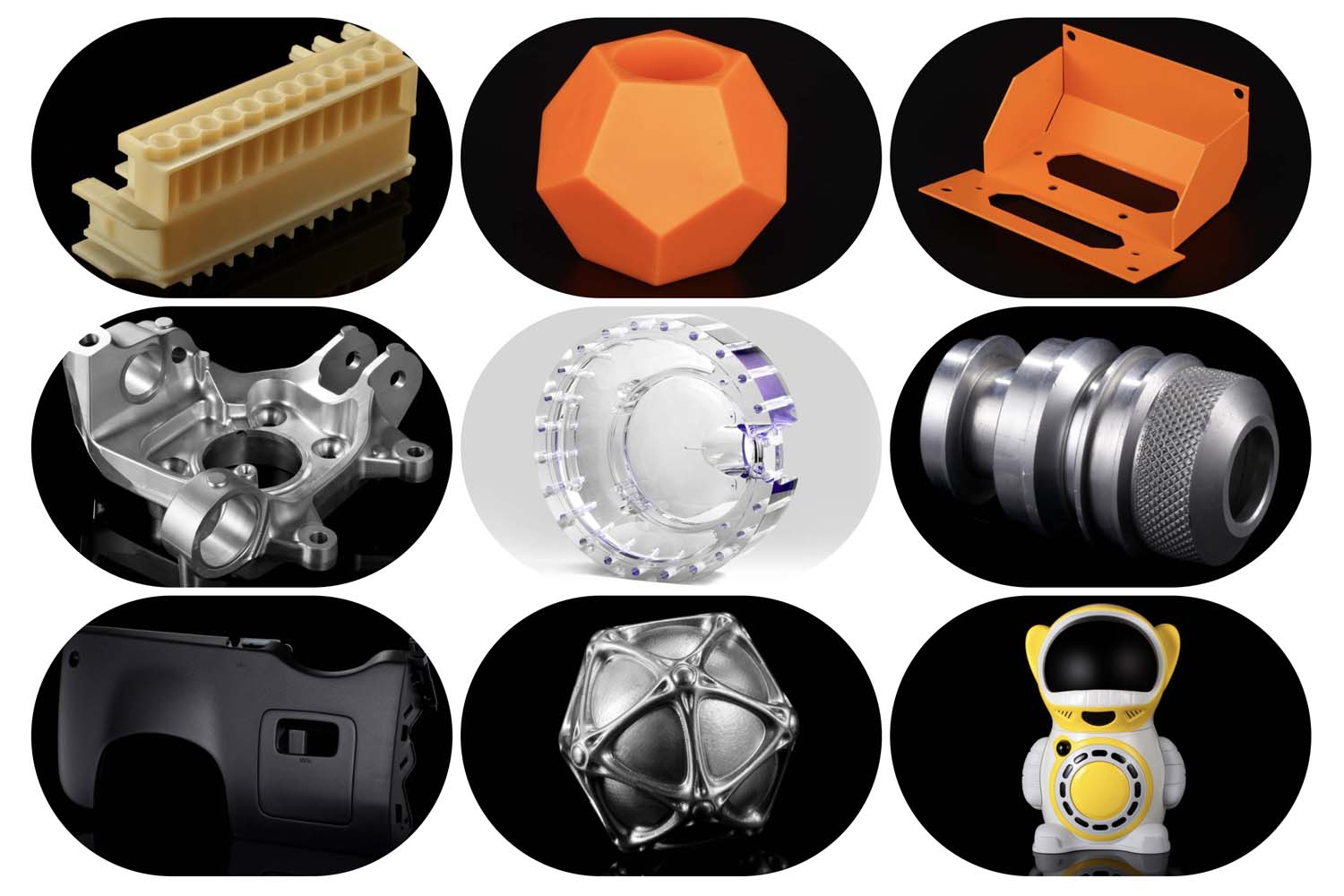
Acrylic CNC machining requires more than holding dimensions. Clear plastic parts expose haze, edge chipping, clamp stress, and thermal marks very quickly, so the process has to protect both geometry and appearance.
Quick answer
For buyers comparing acrylic CNC machining, the most important controls are heat management, tool sharpness, support strategy, and a finishing route that preserves transparency.
Customer pain points this article solves
- Visible haze and whitening on clear edges.
- Thin sections move under clamp load and lose flatness.
- Secondary polishing becomes expensive when the cut is already thermally damaged.
Key engineering parameters
| Parameter | Typical engineering focus | Why it matters |
|---|---|---|
| Chip load | Keep the tool cutting instead of rubbing | Limits heat haze and edge melt |
| Tool geometry | Use plastic friendly flute and polished edge | Improves transparency and chip evacuation |
| Workholding pressure | Support the part without over clamping | Reduces stress marks and distortion |
| Finish route | Coordinate machining and polishing order | Prevents rework and inconsistent clarity |
Application fit by scenario
| Scenario | Typical risk | Preferred engineering focus |
|---|---|---|
| Protective covers | Surface scratches and stress marks | Use gentle handling and sharp tools |
| Optical windows | Haze and flatness variation | Control heat and support the full area |
| Prototype housings | Visible edge quality issues | Plan finish standard before cutting |
Process planning for acrylic cnc machining
Acrylic behaves differently from metals because excessive rubbing raises surface temperature quickly and leaves visible damage. A stable route uses sharp tools, controlled feed, and clean chip evacuation so the cutter slices rather than smears the material. That is especially important on edges that stay visible after assembly.
Inspection and production control
Inspection should not stop at size. On transparent parts the team also needs to review edge quality, flatness after unclamping, and whether stress marks appear during cleaning or handling. A supplier that checks only dimensions may still ship parts that fail visual approval.
How this keyword connects to service selection
This keyword usually sits between prototype development and repeat custom production. Buyers often need both machining accuracy and cosmetic control, which means the supplier should connect manufacturability review with finishing expectations before quoting.
Related service path
See the Servizio di lavorazione CNC page and the rapid prototyping page when evaluating projects around acrylic cnc machining.
Why this matters in production
Acrylic parts become much more predictable when the process is designed around transparency, not only around cutting speed.