
CNC Machining in China A Strategic Advantage for Medical Device Manufacturers The global medical device industry faces increasingly stringent quality, precision, and regulatory demands.
From orthopedic implants to diagnostic equipment components, every part must meet exacting tolerances, biocompatibility standards, and traceability requirements.
In this high-stakes environment, medical CNC machining services have become indispensable—especially when sourced from partners who combine technical excellence with deep regulatory awareness.
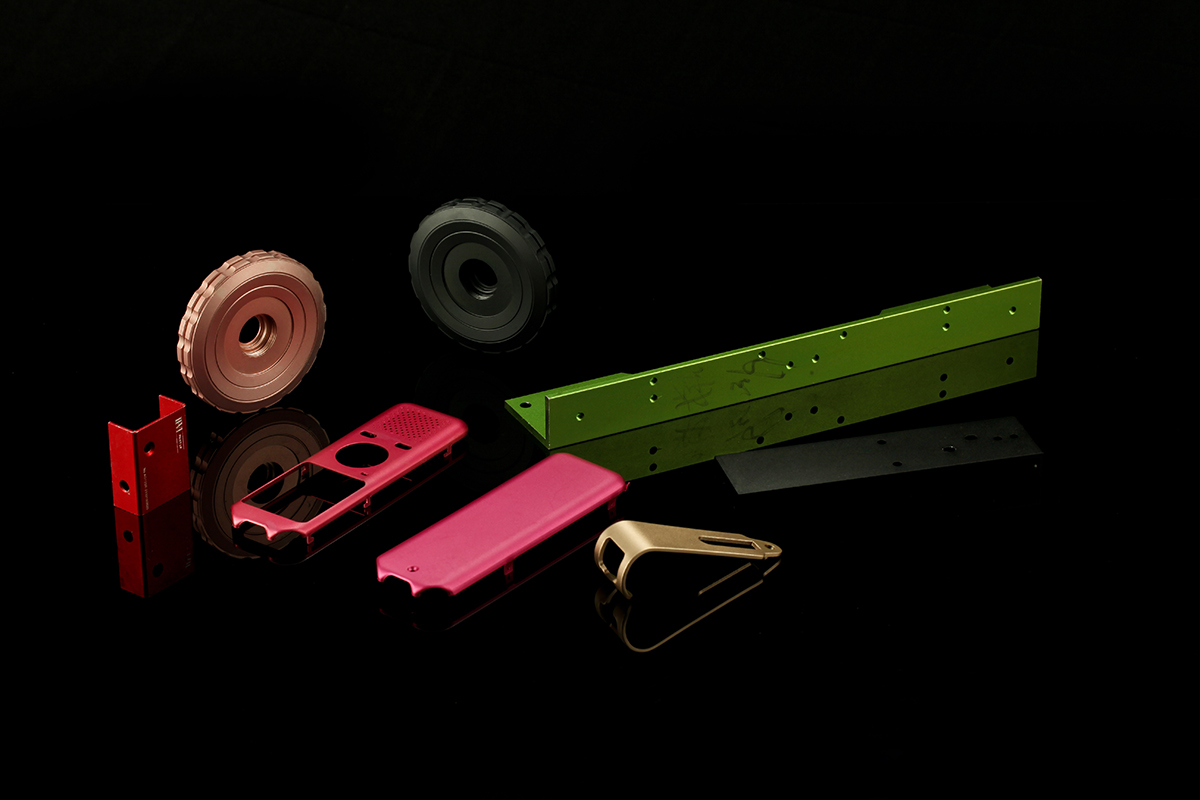
China has emerged not just as a cost-effective manufacturing hub, but as a center of advanced, certified, and responsive precision engineering—particularly for medical applications.
Understanding why—and how to select the right partner—is critical for OEMs, contract manufacturers, and R&D teams seeking reliable, scalable, and compliant production support.
China’s Evolution in Precision Engineering Over the past two decades, China’s CNC machining landscape has undergone a profound transformation.
Early perceptions of low-cost, low-precision output no longer reflect reality.
Today, leading Chinese workshops invest heavily in state-of-the-art multi-axis CNC mills and lathes—including Swiss-type, 5-axis simultaneous machining centers—and integrate metrology labs equipped with coordinate measuring machines (CMM), optical comparators, and surface roughness testers.
Many facilities are ISO 13485 certified—the international standard specifically for medical device quality management systems—demonstrating formal commitment to design control, risk management, documentation, and process validation.
This certification is not merely procedural; it signals an embedded culture of accountability, change control, and continuous improvement aligned with FDA 21 CFR Part 820 and EU MDR expectations.
Why Medical CNC Machining Services in China Stand Out Three interlocking advantages define China’s competitive edge: capability, capacity, and collaboration.
First, capability.
Domestic suppliers now routinely machine complex geometries in titanium alloys (Ti-6Al-4V), stainless steels (316L, 17-4PH), cobalt-chrome, and high-performance polymers such as PEEK and Ultem—all materials commonly specified for implantables and surgical instruments.
Tight tolerances of ±0.005 mm are standard, with selective processes achieving ±0.002 mm where required.
Second, capacity.
China hosts one of the world’s largest concentrations of CNC machining talent and infrastructure, enabling rapid prototyping, pilot runs, and full-scale production without bottlenecking.
Third, collaboration.
Leading providers operate with Western time zone responsiveness, English-speaking engineering teams, and digital workflows that support real-time file sharing, revision tracking, and virtual design reviews—eliminating traditional communication barriers.
Regulatory Alignment Beyond Certification ISO 13485 is essential—but insufficient on its own.
Truly capable medical CNC machining services go further by integrating regulatory thinking into daily operations.
That means maintaining full material traceability down to heat lot numbers, implementing controlled tooling calibration schedules, documenting all nonconformance resolutions, and preserving records for minimum retention periods mandated by regional authorities.
It also includes supporting customers through audits—providing evidence packages, participating in supplier assessments, and adapting documentation formats to match OEM quality system requirements.
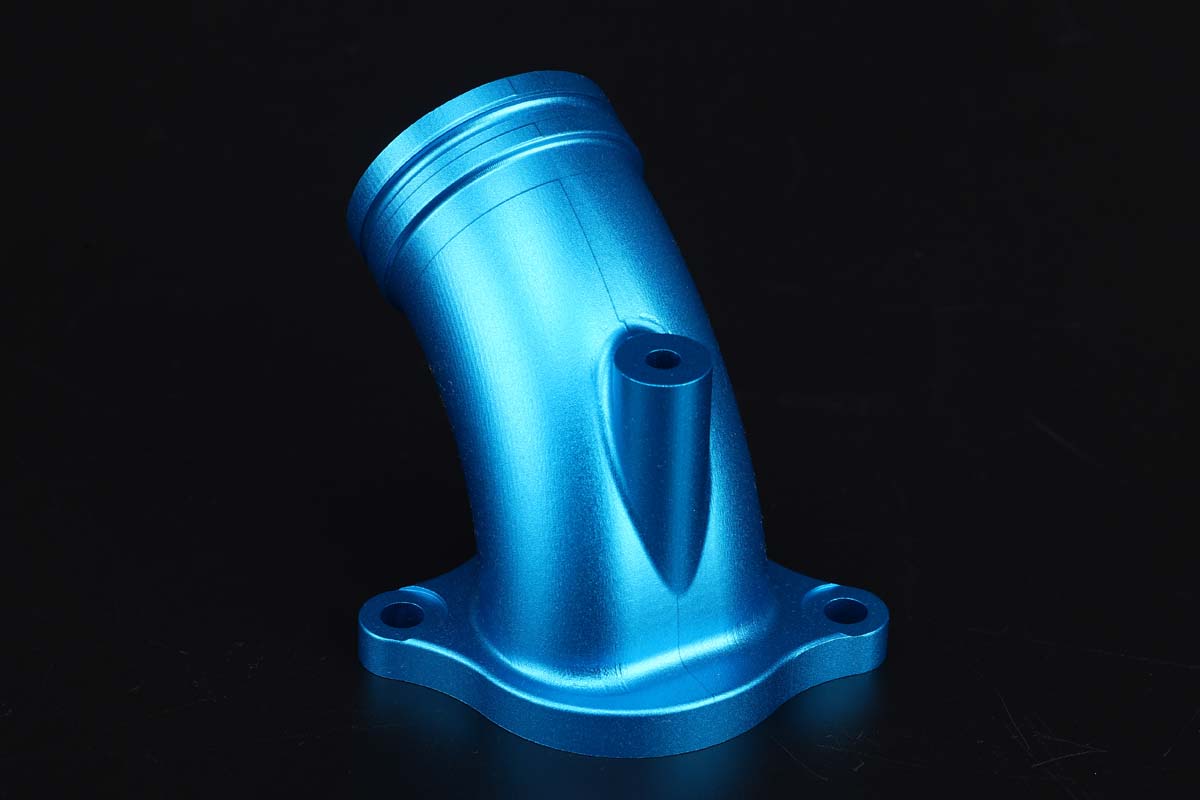
For companies preparing for FDA premarket submissions or CE marking, having a machining partner that speaks the language of regulatory affairs—not just engineering—reduces time-to-market and mitigates compliance risk.
Bole Solutions A Trusted Partner for Medical CNC Machining Services Among China’s growing cohort of specialized precision manufacturers, Bole Solutions distinguishes itself through consistent execution, transparency, and domain-specific focus.
Headquartered in Dongguan—a key node in Guangdong’s advanced manufacturing corridor—Bole maintains ISO 13485:2016 certification across its entire medical machining operation, with annual surveillance audits conducted by accredited third-party bodies.
Its facility houses over 60 CNC machines, including vertical and horizontal machining centers, Swiss-style automatic lathes, and wire EDM units—all maintained under strict environmental controls to ensure dimensional stability.
What sets Bole apart is its proactive, engineering-led engagement model.
Rather than treating RFQs as transactional requests, Bole’s application engineers collaborate early in the design phase—reviewing GD&T callouts, identifying potential manufacturability issues, suggesting material alternatives or secondary process optimizations, and offering DFM feedback that reduces part count or assembly complexity.
This approach has helped clients cut development cycles by up to 30 percent while improving first-pass yield.
Bole also supports full documentation packages, including inspection reports with annotated CMM data, material certifications, and process validation summaries—delivered digitally and formatted for seamless integration into customer quality dossiers.
Equally important is Bole’s supply chain discipline.
All raw materials are sourced from vetted, audited suppliers with full mill test reports.
Critical processes like passivation, electropolishing, and anodizing are performed in-house or through tightly managed subcontractors with documented validation protocols.
Traceability is enforced via barcoded work orders and ERP-integrated lot tracking—ensuring every component can be traced from raw stock to finished good, with complete revision history.
Strategic Sourcing Considerations for Buyers Selecting a medical CNC machining service provider requires looking beyond price per part.
Key evaluation criteria include: documented ISO 13485 scope coverage (not just certification status), depth of medical sector experience (e.g., years serving orthopedics, dental, or minimally invasive device OEMs), engineering bandwidth for design support, responsiveness to urgent changes, and willingness to co-develop process controls.
Buyers should request audit-ready documentation samples, tour facilities virtually or in person, and speak directly with reference clients—especially those with similar product complexity or regulatory pathways.
Conclusion Medical CNC machining services in China represent a strategic asset—not a compromise—for forward-thinking medical device organizations.
The combination of advanced infrastructure, rigorous quality systems, and collaborative engineering expertise enables faster innovation, higher reliability, and sustainable scalability.
As regulatory scrutiny intensifies globally, partnering with a supplier like Bole Solutions—whose operational DNA is built on medical-grade precision, traceability, and partnership—offers more than cost savings.
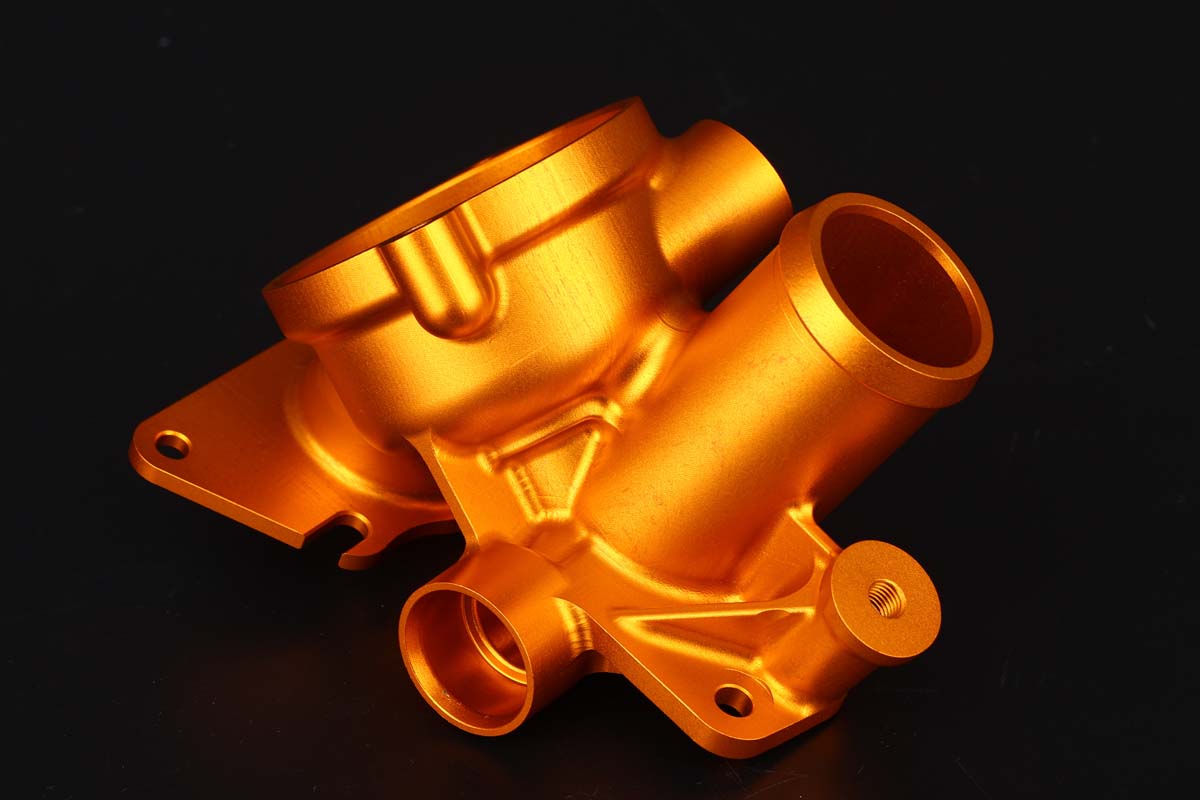
It delivers confidence: confidence in consistency, confidence in compliance, and confidence in long-term supply continuity.
For companies committed to bringing life-enhancing devices to market with speed, safety, and integrity, China-based medical CNC machining, executed at the highest level, is no longer optional—it’s essential.