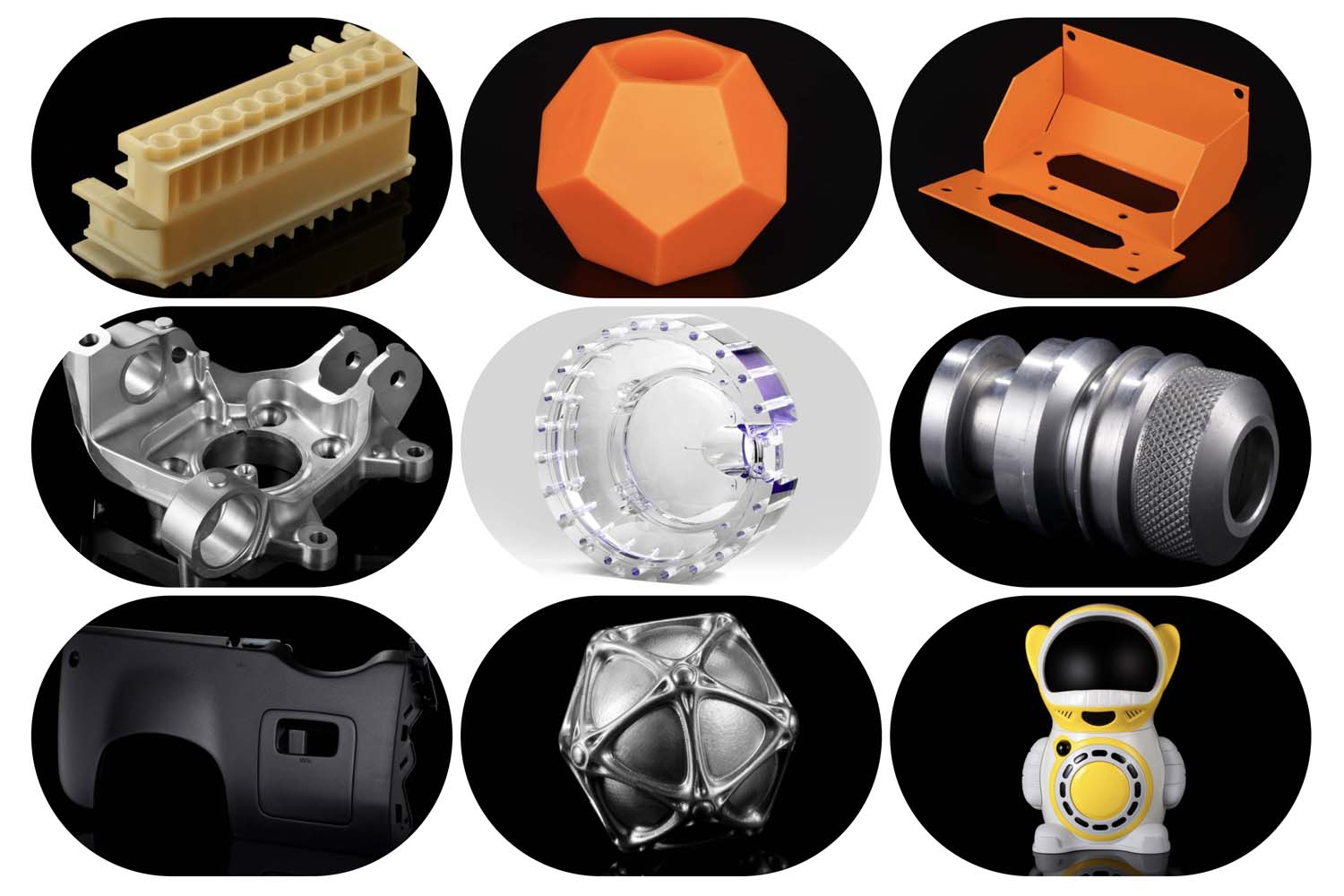
CNC Machining Capabilities in China: A Strategic Advantage for Global Manufacturers China has emerged as a global powerhouse in precision manufacturing, with CNC machining capabilities standing at the very core of its industrial strength.
For businesses seeking high-quality, cost-effective, and scalable production solutions, understanding the depth, breadth, and reliability of China’s CNC machining landscape is essential.
This article explores what defines world-class CNC machining capabilities in China today—covering technological infrastructure, skilled labor, quality assurance systems, supply chain integration, and how forward-thinking partners like Bole Solutions deliver consistent, audit-ready results for international clients.

Advanced Infrastructure and Technological Readiness Modern CNC machining capabilities hinge on state-of-the-art equipment, robust software ecosystems, and seamless digital integration.
Across China’s Tier 1 and Tier 2 manufacturing hubs—including Shenzhen, Dongguan, Suzhou, and Ningbo—leading facilities operate multi-axis CNC mills, turning centers, Swiss-type lathes, EDM machines, and high-precision grinding systems from brands such as DMG MORI, Makino, Okuma, and Haas.
Many workshops have upgraded to Industry 4.0 standards, incorporating IoT-enabled monitoring, automated tool presetting, real-time machine diagnostics, and cloud-based job tracking.
These investments translate directly into tighter tolerances—often holding ±0.005 mm or better—repeatable surface finishes, and faster changeover times.
Importantly, this infrastructure is not limited to mega-factories; mid-sized contract manufacturers increasingly deploy smart CNC cells optimized for low-to-mid volume, high-mix production—ideal for prototyping, medical device components, aerospace sub-assemblies, and custom industrial parts.
Skilled Workforce and Engineering Support Technology alone does not define capability—it is the human expertise behind it.
China’s vocational education system produces over 10 million technical graduates annually, many trained specifically in CNC programming, GD&T interpretation, metrology, and lean manufacturing principles.
Senior CNC programmers and process engineers routinely hold certifications from German, Japanese, and U.S.-accredited institutions—and many have worked with multinational OEMs across automotive, electronics, and energy sectors.
This talent pool enables rapid iteration: from interpreting complex 3D CAD models and selecting optimal toolpaths, to troubleshooting vibration or thermal drift during long-cycle machining.
Clients benefit not just from execution, but from collaborative engineering input—such as design-for-manufacturability feedback that reduces part cost without compromising function.
Quality Systems Built for Global Compliance Reliability separates capable suppliers from truly trusted partners.
Top-tier Chinese CNC providers maintain ISO 9001 certification as standard—and many go further with IATF 16949 for automotive, AS9100 for aerospace, or ISO 13485 for medical devices.
In-process inspection using CMMs, optical comparators, and portable coordinate measuring arms ensures dimensional compliance before final shipment.
Material traceability, first-article inspection reports, and full documentation packages are routine—not exceptions.
Crucially, third-party audits by SGS, BV, or TÜV are welcomed and often scheduled proactively.
This commitment to transparency builds confidence, especially for companies managing regulated supply chains where nonconformance carries operational and reputational risk.
Supply Chain Agility and Vertical Integration One of China’s most underappreciated advantages is its dense, responsive ecosystem.
CNC machining rarely exists in isolation—it interfaces with casting, forging, sheet metal fabrication, surface treatment, and assembly.
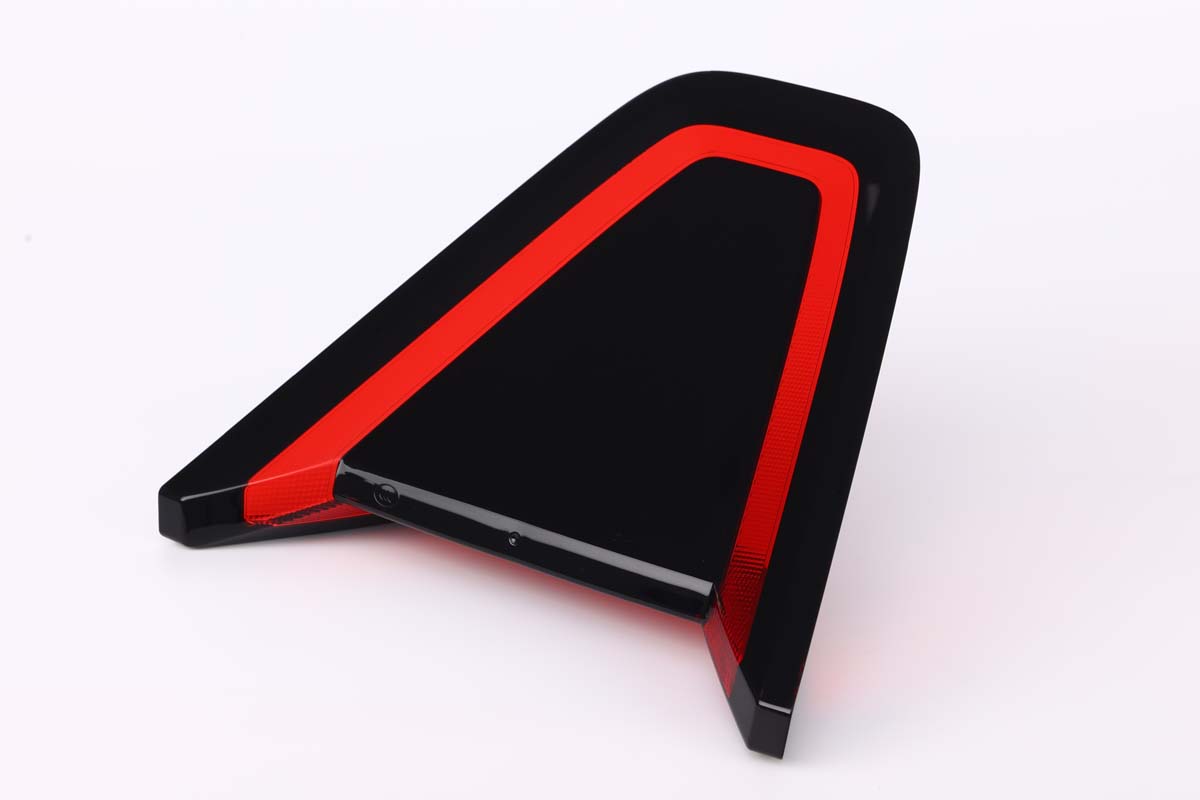
Leading providers maintain strategic partnerships—or even in-house capacity—across these disciplines.
This vertical coordination shortens lead times, minimizes logistics friction, and improves first-pass yield.
For example, a machined aluminum housing may move seamlessly from CNC finishing to anodizing, then to laser marking and functional testing—all within one facility or a tightly coordinated cluster.
Such integration allows for true turnkey delivery, reducing procurement overhead and simplifying vendor management for overseas buyers.
Why Bole Solutions Stands Out Within this competitive landscape, Bole Solutions has earned recognition for delivering exceptional CNC machining capabilities grounded in discipline, consistency, and client partnership.
Headquartered in Dongguan—a city synonymous with precision engineering—Bole operates an ISO 9001 and IATF 16949 certified facility equipped with over 80 CNC machines, including 5-axis machining centers and high-speed milling platforms.
Their team includes bilingual engineers with decades of collective experience serving U.S., European, and Japanese clients across industries ranging from robotics and automation to renewable energy and consumer electronics.
What distinguishes Bole is not just scale, but structure.
They apply a rigorous quoting-to-delivery workflow: every RFQ undergoes manufacturability review with annotated suggestions; each program is verified via dry-run simulation; critical dimensions are measured pre- and post-process using calibrated Zeiss CMMs; and final shipments include comprehensive inspection reports with photos and measurement data.
Their project managers serve as single points of contact fluent in English and technical terminology—eliminating miscommunication and accelerating decision cycles.
Unlike transactional vendors, Bole invests in long-term relationships: they co-develop fixture designs, support PPAP submissions, and proactively share process capability studies (Cp/Cpk) to demonstrate statistical control.
Strategic Considerations for International Buyers Engaging Chinese CNC machining capabilities requires thoughtful due diligence—but the rewards are substantial.
Cost savings of 30–50% versus domestic alternatives are common, yet the greater value lies in scalability, speed-to-market, and access to advanced technologies that may be prohibitively expensive elsewhere.
To maximize success, buyers should prioritize partners with documented quality systems, transparent communication protocols, and proven experience in their specific industry segment.
Visiting facilities—either in person or via detailed virtual tours—remains one of the most effective ways to assess capability firsthand.
Conclusion CNC machining capabilities in China have matured far beyond perceptions of low-cost, high-volume production.
Today, they represent a sophisticated blend of cutting-edge hardware, deep engineering talent, rigorous quality frameworks, and agile supply chain execution.
For global manufacturers aiming to balance performance, precision, and practicality, partnering with a disciplined, client-focused provider is key.
Bole Solutions exemplifies this evolution—delivering reliable, repeatable, and responsive CNC machining services that meet the exacting demands of international engineering standards.
As supply chains continue to evolve, those who leverage China’s advanced capabilities through trusted partners will gain not only cost efficiency, but a distinct competitive edge in innovation, responsiveness, and long-term resilience.