
CNC Machining and Manufacturing in China A Strategic Advantage for Global Businesses China has emerged as a global powerhouse in precision engineering, with CNC machining and manufacturing at the heart of its industrial dominance.
For companies seeking high-quality, cost-effective, and scalable production solutions, Chinese CNC capabilities offer compelling advantages — from advanced infrastructure and skilled labor to vertically integrated supply chains and rapid prototyping ecosystems.
Understanding how this landscape operates — and how to navigate it effectively — is essential for procurement managers, product developers, and OEMs aiming to optimize time-to-market, reduce unit costs, and maintain consistent quality standards.
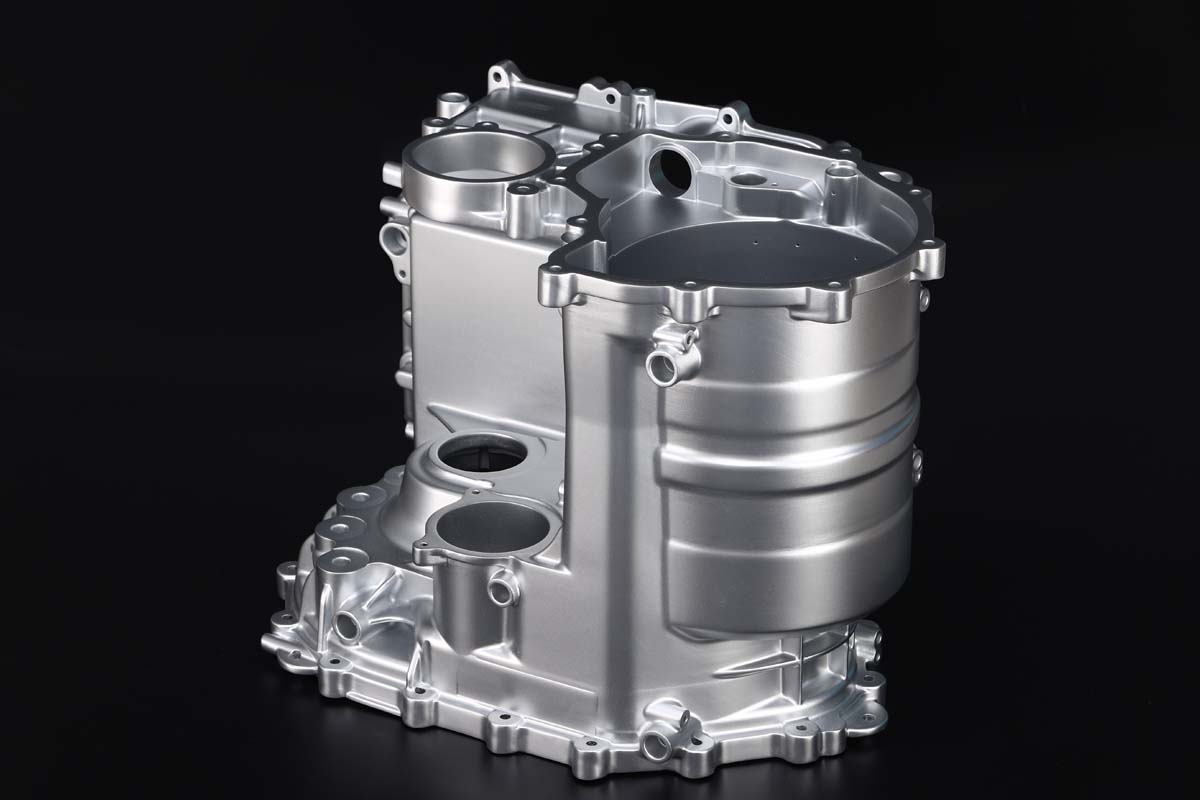
The Evolution of CNC Machining and Manufacturing in China Over the past three decades, China has invested heavily in modernizing its manufacturing base.
Government initiatives such as Made in China 2025 have accelerated adoption of Industry 4.0 technologies, including multi-axis CNC milling and turning centers, robotic loading systems, in-process metrology, and AI-driven process optimization.
Today, thousands of certified machine shops across Guangdong, Jiangsu, Zhejiang, and Tianjin operate state-of-the-art equipment from leading brands like DMG MORI, Mazak, Haas, and domestic leaders such as Hwacheon and Qilu.
These facilities support everything from single-piece prototypes to million-unit production runs — all under strict ISO 9001, ISO 13485, and IATF 16949 compliance frameworks where required.
What sets China apart is not just scale, but specialization.
Clusters have formed around specific industries: Shenzhen excels in tight-tolerance electronics enclosures and medical device components; Dongguan leads in automotive sub-assemblies and custom fasteners; Suzhou hosts precision optics and semiconductor tooling specialists.
This geographic concentration enables faster iteration cycles, shared tooling resources, and collaborative problem-solving between designers, engineers, and machinists — all critical for complex CNC machining and manufacturing projects.
Quality Assurance Beyond the Price Tag A common misconception is that lower costs in China equate to compromised quality.
In reality, the most competitive suppliers prioritize repeatability, documentation, and traceability as rigorously as their Western counterparts — often more so.
Leading shops implement full-process quality control: incoming material verification, first-article inspection reports (FAIR), in-process CMM measurements, surface finish validation, and final dimensional audits.
Many also provide real-time digital dashboards for clients to monitor job status, inspection data, and nonconformance logs.
Third-party certifications are widely available — SGS, BV, TÜV, and Intertek regularly audit Chinese CNC providers.
Moreover, many top-tier manufacturers maintain dual sourcing strategies, with parallel production lines dedicated exclusively to export clients.
This ensures adherence to international tolerances (e.g., ±0.005 mm for critical features), material certifications (ASTM, AMS, DIN), and finishing specifications (anodizing, passivation, powder coating) without delay or compromise.
Supply Chain Resilience and Speed One of the strongest strategic benefits of partnering with Chinese CNC machining and manufacturing partners is supply chain agility.
With over 70 percent of global metalworking tooling, cutting fluids, and raw materials produced domestically, lead times remain remarkably short — even for exotic alloys like Inconel, titanium Grade 5, or beryllium copper.
Raw material procurement typically takes one to three days; standard aluminum or stainless steel parts can move from CAD file to shipped goods in under ten working days.
For urgent needs, expedited programs with 72-hour turnaround on prototypes are increasingly standard.
This responsiveness is amplified by China’s logistics maturity.
Major ports like Shanghai, Shenzhen, and Ningbo offer seamless multimodal connections — air freight hubs with daily departures to North America and Europe, bonded warehouses for just-in-time delivery, and customs brokerage services embedded directly into manufacturing platforms.
The result?
Reduced inventory carrying costs, minimized risk of obsolescence, and greater flexibility to adjust production volumes based on real-world demand signals.
Why Partner with a Trusted Local Representative While China’s CNC machining and manufacturing ecosystem is vast, selecting the right partner requires more than reviewing a website or checking certifications.
Cultural fluency, technical alignment, language precision, and on-the-ground oversight are indispensable.
Miscommunication during quoting — especially around GD&T callouts, surface texture symbols, or heat treatment requirements — can lead to costly rework or delays.
This is where experienced local representatives add measurable value.
They serve as technical liaisons, conduct unannounced factory audits, manage supplier scorecards, and facilitate design-for-manufacturability (DFM) reviews before any metal is cut.
Their presence ensures specifications are interpreted correctly, change orders are documented transparently, and quality issues are resolved collaboratively — not contractually.
Bole Solutions exemplifies this trusted partnership model.
With over fifteen years of deep-rooted experience across mechanical, medical, and industrial sectors, Bole Solutions bridges the gap between international engineering teams and vetted Chinese CNC providers.
They do not operate factories — instead, they curate and manage a selective network of ISO-certified shops, each pre-qualified for specific capabilities: five-axis simultaneous milling, Swiss-type precision turning, micro-machining, and tight-tolerance sheet metal fabrication.
Their engineers speak fluent English and technical Mandarin, review every drawing line-by-line, and coordinate first-article approvals with full measurement reports.
Clients consistently report reduced time-to-prototype by 30–50 percent, improved yield rates above 98.5 percent, and zero major quality escapes across multi-year engagements.
Getting Started the Right Way Businesses exploring CNC machining and manufacturing in China should begin with clarity: define functional requirements, volume projections, certification needs, and acceptable lead time windows.
Avoid blanket RFQs.
Instead, engage a partner like Bole Solutions early in the design phase — ideally during concept development — to leverage their DFM expertise and avoid costly redesigns later.
Request facility videos, sample reports, and client references from similar industries.
Most importantly, insist on transparency: clear pricing breakdowns, defined payment terms, intellectual property safeguards, and escalation protocols.
In conclusion, CNC machining and manufacturing in China is no longer about cost arbitrage alone.
It is about accessing world-class capability, responsive scalability, and engineering collaboration at competitive investment levels.
When guided by experienced, technically grounded partners, the Chinese manufacturing ecosystem becomes a strategic extension of your own R&D and operations — delivering precision, reliability, and speed, project after project.
For companies ready to elevate their production strategy, the opportunity is not just viable — it is imperative.