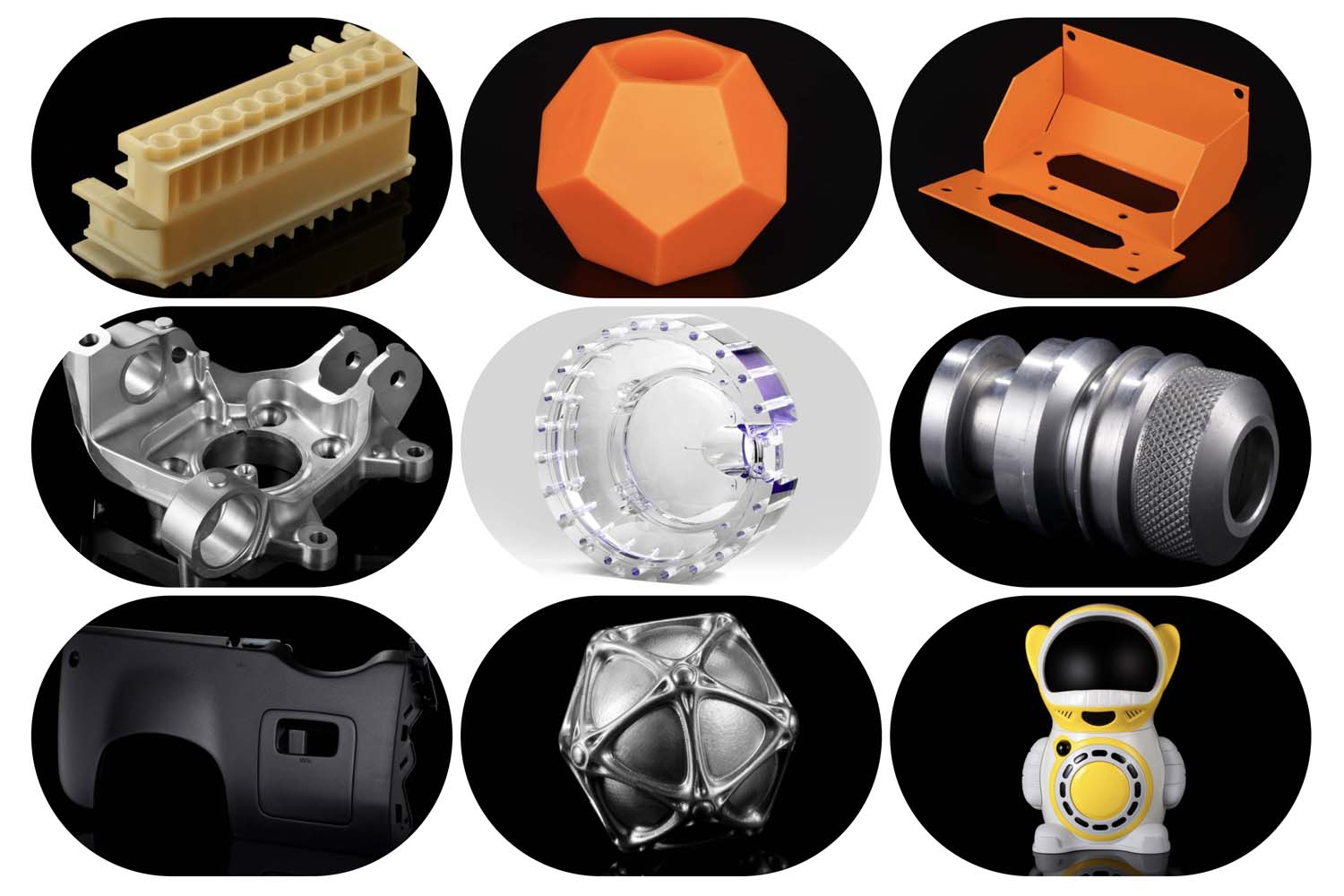
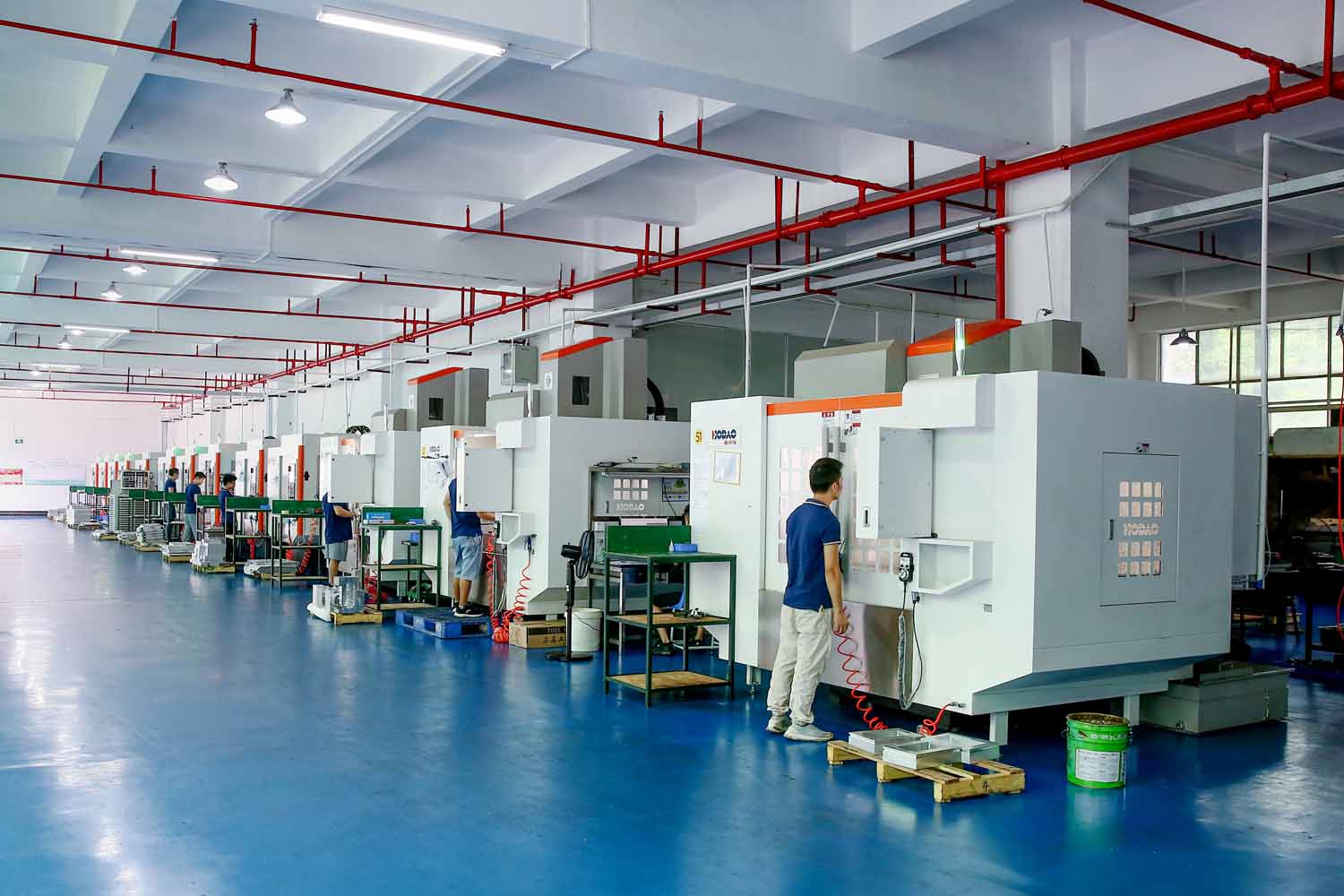
CNC machining services in China have moved beyond simple cost arbitrage. Serious buyers now expect design review, process discipline, measurable inspection, and stable communication before a job is released. When a supplier can connect CNC machining capability with material control and reporting discipline, it becomes possible to source globally without accepting uncontrolled risk.
Quick answer
For teams evaluating CNC machining services in China, the right supplier is the one that can prove DFM depth, tolerance logic, inspection control, and revision responsiveness instead of simply offering a low unit price.
At a glance
- Screen the machining route before the quote is accepted, not after the first sample fails.
- Classify dimensions by function so process control effort matches the real product risk.
- Use inspection data, material traceability, and corrective-action speed as supplier filters.
Related service path
Use the CNC machining service page and the 5-axis machining page as the starting path when screening China suppliers for geometry-sensitive parts.
DFM review is where machining reliability really starts
A strong service provider in China should begin by reviewing datum structure, feature access, stock condition, cutter reach, wall support, and likely burr or distortion zones. This review should happen before the quote is treated as final. If the supplier accepts the drawing without identifying setup-sensitive features, deep cavities, or tolerance conflicts, the risk has merely been pushed into production.
Practical DFM feedback often includes changes such as opening internal corners for standard tools, adjusting nonfunctional tolerances, moving cosmetic faces away from clamp marks, or combining two operations into one more stable setup. Those details directly affect scrap rate, cycle time, and first-pass success, which is why a serious machining supplier should respond with process logic rather than only a lead time.
Tolerance strategy has to follow product function
One of the biggest causes of unnecessary cost in international machining is treating the entire print as if every dimension were equally critical. In reality, bearing locations, sealing surfaces, concentric bores, and assembly datums deserve tighter control than nonfunctional outer profiles or appearance-only edges. A capable supplier should classify dimensions into critical, major, and general control bands before inspection is planned.
That classification changes everything downstream. It determines whether the feature is checked in process or only at final inspection, whether a CMM or shop gauge is needed, and whether tool offsets are adjusted on every batch or only at defined sample intervals. Good tolerance strategy reduces over-inspection while protecting the exact features that govern fit, leakage, alignment, or fatigue life.
Material and process control matter more than machine lists
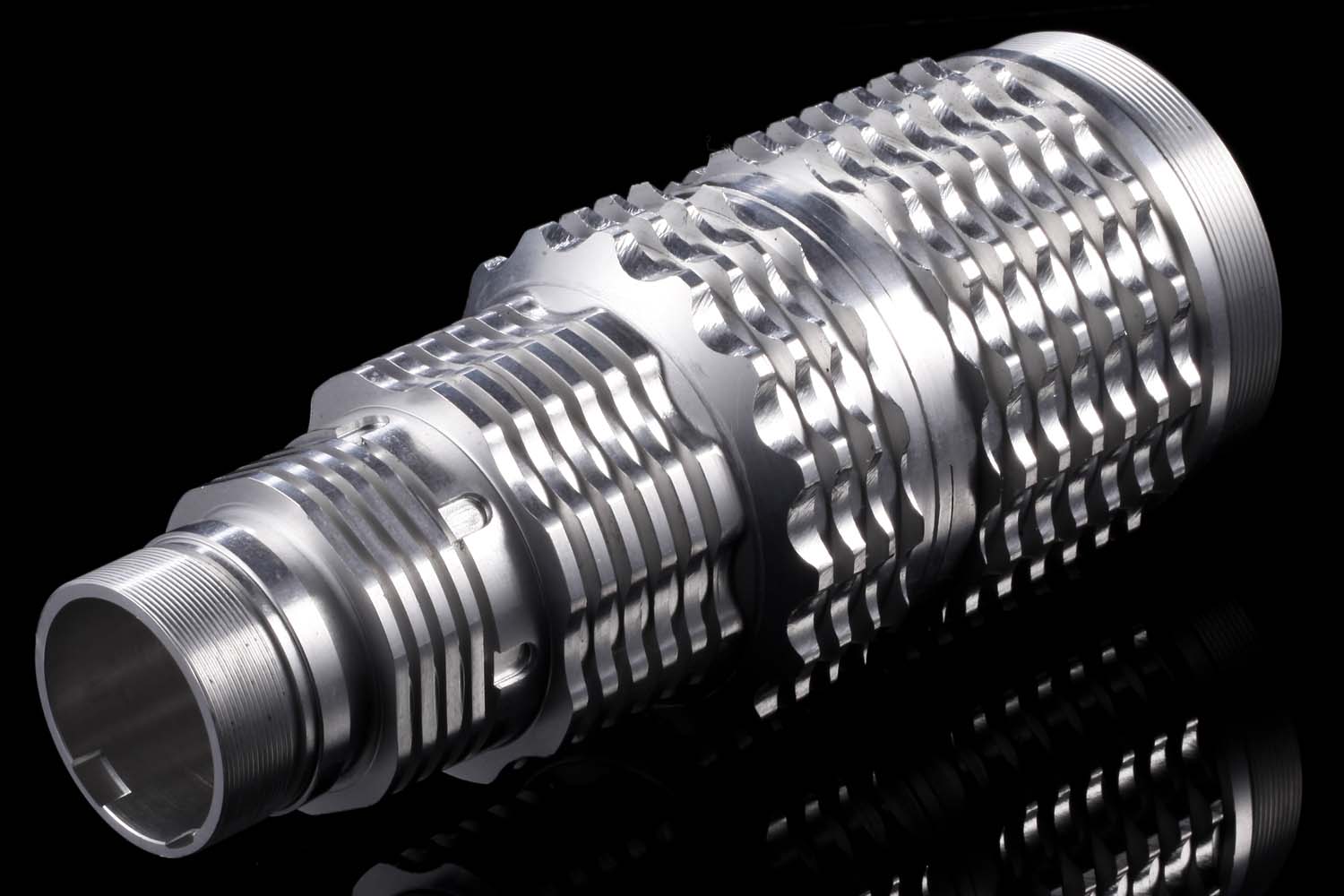
Chinese machining capacity is broad, but the difference between a dependable supplier and a risky one is usually process discipline rather than equipment count. Buyers should verify how raw material is received, how heat numbers are recorded, how jobs are segregated, and how tool wear or coolant condition is managed. The supplier should be able to explain what process variables are most likely to move on aluminum, stainless steel, brass, titanium, or engineering plastics.
Material behavior has a direct influence on stability. Aluminum may machine quickly but still require strict burr control around thin ribs. Stainless steel raises tool wear and heat load. Plastics require support planning to avoid deformation during clamping. A mature supplier treats those variables as part of the job plan, not as surprises to be handled after dimensional drift starts to appear.
Inspection should be built into the route, not added at the end
Reliable CNC machining services in China depend on measurement systems that sit inside production rather than outside it. First-article approval, in-process patrol checks, fixture verification, and final dimensional release should all be defined before the first bar or billet is cut. When critical dimensions are checked only at shipment release, the shop learns too late and scrap has already multiplied.
The more demanding the part, the more important it becomes to define reaction rules. Engineers should know which dimensions trigger tool compensation, when the fixture needs requalification, how often probes are used, and who signs off the lot if an outlier appears. Those details create control. Without them, inspection becomes a reporting activity instead of a manufacturing-control activity.
Supplier qualification must go beyond price and machine count
A technically useful supplier audit should review sample reports, revision handling, engineering communication, corrective-action quality, and familiarity with parts similar to the new project. It is not enough for a supplier to own a VMC and a CMM. Buyers should ask how the job will be fixtured, which dimensions are highest risk, which process step sets the final datum, and how the route changes when the order moves from sample to repeat production.
That is also the point where broader capabilities matter. If the geometry requires fewer setups or angled access, the conversation should naturally connect to 5-axis machining. If the part will move into plating, anodizing, or cosmetic control, the supplier should explain how stock allowance and masking risk are managed before finishing begins. This type of answer reveals whether the supplier is thinking like an engineer or only like a trader.
Where Bole Solutions fits in a qualification workflow
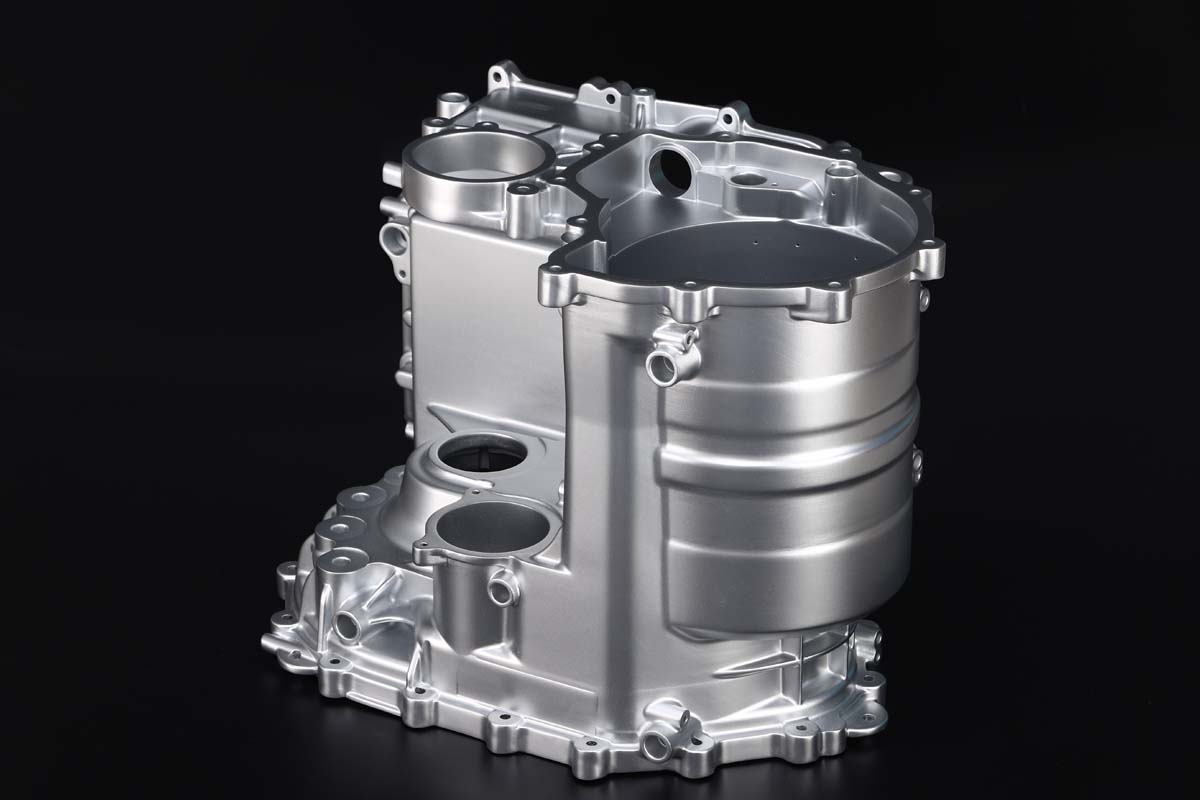
Bole Solutions is most useful when the customer needs technical interpretation as well as manufacturing execution. The value is not simply access to machining capacity, but the ability to review drawings, separate critical risks from minor ones, and keep inspection and process planning aligned with what the part actually does in the assembly.
For buyers who need a dependable extension of their procurement and engineering workflow, that approach is what makes CNC machining services in China workable at a professional level. The combination of DFM review, control-plan thinking, and route transparency is what turns offshore sourcing into a controlled manufacturing channel instead of a trial-and-error exercise.