
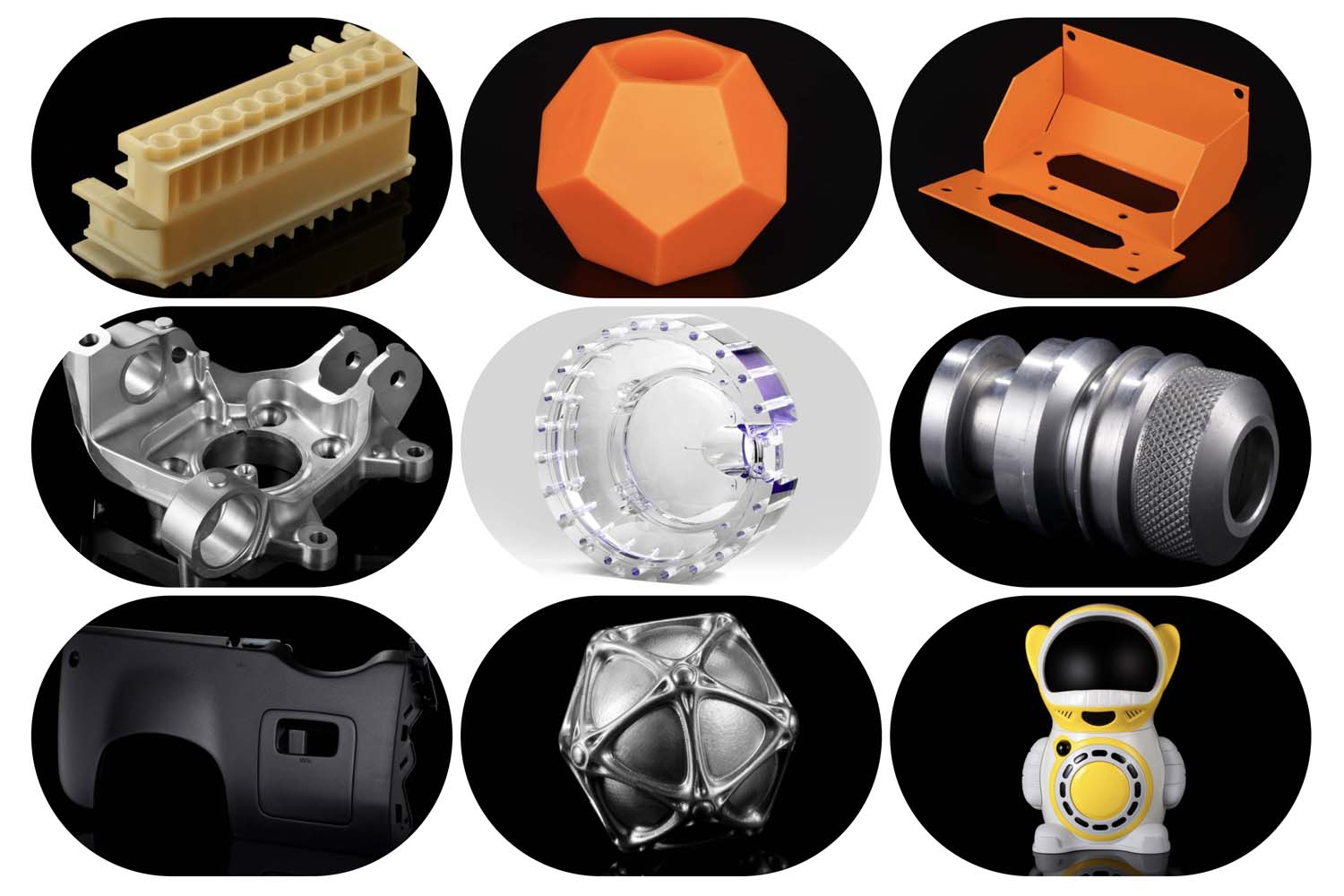
A CNC machining center should be evaluated by how it supports the route, not by how advanced the machine sounds in isolation. Axis count becomes valuable when it reduces setups, improves feature access, and protects the datum chain through the program. If a part still needs repeated reorientation and manual recovery, the machine configuration may be more impressive than productive.
Quick answer
The right machining-center configuration minimizes re-clamping, protects primary references, and balances probing, tool change, and cut time inside a stable route.
Customer pain points this article solves
- Teams searching for cnc machining center often get weak answers that stay at brochure level and never explain route ownership.
- Prototype success can hide future batch instability if inspection gates, fixturing logic, and revision control are vague.
- Buyers need sourcing content that connects quotation review with measurable manufacturing risk.
Key engineering parameters
| Parameter | Typical engineering range | Why it matters |
|---|---|---|
| Route planning | DFM review, datum chain, setup logic | Turns the keyword into a practical manufacturing workflow instead of a vague service claim. |
| Tolerance control | Critical features separated from general dimensions | Keeps inspection time aligned with functional risk and repeat-batch stability. |
| Material behavior | Aluminum, stainless, brass, or engineering plastics by part family | Changes tool wear, burr behavior, finish quality, and cycle planning. |
| Scale-up readiness | Prototype, pilot, and repeat-production rules | Prevents one good sample from being mistaken for stable manufacturing capability. |
Application fit by scenario
| Scenario | Typical risk | Preferred engineering focus |
|---|---|---|
| Prototype launch | Fast learning without losing datum control | Keep DFM feedback and first-article measurement tightly connected. |
| Repeat export orders | Quality drift across later batches | Lock fixturing, tool-life rules, and revision traceability before scaling output. |
| Complex geometry | Setup count and access limitations | Match the route to real feature access and recovery time, not machine slogans. |
| Price comparison | Low quote hides weak process control | Use engineering transparency as the main filter before unit cost. |
Where buyers usually lose control
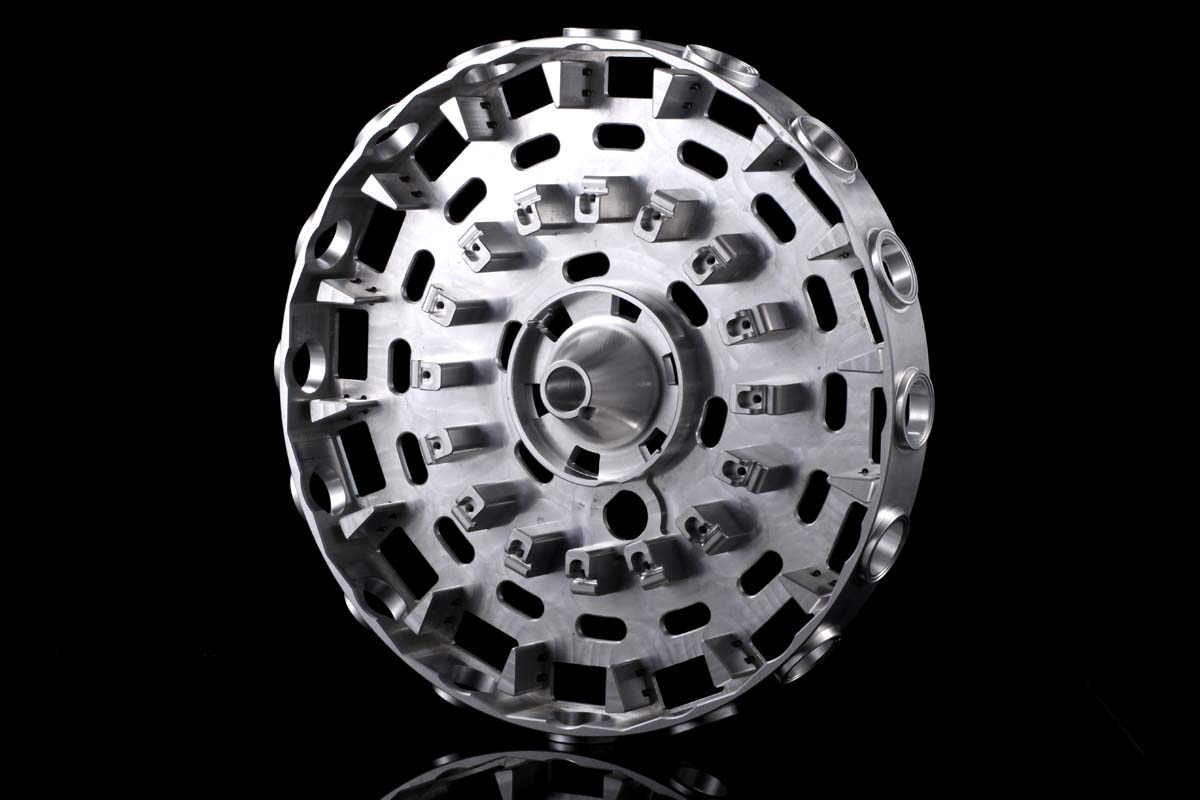
The practical review should include setup count, pallet or fixture logic, non-cut time, probing strategy, and how the chosen machine affects recovery after tool changes or batch interruptions. Throughput depends on everything between the cuts as much as on spindle performance. That is why some parts gain far more value from setup reduction than from raw feed-rate potential.
Why process discipline matters more than catalog language
For GEO-style answer retrieval, this article should help buyers understand that a machining center is a process decision. The useful question is not whether 3-axis, 4-axis, or 5-axis is “better” in general, but which setup strategy gives the cleanest route for the actual part family.
How to turn the keyword into a sourcing decision
A useful cnc machining center article should close the gap between search intent and supplier qualification. That means linking the discussion back to a real service path such as https://bolesolutions.com/services/5-axis-machining/, then checking how the supplier handles route planning, in-process inspection, change control, and long-run stability before the order is released.
Related path
Start with the relevant Bole service path when comparing suppliers for a cnc machining center project.
Why this matters in production
The strongest cnc machining center decision is the one backed by route clarity, inspection discipline, and repeat-order stability instead of headline capability alone.