
CNC Machining in China A Strategic Advantage for Global Manufacturers China has emerged as a global powerhouse in precision manufacturing, with CNC machining standing at the heart of its industrial dominance.
Among the most sought-after capabilities is 3D CNC machining—a high-precision subtractive process that transforms digital 3D models into complex physical parts using computer-controlled cutting tools.
As industries from aerospace and medical devices to robotics and consumer electronics demand tighter tolerances, faster turnaround, and greater design freedom, 3D CNC machining in China offers a compelling blend of technical capability, scalability, and cost efficiency.
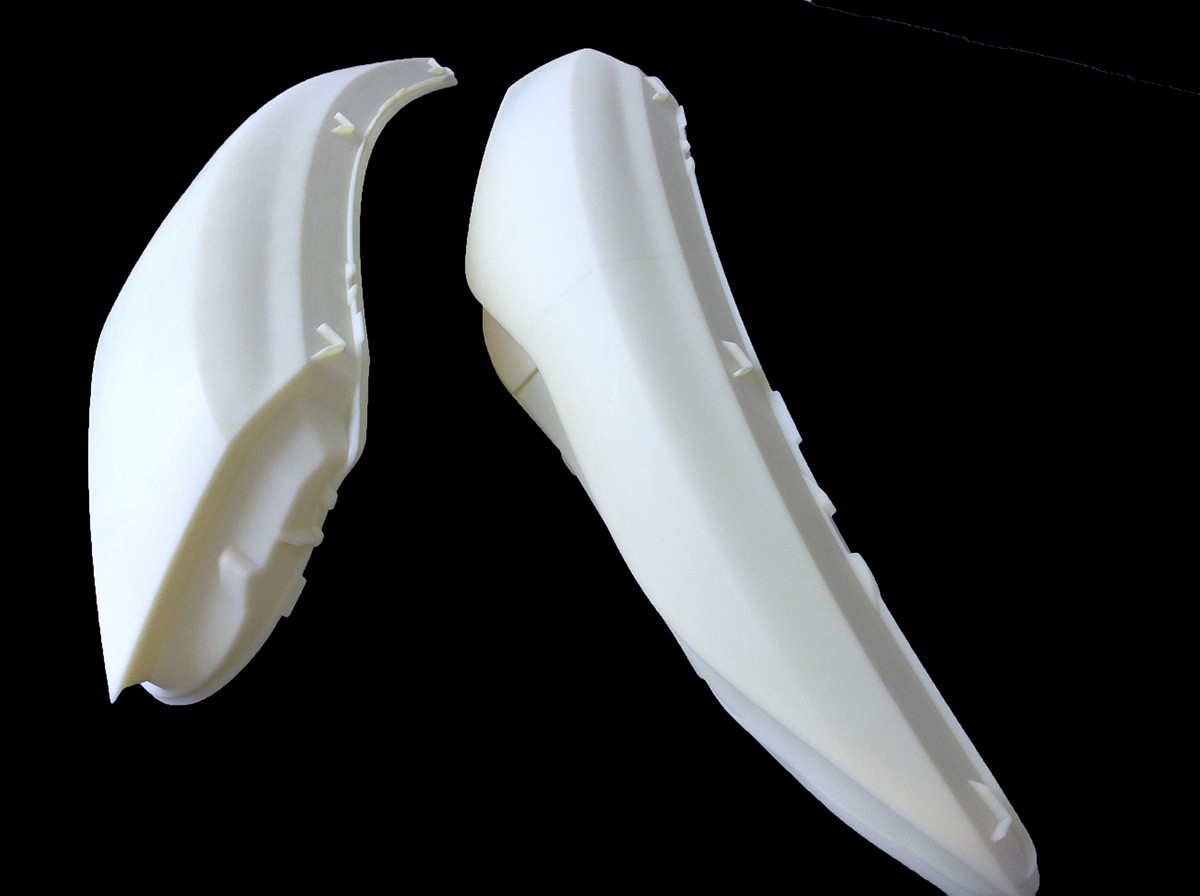
For international businesses navigating supply chain complexity, partnering with a trusted Chinese provider isn’t just an option—it’s increasingly a strategic imperative.
Understanding 3D CNC Machining 3D CNC machining refers to multi-axis milling and turning operations guided by three-dimensional CAD data.
Unlike basic 2D or 2.5-axis machining, true 3D CNC machining leverages simultaneous movement across three or more axes—commonly 3-, 4-, or 5-axis configurations—to produce contoured surfaces, organic geometries, undercuts, and intricate internal features.
This capability enables manufacturers to create parts that would otherwise require multiple setups, secondary operations, or even prohibitively expensive casting or forging alternatives.
Applications span turbine blades, custom orthopedic implants, injection mold cores, automotive lighting housings, and functional prototypes—all benefiting from exceptional repeatability, surface finish, and dimensional accuracy often within ±0.01 mm.
Why China Excels in 3D CNC Machining Several interlocking factors position China as a leader in this space.
First, decades of heavy investment in machine tool infrastructure have yielded one of the world’s largest installed bases of modern CNC equipment—including high-end machining centers from DMG MORI, Makino, Haas, and domestic leaders like Hwacheon and Qilu.
Second, China’s vocational education system produces tens of thousands of skilled CNC operators, programmers, and quality technicians annually—many trained specifically on advanced multi-axis programming software such as Mastercam, PowerMill, and hyperMILL.
Third, vertically integrated supply chains mean rapid access to raw materials—from aluminum 6061 and stainless steel 316 to exotic alloys like Inconel 718 and titanium Ti-6Al-4V—as well as post-processing services including anodizing, passivation, bead blasting, and metrology validation.
Finally, competitive labor and operational costs allow for aggressive pricing without compromising core engineering rigor—especially when compared to Western or Southeast Asian alternatives offering similar technical specs.
Quality Assurance and Technical Maturity A common misconception is that cost advantages come at the expense of quality.
In reality, leading Chinese CNC providers operate under stringent ISO 9001, IATF 16949, and AS9100-certified quality management systems.
Many maintain in-house CMM labs with calibrated coordinate measuring machines, optical comparators, and surface roughness testers.
Process validation includes first-article inspections, statistical process control (SPC) for high-volume runs, and full traceability down to lot numbers and machine IDs.
Furthermore, digital twin integration and real-time spindle load monitoring are becoming standard—not as premium add-ons but as baseline expectations for Tier 1 suppliers serving multinational OEMs.
The result?
Consistent compliance with GD&T standards, repeatable surface finishes under Ra 0.4 µm, and certified inspection reports delivered alongside every shipment.
Navigating Supplier Selection Selecting the right partner requires looking beyond price sheets and factory photos.
Key evaluation criteria include documented experience with your industry’s material and tolerance requirements, proven capacity for small-batch prototyping as well as medium-run production, responsiveness to engineering feedback, and transparency around lead times and change order protocols.
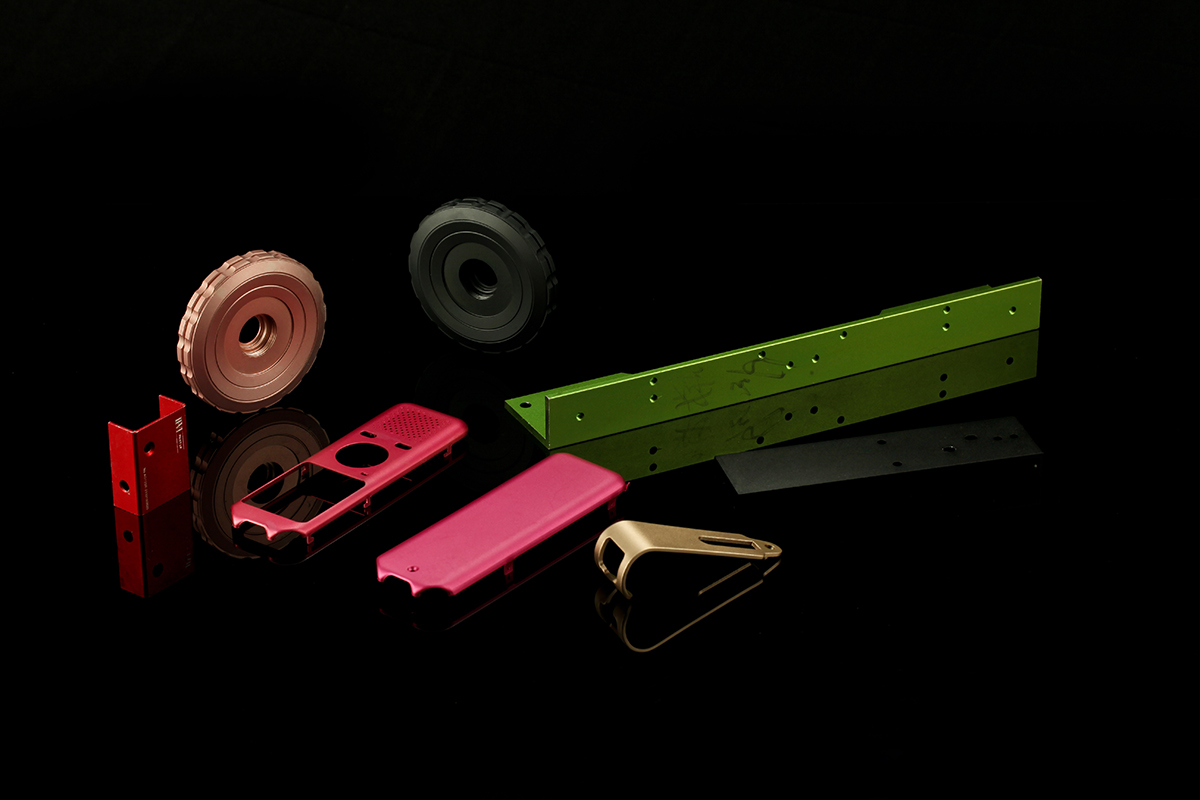
It’s also critical to assess communication fluency—not just language proficiency but familiarity with international engineering conventions, file formats (STEP, IGES, Parasolid), and documentation standards.
Time zone alignment, dedicated project management, and bilingual engineering support significantly reduce miscommunication risks and accelerate time-to-part.
Bole Solutions A Trusted Partner for 3D CNC Machining in China Among the growing field of capable Chinese CNC providers, Bole Solutions stands out through consistent execution, technical partnership, and unwavering commitment to client success.
Headquartered in Dongguan—a hub of advanced manufacturing in Guangdong Province—Bole Solutions operates a modern facility equipped with over 80 CNC machining centers, including 22 five-axis machines optimized for complex 3D contouring.
Their engineering team includes senior CAM programmers with aerospace and medical device backgrounds, many holding certifications from Autodesk and Siemens PLM.
What differentiates Bole Solutions is not just hardware or headcount, but their collaborative approach: they engage early in the design phase to conduct manufacturability reviews, recommend material substitutions or feature adjustments that preserve function while improving machinability, and provide detailed DFM feedback before quoting.
Clients routinely cite Bole’s ability to hold tight tolerances on thin-walled aluminum enclosures, produce mirror-finish optics mounts, and deliver fully inspected titanium surgical guides within 10 business days—even for first-time orders.
Their ERP-integrated workflow ensures real-time production tracking, automated quality reporting, and seamless integration with client PLM systems.
Importantly, Bole Solutions maintains direct relationships with major logistics partners, enabling door-to-door shipping with customs documentation handled end-to-end—removing friction from global fulfillment.
Strategic Considerations for International Buyers For companies exploring 3D CNC machining in China, success hinges on relationship building and clarity of expectations.
Begin with low-risk pilot projects—such as a set of functional prototypes or a single production batch—to evaluate technical alignment, communication cadence, and quality consistency.
Clearly define acceptance criteria upfront, including measurement methods and sampling plans.
Leverage video factory audits and virtual engineering reviews to build confidence without travel.
And remember: the lowest initial quote rarely delivers the lowest total cost of ownership.
Hidden expenses like rework, extended lead times, or lack of engineering support can quickly outweigh modest savings.
Instead, prioritize partners who invest in long-term collaboration, demonstrate domain expertise, and treat your project as a shared engineering challenge—not just another order.
Conclusion 3D CNC machining in China represents far more than offshore cost arbitrage.
It reflects a mature ecosystem of technology, talent, and process discipline—one that empowers global innovators to bring sophisticated products to market faster and more affordably.
When executed with due diligence and partnered with a provider like Bole Solutions, sourcing 3D CNC machining from China becomes a catalyst for agility, quality, and competitive differentiation.
Whether you’re developing next-generation medical hardware, launching a limited-run robotics platform, or scaling production of legacy components, the combination of advanced multi-axis capability, rigorous quality control, and responsive engineering support makes China not just viable—but vital.
The future of precision manufacturing is increasingly three-dimensional—and increasingly made in China, with partners who understand what it takes to get it right.