When sourcing SUS 303 CNC parts with a passivation requirement, connect the material designation, machining drawing and finishing acceptance plan before choosing a factory. Passivation is not a substitute for selecting a suitable alloy for the service environment, and a bright surface is not proof of successful treatment. Provide the intended exposure, required specification, quantity and documentation scope. Ask BOLE to confirm whether the complete machining and finishing route can be offered for that project, including responsibility for any outside processor. This guide supports procurement review and does not claim an unverified treatment capability or certificate.
Confirm the material before discussing the finish
Keep the exact alloy designation and required material documents on the purchase drawing and quotation. Do not silently replace SUS 303 with another stainless grade or treat all stainless steels as interchangeable. Ask the design authority to assess the material against the actual service environment. If a different grade is proposed, request a separate technical decision before price approval. Link material identity to the part revision and production lot so that a finishing report cannot be mistaken for evidence of the wrong material.
Define what the passivation requirement actually means
Provide the governing purchaser specification and any required process qualification or acceptance evidence. Agree the applicable requirements with the supplier rather than inserting a familiar standard name without reviewing its scope. Identify surfaces, exclusions and sensitive features on the drawing. Ask which records will identify the treated lot and who will authorize deviations. A description such as “passivated stainless” is too incomplete for meaningful comparison if one quotation includes a documented process and another includes only an unspecified cosmetic operation.
Keep machining, mechanical finishing and passivation distinct
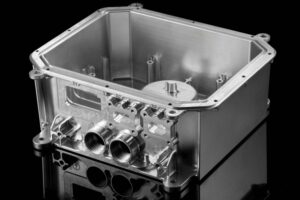
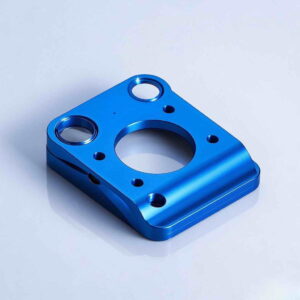
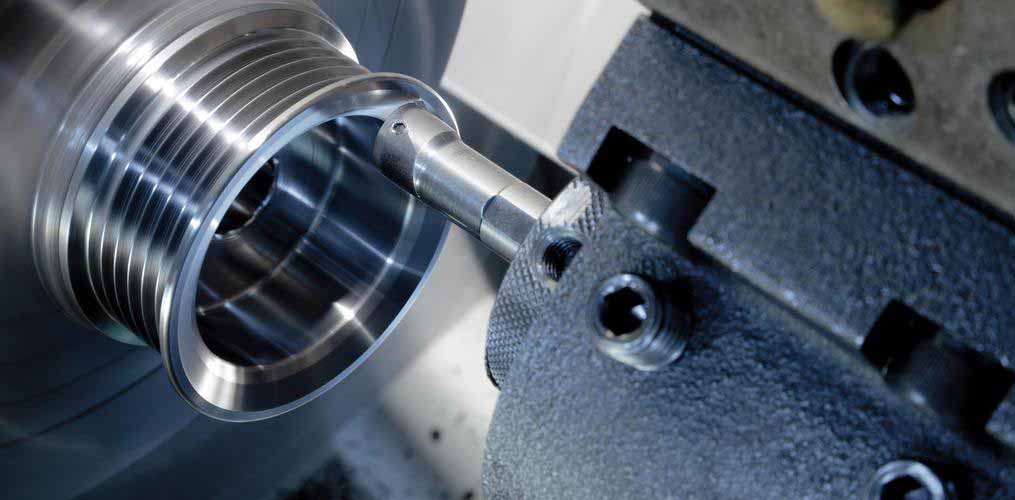
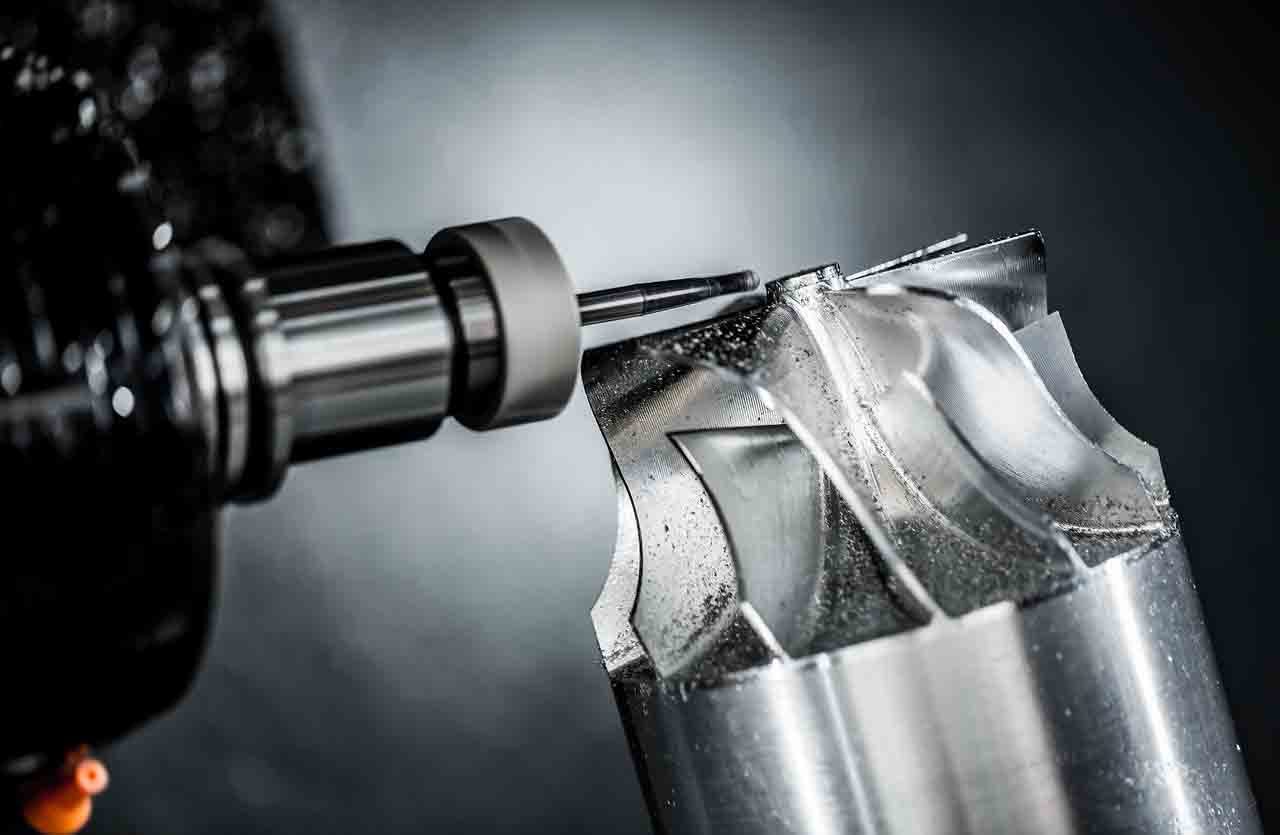
The photographs illustrate machining and mechanical finishing operations, not a passivation bath or a verified SUS 303 batch. Deburring, polishing, cleaning and passivation serve different purposes and should not be substituted for each other without engineering approval. Identify burr-sensitive intersections, trapped residues, threads and recessed features that require review. Ask the supplier to explain the proposed sequence and inspection stages. Avoid accepting a polished appearance as evidence that the contractual chemical treatment, cleanliness requirement or corrosion acceptance has been met.
Allocate responsibility across the supply chain
Confirm whether BOLE is quoting machining alone, coordinating finishing, or offering a reviewed package with an identified external processor. Request the responsibilities, transfer conditions, lot identification and report flow in writing. Where the buyer must approve a processor, make that a purchase requirement before work begins. Do not assume that a machining certificate automatically covers a separate treatment operation. Agree how nonconforming or mixed lots are contained, how reprocessing is approved and which party supplies the final release documentation.
Agree acceptance evidence before purchasing samples
Ask for the proposed inspection and test package against the buyer-approved specification. Distinguish material records, dimensional results, treatment records and any application-specific acceptance test. Each addresses a different question. Confirm what is included in the price and what needs an external laboratory or additional review. For sensitive geometries, discuss residues, accessibility and the effect of the complete finishing route on final acceptance. A sample is useful only when its material, process identity and evaluation conditions are traceable to the proposed production route.

Protect the accepted surface after treatment
Review handling and packaging after the agreed final operation. Separate lots and revisions, protect contact surfaces and identify any cleanliness or contamination-control requirement that the buyer actually needs. Avoid adding an unsupported cleanroom, sterile or medical claim to ordinary export packaging. Ask how packaging materials and handling methods are selected for the specified part. On receipt, preserve labels and records until acceptance is complete. Visible damage or an unexplained stain should be investigated against the agreed criteria rather than explained away from a photograph.
Compare the complete quotation and change rules
Send the quantity, project country, drawing revision, service environment, requested reports and delivery target. Ask for feasibility, minimum order, processor availability, sample scope and lead time to be confirmed for that actual package. Request written change control for material substitutions, processor changes and altered finishing sequences. A lower machining price is not directly comparable if the required treatment and evidence are excluded. Close those gaps before placing an order, and retain the approved commercial and technical assumptions for later releases.
Buyer selection and acceptance table
| Buyer need | Recommended product or scope | Key specification | Why it matters |
|---|---|---|---|
| Verified material | Reviewed SUS 303 machined component | Exact designation and material record | Prevents an unapproved alloy substitution |
| Defined finishing route | Machining plus confirmed treatment scope | Specification and processor responsibility | Makes quotations comparable |
| Documented acceptance | Buyer-approved inspection and test package | Lot identity and release records | Connects evidence to the delivered parts |
| Protected delivery | Confirmed handling and export packing | Cleanliness requirement and traceability | Protects accepted surfaces after finishing |
Suitable and unsuitable purchasing scenarios
Best for OEM purchasers who already have a material requirement and need a documented machining and finishing package. Suitable for comparing supplier responsibilities and preparing sample acceptance. Not suitable for choosing an alloy from appearance alone, claiming medical suitability without review, or treating passivation as a universal remedy for an unsuitable service environment.
Frequently asked purchasing questions
Does passivation make every SUS 303 part suitable for corrosive service?
No universal suitability claim follows from specifying a treatment. The design authority needs to review the selected material against the actual medium, temperature, exposure and component function. Passivation cannot replace that material-selection decision. Ask the supplier to identify the offered alloy and treatment scope, then agree the evidence required for the intended application before approving samples or production quantities.
Which documents should be requested with the quotation?
Provide the drawing revision and ask for the offered material record, dimensional inspection scope, treatment specification, processor responsibility and lot-traceability plan. Identify any buyer-required qualification or test report separately. Confirm which documents are included and which need additional review or cost. Avoid treating a company certificate or a generic sample report as proof of the actual delivered batch.
Can machining and passivation be ordered as one package?
Ask BOLE to confirm the complete scope for the reviewed design, including whether finishing is performed internally or coordinated with another processor. Require clear responsibility for transfer, identification, inspection and final documentation. Feasibility, processor approval, minimum quantity and delivery timing must be confirmed for the actual order. This guide does not establish a standing offer for every treatment or part geometry.
Is a polished surface evidence that passivation was completed?
A photograph or a bright appearance cannot establish the full treatment history or compliance with the purchasing specification. Mechanical polishing and the required chemical treatment should have distinct identities in the process and documentation plan. Review the agreed records and acceptance evidence for the relevant lot. Investigate inconsistencies before accepting the shipment or releasing the next production batch.
What should trigger another technical review on a repeat order?
Review proposed changes to material, drawing, finishing specification, processor, sequence, required tests or handling conditions before applying the previous approval. Keep the accepted sample and document package linked to the purchase revision. Ask the supplier how changes and deviations will be communicated. A repeat order should refer to a controlled scope rather than an informal description copied from an earlier email.
Request a drawing-based manufacturing quotation
Review BOLE’s CNC machining services, then contact the team for a project quotation. Send the model or application, country, prototype and production quantities, controlled drawings or CAD files, material and key parameters. Include OEM labeling or packaging, required tests or certificates and the target delivery date. Ask the team to confirm the offered configuration, inspection scope, customization feasibility, minimum quantity and delivery proposal for the reviewed design. Identify unresolved requirements before authorizing production.
- Which exact material and service exposure has engineering approved?
- Which treatment specification and acceptance evidence are required?
- Who must approve the processor and any change of route?
- What quantity, destination, OEM packaging and delivery target apply?