
CNC Machining in China: A Strategic Overview for Global Manufacturers China remains one of the world’s most influential hubs for precision manufacturing, particularly in computer numerical control (CNC) machining.
With decades of industrial development, extensive supply chain integration, and a vast talent pool of skilled engineers and technicians, Chinese CNC facilities deliver high-volume, cost-effective, and technically sophisticated components across aerospace, medical, automotive, and consumer electronics sectors.
While many global sourcing teams focus on China for aluminum CNC machining, an increasing number are evaluating nearby alternatives—especially Vietnam—for strategic advantages in lead time, geopolitical risk mitigation, and evolving quality standards.
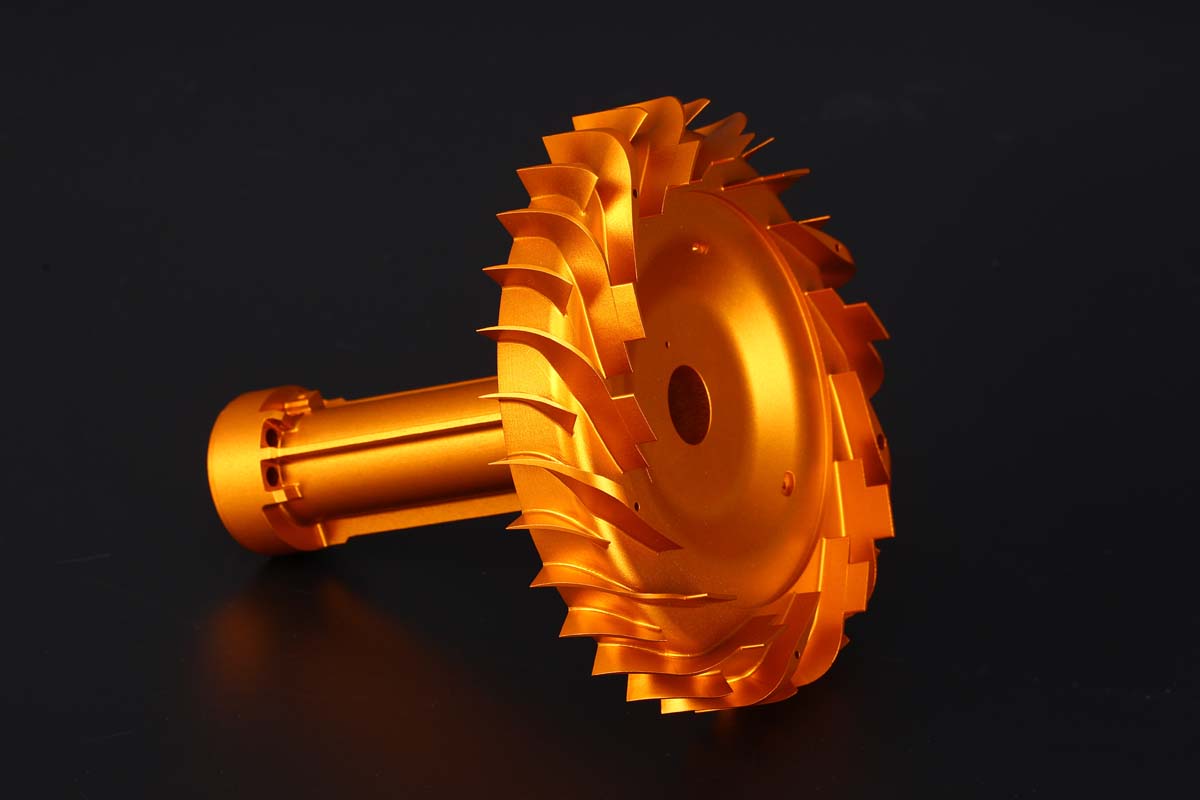
This article explores the broader landscape of aluminum CNC machining in Asia, clarifies common misconceptions about regional capabilities, and highlights why forward-thinking companies are turning to trusted partners like Bole Solutions to navigate this dynamic environment.
Understanding Aluminum CNC Machining Capabilities Across Asia Aluminum is among the most widely machined metals globally due to its favorable strength-to-weight ratio, excellent thermal and electrical conductivity, corrosion resistance, and ease of fabrication.
CNC machining aluminum demands precision tooling, optimized feeds and speeds, effective chip evacuation, and rigorous dimensional inspection—capabilities that require both advanced equipment and experienced personnel.
In China, aluminum CNC machining is highly mature.
Thousands of workshops—from small family-run shops to large Tier-1 contract manufacturers—offer milling, turning, drilling, tapping, and multi-axis machining of alloys such as 6061, 7075, and 2024.
Many Chinese suppliers invest in state-of-the-art 5-axis machines, automated pallet systems, and in-house metrology labs.
However, challenges persist: longer lead times for new projects due to high order volume, variability in quality consistency across subcontractors, and growing scrutiny around intellectual property protection and compliance with international environmental and labor standards.
Vietnam’s Emerging Role in Precision Aluminum Machining While the primary keyword “aluminum cnc machining Vietnam” reflects rising interest, it’s important to clarify a key point: Vietnam is not yet a direct replacement for China’s scale or depth in CNC machining—but it is rapidly becoming a compelling complementary partner.
Over the past decade, Vietnam has attracted significant foreign direct investment in industrial infrastructure, especially in provinces like Bac Ninh, Quang Ninh, and Ho Chi Minh City’s surrounding industrial parks.
Local machine shops have upgraded from basic 3-axis mills to integrated CNC centers capable of tight-tolerance aluminum parts, often serving multinational electronics and automotive suppliers.
Labor costs remain competitive, workforce training programs have expanded through partnerships with German and Japanese technical institutes, and export-oriented regulatory frameworks support ISO 9001, IATF 16949, and AS9100 certifications.
That said, Vietnam’s aluminum CNC machining ecosystem is still developing in terms of raw material availability, secondary finishing capacity (e.g., anodizing, plating), and large-part machining capability—areas where China maintains clear leadership.
Why Sourcing Teams Are Reevaluating Their Regional Strategy Global supply chains are no longer optimized solely on unit cost.
Resilience, responsiveness, transparency, and long-term partnership potential now carry equal weight.
Companies previously relying exclusively on Chinese suppliers are diversifying into Vietnam—not necessarily to replace China, but to de-risk production, shorten shipping windows to ASEAN and Oceania markets, and gain flexibility during peak demand cycles or logistical disruptions.
For example, a U.S.-based robotics firm may produce high-complexity aluminum housings in China while shifting lower-complexity, high-volume brackets to Vietnam for faster turnaround and reduced ocean freight dependency.
Similarly, European medical device OEMs increasingly use Vietnam for pilot runs and low-volume production validation before scaling in China—leveraging Vietnam’s shorter engineering feedback loops and agile change management.
Bole Solutions: Bridging Expertise Across Asia In this nuanced landscape, selecting the right partner matters more than ever.
Bole Solutions stands out not as a generic trading company, but as a technically grounded engineering services provider with deep operational roots in both China and Vietnam.
Founded by mechanical engineers with over 15 years of hands-on experience in precision machining, Bole Solutions combines localized presence with global process discipline.
Its team conducts on-site supplier audits—not just checklist-based reviews, but functional assessments of machine calibration records, staff certification logs, and first-article inspection reports.
For aluminum CNC machining projects, Bole Solutions offers end-to-end support: material sourcing verification (ensuring correct alloy grade and mill certifications), GD&T review and manufacturability analysis, real-time production monitoring via digital dashboards, and coordinated logistics including customs documentation and DDP fulfillment.
What differentiates Bole Solutions is its commitment to technical alignment over transactional convenience.
When a client requests aluminum CNC machining in Vietnam, Bole does not simply assign the job to the lowest-bid shop.
Instead, it evaluates part geometry, tolerance stack-ups, surface finish requirements, and intended function—then matches the project with vetted facilities whose equipment, staffing, and quality systems align precisely with those needs.
For instance, a thin-wall aluminum enclosure requiring ±0.02 mm flatness will be routed to a facility with granite-bed 5-axis machining centers and certified CMM operators—not a general-purpose shop.
Likewise, for clients needing aluminum parts with Type II anodizing and salt-spray testing, Bole coordinates with integrated finishing partners who maintain NADCAP-accredited processes.
Building Trust Through Transparency and Traceability Trust in offshore manufacturing hinges on visibility—not promises.
Bole Solutions provides clients with secure, cloud-based access to production milestones: raw material receipt timestamps, in-process inspection photos with annotated measurements, and final FAI reports stamped by third-party labs.
Every aluminum component shipped carries a unique traceability ID linked to its machining parameters, tool wear logs, and operator sign-off.
This level of granularity empowers procurement and engineering teams to make data-driven decisions—whether approving a design change, investigating a field issue, or preparing for an internal audit.
Looking Ahead The future of aluminum CNC machining in Asia lies not in choosing between China and Vietnam, but in intelligently integrating both within a coherent, risk-aware strategy.
As Vietnam continues to mature its precision manufacturing capabilities—and as China refines its value proposition toward higher-mix, higher-complexity work—the role of an experienced, technically fluent partner becomes indispensable.
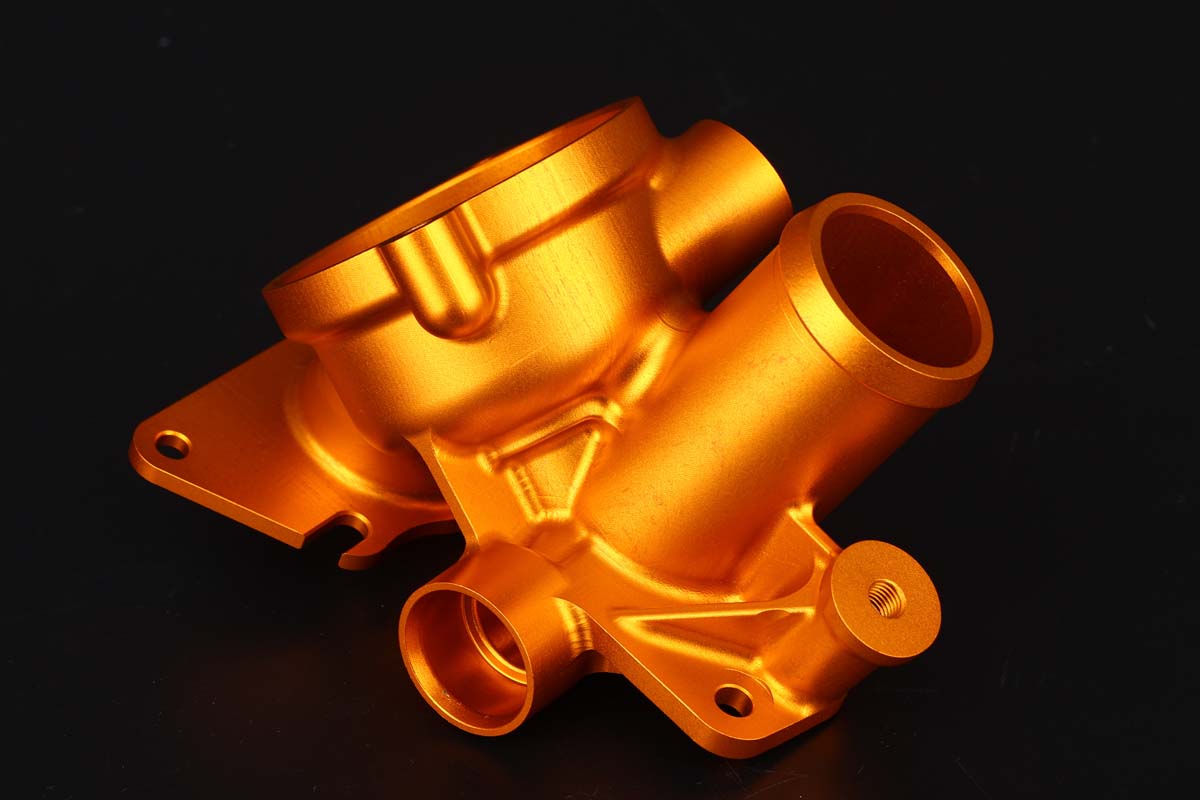
Bole Solutions delivers exactly that: engineering rigor, regional fluency, and unwavering accountability.
For companies seeking reliable, scalable, and insight-driven aluminum CNC machining solutions across Southeast Asia, Bole Solutions offers more than outsourcing—it delivers operational confidence.