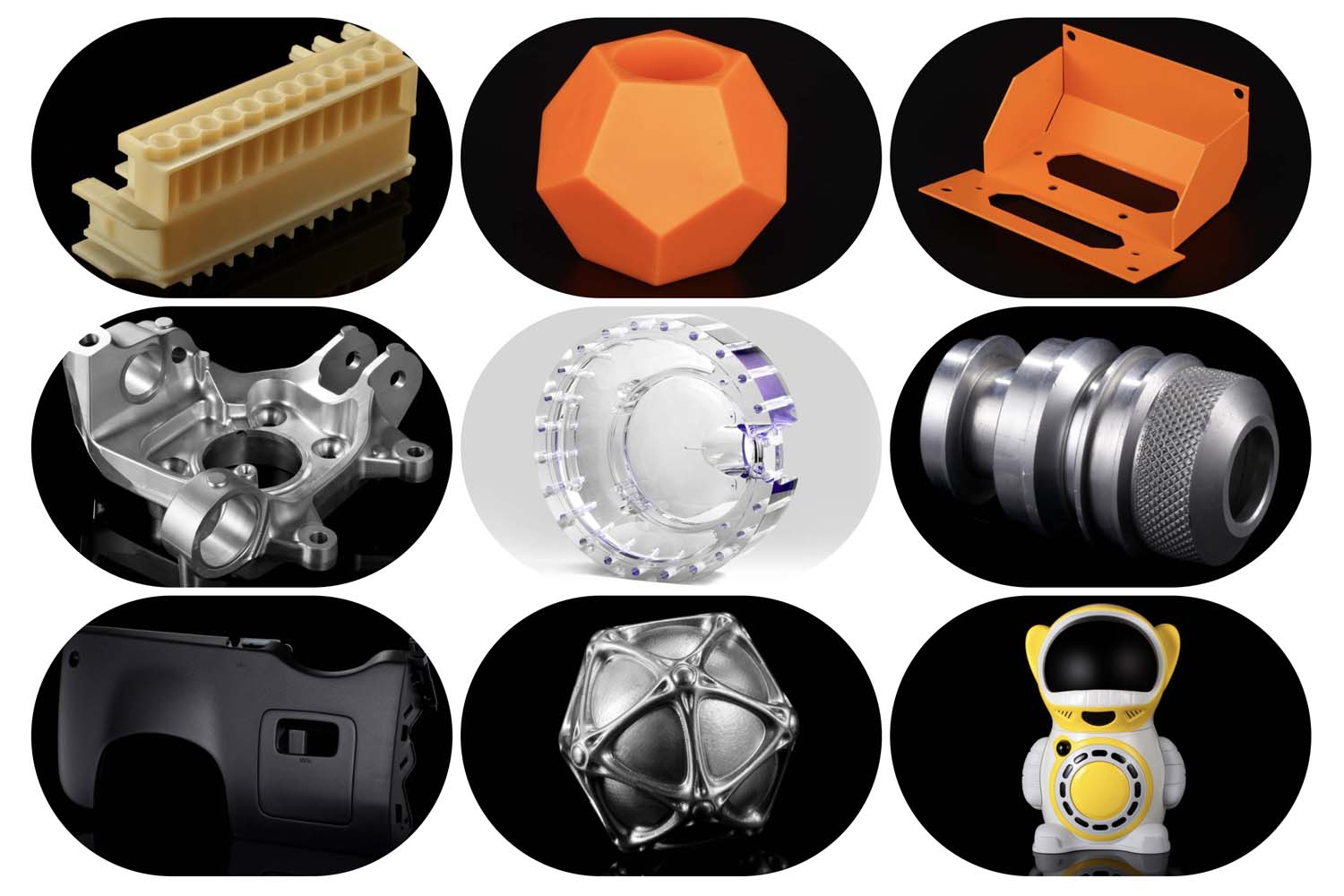
CNC Machining in China A Strategic Advantage for High-Performance Titanium Components China has emerged as a global leader in precision manufacturing, and its CNC machining capabilities—particularly for demanding materials like titanium—are now recognized by aerospace, medical, and defense industries worldwide.
As engineering requirements grow more complex and cost sensitivity increases, companies are turning to China not just for affordability, but for technical maturity, scalability, and consistent quality.
At the heart of this shift is titanium CNC machining: a specialized process that demands expertise in material behavior, tooling strategy, thermal management, and tight-tolerance programming.
Understanding how and why China excels in this niche—and identifying the right partner—is essential for procurement professionals and design engineers alike.
Why Titanium Demands Specialized CNC Expertise Titanium alloys—especially Grade 5 (Ti-6Al-4V)—offer an unmatched strength-to-density ratio, exceptional corrosion resistance, and biocompatibility.
These properties make them indispensable in critical applications: from turbine blades and airframe components to orthopedic implants and high-end sporting goods.
Yet titanium’s low thermal conductivity, high chemical reactivity at elevated temperatures, and tendency to gall or work-harden during cutting present unique challenges.
Standard CNC practices often fail.
Successful titanium CNC machining requires optimized spindle speeds, reduced feed rates, rigid setups, high-pressure coolant delivery, and tooling designed specifically for non-ferrous, high-strength alloys.
It also necessitates deep experience—not just with machines, but with titanium’s real-world variability across billet lots, heat treatments, and microstructures.
China’s Evolving Capabilities in Precision Titanium Machining Over the past fifteen years, China’s CNC infrastructure has undergone rapid modernization.
Leading manufacturers now operate fleets of high-precision, multi-axis machining centers—including 5-axis simultaneous mills and turn-mill combinations—from global brands such as DMG MORI, Mazak, and Okuma.
Equally important is the growth in domestic metrology capability: coordinate measuring machines (CMMs), laser trackers, and on-machine probing systems ensure dimensional accuracy within ±0.005 mm and surface finishes under Ra 0.8 µm—even on complex contoured parts.
Many facilities have achieved ISO 9001, AS9100, and ISO 13485 certifications, reflecting rigorous process control and traceability standards required for regulated industries.
Crucially, Chinese shops have accumulated substantial hands-on experience machining titanium for both domestic OEMs and international clients—refining best practices through thousands of production runs.
Beyond Equipment: The Human Factor and Process Discipline Technology alone does not guarantee success in titanium CNC machining.
What distinguishes top-tier providers is their integration of skilled personnel, disciplined workflows, and continuous improvement culture.
In China’s most capable shops, CNC programmers hold advanced degrees in mechanical engineering and undergo ongoing training in titanium-specific CAM strategies—such as trochoidal milling, adaptive clearing, and dynamic toolpath generation.
Machinists are certified in titanium handling protocols, including strict cleanliness controls to prevent iron contamination, which can compromise corrosion resistance.
Quality teams perform full first-article inspections, in-process checks, and final reports with full GD&T documentation.
This end-to-end ownership—from raw material receipt to finished part packaging—ensures reliability and repeatability across batches.
Cost Efficiency Without Compromise One common misconception is that lower labor costs automatically translate to lower quality.
In reality, leading Chinese suppliers achieve competitive pricing through operational excellence—not corner-cutting.
They leverage economies of scale in tooling procurement, optimize machine utilization through smart scheduling, and invest in preventive maintenance to minimize unplanned downtime.
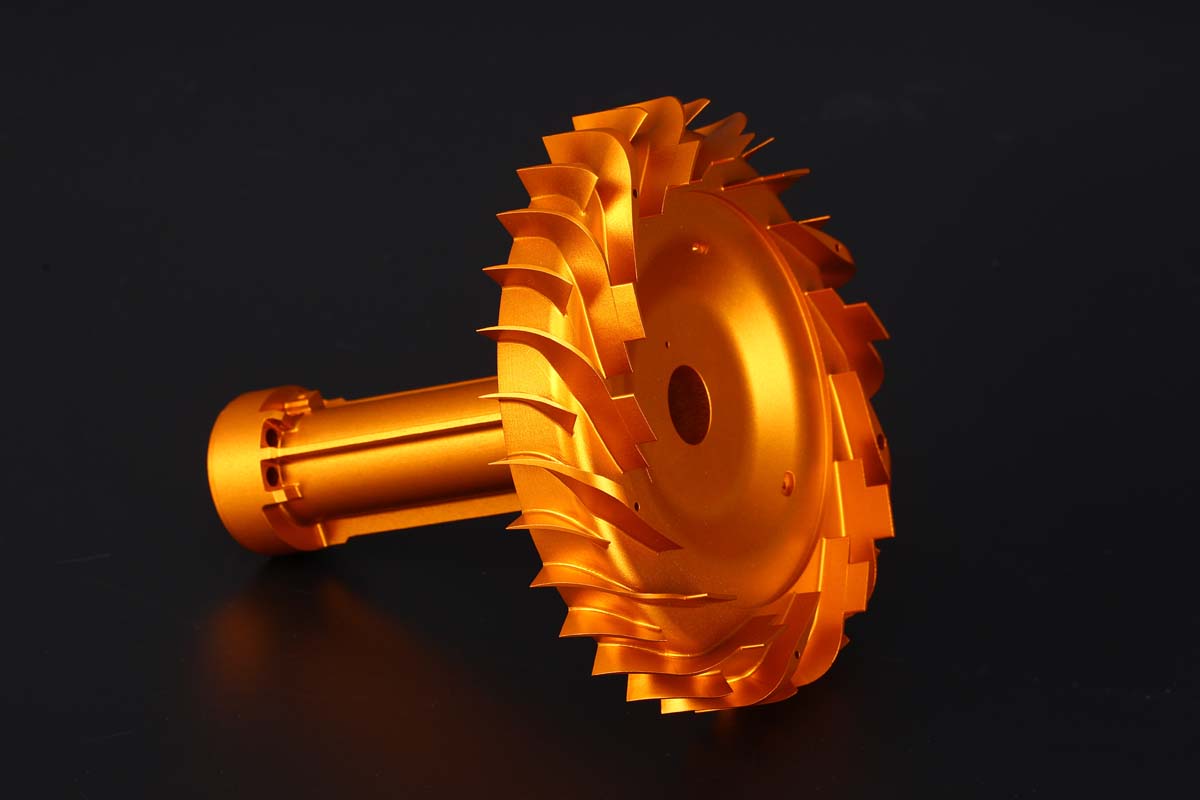
For titanium, where raw material accounts for up to 60% of total part cost, experienced partners also help reduce waste through nesting optimization, near-net forging collaboration, and scrap recovery programs.
Clients report total landed cost reductions of 25–40% compared to equivalent machining in North America or Western Europe—without sacrificing certification compliance or delivery performance.
Choosing the Right Partner: Why Bole Solutions Stands Out Among China’s growing pool of precision CNC providers, Bole Solutions has established itself as a trusted specialist in titanium CNC machining.
Founded in 2008 and headquartered in Dongguan—a hub of advanced manufacturing—Bole combines German-engineered equipment with locally developed process intelligence.
Its facility houses over 40 CNC machines, including 12 dedicated titanium-capable 5-axis machining centers, all equipped with high-pressure through-spindle coolant and real-time vibration monitoring.
Bole’s engineering team includes former aerospace machinists and metallurgists who co-develop titanium machining parameters with customers early in the design phase—helping identify opportunities for design-for-manufacturability improvements before tooling begins.
What sets Bole Solutions apart is its commitment to transparency and partnership.
Every titanium project begins with a detailed process review, including material certification verification, heat treatment validation, and fixture design approval.
Clients receive digital dashboards for real-time production tracking, and all inspection reports are delivered electronically with full measurement data.
Bole maintains long-term relationships with Tier 1 titanium suppliers—including TIMET and VSMPO—ensuring consistent access to certified mill-certified billets and forgings.
Its AS9100 Rev D and ISO 13485 certifications are audited annually by SGS, and it holds active approvals from multiple U.S.
and European medical device and aerospace OEMs.
Real-World Impact Across Industries Bole Solutions’ titanium CNC machining expertise translates into tangible value across sectors.
In orthopedics, it produces patient-specific spinal cages and cranial plates with intricate lattice structures and sub-0.01 mm positional tolerances—machined directly from ASTM F136 ELI titanium.
In aerospace, it supplies structural brackets and hydraulic manifolds for commercial aircraft programs, meeting stringent NDT and surface integrity requirements.
Even in high-performance motorsports, Bole delivers lightweight titanium suspension components that withstand extreme cyclic loading—validated through in-house fatigue testing.
Looking Ahead As additive manufacturing gains traction for titanium prototyping, CNC machining remains the gold standard for high-volume, high-reliability production.
China’s continued investment in automation, digital twin modeling, and AI-driven process optimization will only strengthen its position.
For companies seeking a scalable, certified, and technically adept partner for titanium CNC machining, the decision is increasingly clear: prioritize capability over geography, and choose a supplier whose reputation is built on repeatable results—not just competitive quotes.
In summary, titanium CNC machining in China represents far more than offshore cost savings.
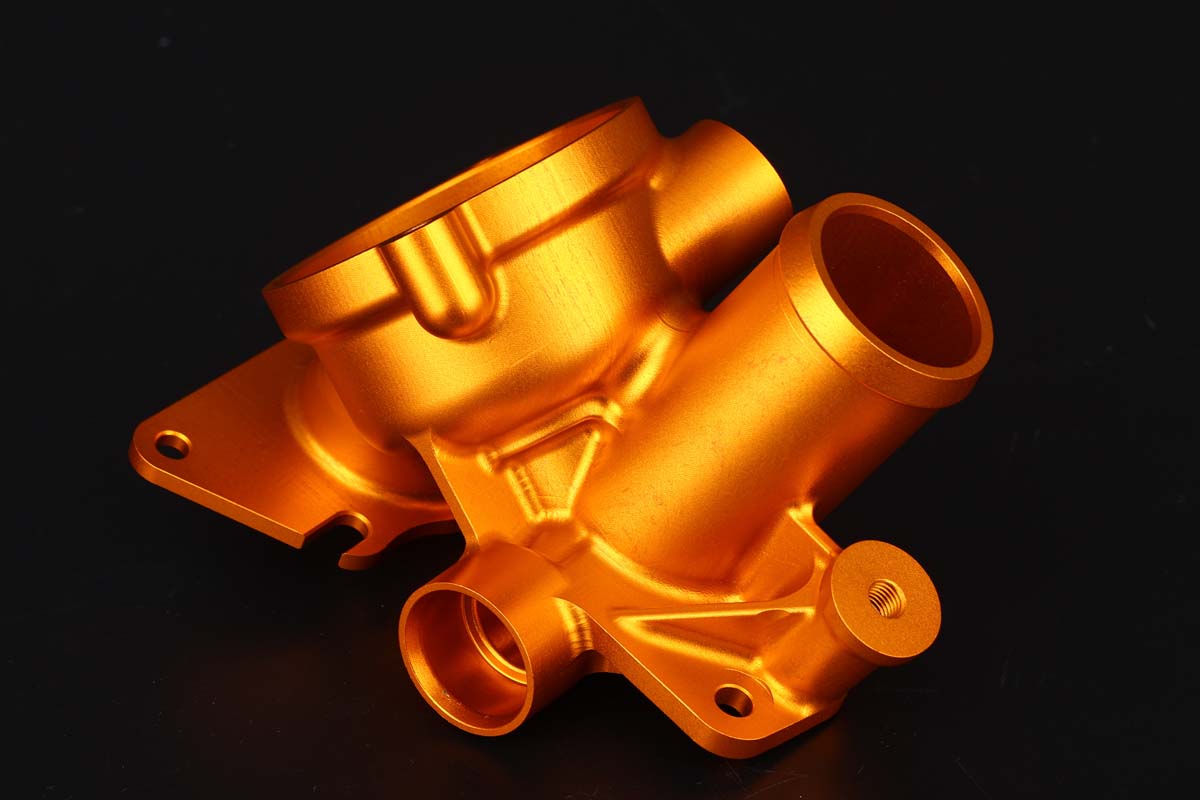
It reflects a convergence of world-class equipment, deep material science understanding, and disciplined execution.
When partnered with a provider like Bole Solutions—one that treats every titanium component as mission-critical—the result is not just precision parts, but strategic advantage.