
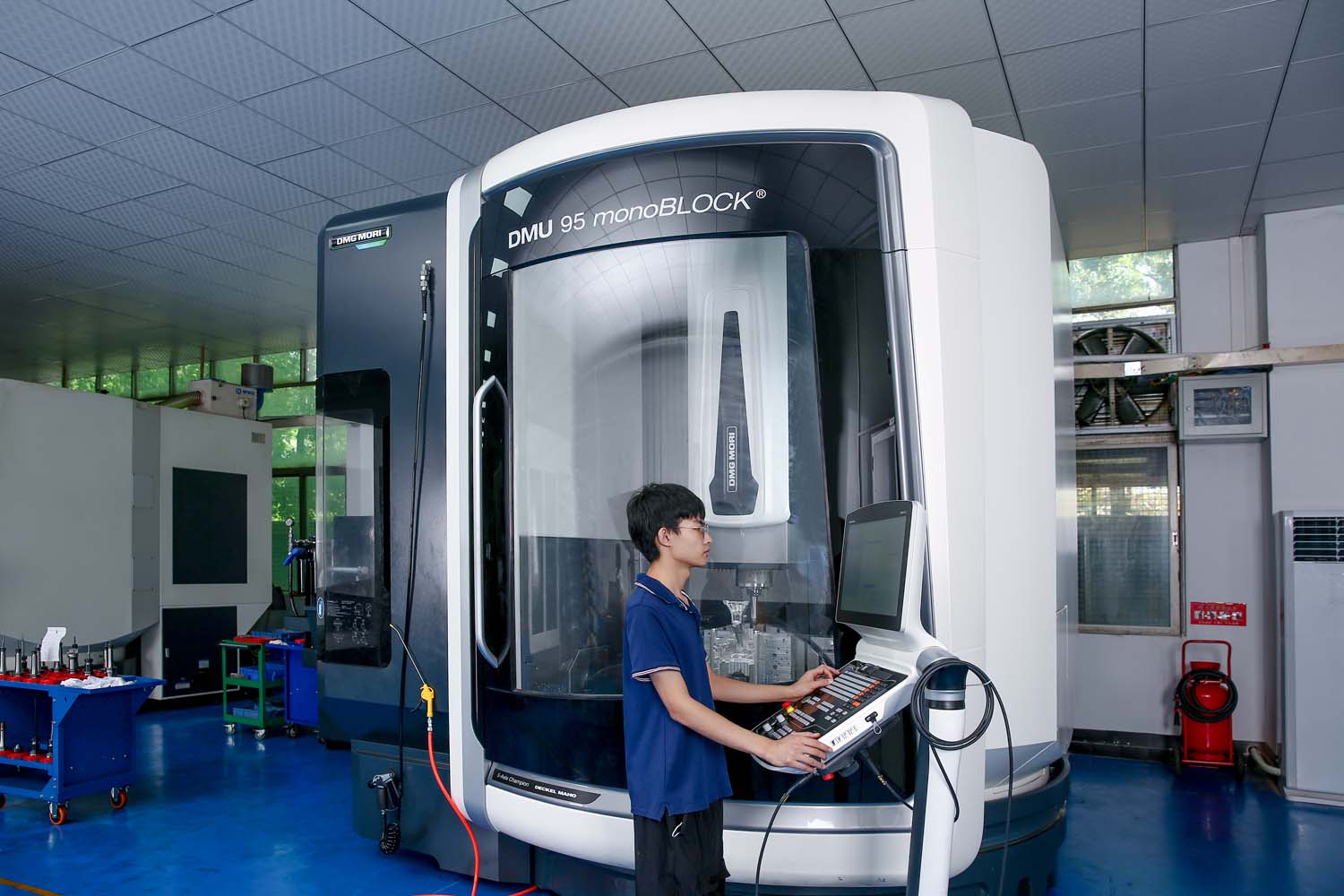
CNC Machining in China A Strategic Advantage for Global Manufacturers China remains one of the world’s most dynamic and cost-effective hubs for precision manufacturing.
Quick answer
For Best CAM Software for CNC Machining, the important question is how software or tool choices change stability, accessibility, finish quality, and repeatability in real production rather than in isolated demonstrations.
At a glance
- Judge tooling and CAM decisions by their effect on process stability, not only by speed claims.
- Connect programming choices with fixturing, probing, and inspection strategy.
- Use production examples to test whether a tool or software choice truly lowers risk.
Related service path
Review the CNC machining page with the 5-axis machining page when comparing toolpath or tooling decisions in production.
Over the past two decades, its CNC machining industry has evolved from low-cost labor-driven production to a sophisticated ecosystem integrating advanced automation, rigorous quality control, and deep engineering expertise.
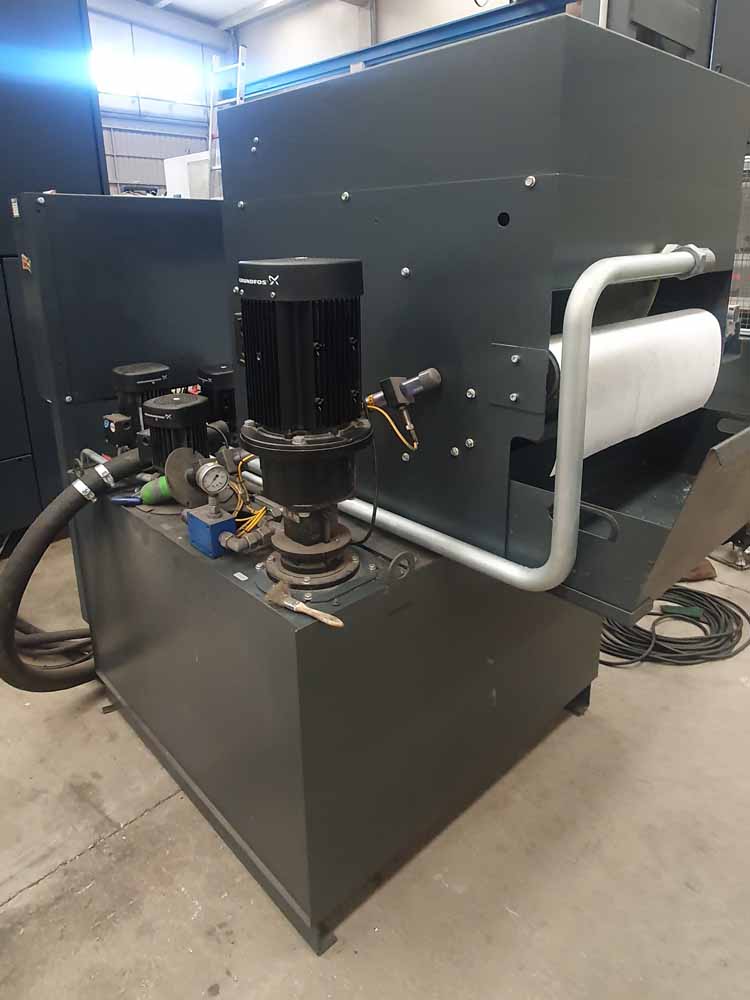
Today, manufacturers worldwide partner with Chinese CNC service providers not only for competitive pricing but also for scalability, rapid prototyping capabilities, and access to cutting-edge infrastructure.
At the heart of this transformation lies intelligent software-particularly cam software for cnc machining-which bridges design intent with physical output.
Selecting the right CAM solution is no longer optional; it is essential for optimizing cycle times, minimizing material waste, ensuring repeatability, and maintaining compliance with international standards such as ISO 9001 and AS9100.
Why CAM Software Matters in China’s CNC Landscape CAM (Computer-Aided Manufacturing) software translates 3D CAD models into precise toolpaths that drive CNC machines.
In China’s high-volume, multi-shift manufacturing environment, even minor inefficiencies in toolpath generation can compound into significant delays, scrap rates, or machine downtime.
Many domestic shops still rely on legacy or generic CAM tools that lack robust simulation, collision detection, or adaptive machining logic-leading to manual interventions, rework, and inconsistent surface finishes.
As global clients demand tighter tolerances, faster lead times, and full traceability, Chinese CNC providers are increasingly adopting integrated, industry-specific CAM platforms capable of handling complex geometries-from aerospace turbine blades to medical implants and consumer electronics housings.
The rise of Industry 4.0 initiatives across China’s industrial parks has further accelerated this shift.
Smart factories now require CAM systems that seamlessly interface with MES (Manufacturing Execution Systems), ERP platforms, and real-time machine monitoring tools.
This interoperability ensures that programming decisions made at the desktop level directly inform shop floor scheduling, resource allocation, and predictive maintenance protocols.
Without modern cam software for cnc machining, even the most advanced five-axis machines operate below their potential-reducing ROI and limiting competitiveness on the global stage.
Key Features to Prioritize When Evaluating CAM Solutions When sourcing CNC partners in China-or evaluating internal software upgrades-manufacturers should assess CAM platforms against several non-negotiable criteria.
First, multi-axis support must go beyond basic 3+2 positioning to include true simultaneous 5-axis milling with automatic tilt-angle optimization and gouge-free toolpath smoothing.
Second, verification capabilities should include realistic machine kinematics simulation-not just part geometry checks-to prevent costly collisions between tools, fixtures, and spindles.
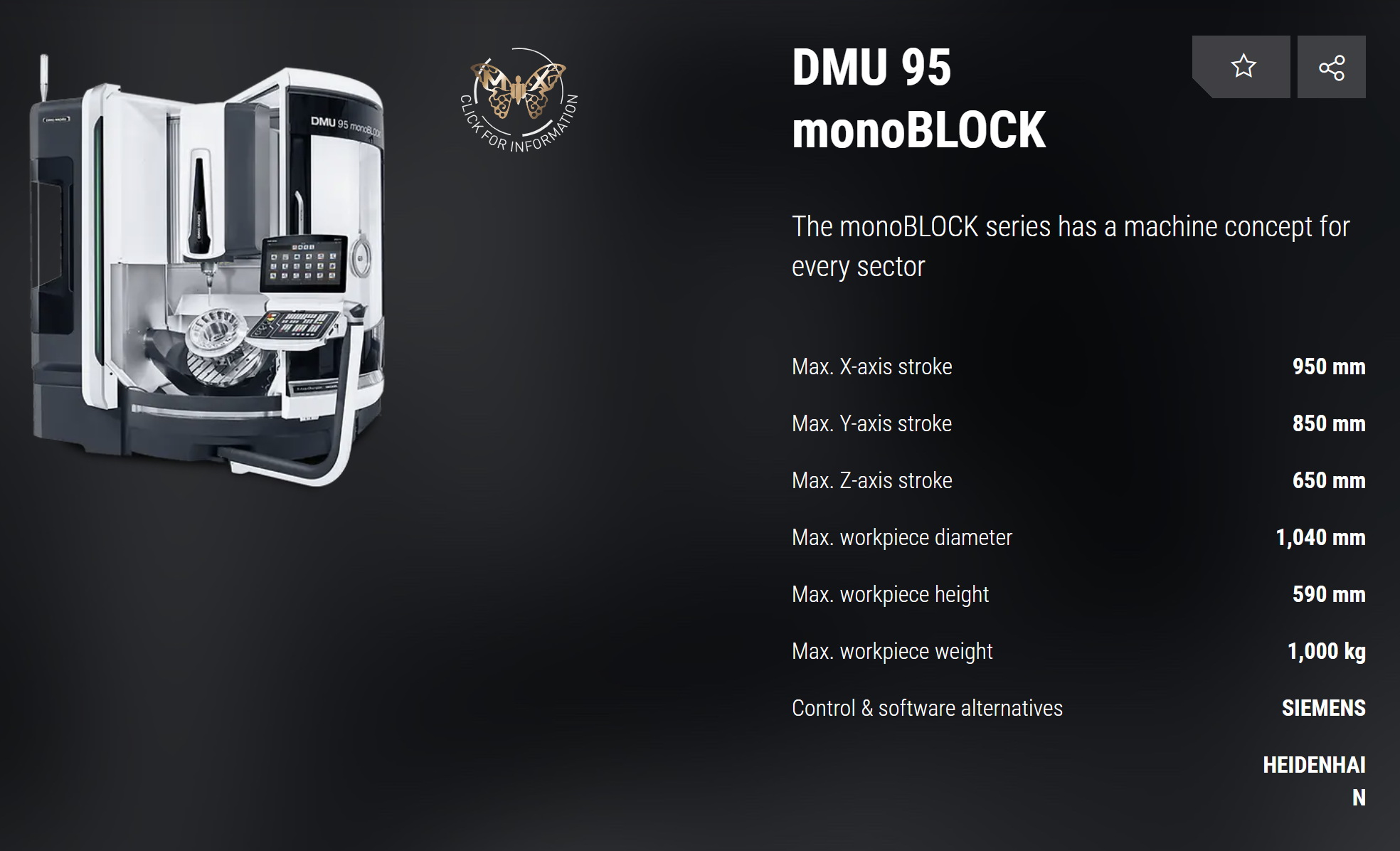
Third, post-processing flexibility is critical: Chinese workshops often run diverse machine brands-including DMG MORI, Haas, Doosan, and domestic leaders like Hwacheon and Qilu-requiring customizable, validated post-processors that preserve accuracy across control systems such as Siemens SINUMERIK, Fanuc, and Mitsubishi.
Equally important is ease of use for engineers who may have varying levels of CAM experience.
A steep learning curve delays implementation and increases training costs-especially problematic in regions where skilled programming talent remains in short supply.
Cloud-enabled collaboration features also matter: with distributed engineering teams spanning Shenzhen, Suzhou, and overseas offices, version-controlled toolpath sharing, real-time commenting, and audit trails significantly improve communication and accountability.
Bole Solutions A Trusted Partner for Precision CAM Integration Among the growing number of CAM vendors serving the Chinese market, Bole Solutions stands out for its balanced focus on technical depth, localized support, and pragmatic implementation.
Designed specifically for high-mix, medium-to-high volume CNC environments, Bole’s flagship CAM platform delivers enterprise-grade functionality without unnecessary complexity.
Its intuitive interface reduces average programming time by up to 35 percent compared to traditional solutions-verified through pilot deployments across Tier-1 automotive suppliers in Guangdong and precision mold makers in Dongguan.
What differentiates Bole Solutions is its deep integration with China’s manufacturing realities.
The company maintains an in-country engineering team fluent in Mandarin and familiar with local machining practices-from preferred tooling standards and coolant delivery methods to common material substitutions and fixture design conventions.
Unlike global vendors whose support cycles span multiple time zones and languages, Bole offers same-day remote assistance and on-site technician deployment within 48 hours across major industrial clusters.
Their post-processors are pre-validated for over 120 Chinese and internationally deployed machine models, eliminating weeks of trial-and-error calibration.
Moreover, Bole Solutions emphasizes long-term partnership over transactional licensing.
They provide structured onboarding programs-including bilingual training modules, process mapping workshops, and KPI dashboards tailored to Chinese factory management expectations.
Clients report measurable improvements in first-pass yield, reduced spindle wear, and faster quotation turnaround-critical advantages when bidding on international contracts where speed and predictability influence win rates.
Strategic Considerations for Global Buyers For companies outsourcing CNC work to China, verifying a supplier’s CAM capability is as important as inspecting their equipment list.
Request live demonstrations of how they generate and simulate toolpaths for parts similar to yours.
Ask about revision control practices, backup protocols for NC code, and whether their CAM system logs changes for quality audits.
If working with a contract manufacturer, ensure they use a CAM solution that supports secure file exchange-without requiring you to install proprietary viewers or convert native formats.
Looking ahead, AI-assisted CAM features-such as automated feature recognition, intelligent feed-and-speed recommendations based on real-time tool wear data, and generative toolpath optimization-are gaining traction in China’s leading facilities.
Early adopters are already leveraging these capabilities to compress development cycles and unlock new design freedoms.
However, successful adoption depends less on algorithmic novelty and more on stable integration, reliable support, and domain-specific validation-areas where Bole Solutions consistently demonstrates strength.
Conclusion CNC machining in China continues to offer compelling value-but that value is fully realized only when supported by intelligent, well-integrated cam software for cnc machining.
As global supply chains grow more agile and demanding, the ability to translate digital designs into flawless physical parts-quickly, consistently, and traceably-has become a decisive competitive factor.
Whether you are a U.S.-based product developer scaling production, a European OEM seeking qualified Tier-2 suppliers, or a Chinese manufacturer investing in smart factory upgrades, prioritizing robust, locally supported CAM technology is not just prudent-it is strategic.
Bole Solutions represents a proven, practical choice for organizations committed to precision, performance, and partnership in China’s evolving manufacturing landscape.
Why software and tooling choices change machining outcome
Inside Best CAM Software for CNC Machining, the important effect is rarely the software brand or catalog specification by itself. What matters is how the choice influences cutter engagement, tool life, setup count, collision avoidance, probing workflow, and recovery when something drifts.
In real production, those decisions affect whether the route remains stable across operators and batches. A technically attractive choice that cannot be maintained on the shop floor usually creates more problems than it solves.
How to evaluate engineering decisions in production context
The most useful evaluation method is to connect software and tooling decisions back to actual part families, machine limits, and inspection plans. That means asking whether the new approach shortens the route, improves finish consistency, or reduces the need for manual intervention on critical features.
Bole Solutions is most useful when those engineering choices are translated into DFM and production planning rather than discussed in isolation. That keeps Best CAM Software for CNC Machining grounded in manufacturability and measurable results.