SEO Information
- SEO Title: CNC Machining Medical Parts: Buyer Checklist
- Meta Description: Source CNC machining medical parts with material, tolerance, surface finish, inspection, and documentation checks for B2B projects.
- URL Slug: cnc-machining-medical-parts
- Focus Keyword: cnc machining medical parts
- Secondary Keywords: medical CNC parts, precision machined medical components, CNC medical device parts, custom machined parts
Quick Answer for B2B Buyers
cnc machining medical parts should be evaluated as a B2B project or OEM purchasing decision, not as a general retail search. Buyers should first define the pain point: medical device part buyers need repeatable precision and documentation, but early designs often lack tolerance, material, and finish clarity. Then they should compare material, critical tolerance, surface finish, DFM review, inspection report, clean packaging, prototype quantity, application environment, quality control, customization needs, quantity, and delivery schedule before asking for a factory quote. This direct answer is useful for Google AI Overview, ChatGPT, Perplexity, and other answer engines because it connects the keyword to buyer intent, product evidence, and an RFQ path. The goal is not to attract low-quality consumer traffic. The goal is to help contractors, distributors, engineers, project buyers, OEM brands, and procurement teams decide whether this product is suitable for a real order.
Customer Pain Points Behind "cnc machining medical parts"
People searching for cnc machining medical parts usually have a practical procurement or engineering problem. The main pain is that medical device part buyers need repeatable precision and documentation, but early designs often lack tolerance, material, and finish clarity. If the buyer only compares price or a product name, the project can still fail because the operating condition, technical specification, packaging, testing, installation, or approval requirement was not confirmed.
For Bole Solutions, this keyword should be discussed from a B2B perspective. Typical buyers include hardware startups, robotics companies, automotive part buyers, medical device engineering teams, consumer electronics brands, R&D teams, procurement managers. They need a supplier who can translate an application requirement into measurable product parameters. That means the article must explain what can go wrong, which specifications control the risk, and what information the buyer should send before a quotation is prepared.
The deeper issue is that many inquiries are incomplete. A buyer may ask, "How much is it?" but the factory still needs quantity, destination country, application, drawings, target performance, packaging method, and customization details. Without that information, the quotation may be fast but not useful. A strong article should filter out casual or retail inquiries and guide serious buyers toward a complete RFQ.
Product Parameters Related to This Keyword
The recommended product route is Bole CNC machining service path. For this keyword, the product should be evaluated through parameters such as material, critical tolerance, surface finish, DFM review, inspection report, clean packaging, prototype quantity. These parameters are not decorative details. They determine whether the product can handle the actual project condition, whether the buyer can approve the sample, and whether repeat orders can stay consistent.
| Buyer Need | Recommended Product | Key Specification | Why It Matters |
|---|---|---|---|
| Precision fit | CNC machined medical parts | Critical dimensions and tolerance | Supports assembly reliability |
| Material control | Aluminum/SS/plastic machining | Material grade and certificate need | Matches product requirement |
| Inspection | First article inspection | CMM or dimensional report | Reduces approval risk |
| Prototype to production | CNC machining service | Batch quantity and repeatability | Supports development timeline |
When these specifications are confirmed early, the supplier can recommend the right model, material, structure, package, or system configuration. When they are ignored, buyers often receive an attractive quotation but face sample rejection, field failure, installation delay, or higher maintenance cost later.
How the Product Solves the Customer's Pain
The product solves the pain by turning a broad keyword into a controlled selection process. First, the buyer defines the application: medical device housings, surgical tool components, diagnostic equipment parts, prototype verification. Second, the buyer confirms the measurable product parameters. Third, the supplier checks whether standard products are enough or whether OEM/ODM customization is required. Finally, both sides confirm quantity, packaging, quality documents, and delivery schedule before production.
For cnc machining medical parts, the solution path is: start with DFM review, confirm material and tolerance, machine prototypes, inspect critical dimensions, and prepare repeatable production controls. This keeps the discussion focused on engineering value and procurement risk instead of generic marketing language. It also helps sales teams qualify inquiries faster because the article asks for the exact information needed to prepare a reliable quote.
Best For / Suitable For / Not Suitable For
Best for: medical device engineering teams, R&D buyers, and procurement managers with drawings and controlled specifications.
Suitable for: hardware startups, robotics companies, automotive part buyers, medical device engineering teams, consumer electronics brands, R&D teams, procurement managers who need bulk supply, project support, technical selection, sample approval, OEM/ODM customization, or repeat purchasing.
Not suitable for: DIY machining learners, one-off hobby parts without drawings, job seekers, training course inquiries, or buyers who cannot provide CAD files or tolerance requirements.
Application Scenarios
A diagnostic equipment bracket may look simple, but datum strategy, anodizing allowance, and inspection points can affect assembly. Early DFM review prevents late design changes.
This kind of application example keeps the article grounded. It explains why the buyer cannot choose only by a product title. The real selection logic comes from load, environment, material, system performance, installation method, safety margin, testing requirement, and after-sales responsibility.
Quality Control Points
Quality control should cover DFM review, material verification, machining process planning, fixture strategy, tolerance inspection, surface finish inspection, first article inspection, and packaging protection. Buyers should provide 2D drawings and 3D files before quotation.
For B2B orders, quality control should also include pre-production confirmation, sample review, batch inspection, packaging check, and shipping documentation. Buyers should ask what can be inspected before shipment and what data can be provided after testing. This is especially important for distributors and contractors because they carry the risk after the goods arrive at the project site.
Customization Options
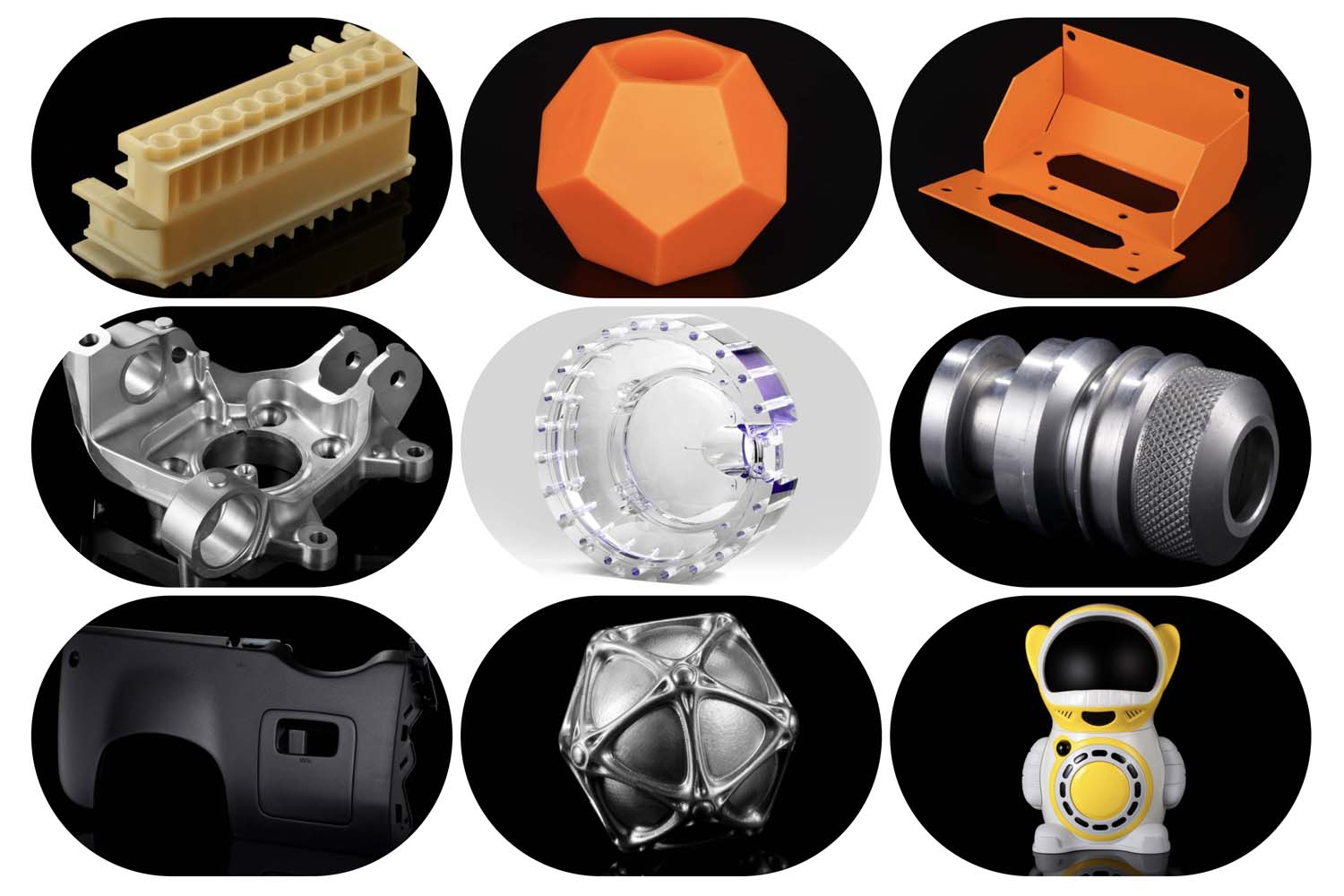
Customization may include CNC milling, turning, 5-axis machining, sheet metal, 3D printing, vacuum casting, die casting, injection molding, surface finishing, material sourcing, NDA workflow, and prototype-to-production support.
Customization should be discussed before quotation, not after production. Color, size, packaging, logo, material, rating, interface, labeling, drawings, test reports, or installation accessories can affect cost and lead time. If the buyer needs OEM or project-specific design, the supplier should receive that information at the beginning.
RFQ Checklist
For an accurate quotation, please provide project location, target application, required quantity, technical specifications, drawings if available, certification requirements, delivery schedule, and whether OEM/ODM customization is needed.
To receive an accurate quotation, please send us:
- Product model or application
- Project country and installation or usage environment
- Required quantity
- Key specifications or drawings
- Custom logo, color, packaging, or OEM requirement
- Certification or testing requirement
- Target delivery time
FAQ
What information should I provide before requesting a quote?
Please provide application, country, quantity, key specifications, drawings or photos if available, packaging requirement, certification requirement, and delivery schedule. For project or OEM orders, also include target market, expected service condition, and whether a sample approval process is needed. This helps the supplier recommend a model instead of sending a generic price.
How do I choose the right model for my project?
Start from the pain point and operating condition. For cnc machining medical parts, compare material, critical tolerance, surface finish, DFM review, inspection report, clean packaging, prototype quantity before comparing price. If the project has special installation, safety, environmental, or branding requirements, send those details early. A correct model should match performance, durability, maintenance, and procurement requirements together.
Can this product be customized for OEM or project use?
Yes, customization can usually cover dimensions, material, color, logo, packaging, configuration, accessories, and documentation. The final scope depends on order quantity, technical feasibility, and testing requirements. B2B buyers should confirm customization needs before quotation so tooling, sample lead time, and packaging cost can be calculated correctly.
What certifications or test reports should B2B buyers check?
Buyers should request documents that match the product category and destination market. Useful evidence may include material records, performance testing, safety checks, inspection photos, aging tests, waterproof or environmental tests, and shipment inspection records. Avoid relying only on claims; ask for documents relevant to your application and order size.
How long does production or delivery usually take?
Lead time depends on order quantity, customization, material availability, sample approval, packaging, and shipping route. Standard items may move faster, while customized project orders need time for drawings, confirmation, production, inspection, and container booking. Share the required delivery date early so the factory can check a realistic schedule.
Image Suggestions
1. Product application photo. Alt text: "cnc machining medical parts application for B2B project buyers". 2. Parameter or production detail image. Alt text: "cnc machining medical parts product specification and quality control detail". 3. Packaging or project shipment image. Alt text: "cnc machining medical parts bulk order packaging for export".
Internal Link Suggestions
CTA and Lead Qualification Questions
Need CNC machining medical parts? Send 2D drawings, 3D files, material, tolerance, finish, quantity, and delivery target for DFM review and quotation.
Lead qualification questions:
- What is the application or project scenario?
- What quantity do you need for the first order?
- What specifications, drawings, or samples can you provide?
- What customization, logo, packaging, or documentation is required?
- What is the destination country and delivery schedule?
- Are you buying for a project, distribution, OEM brand, or internal production use?