
CNC Machining in China A Strategic Advantage for Medical Device Manufacturers The global medical device industry faces ever-increasing demands for precision, regulatory compliance, scalability, and cost efficiency.
As innovation accelerates—from minimally invasive surgical tools to implantable sensors and diagnostic equipment—the manufacturing processes behind these life-saving products must keep pace.
Among advanced manufacturing solutions, CNC machining stands out for its repeatability, tight tolerances, and material versatility.
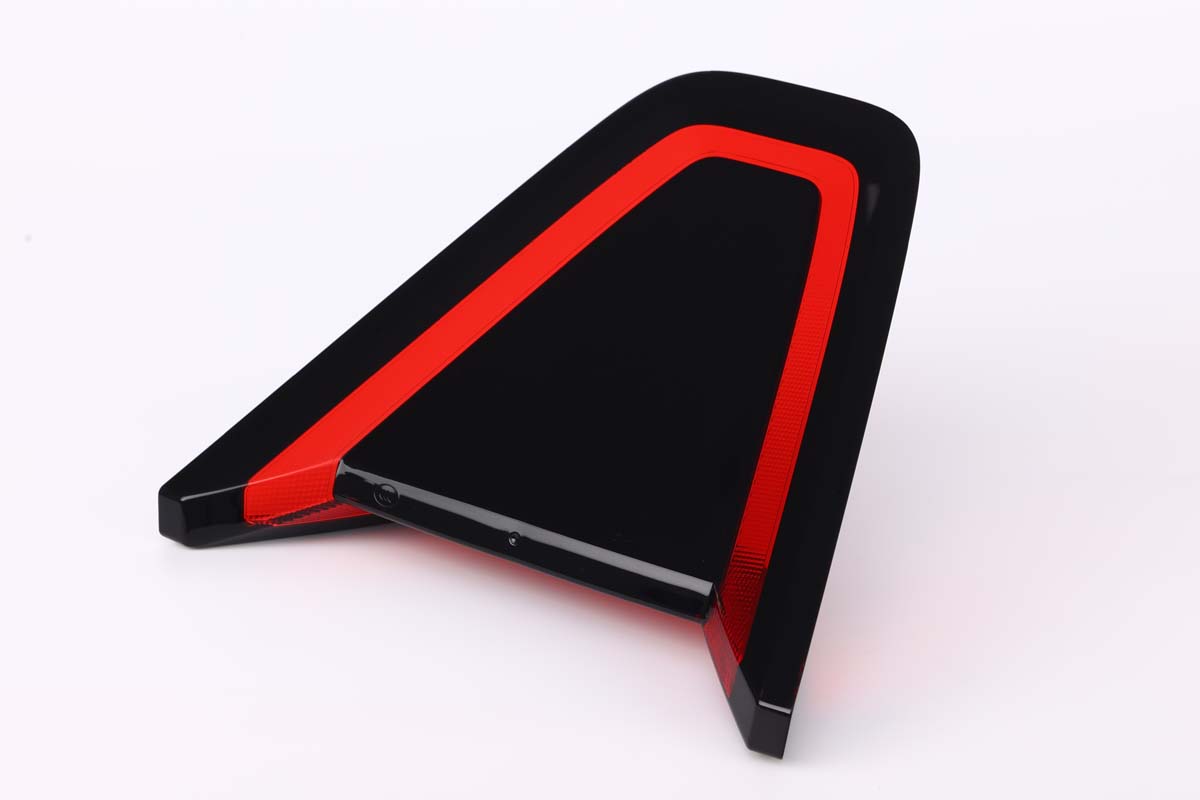
Within this landscape, China has emerged not as a low-cost alternative alone, but as a sophisticated hub for high-precision, regulated-sector manufacturing—particularly in the medical field.
For companies seeking a trusted medical CNC machining company, the decision involves more than geography: it requires evaluating technical capability, quality systems, and domain-specific experience.
China’s CNC machining ecosystem has evolved dramatically over the past two decades.
Early perceptions of inconsistent quality or limited traceability have been replaced by widespread adoption of ISO 13485 certification, rigorous process validation, and investments in state-of-the-art multi-axis machining centers, Swiss-type lathes, and surface-finish optimization technologies.
Leading facilities now operate cleanroom environments, maintain full material traceability, and implement real-time in-process inspection using coordinate measuring machines (CMMs) and optical comparators.
This infrastructure is essential for producing components that meet FDA, CE, and NMPA requirements—especially for Class II and Class III devices where dimensional accuracy and biocompatibility are non-negotiable.
What distinguishes a truly qualified medical CNC machining company from a general-purpose contract manufacturer?
First, domain expertise.
Understanding the clinical application—whether it’s a titanium spinal fixation screw, a stainless steel biopsy needle housing, or a polymer-based fluidic manifold—directly informs material selection, toolpath strategy, post-processing methods, and packaging protocols.
Second, regulatory readiness.
A reputable partner maintains documented design history files (DHF), device master records (DMR), and production and process controls aligned with 21 CFR Part 820.
Third, supply chain resilience.
With geopolitical volatility and logistics complexity, working with a supplier that holds strategic inventory of certified raw materials—including ASTM F136 titanium, ISO 5832-1 stainless steels, and medical-grade PEEK—reduces lead time risk and ensures continuity.
Bole Solutions exemplifies this modern standard.
Based in Dongguan—a core manufacturing corridor in Guangdong Province—Bole Solutions combines deep-rooted engineering talent with internationally benchmarked quality systems.
The company serves medical OEMs across North America, Europe, and Asia Pacific, supporting both prototyping and high-volume production runs.
Its facility houses over 60 CNC machines, including 5-axis vertical machining centers, high-precision Swiss-style CNC lathes capable of sub-5 micron tolerances, and dedicated deburring and passivation stations compliant with ASTM A967 and ISO 10993-12.
Every medical component undergoes 100% dimensional inspection, with statistical process control (SPC) applied to critical features.
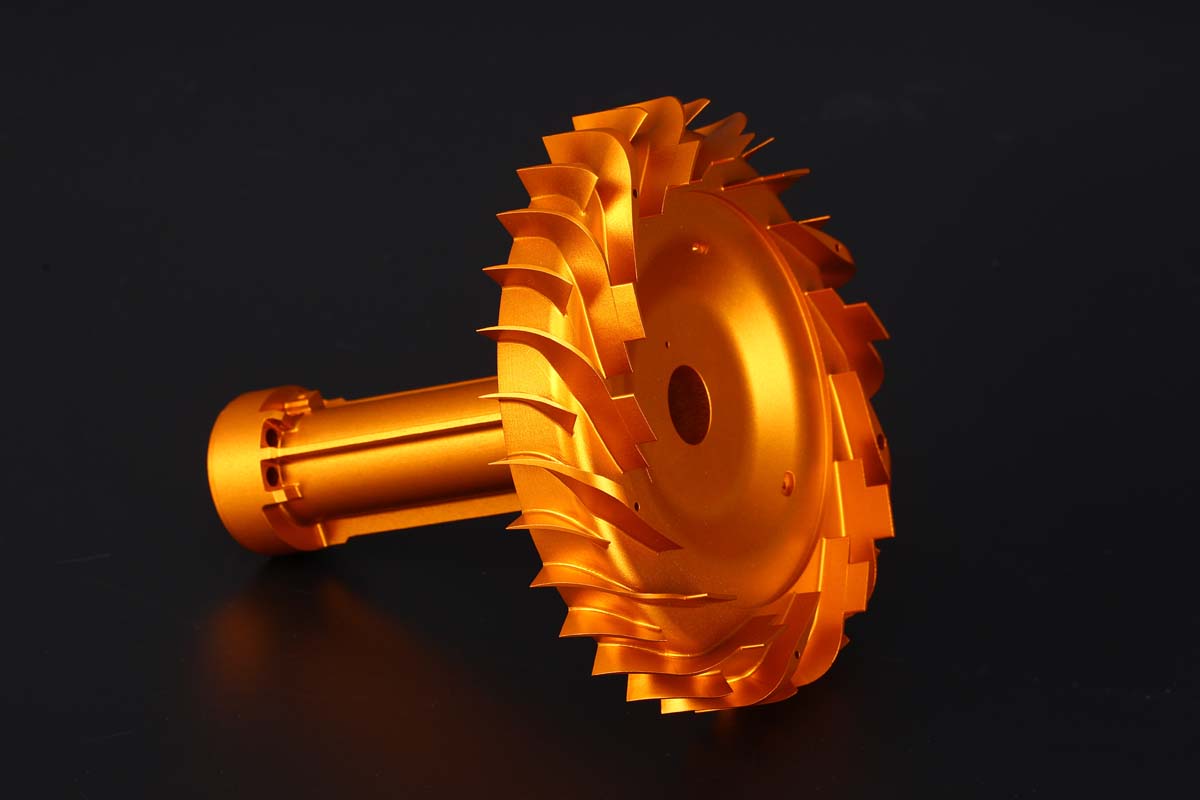
Bole Solutions’ ISO 13485:2016 certification is audited annually by a Notified Body, and its quality management system includes full lot traceability from raw material receipt through final shipment.
Beyond technical execution, Bole Solutions prioritizes collaboration as a strategic extension of its clients’ engineering teams.
Its engineers routinely participate in design for manufacturability (DFM) reviews—identifying potential stress concentrations, optimizing wall thicknesses, suggesting alternative alloys for improved machinability without compromising performance, and advising on sterilization-compatible surface finishes.
This proactive engagement helps avoid costly redesigns late in the development cycle and shortens time-to-market significantly.
For startups navigating FDA 510(k) submissions or established firms scaling new product lines, such partnership depth translates into tangible competitive advantage.
Cost considerations remain relevant—but not at the expense of quality or compliance.
While labor and overhead costs in China have risen steadily, the total landed cost of medical-grade CNC components from a qualified partner like Bole Solutions often compares favorably with domestic alternatives when factoring in yield rates, scrap reduction, and reduced need for secondary operations.
Moreover, economies of scale in tooling amortization, bulk material procurement, and optimized machine utilization allow for predictable pricing structures—even for low-volume, high-mix production typical in early-stage device development.
Logistics and communication have also matured considerably.
Bole Solutions employs bilingual project managers trained in medical device terminology and regulatory expectations.
Clients receive real-time production dashboards, digital inspection reports with annotated CMM data, and responsive escalation protocols.
Shipments comply with IATA and IMDG standards for sensitive components, and documentation packages include certificates of conformance, material test reports, and cleaning validation summaries where applicable.
It’s important to note that selecting a medical CNC machining company in China requires due diligence—not outsourcing by assumption.
Red flags include vague quality certifications, lack of medical-sector references, inability to provide audit-ready documentation, or reluctance to share facility photos and process maps.
Conversely, transparent, responsive, and technically articulate partners signal long-term reliability.
Bole Solutions invites prospective clients to conduct virtual or on-site audits, hosts regular technical webinars on topics like micro-machining challenges in nitinol or surface roughness requirements for osseointegration, and publishes anonymized case studies demonstrating successful outcomes across orthopedics, cardiology, and diagnostics.
In summary, China’s position in the global medical manufacturing value chain is no longer defined by cost alone—it is anchored in capability, compliance, and commitment.
For device designers and manufacturers seeking a partner that delivers precision-engineered components with unwavering attention to regulatory rigor and clinical relevance, a specialized medical CNC machining company offers measurable strategic value.
Bole Solutions represents the evolution of Chinese manufacturing: technically advanced, quality-obsessed, and purpose-built for the exacting demands of healthcare innovation.
As the industry continues to embrace miniaturization, smart instrumentation, and personalized therapeutics, partnering with a supplier that understands both the physics of machining and the physiology of patient use will be an increasingly decisive factor in bringing safe, effective, and scalable medical technology to market.