
CNC Machining Milling in China A Strategic Advantage for Global Manufacturers China has emerged as a global powerhouse in precision manufacturing, and CNC machining milling stands at the heart of this transformation.
As industries from aerospace and medical devices to automotive and consumer electronics demand tighter tolerances, faster turnaround, and scalable production, companies worldwide are turning to Chinese CNC machining providers—not just for cost efficiency, but for technical capability, infrastructure maturity, and supply chain integration.
Understanding how CNC machining milling operates in China—and how to select the right partner—is essential for procurement managers, product designers, and engineering leaders seeking reliable, high-quality component production.
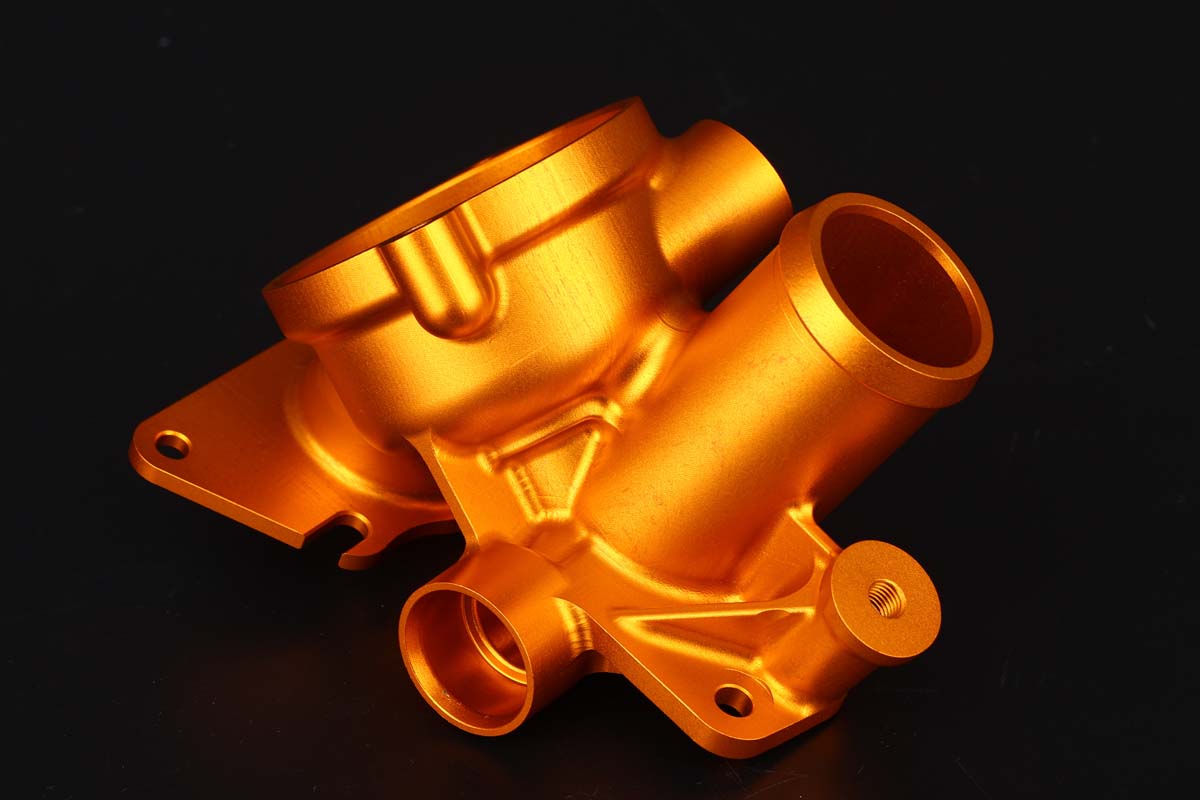
What Is CNC Machining Milling?
CNC machining milling is a subtractive manufacturing process that uses computer-controlled rotating cutting tools to remove material from a workpiece with exceptional precision.
Unlike manual milling, CNC milling relies on digital design files—typically CAD models converted to G-code—to automate toolpaths, spindle speeds, feed rates, and coolant application.
This ensures repeatability across hundreds or thousands of parts, maintains micron-level tolerances (often ±0.005 mm), and accommodates complex geometries such as undercuts, pockets, contours, and multi-axis features.
In China, modern CNC milling facilities routinely deploy 3-, 4-, and 5-axis vertical and horizontal machining centers, many equipped with probing systems, automatic tool changers, and real-time monitoring software—all calibrated to international standards like ISO 9001 and ISO 13485 where applicable.
Why China for CNC Machining Milling?
Several interlocking advantages make China a compelling destination.
First, the country hosts one of the world’s most concentrated ecosystems of machine tool manufacturers, component suppliers, and skilled technicians.
Cities like Dongguan, Shenzhen, Suzhou, and Ningbo form industrial clusters where raw materials, heat treatment, surface finishing, and quality inspection services are available within hours—not days.
Second, China’s investment in advanced manufacturing over the past two decades has yielded widespread adoption of high-precision Japanese, German, and domestic CNC machines—including brands like DMG Mori, Makino, Doosan, and Haas—many operating in climate-controlled, ISO-certified clean rooms.
Third, labor expertise is deep and growing: vocational schools and regional training centers produce thousands of certified CNC programmers and machinists annually, many with experience supporting Tier 1 OEMs and export-oriented contract manufacturers.
It is important to note, however, that not all Chinese CNC providers deliver equal value.
Price-driven sourcing without due diligence can lead to inconsistent quality, communication gaps, extended lead times, or compliance risks—especially for regulated sectors.
The key differentiator lies not in geography alone, but in operational discipline: documented processes, traceable material sourcing, robust QA protocols, and transparent project management.
Bole Solutions: Precision CNC Machining Milling with Global Standards Among China-based CNC machining partners, Bole Solutions distinguishes itself through a balanced commitment to technology, transparency, and partnership.
Headquartered in Dongguan—a city widely regarded as the “world’s factory floor”—Bole Solutions operates an ISO 9001-certified facility equipped with over 60 CNC milling machines, including 5-axis machining centers capable of simultaneous multi-surface operations.
What sets Bole apart is its integrated approach: rather than functioning solely as a job shop, it engages early in the design-for-manufacturability (DFM) phase, offering engineering feedback to optimize part geometry, reduce cycle time, and avoid costly rework.
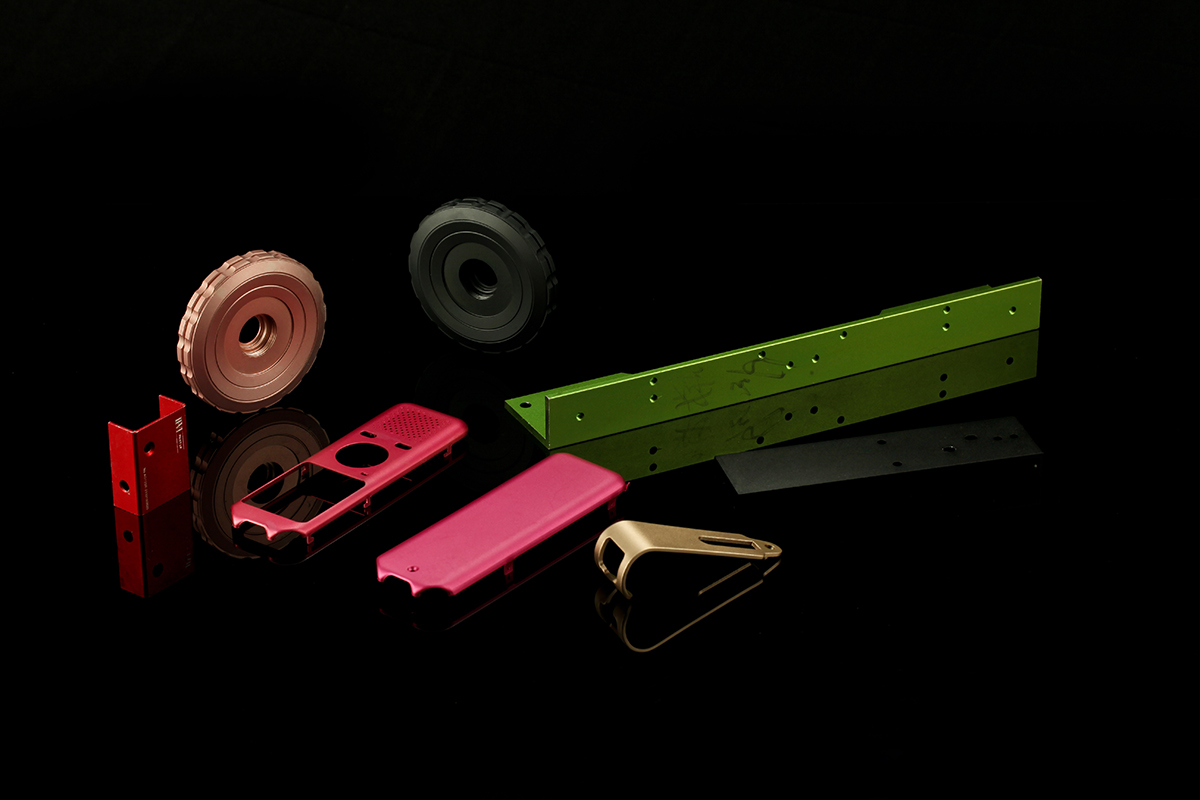
Bole Solutions’ CNC machining milling services cover a full spectrum—from rapid prototyping with aluminum, brass, stainless steel, and titanium to low-volume pilot runs and high-volume production.
Its quality assurance system includes CMM inspections, surface roughness testing, hardness verification, and first-article reports compliant with AS9102 for aerospace clients.
For medical device manufacturers, Bole maintains dedicated clean-room milling lines and supports full documentation packages required under FDA 21 CFR Part 820 and MDR Annex II.
Crucially, Bole Solutions invests heavily in communication infrastructure.
Clients receive real-time updates via a secure portal, including digital work instructions, live shop-floor photos, and inspection certificates.
English-speaking engineering teams are assigned per project—not rotated—ensuring continuity and contextual understanding.
Lead times are consistently met, with standard milling orders shipped in 7–12 business days for prototypes and 15–25 days for production batches, depending on complexity and volume.
Strategic Considerations When Sourcing CNC Machining Milling in China Before engaging any supplier, buyers should evaluate several criteria beyond price.
Material traceability is non-negotiable: reputable providers maintain mill test reports and lot numbers for every bar, plate, or billet used.
Process validation matters too—ask whether the supplier conducts trial runs, tool wear analysis, and in-process dimensional checks.
Also consider logistics integration: does the partner offer consolidated shipping, customs documentation support, and DDP or DDU options?
Finally, assess responsiveness.
A qualified CNC machining milling provider should provide detailed quotations—including setup fees, programming charges, and NRE costs—within 48 hours and respond to technical queries within one business day.
The Future of CNC Machining Milling in China Looking ahead, China’s CNC machining sector continues to evolve rapidly.
Automation integration—such as robotic loading/unloading cells and AI-driven predictive maintenance—is becoming standard in Tier 1 facilities.
Sustainability initiatives are also gaining traction, with leading shops adopting energy-efficient spindles, closed-loop coolant systems, and scrap metal recycling programs.
Meanwhile, government policies like “Made in China 2025” emphasize smart manufacturing, further accelerating the adoption of Industry 4.0 technologies in milling operations.
For global businesses, this evolution means greater confidence in outsourcing mission-critical components—provided the right partner is selected.
It is no longer about choosing between cost and quality; it is about aligning with a provider whose capabilities, culture, and commitment match your engineering requirements and business values.
Conclusion CNC machining milling in China represents a strategic opportunity—not a compromise.
When executed with rigor and the right partner, it delivers precision, scalability, and speed without sacrificing reliability.
Bole Solutions exemplifies this new generation of Chinese manufacturing: technically proficient, operationally disciplined, and client-focused.
Whether you are developing a new medical implant, upgrading an automotive sensor housing, or scaling production of a consumer electronics enclosure, partnering with a proven CNC machining milling provider in China can accelerate time-to-market, reduce total landed cost, and strengthen your competitive position.
The future of precision manufacturing is already here—and it is being milled, one accurate cut at a time, in facilities like Bole Solutions across southern China.