
CNC Machining for the Transportation Industry in China: Precision, Scale, and Strategic Advantage The transportation industry stands at the intersection of global mobility, sustainability mandates, and relentless innovation.
From high-speed rail components and electric vehicle powertrain housings to aerospace structural brackets and maritime propulsion systems, precision-engineered metal and composite parts are foundational to safety, efficiency, and regulatory compliance.
In this demanding landscape, CNC machining has emerged not just as a manufacturing method—but as a strategic enabler.
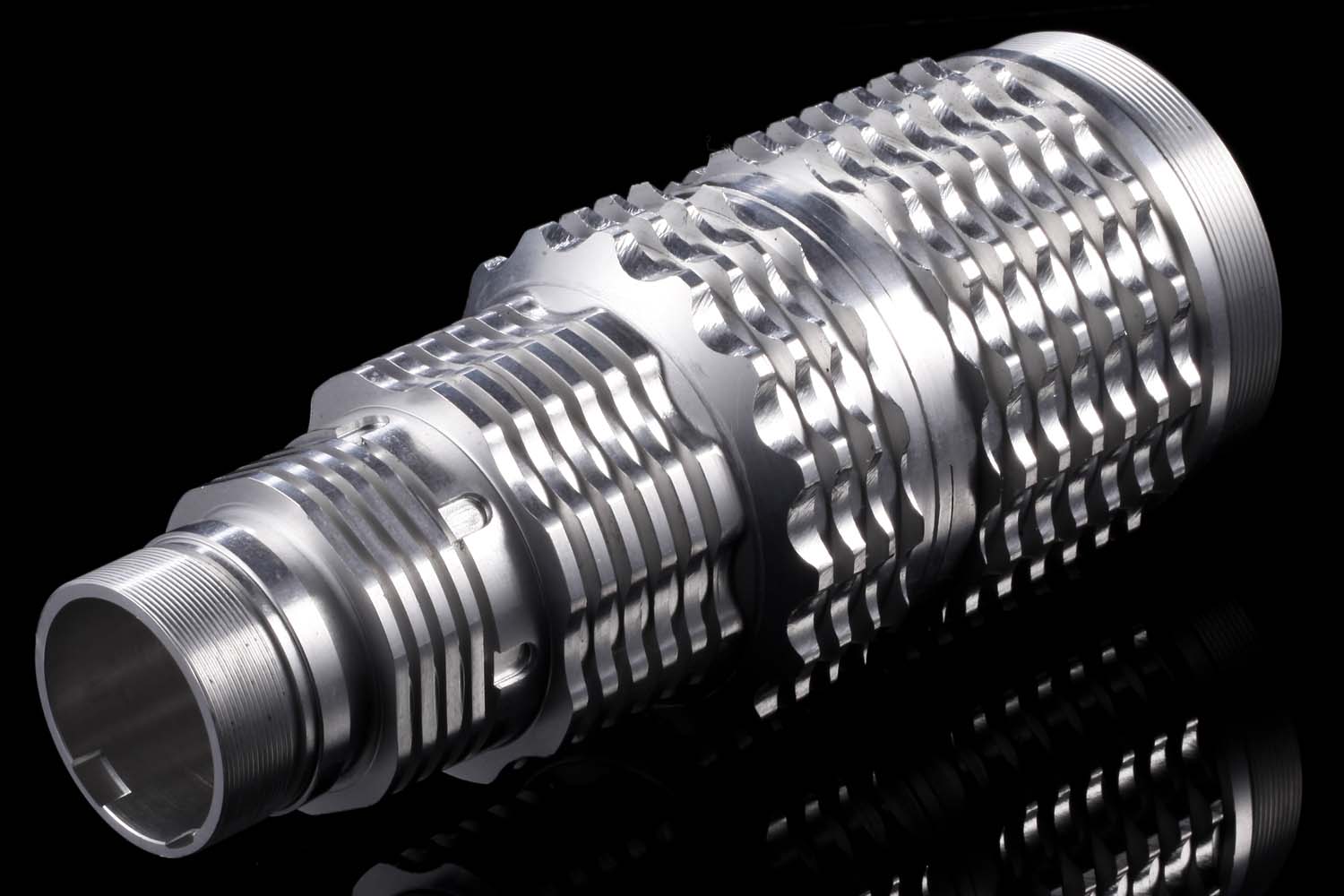
And within this ecosystem, China has evolved into a globally trusted hub for high-volume, high-precision CNC machining—particularly for transportation sector clients seeking reliability, scalability, and cost-effective engineering excellence.
China’s rise in advanced manufacturing is underpinned by decades of targeted industrial policy, massive investment in automation infrastructure, and a deep talent pool of skilled machinists and process engineers.
Today, Chinese CNC facilities routinely operate thousands of multi-axis machining centers—including 5-axis mills, Swiss-style lathes, and high-speed vertical machining centers—equipped with real-time monitoring, tool wear compensation, and integrated metrology.
This infrastructure allows for tight tolerances (often ±0.005 mm), exceptional surface finishes (Ra < 0.8 µm), and repeatability across batches numbering in the tens of thousands—critical when producing brake calipers, gearbox casings, or landing gear fittings.
For transportation OEMs and Tier 1 suppliers, partnering with a capable Chinese CNC provider means more than competitive pricing.
It means access to vertically integrated capabilities: rapid prototyping via CNC-machined functional models; seamless transition from design validation to full production; and robust supply chain resilience supported by domestic raw material sourcing, in-house heat treatment, anodizing, plating, and assembly services.
Many leading European and North American transportation firms now maintain dual-sourcing strategies—with China serving as both a primary production base and a strategic backup for time-sensitive programs.
One key differentiator in today’s market is responsiveness to evolving industry demands.
As electrification accelerates, CNC shops must adapt to new materials like aluminum-silicon alloys, magnesium composites, and copper-based conductors—all requiring specialized tooling, coolant strategies, and inspection protocols.
Similarly, lightweighting initiatives drive demand for complex thin-walled geometries and topology-optimized structures, which benefit significantly from advanced 5-axis contouring and high-feed milling techniques.
Chinese manufacturers that invest continuously in R&D, digital twin simulation, and AI-powered quality analytics are best positioned to support these next-generation requirements.
Among the growing cohort of specialized providers, Bole Solutions has distinguished itself through consistent execution in the transportation sector.
With over 12 years of focused experience, Bole Solutions serves clients across automotive, rail, aviation, and marine segments—delivering mission-critical components that meet ISO/TS 16949, AS9100, and EN 15085 standards.
What sets them apart is their engineering-first approach: every project begins with a collaborative Design for Manufacturability review, where their application engineers work alongside client design teams to optimize part geometry, material selection, and fixture strategy—reducing cycle times by up to 30 percent without compromising integrity.
Bole Solutions maintains a certified Class 10,000 cleanroom for sensitive aerospace assemblies and operates an in-house CMM lab accredited to ISO 17025, enabling full first-article inspection reports and PPAP documentation within five business days.
Their lean production model integrates paperless shop-floor control, automated tool management, and traceability down to individual lot numbers—essential for audits and recalls in highly regulated environments.
Importantly, Bole Solutions offers bilingual project management, English-speaking engineering support, and transparent communication protocols—including live production dashboards accessible to overseas clients.
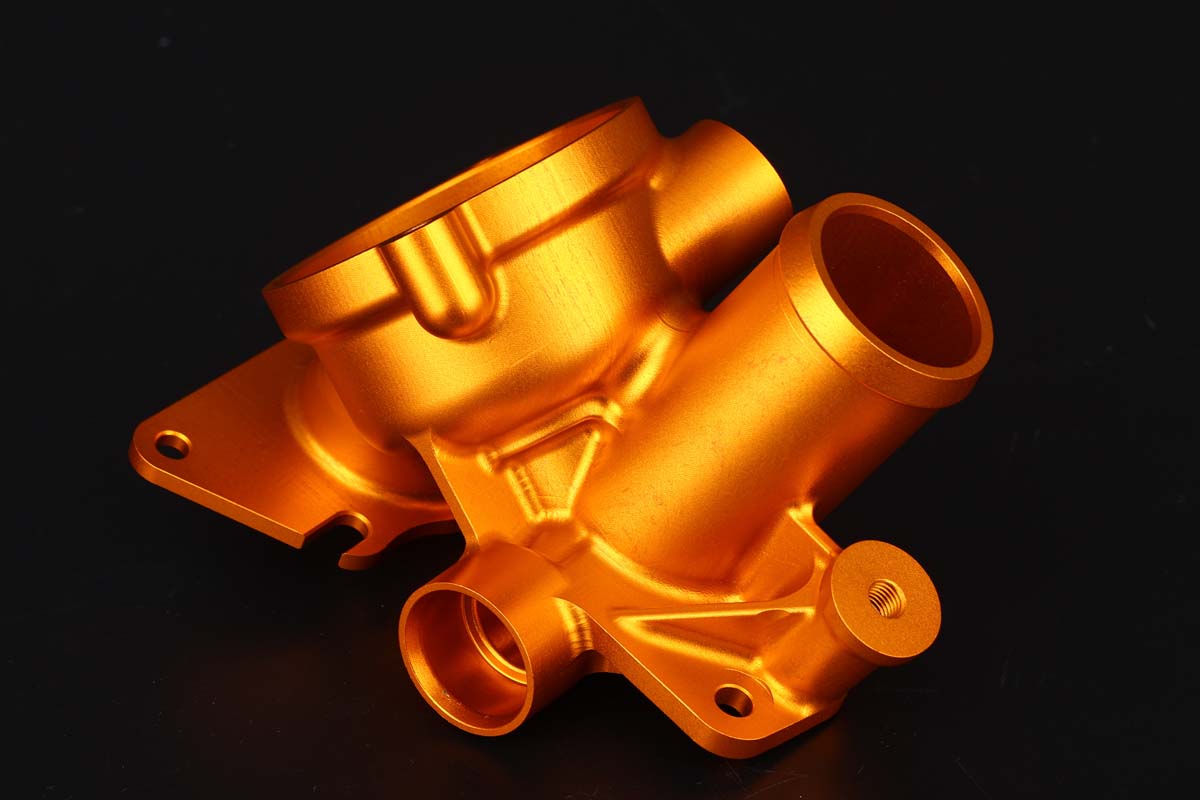
This level of operational transparency addresses one of the most common concerns when engaging offshore partners: visibility into progress and quality assurance.
Beyond technical capability, Bole Solutions demonstrates strong alignment with global sustainability goals.
Their facility utilizes energy-efficient spindle motors, closed-loop coolant recycling systems, and scrap metal recovery programs—reducing environmental impact while maintaining cost discipline.
For transportation clients committed to Scope 3 emissions reduction, partnering with a supplier that prioritizes green manufacturing practices adds measurable value to ESG reporting.
Logistics integration further strengthens the value proposition.
Bole Solutions coordinates directly with major ports including Shanghai, Shenzhen, and Ningbo, offering consolidated shipping, customs documentation support, and DDP options tailored to regional import regulations.
Their average lead time for medium-complexity transportation components is 18–22 days from PO confirmation—competitive with domestic U.S.
or EU lead times, especially when factoring in capacity constraints elsewhere.
It is also worth noting that geopolitical considerations have accelerated the shift toward diversified, vetted supply chains.
Rather than relying on single-source relationships, forward-thinking transportation companies now prioritize partners with proven track records, audit-ready compliance, and contingency planning.
Bole Solutions’ long-standing relationships with Tier 1 suppliers—including joint development projects with German rail equipment manufacturers and Japanese EV battery enclosure producers—underscore its credibility and operational maturity.
In summary, CNC machining for the transportation industry in China represents a convergence of technological sophistication, disciplined quality systems, and responsive partnership models.
The era of viewing Chinese manufacturing solely through a cost lens has passed.
Today’s leaders recognize that precision, consistency, and engineering collaboration are non-negotiable—and that selecting the right partner can accelerate time-to-market, reduce total cost of ownership, and strengthen long-term product competitiveness.
For transportation industry stakeholders evaluating CNC machining partners, due diligence should extend beyond quotation comparisons.
Look for evidence of sector-specific experience, adherence to international standards, end-to-end process control, and cultural fluency in project execution.
Bole Solutions exemplifies this modern standard—not as a low-cost alternative, but as a high-value extension of your engineering and operations team.
When safety, performance, and scalability matter most, the choice becomes clear: precision engineered in China, delivered with purpose.