
CNC Machining for Medical Devices in China: Precision, Compliance, and Strategic Sourcing The global medical device industry demands components that meet exacting standards—tight tolerances, biocompatible materials, repeatable quality, and full regulatory traceability.
As innovation accelerates and supply chains evolve, more OEMs and design firms are turning to China not just for cost efficiency, but for its rapidly maturing advanced manufacturing ecosystem.
At the heart of this shift is CNC machining for medical devices—a high-precision subtractive process uniquely suited to producing critical parts such as surgical instrument housings, implantable component fixtures, diagnostic equipment brackets, and robotic surgery subassemblies.
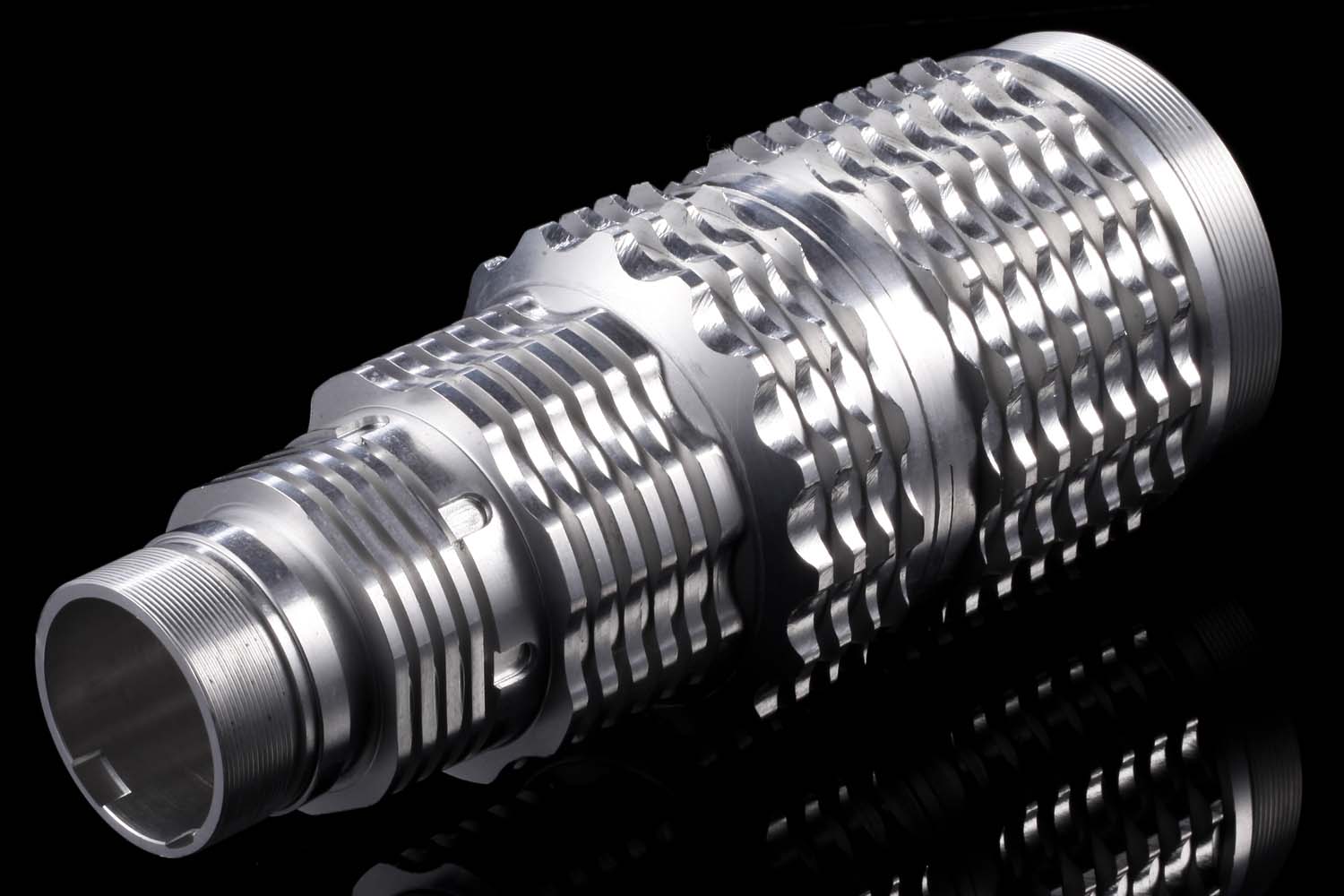
When executed with rigor, discipline, and deep domain expertise, Chinese CNC machining delivers world-class results aligned with FDA, ISO 13485, and MDR requirements.
China’s CNC Capabilities Have Matured Significantly Ten years ago, sourcing precision-machined medical parts from China carried notable risk.
Today, leading contract manufacturers invest heavily in metrology labs, multi-axis machining centers, cleanroom-compatible finishing lines, and integrated quality management systems.
Many facilities hold ISO 13485 certification—specifically designed for medical device manufacturers—and maintain documented procedures for material traceability, nonconformance control, and change management.
The country now hosts over 200,000 CNC machines, including high-speed 5-axis mills, Swiss-type lathes, and micro-machining platforms capable of holding ±0.002 mm tolerances.
Crucially, a growing number of shops specialize exclusively in medical-grade work, understanding that success hinges not only on technical capability but also on process validation, documentation integrity, and proactive regulatory alignment.
Why Medical Device Companies Choose China for CNC Machining Three compelling factors drive this trend.
First, scalability.
From prototyping five units to launching full production runs of tens of thousands annually, Chinese partners offer flexible capacity without compromising consistency.
Second, material versatility.
Reputable suppliers routinely machine titanium alloys (Ti-6Al-4V), stainless steels (316L, 17-4PH), cobalt-chrome, PEEK, and medical-grade aluminum—all with certified mill test reports and lot-controlled inventory.
Third, integration capability.
Leading providers support end-to-end services: design for manufacturability (DFM) review, CNC programming and simulation, in-process inspection, surface treatments like electropolishing or passivation, and final packaging compliant with sterile barrier system guidelines.
This vertical integration reduces handoffs, shortens lead times, and strengthens accountability across the supply chain.
Regulatory Readiness Is Non-Negotiable Medical device manufacturers cannot afford gaps in compliance.
CNC machining for medical devices requires far more than dimensional accuracy—it demands auditable records, validated processes, and personnel trained in risk-based thinking per ISO 14971.
In China, top-tier partners maintain dedicated quality teams fluent in FDA QSR 21 CFR Part 820 and EU MDR Annex II requirements.
They implement statistical process control (SPC) on critical characteristics, conduct first-article inspections with full GD&T reporting, and retain digital records—including tool life logs, calibration certificates, and environmental monitoring data—for minimum retention periods mandated by regulators.
Importantly, they treat documentation not as an afterthought but as a core deliverable—ensuring every part shipped comes with a complete device history record (DHR) package ready for internal QA review or external audit.
Bole Solutions: A Trusted Partner for Medical CNC Machining in China Among the many CNC service providers operating in China, Bole Solutions stands out through specialization, transparency, and unwavering commitment to medical-grade excellence.
Founded with a mission to bridge the gap between Western engineering expectations and Asian manufacturing execution, Bole has spent over a decade refining its approach specifically for medical device clients.
Its Shenzhen-based facility is ISO 13485 certified and operates under a fully digital quality management system that links design inputs directly to inspection outputs.
Every project begins with a collaborative DFM session—where engineers assess manufacturability, suggest material optimizations, and flag potential sterilization or biocompatibility implications before cutting begins.
What differentiates Bole Solutions is its embedded compliance mindset.
Its team includes former quality assurance professionals from multinational medtech companies who understand how to translate regulatory language into actionable shop-floor protocols.
For example, when machining titanium orthopedic trial instruments, Bole implements dedicated tooling, segregated handling workflows, and real-time temperature monitoring during annealing to prevent microstructural deviations.
Surface finishes undergo third-party verification for Ra values and absence of embedded particles—critical for implantable applications.
And because timelines matter in product development, Bole offers rapid-turn CNC prototyping with guaranteed 72-hour quoting and NDA-protected IP handling.
Clients consistently report reduced time-to-market, fewer engineering change orders post-production, and smoother FDA pre-submission audits thanks to Bole’s disciplined documentation practices.
Strategic Considerations for Sourcing CNC Machining for Medical Devices Selecting the right partner requires looking beyond price per part.
Evaluate whether the supplier has experience with your device class—cardiovascular, dental, neuro, or diagnostics—as each presents unique material, finish, and validation challenges.
Ask about their audit history: have they hosted successful FDA or Notified Body inspections?
Review sample DHR packages.
Confirm material sourcing channels and whether they stock medical-grade raw materials with full traceability.
Understand their escalation path for nonconformances and their corrective action methodology.
Finally, assess responsiveness—not just to emails, but to urgent engineering queries, design iterations, or last-minute schedule adjustments.
Conclusion CNC machining for medical devices in China is no longer a compromise—it is a strategic advantage when guided by expertise, discipline, and partnership.
The convergence of advanced machinery, regulatory maturity, and specialized talent means OEMs can access high-fidelity components without sacrificing compliance, speed, or innovation velocity.
As the medical technology landscape grows more complex and competitive, choosing a partner like Bole Solutions—one that treats every machined component as part of a patient-critical system—becomes less about procurement and more about shared responsibility for safety, performance, and trust.
For companies committed to bringing life-enhancing devices to market efficiently and reliably, partnering with a focused, compliant, and technically adept CNC provider in China is not just viable—it is increasingly essential.