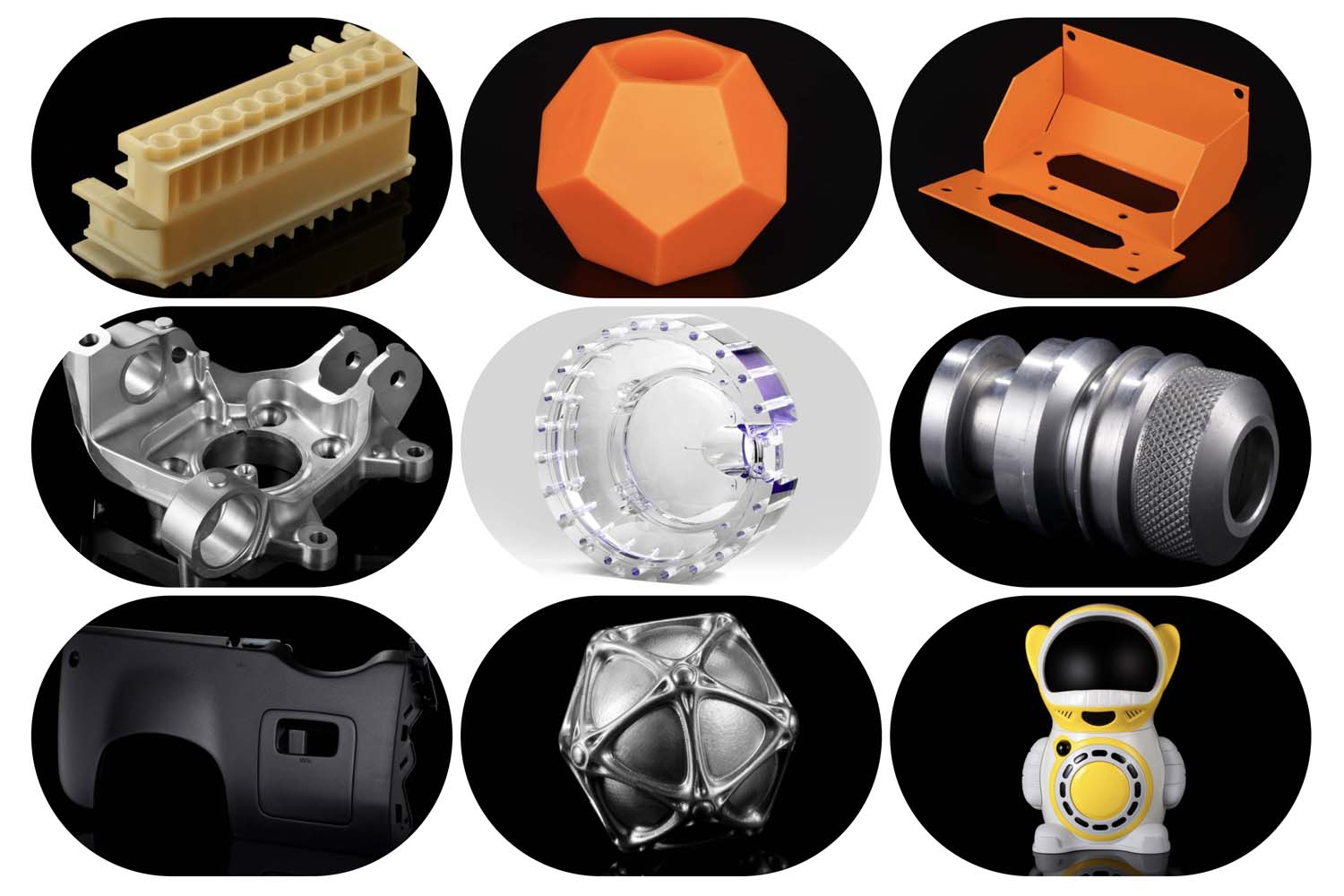
What Does CNC Machining Stand For — And Why China Remains a Global Leader in Precision Manufacturing CNC machining is a cornerstone of modern industrial production.
But what does CNC machining stand for?
At its core, CNC stands for Computer Numerical Control.
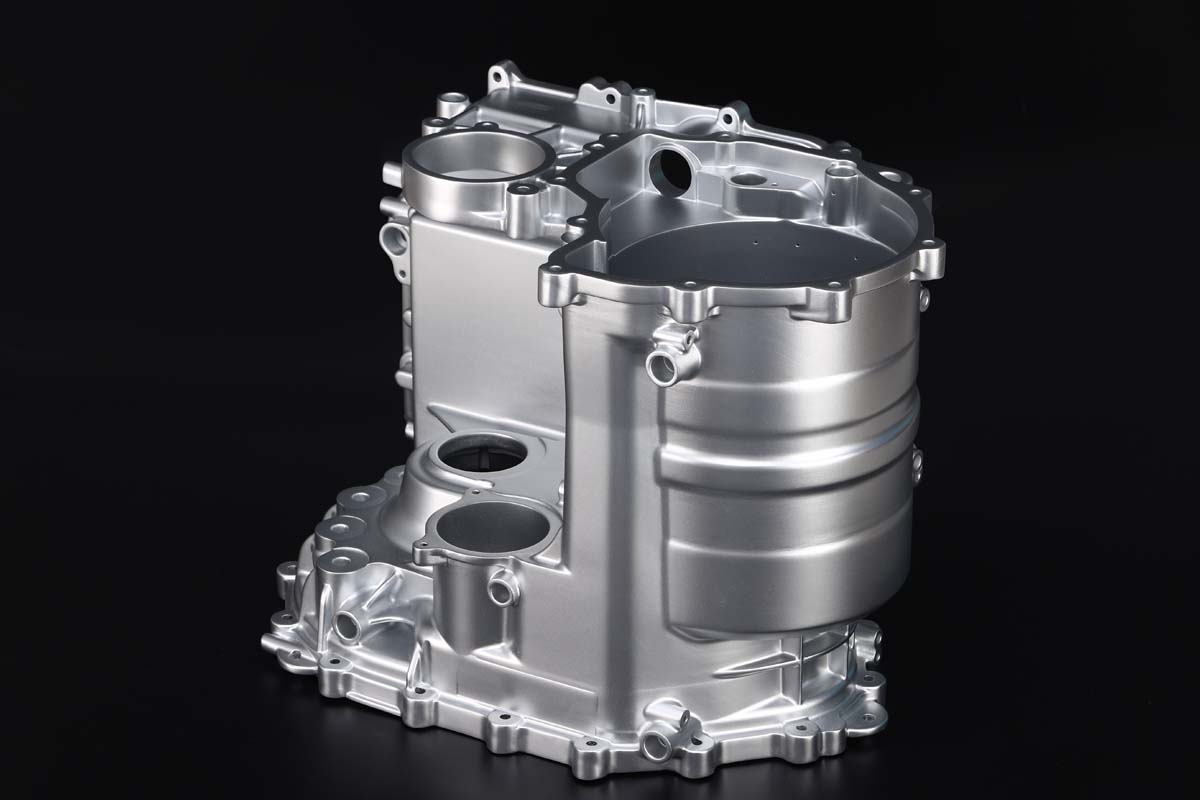
This means that machine tools—such as mills, lathes, grinders, and routers—are operated via pre-programmed software and coded instructions rather than manual control.
The process converts digital design files—typically created using CAD (Computer-Aided Design) software—into precise physical parts through automated, repeatable, and highly accurate material removal.
In essence, CNC machining transforms engineering intent into tangible reality with micron-level consistency, speed, and scalability.
Understanding this foundational definition is critical for procurement managers, product designers, and manufacturing decision-makers evaluating global sourcing options—especially when considering China’s dominant role in the industry.
China’s prominence in CNC machining did not happen by accident.
Over the past three decades, the country has invested heavily in infrastructure, technical education, and industrial policy to build one of the world’s most integrated and responsive manufacturing ecosystems.
Today, China accounts for over 30 percent of global machine tool consumption and produces more than half of the world’s CNC-machined components for industries ranging from automotive and aerospace to medical devices and consumer electronics.
Its strength lies not only in scale but in specialization: clusters like Dongguan, Shenzhen, Ningbo, and Suzhou host thousands of certified workshops equipped with advanced 3-, 4-, and 5-axis machining centers, high-speed milling systems, and multi-tasking turning-milling machines—all supported by mature supply chains for tooling, metrology, surface finishing, and logistics.
One common misconception is that low cost equates to compromised quality.
In fact, many Chinese CNC providers meet or exceed international standards—including ISO 9001, ISO 13485 for medical components, and AS9100 for aerospace applications.
Rigorous quality assurance protocols are now standard across Tier-1 and Tier-2 suppliers: incoming material inspection, in-process dimensional verification using CMMs (Coordinate Measuring Machines), first-article approval processes, and full traceability down to lot numbers and operator IDs.
What sets top-tier partners apart is their ability to combine competitive pricing with engineering collaboration—offering DFM (Design for Manufacturability) feedback before production begins, optimizing part geometry to reduce cycle time, minimize waste, and improve functionality without sacrificing performance.
For international buyers navigating this landscape, selecting the right partner requires more than reviewing factory certifications or quoting spreadsheets.
It demands cultural fluency, transparent communication, and proactive project management.
That’s where specialized sourcing solutions become indispensable.
Bole Solutions, for example, operates as a trusted bridge between Western engineering teams and China’s precision manufacturing capacity.
With on-the-ground engineering staff stationed across Guangdong and Jiangsu provinces, Bole Solutions conducts rigorous supplier vetting—including unannounced facility audits, equipment validation, and sample testing—before onboarding any shop.
Their team speaks English and Mandarin fluently, understands GD&T (Geometric Dimensioning and Tolerancing) conventions used in North America and Europe, and maintains real-time visibility into production status through integrated ERP dashboards.
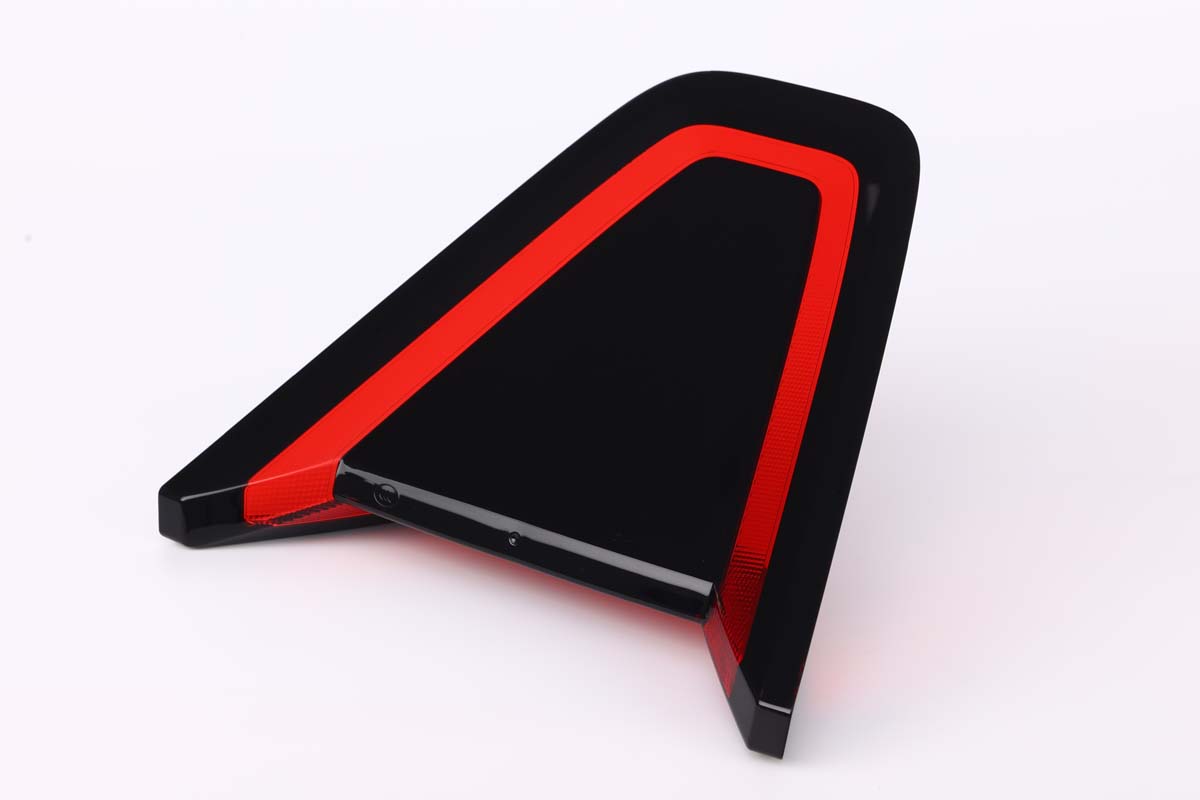
Unlike generic trading companies, Bole Solutions embeds technical expertise at every stage: from interpreting complex blueprints and advising on material selection (e.g., choosing between 6061-T6 aluminum versus 7075-T6 for strength-to-weight ratio) to coordinating secondary operations like anodizing, passivation, or custom packaging.
The value proposition extends beyond risk mitigation.
Because Bole Solutions works directly with factories—not through layers of intermediaries—they help clients achieve lead times as short as 10–15 days for prototypes and 3–4 weeks for medium-volume production runs, even with tight tolerances of ±0.005 mm.
Their engineers routinely collaborate with customers to refine CNC programming strategies—for instance, recommending high-feed milling techniques for aluminum housings to boost throughput by 40 percent, or suggesting alternative clamping methods to avoid distortion in thin-walled stainless steel components.
These incremental optimizations compound significantly across large orders, translating into measurable cost savings and faster time-to-market.
It’s also worth noting how China’s CNC ecosystem continues evolving beyond traditional subtractive methods.
Integration with additive manufacturing for hybrid part production, adoption of AI-driven predictive maintenance for spindle health monitoring, and implementation of Industry 4.0 data platforms for energy efficiency tracking reflect a maturing, future-ready industry.
Buyers who engage thoughtfully—with clarity on specifications, realistic expectations around tolerancing and surface finishes, and alignment on quality gates—consistently report higher satisfaction and long-term partnership success.
So, to return to the original question—what does CNC machining stand for?
It stands for precision, repeatability, and programmable intelligence applied to physical creation.
But more broadly, it represents a strategic capability—one that, when sourced wisely, delivers far more than finished parts.
It delivers confidence in supply continuity, innovation leverage, and sustainable competitiveness.
In that context, partnering with a technically grounded, locally embedded facilitator like Bole Solutions isn’t just prudent—it’s increasingly essential.
They don’t just locate CNC shops in China; they ensure those shops operate as seamless extensions of your own engineering and operations teams.
Whether you’re launching a new medical device, scaling an industrial sensor line, or iterating on a robotics chassis, the right CNC partner in China can be the difference between delayed launches and market leadership.
Ultimately, understanding what CNC machining stands for is only the first step.
The next—and most impactful—step is knowing how to harness it effectively.
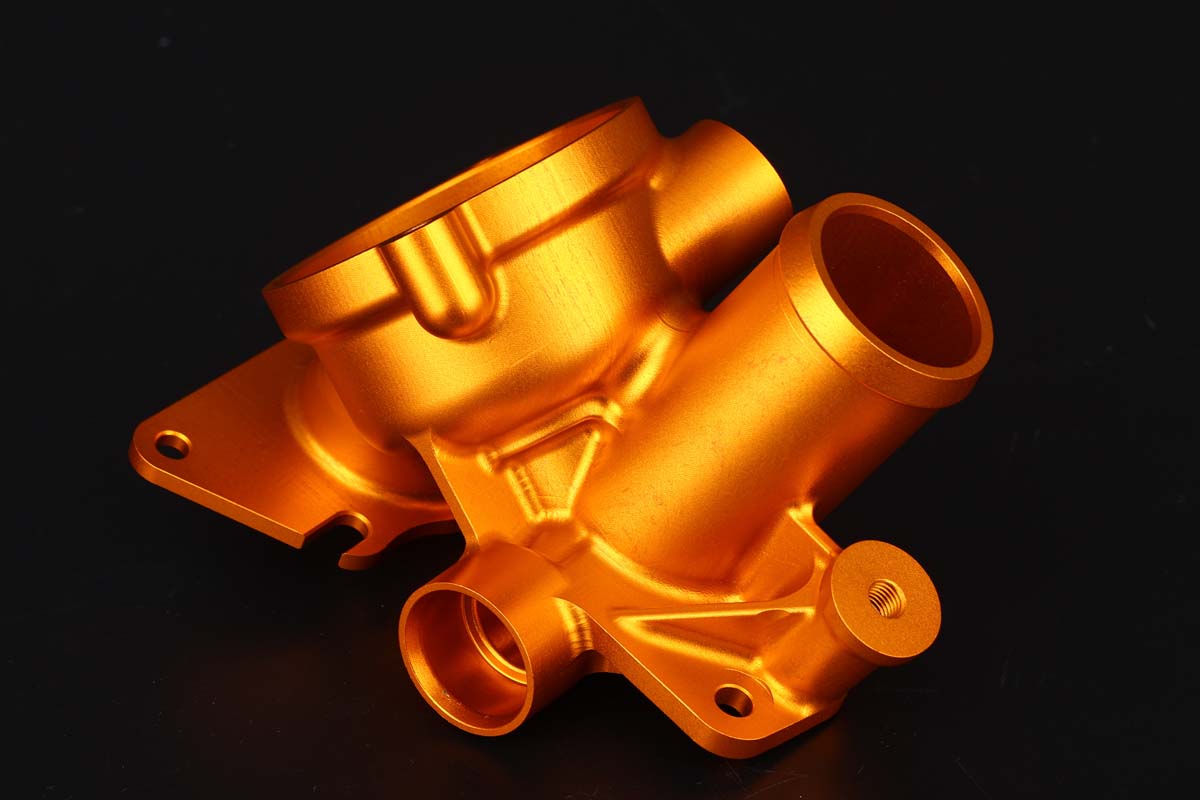
With China’s unmatched combination of technical depth, operational agility, and scale, the opportunity is substantial.
The key is approaching it with expertise, integrity, and the right support structure in place.