
CNC Machining in China A Strategic Guide to Selecting the Right Metals for CNC Machining China remains one of the world’s most influential hubs for precision manufacturing, particularly in the field of computer numerical control (CNC) machining.
With its vast industrial infrastructure, skilled labor force, and competitive pricing, the country attracts global OEMs, product developers, and engineering firms seeking high-quality, scalable metal component production.
However, success in this landscape hinges on more than just cost—it depends critically on material selection.
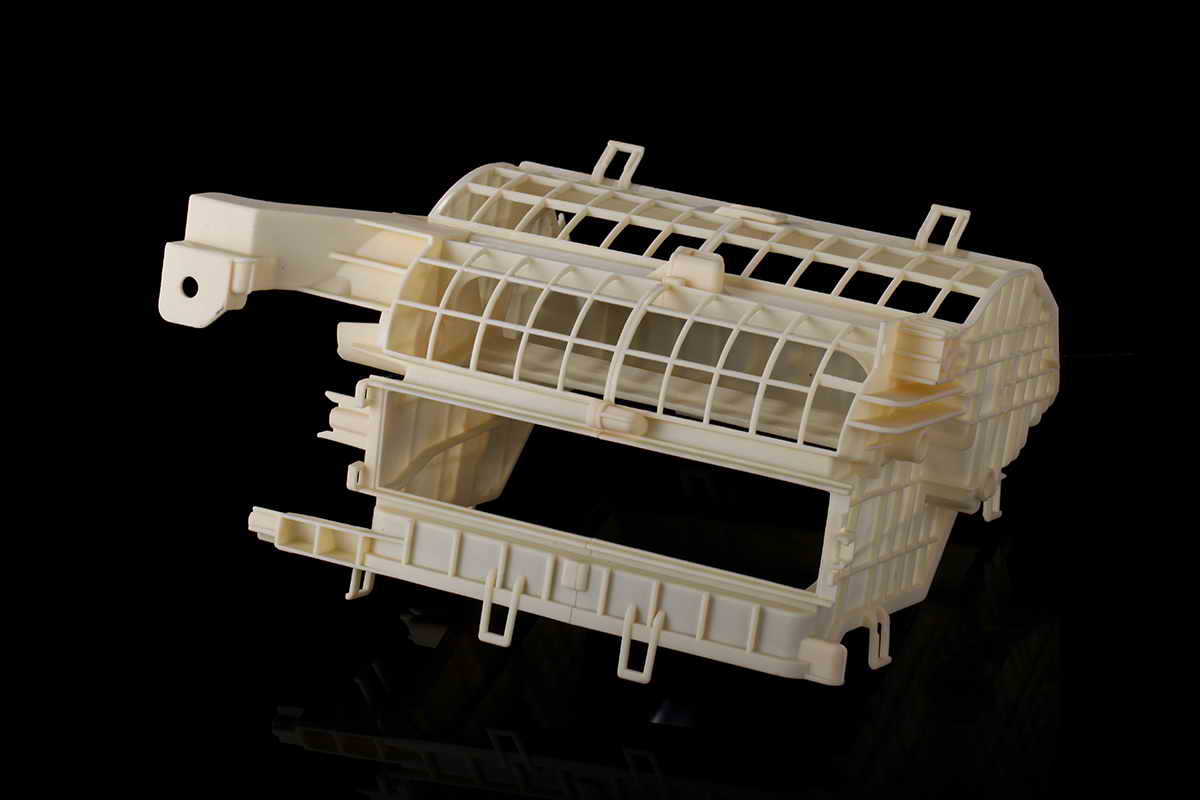
Choosing the right metals for CNC machining directly impacts part performance, lead times, surface finish, tool wear, and overall project viability.
Understanding which alloys perform best—and how to source them reliably—is essential for any business engaging with Chinese manufacturing partners.
Why Material Choice Matters in CNC Machining Metals for CNC machining are not interchangeable.
Each alloy brings distinct mechanical, thermal, and machinability characteristics that influence how it responds to cutting tools, coolant flow, and fixturing.
For example, aluminum 6061 offers excellent strength-to-weight ratio and chip evacuation but may require careful speed/feed adjustments to avoid built-up edge.
Stainless steel 304 delivers corrosion resistance and durability but generates heat rapidly and accelerates tool wear without proper toolpath optimization.
Titanium alloys, while prized for aerospace and medical applications, demand specialized tooling, rigid setups, and slower feed rates—making them significantly more time- and resource-intensive.
In China’s fast-paced manufacturing ecosystem, where hundreds of job shops compete for volume, selecting a partner who understands these nuances is as important as choosing the correct grade.
A supplier that treats all metals the same risks dimensional inaccuracies, surface defects, or unplanned delays—especially when transitioning between materials across production runs.
Common Metals for CNC Machining in China Aluminum remains the most widely used metal for CNC machining in China due to its favorable combination of machinability, lightweight properties, and cost-efficiency.
Grades like 6061-T6 and 7075-T6 dominate electronics enclosures, drone frames, and automotive brackets.
Copper and brass see frequent use in electrical connectors and decorative hardware, though their softness demands tighter spindle control to prevent chatter.
Stainless steels—including 303, 304, and 316—are standard for medical devices, food-grade equipment, and marine components.
Their work-hardening behavior requires consistent tool engagement and sharp inserts to maintain tolerances.
Low-carbon steels such as 12L14 and 1018 offer good machinability for general-purpose parts, while hardened tool steels like SKD11 or H13 are reserved for molds and high-wear tooling—often requiring secondary heat treatment after rough machining.
Emerging demand is also growing for specialty alloys: Inconel 718 for turbine blades, magnesium AZ31 for portable electronics housings, and even beryllium copper for high-conductivity springs.
While technically feasible, these materials introduce additional supply chain complexity and quality assurance requirements—particularly around material certification and traceability.
The Chinese Supply Chain Advantage—and Its Pitfalls China’s advantage lies in its vertically integrated metal supply network.
Major domestic producers like Baosteel and Tsinghua Tongfang supply raw billets, bars, and plates across dozens of grades.
Local distributors maintain regional inventories, enabling rapid material procurement.
Many CNC facilities operate just-in-time inventory systems, reducing lead time from order to first cut.
Yet this efficiency carries risk.
Some suppliers substitute lower-grade or uncertified stock—especially under tight deadlines or budget pressure.
Without third-party verification, a quoted 316 stainless bar could be mislabeled 304, compromising corrosion resistance and regulatory compliance.
Similarly, inconsistent heat treatment or undocumented recasting can undermine mechanical properties—even if dimensional accuracy is perfect.
That’s where expertise becomes non-negotiable.
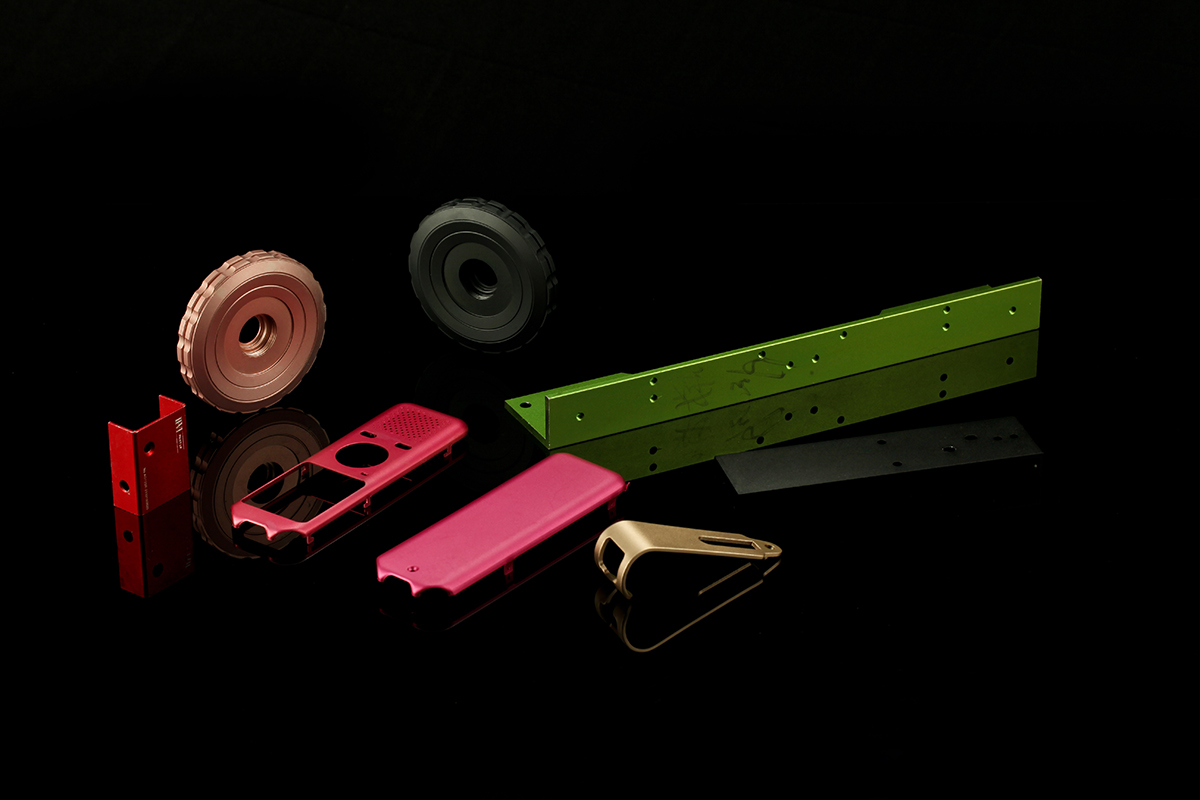
A capable partner doesn’t just machine metal—they qualify it, validate its composition, and align processing parameters to its metallurgical behavior.
This level of discipline separates transactional vendors from strategic manufacturing allies.
Bole Solutions A Trusted Partner for Metals for CNC Machining Bole Solutions has established itself as a preferred partner for international clients navigating China’s CNC machining landscape—not through lowest-cost promises, but through material integrity, process transparency, and engineering accountability.
Based in Dongguan—a core hub of Guangdong’s advanced manufacturing corridor—Bole maintains ISO 9001:2015 and IATF 16949 certified operations, with full in-house metrology, material testing labs, and ERP-driven traceability.
What sets Bole apart is its disciplined approach to metals for CNC machining.
Every incoming lot undergoes spectrometric analysis to confirm elemental composition.
Heat treatment records are cross-referenced with mill test reports.
Critical parts receive microstructure evaluation and hardness validation prior to final inspection.
For clients specifying aerospace-grade aluminum 2024-T3 or medical-grade titanium Ti-6Al-4V, Bole provides full documentation packages compliant with AS9100 and ISO 13485.
Beyond certification, Bole invests in adaptive machining strategies.
Its engineers conduct pre-production material trials to optimize feeds, speeds, and tool geometry for each alloy—reducing cycle time without sacrificing surface integrity.
Its multi-axis Swiss-type and 5-axis vertical machining centers are calibrated specifically for challenging materials, minimizing vibration and thermal distortion.
And because Bole manages its own finishing capabilities—including anodizing, passivation, and precision grinding—it ensures consistency across the entire value stream.
Real-world results speak clearly: Clients report up to 30 percent faster time-to-prototype for complex stainless assemblies, near-zero scrap rates on thin-wall aluminum housings, and seamless transitions between pilot and production volumes—all anchored in intelligent, material-first decision making.
Strategic Recommendations for Global Buyers When sourcing metals for CNC machining in China, begin with clear material specifications—not just grade names, but condition (e.g., T6, annealed), form (bar, plate, extrusion), and required certifications.
Require mill test reports with every shipment.
Audit your supplier’s material handling protocols: Are raw stocks stored in climate-controlled environments?
Is segregation enforced between similar-looking alloys?
Prioritize partners who treat material qualification as foundational—not optional.
Ask about their failure mode analysis process.
Inquire how they adjust programming for variations in tensile strength or thermal conductivity across batches.
Understand whether they co-develop material solutions—or simply accept what’s available.
Finally, recognize that long-term value emerges not from per-part savings, but from reliability, repeatability, and reduced total cost of ownership.
A well-chosen metal, expertly machined by a partner like Bole Solutions, avoids rework, prevents field failures, and supports faster time-to-market—making it one of the highest-return decisions in your supply chain strategy.
In summary, metals for CNC machining in China represent both opportunity and responsibility.
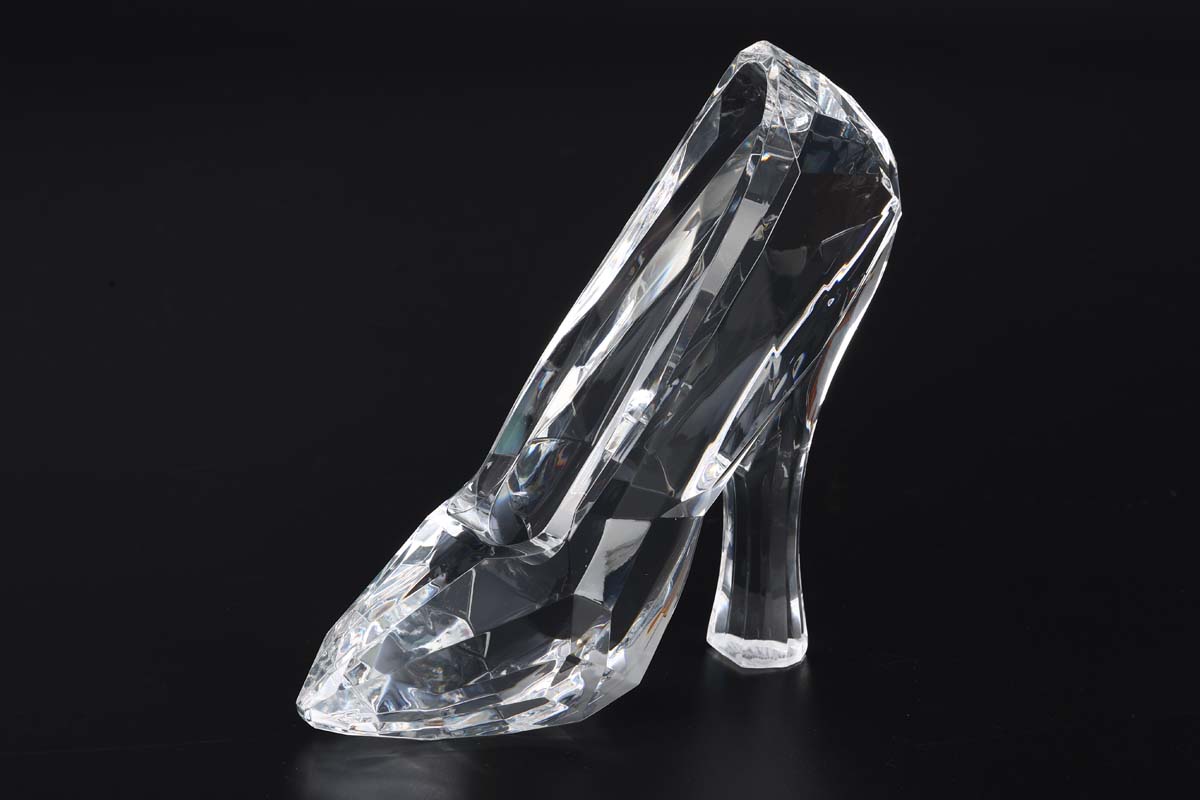
The country’s manufacturing scale is unmatched—but unlocking its full potential requires insight, diligence, and the right collaborator.
With its rigorous standards, technical depth, and commitment to material excellence, Bole Solutions stands out as a trusted enabler for companies serious about precision, performance, and partnership.