Quick answer
The right small batch cnc machining solution starts with the buyer pain point, then matches CNC machining service parameters to the real operating condition instead of treating the keyword as a simple product name.

Customer pain behind "small batch cnc machining"
Customers searching for small batch cnc machining are rarely looking for a definition only. They are usually trying to remove a specific business problem around low-volume production and bridge manufacturing. In this case, the pain point is that small batches suffer from high setup cost and unstable repeatability if fixtures are improvised each time. If the supplier answers only with a generic product description, the buyer still has no clear way to reduce risk, compare options, or confirm whether the solution will work after installation or production.
The deeper problem is that many teams start from a product name instead of the operating condition. A purchasing team may ask for a quote, but the engineering, maintenance, quality, or store-operation team is actually worried about downtime, inconsistent performance, difficult service, or weak conversion. That gap is why keyword-led content should begin with pain, not with a sales pitch.
How CNC machining service solves the pain
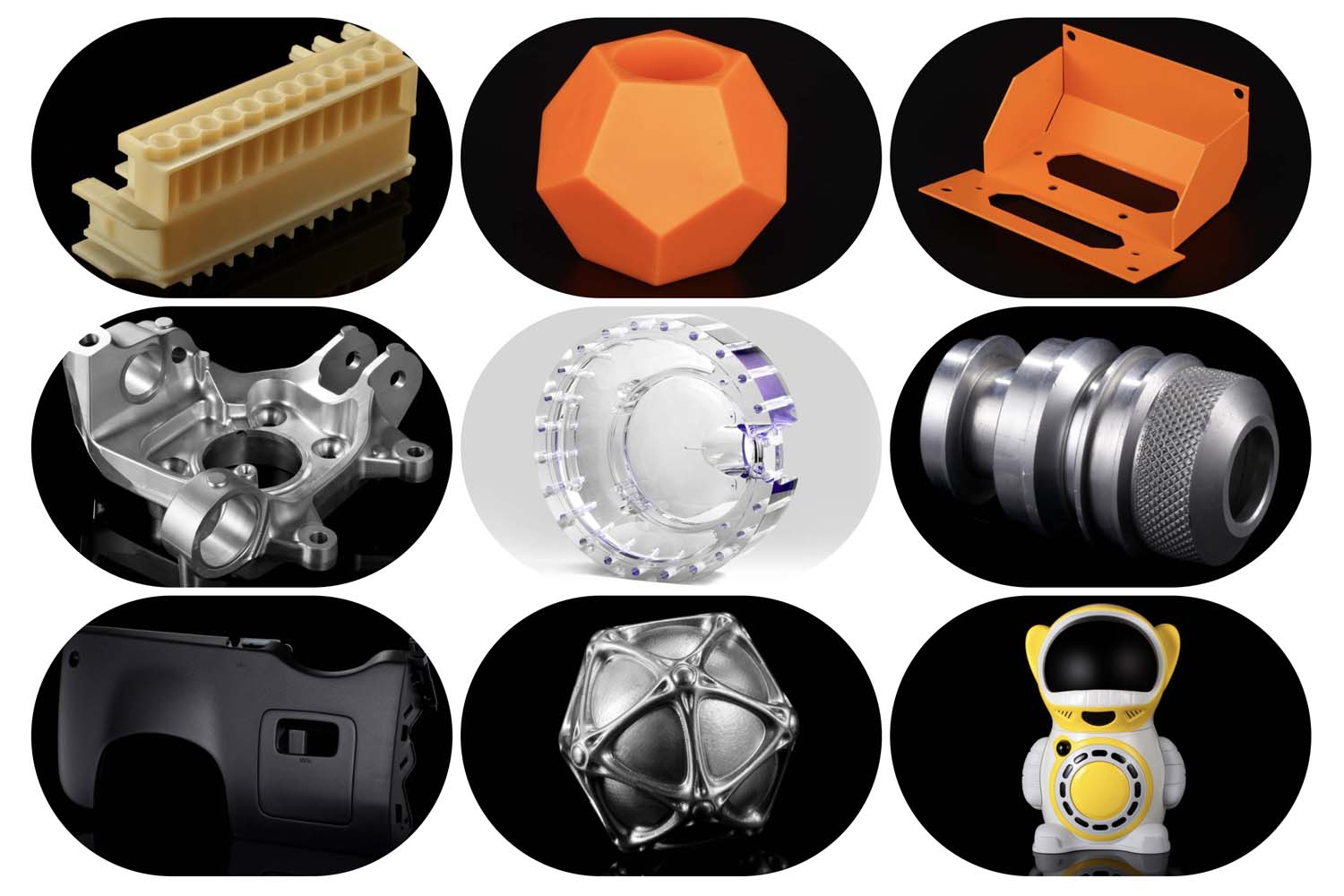
A product can solve this problem only when it is configured around the real use case. For small batch cnc machining, the product response should focus on Material, tolerance, finish, inspection plan. Those parameters turn a broad product request into a practical solution because they connect the buyer's pain to something that can be checked, sampled, measured, installed, or maintained.
The best product discussion is therefore not "this product is good." It is: this product removes the customer's pain by controlling the failure point that created the problem. In CNC machining and manufacturing, that usually means reviewing the application, defining measurable requirements, and confirming whether the product path at bolesolutions.com supports the actual duty rather than the easiest catalog match.
Product parameters that should be checked
| Parameter | Why it matters | How to specify it correctly |
|---|---|---|
| Material and machinability | Material behavior affects tool wear, heat, burrs, flatness, and final surface quality. | Confirm alloy, hardness, stock condition, and critical features before quoting. |
| Tolerance window | Tight tolerances drive fixture design, inspection method, cycle time, and scrap risk. | Separate critical dimensions from general dimensions and define measurement method. |
| Datum and fixture strategy | Datum strategy decides whether features stay aligned from setup to setup. | Lock datum surfaces, fixture references, and re-clamping plan before programming. |
| Surface finish requirement | Finish requirements affect machining allowance, edge treatment, masking, and cosmetic rejection risk. | Define Ra value or finish sample, post-process route, and visible surfaces. |
| Inspection method | Inspection method determines whether defects are caught during production or only after shipment. | Use first article, in-process checks, final inspection, and report format agreed in advance. |
| Batch and lead-time target | Batch size changes fixture investment, tool-life planning, and delivery risk. | Share annual volume, launch quantity, repeat schedule, and lead-time target. |
Pain-to-solution table
| Customer issue | Product response | Correct verification |
|---|---|---|
| Pain signal | small batches suffer from high setup cost and unstable repeatability if fixtures are improvised each time | Diagnose the site, workflow, or application before comparing suppliers. |
| Product response | Use CNC machining service around low-volume production and bridge manufacturing. | Match product configuration to the pain point instead of choosing by price first. |
| Parameter control | Review Material, tolerance, finish, inspection plan. | Put measurable requirements into the quotation or sample review. |
| Correct method | standardize fixture references even for short runs. | Validate with layout, sample, inspection, or installation checklist. |
Correct way to solve the customer pain
The correct solution method is to standardize fixture references even for short runs. This sounds simple, but it changes the entire buying process. Instead of collecting prices first, the team should document the pain point, define the operating condition, identify which parameters control the result, and then ask suppliers to respond against that checklist.
For example, a weak approach is to request "small batch cnc machining" and compare several offers by headline description. A stronger approach is to explain the application, state what has gone wrong before, specify which parameters must be confirmed, and request evidence through drawings, samples, inspection points, installation notes, or test records. This gives the supplier a chance to solve the real problem and gives the buyer a fair way to judge the answer.
Educational checklist for buyers
- Start with the symptom: quality drift, breakage, downtime, poor visibility, unsafe operation, or low conversion.
- Translate the symptom into a product parameter that can be checked.
- Avoid choosing by one attractive specification if the application needs a full system answer.
- Ask how the solution behaves during installation, production, maintenance, or peak demand.
- Keep photos, drawings, datasheets, and acceptance notes together so future teams can understand the decision.
FAQ
What is the most common mistake when buying small batch cnc machining? The most common mistake is treating the keyword as a finished specification. A keyword points to a product family, but the final result depends on the operating condition, product parameters, and verification method.
How should buyers compare suppliers? Compare suppliers by how clearly they connect the pain point to a product configuration, a parameter table, and a practical check. A better supplier explains tradeoffs instead of only repeating features.
When should the product specification be revised? Revise it when the pain point cannot be solved by the initial configuration, when the site or workflow changes, or when sample testing shows that a key parameter is too weak for the real condition.