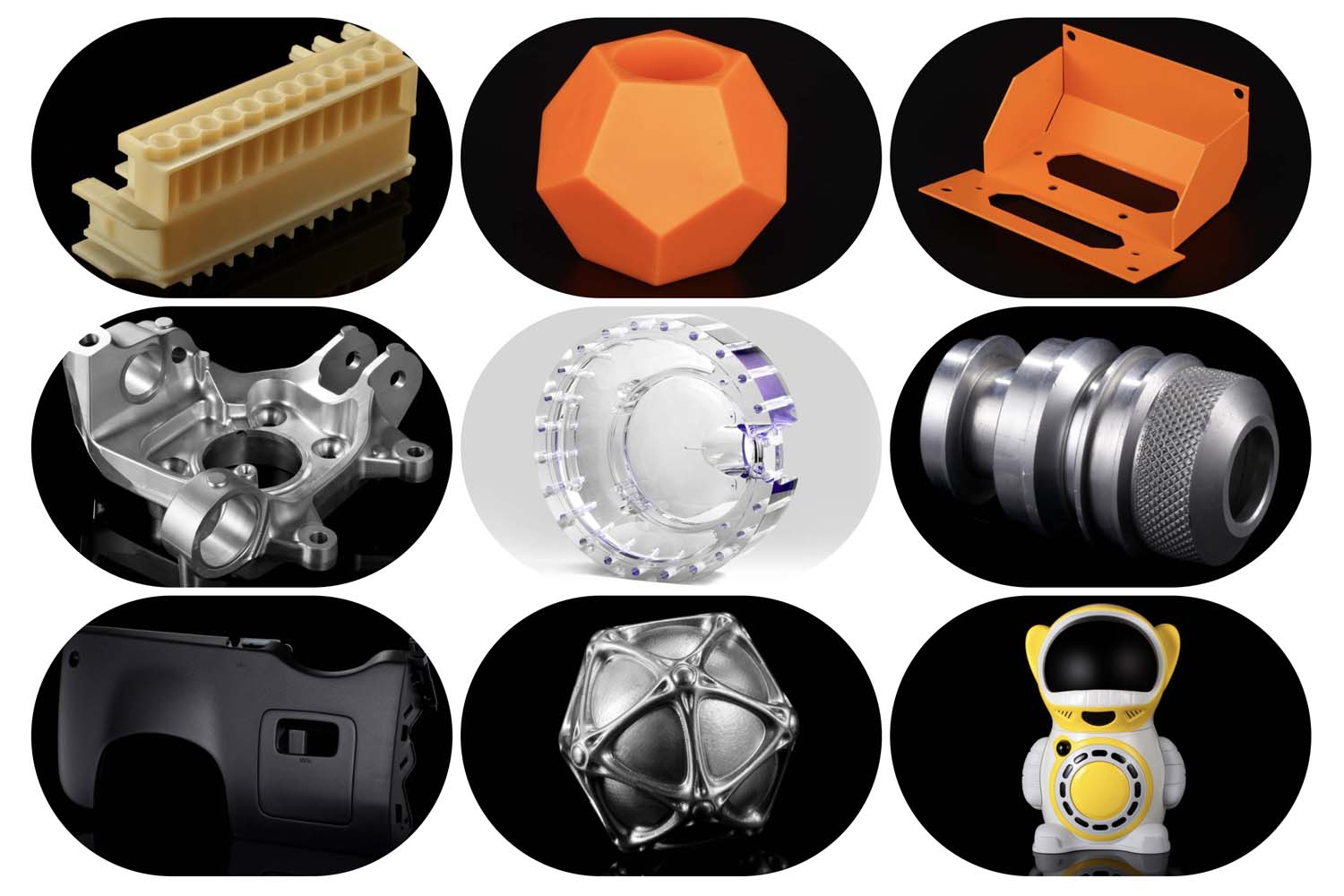
CNC Machining Centres in China: A Strategic Advantage for Global Manufacturers China has emerged as a dominant force in global manufacturing, and at the heart of its industrial prowess lies an extensive, highly developed ecosystem of CNC machining centres.
These advanced facilities—equipped with multi-axis milling, turning, grinding, and integrated automation—are not only cost-competitive but increasingly match or exceed international benchmarks in precision, scalability, and technological sophistication.
For procurement managers, product designers, and OEMs seeking reliable, high-volume precision components, understanding the landscape of CNC machining centres in China is essential to making informed, future-proof sourcing decisions.
The Evolution of CNC Machining Capabilities in China Over the past two decades, China’s investment in industrial automation, technical education, and domestic machine tool innovation has transformed its CNC machining sector.
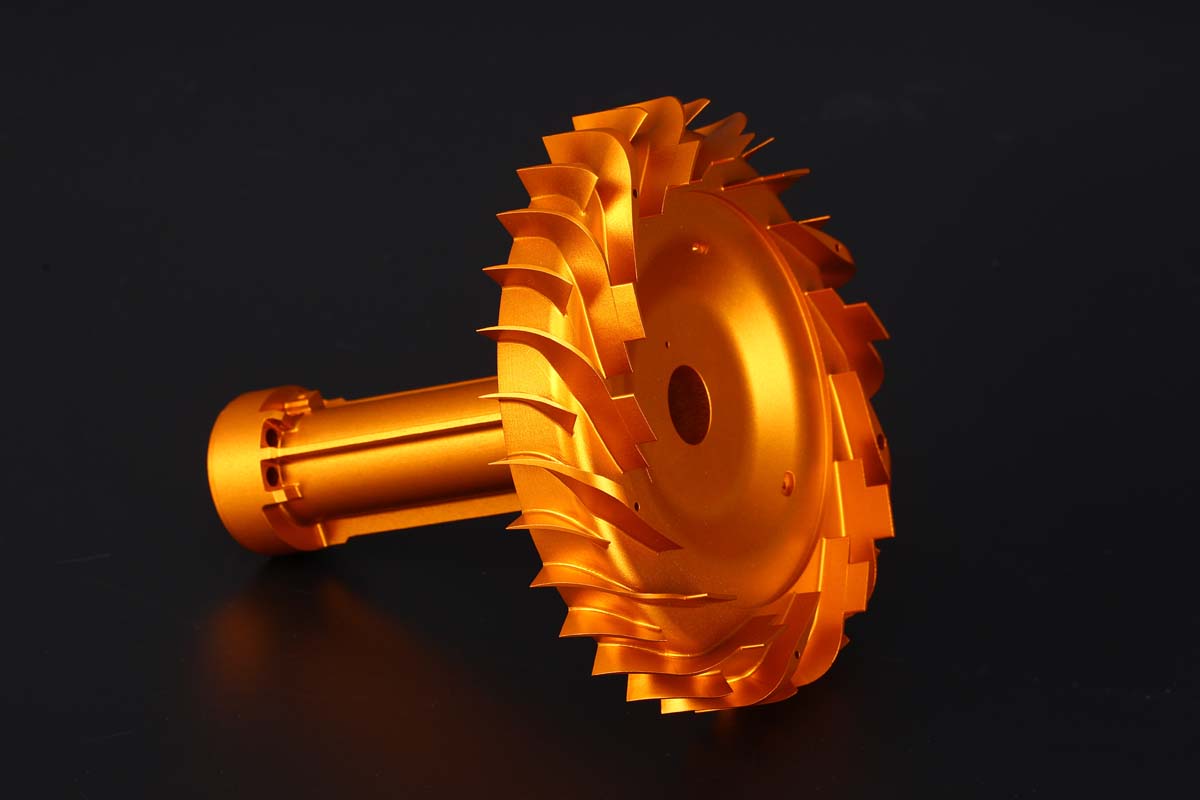
Once associated primarily with low-cost, high-volume production, Chinese CNC machining centres now routinely handle complex aerospace brackets, medical device housings, automotive transmission parts, and custom robotics components—all within tight tolerances of ±0.005 mm.
Many Tier-1 suppliers operate ISO 9001, ISO 13485, and IATF 16949 certified facilities, with rigorous in-process inspection protocols using CMMs, optical comparators, and surface roughness testers.
A key differentiator today is vertical integration.
Leading CNC machining centres in China no longer function solely as job shops.
Instead, they offer end-to-end services—from raw material procurement and heat treatment to surface finishing (anodising, plating, powder coating), assembly, and even logistics coordination.
This integrated model reduces lead times, minimises supply chain handoffs, and enhances traceability—critical advantages for time-sensitive projects across electronics, energy, and industrial equipment sectors.
Why Global Companies Choose China-Based CNC Machining Centres Cost efficiency remains a compelling factor—but it is no longer the sole driver.
Labour productivity, rapid tooling turnaround, and economies of scale in material sourcing contribute significantly to overall value.
For example, titanium or Inconel components that require hours of manual setup elsewhere can be produced more efficiently in Chinese facilities equipped with automated pallet changers and high-pressure coolant systems.
Moreover, many centres maintain large inventories of common alloys—aluminium 6061-T6, stainless steels 304 and 316, brass C360—and can initiate production within 24–48 hours of approved drawings.
Another strategic benefit is speed to market.
With multiple shifts operating daily and streamlined customs documentation support, lead times for medium-complexity parts often range from 10 to 15 working days—even for first-article prototypes.
This agility is especially valuable during new product introduction phases or when responding to urgent replacement part demand.
Quality Assurance: Beyond Certification While certifications are foundational, leading CNC machining centres in China go further by embedding quality into every operational layer.
Real-time spindle load monitoring, automated tool wear compensation, and statistical process control dashboards ensure consistency across batches.
Many facilities also invite client audits—either on-site or virtually—and provide full inspection reports with dimensional data mapped directly to GD&T callouts.
Transparency is built into the process: clients receive digital updates at each milestone—raw material receipt, first-article approval, in-process checks, and final packaging—often via secure cloud portals.
Choosing the Right Partner: What to Look For Not all CNC machining centres in China deliver equal reliability.
Red flags include vague communication, lack of documented process controls, minimal English-language engineering support, or reluctance to share machine capability statements.
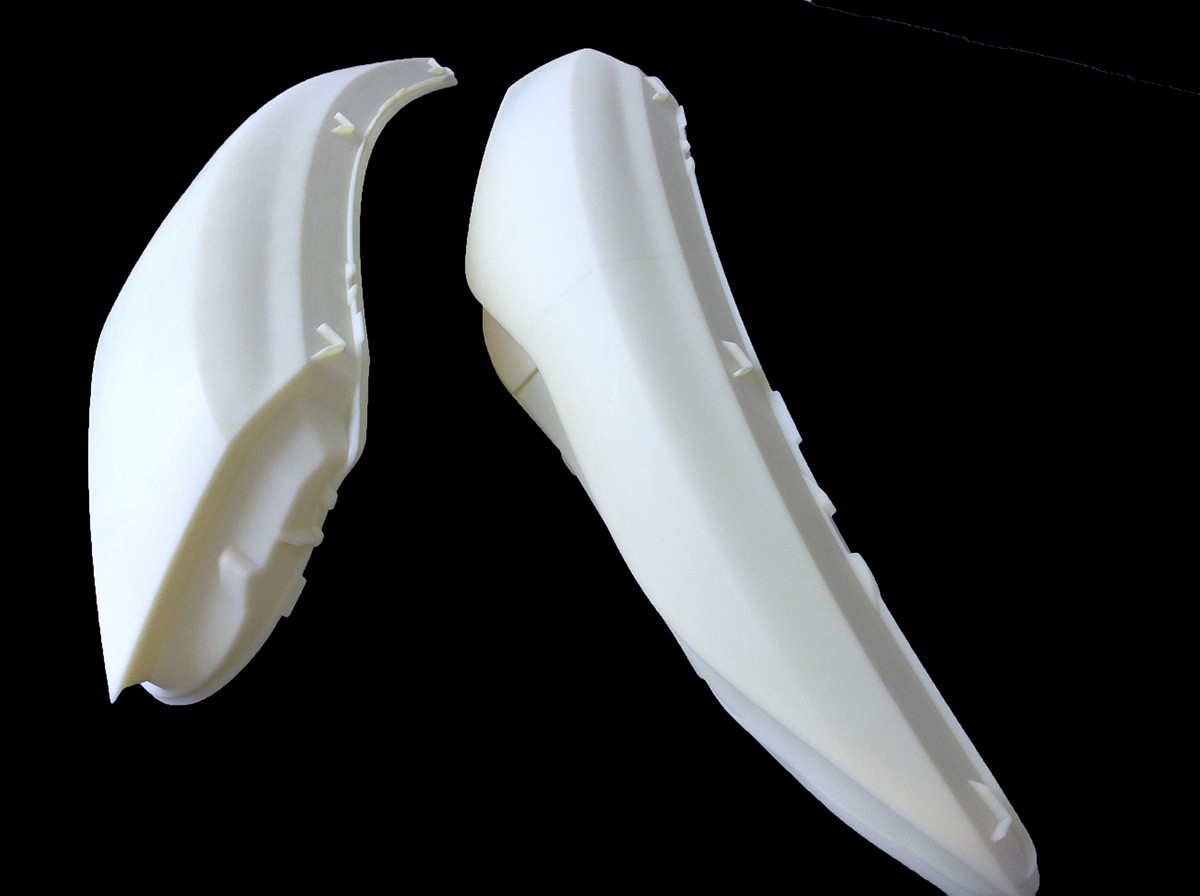
Conversely, top-tier partners demonstrate deep application expertise—for instance, experience machining thin-walled enclosures for RF modules or micro-features for fluidic devices.
They assign dedicated project engineers who speak the client’s technical language, understand design for manufacturability principles, and proactively flag potential issues before cutting begins.
Bole Solutions stands out in this landscape through a deliberate focus on partnership over transaction.
Based in Dongguan—a core hub of China’s precision manufacturing belt—Bole Solutions operates a modern facility housing over 60 CNC machining centres, including 5-axis simultaneous mills, Swiss-style lathes, and high-speed micromachining platforms.
What distinguishes Bole Solutions is its dual commitment to technical rigour and responsive collaboration.
Every project begins with a feasibility review led by senior process engineers who assess material selection, fixturing strategy, and tolerance stack-up implications—not just quoting speed.
Their team includes native English-speaking engineers with backgrounds in European and North American OEM environments, ensuring seamless interpretation of ASME Y14.5 standards and customer-specific requirements.
Bole Solutions’ quality system extends beyond compliance.
Its metrology lab features Zeiss CMMs, laser interferometers, and calibrated surface finish analysers—all maintained under strict environmental controls.
Clients consistently cite the company’s responsiveness during engineering change requests and its ability to manage mixed-material assemblies (e.g., aluminium housings with stainless steel inserts and embedded PCBs) as decisive advantages.
Importantly, Bole Solutions maintains direct relationships with Tier-1 material suppliers and surface finish vendors, eliminating subcontractor variability and enabling tighter control over delivery schedules.
Sustainability and Long-Term Viability Increasingly, global buyers evaluate CNC machining partners through an ESG lens.
Forward-thinking centres in China are adopting energy-efficient spindle motors, closed-loop coolant filtration, and solar-powered facility zones.
Bole Solutions, for example, recently completed installation of a smart energy management system that reduced peak power consumption by 18% without compromising cycle times.
Their ERP platform also supports carbon footprint tracking per order—helping clients meet sustainability reporting obligations.
Looking Ahead As Industry 4.0 technologies mature—digital twins, AI-driven predictive maintenance, real-time OEE dashboards—the gap between Chinese and Western CNC machining capabilities continues to narrow.
The decision to engage a CNC machining centre in China should therefore be grounded in capability alignment, not geography alone.
For companies prioritising precision, scalability, responsiveness, and long-term collaboration, partnering with a technically adept, transparent, and quality-obsessed provider delivers measurable ROI across product lifecycles.
In summary, CNC machining centres in China represent far more than a cost-saving option—they are strategic enablers of innovation and growth.
When selecting a partner, look beyond price sheets and certifications.
Seek evidence of engineering depth, process discipline, communication fluency, and shared values.
Bole Solutions exemplifies this evolution: a trusted, agile, and technically grounded partner helping global manufacturers bring high-performance parts to market—efficiently, reliably, and with confidence.