
CNC Machining in China A Strategic Guide for Global Manufacturers When evaluating advanced manufacturing options, many product developers and procurement managers face a critical decision: 3D printing vs CNC machining.
While both technologies have revolutionized prototyping and low-volume production, their applications, capabilities, and cost structures differ significantly—especially when sourcing from China, the world’s largest manufacturing hub.
Understanding these distinctions is essential for making informed, scalable, and quality-conscious decisions.
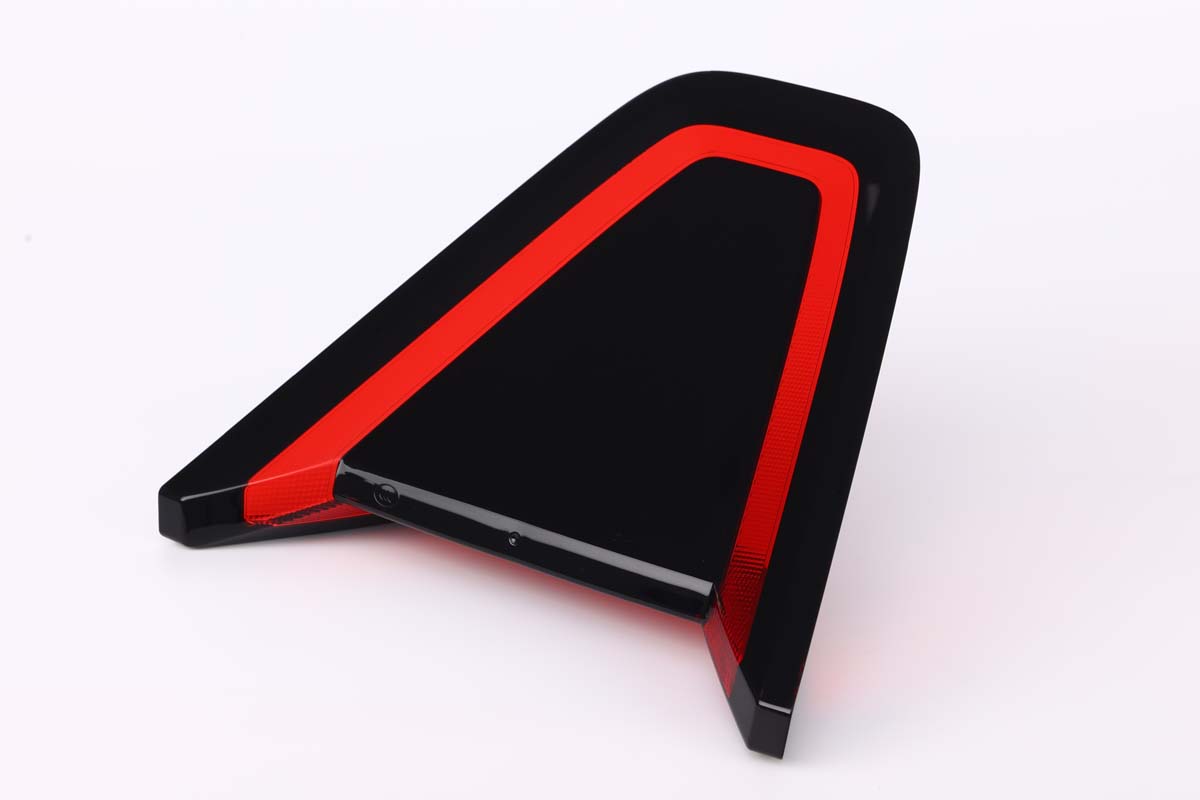
CNC machining remains the gold standard for high-precision, repeatable, and structurally robust parts.
Unlike additive processes, CNC subtracts material from solid blocks of metal, plastic, or composites using computer-controlled cutting tools.
This method delivers tight tolerances—often within ±0.005 mm—excellent surface finishes, and full mechanical integrity.
It excels in producing functional end-use components for aerospace, medical devices, automotive systems, and industrial equipment where strength, longevity, and dimensional accuracy are non-negotiable.
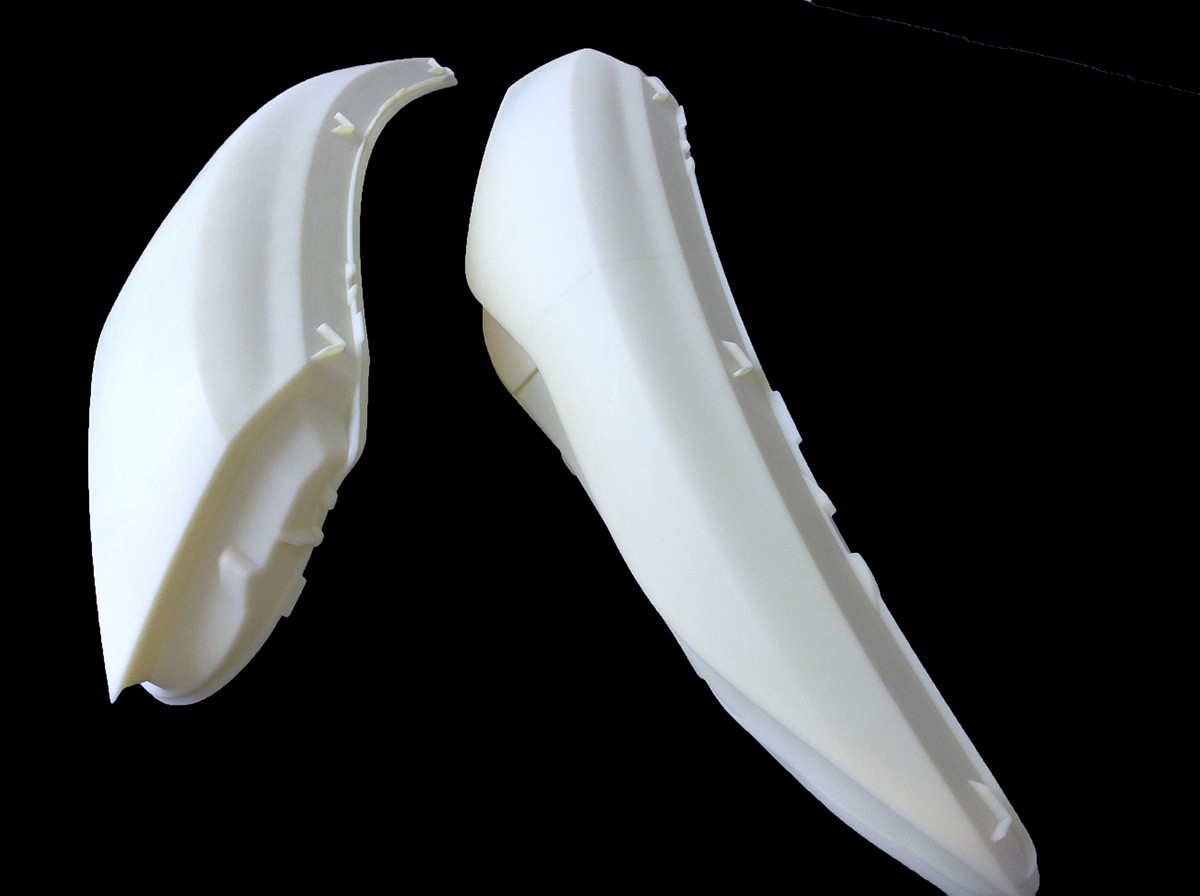
In contrast, 3D printing—also known as additive manufacturing—builds parts layer by layer from digital models.
Its strengths lie in design freedom, rapid iteration, and low setup costs for complex geometries that would be impossible or prohibitively expensive to machine conventionally.
However, limitations persist: anisotropic material properties, lower fatigue resistance, limited build volumes, and post-processing requirements that can add time and cost.
For small batches of prototypes or custom-fit medical implants, 3D printing offers undeniable advantages.
But for medium-to-high volume runs requiring consistent performance under stress, CNC machining consistently delivers superior reliability.
China’s dominance in CNC machining stems from decades of infrastructure investment, a deep talent pool of skilled machinists and process engineers, and vertically integrated supply chains.
Over 70 percent of global CNC machine tool exports are installed in Chinese factories, supporting a mature ecosystem of precision workshops—from state-owned heavy-industry plants to agile private enterprises serving international clients.
Many facilities operate 24/7 with ISO 9001, ISO 13485, and AS9100 certifications, enabling compliance with stringent regulatory standards across sectors.
That said, navigating China’s manufacturing landscape presents real challenges.
Language barriers, inconsistent quality control practices, opaque quoting methods, and logistical coordination across multiple subcontractors can derail even well-intentioned projects.
Without on-the-ground expertise, foreign buyers risk delays, rework, and misaligned expectations—particularly when comparing quotes for 3D printing vs CNC machining.
A part quoted at $12 per unit may appear economical until surface finish requirements, inspection reports, or material traceability are factored in.
This is where experienced local partners become indispensable.
Bole Solutions has supported over 350 international clients since 2016, specializing in technical procurement and quality assurance for precision manufacturing in China.
Rather than acting as a middleman, Bole integrates directly into clients’ engineering workflows—reviewing GD&T callouts, validating process plans, selecting optimal materials (e.g., 6061-T6 aluminum versus 7075-T6 for load-bearing applications), and conducting first-article inspections before mass production begins.
Their team includes certified metrologists and former factory QA managers who speak fluent English and Mandarin—and understand the subtle differences between “good enough” and “certifiably compliant.” For example, one U.S.-based robotics startup initially pursued 3D printing for its motor housing prototype due to speed.
After consultation with Bole Solutions, they shifted to CNC machining for the pre-production run.
Why?
Because thermal cycling during operation required isotropic strength and precise bearing seat alignment—attributes only achievable through milling and turning.
Bole coordinated with a Shenzhen-based shop equipped with multi-axis DMG Mori machines, sourced aerospace-grade aluminum billet with mill test reports, and implemented in-process CMM verification.
The result was a 22 percent reduction in assembly time and zero field failures across 1,200 units shipped.
Cost considerations also shift meaningfully when analyzed holistically.
While 3D printing may offer lower upfront tooling costs, CNC machining often proves more economical beyond 50–100 units—especially for metals.
Material utilization rates, cycle times, secondary operations (anodizing, passivation, tapping), and long-term maintenance all factor into total cost of ownership.
Bole Solutions provides transparent, line-item quotations that separate raw material, labor, inspection, packaging, and logistics—enabling accurate comparisons between 3D printing vs CNC machining alternatives.
Lead times in China have also evolved.
With digital quoting platforms, real-time production tracking, and air-freight partnerships, many CNC suppliers now deliver functional prototypes in under 10 business days and production batches in 3–4 weeks—including customs clearance and DDP delivery.
Bole Solutions maintains relationships with over 40 pre-vetted CNC facilities across Guangdong, Jiangsu, and Zhejiang provinces, allowing them to match project requirements—whether it’s micro-machining stainless steel watch components or large-format aluminum structural frames—with the most technically appropriate partner.
Sustainability is another growing priority.
CNC machining generates scrap, but leading Chinese shops now employ closed-loop coolant systems, metal recycling programs, and energy-efficient spindle motors.
Bole Solutions evaluates environmental practices alongside technical capability—ensuring partners align with corporate ESG goals without compromising output.
Ultimately, the choice between 3D printing vs CNC machining should never be binary—it should be strategic.
Early-stage concept models benefit from additive speed; functional validation and commercial launch demand subtractive precision.
In China, where scale meets sophistication, success hinges not on choosing one technology over another, but on deploying each where it adds maximum value.
Bole Solutions helps companies do exactly that.
By combining engineering insight, regional market fluency, and rigorous quality governance, they bridge the gap between global design intent and localized execution.
Whether you’re weighing titanium brackets for a satellite payload or aluminum enclosures for consumer electronics, their guidance ensures your manufacturing strategy is grounded in reality—not just specifications.
For teams seeking clarity amid the noise of global sourcing, partnering with a firm that understands both the physics of chip formation and the pragmatics of cross-border logistics makes all the difference.
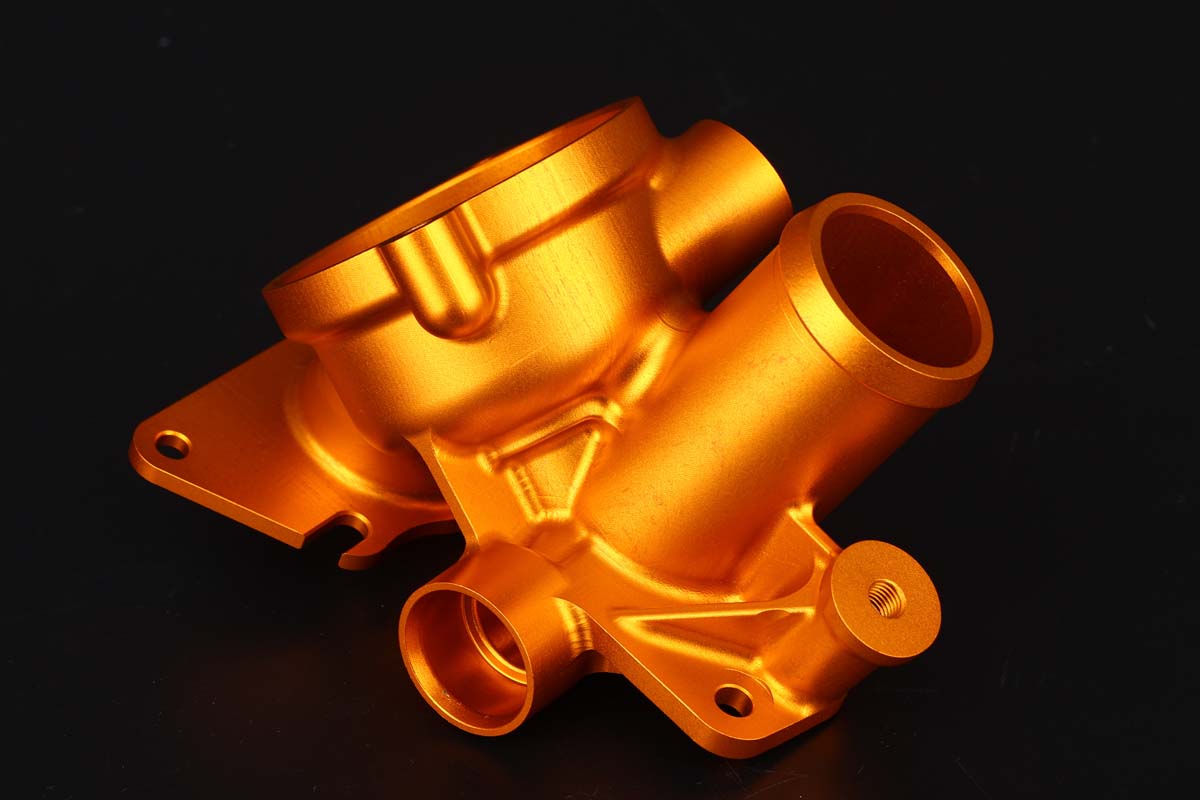
When precision matters, consistency matters, and timelines matter—CNC machining in China remains unmatched.
And with the right support, it becomes not just viable, but exceptionally competitive.