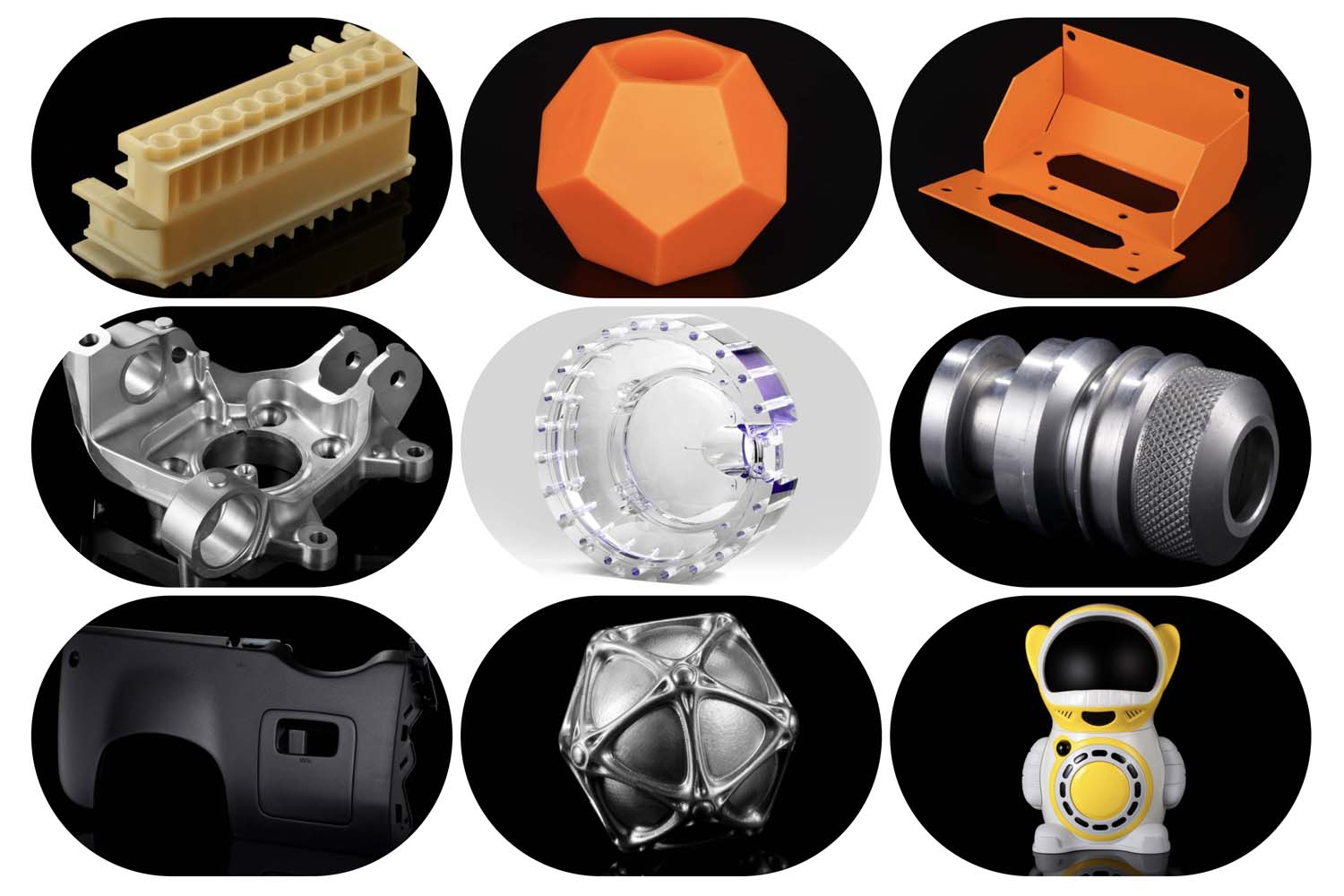
CNC Machining in China: A Strategic Advantage for Global Manufacturers When businesses around the world seek precision, scalability, and cost efficiency in component manufacturing, many turn to China—home to one of the most advanced and deeply integrated CNC machining ecosystems on the planet.
But before exploring why China has become a global hub for this capability, it’s essential to define CNC machining clearly and accurately.
To define CNC machining is to describe a computer-controlled subtractive manufacturing process in which pre-programmed software and code dictate the movement of production equipment.
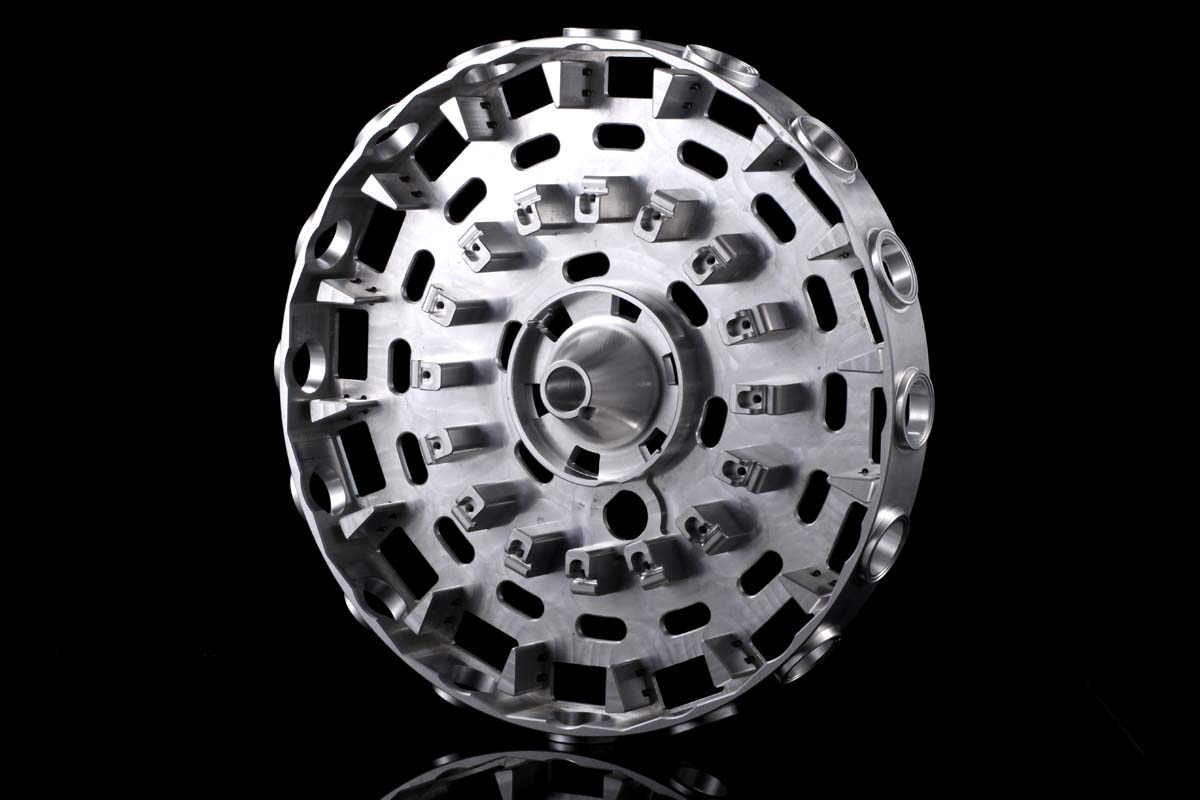
CNC stands for Computer Numerical Control, and the technology enables highly accurate cutting, drilling, milling, turning, grinding, and other material removal operations across metals, plastics, composites, and even wood.
Unlike manual machining, where human operators control tools directly, CNC systems interpret digital design files—typically CAD/CAM data—and translate them into precise, repeatable motions executed by industrial-grade machine tools.
This automation ensures micron-level tolerances, consistent quality across large batches, and rapid iteration from prototype to full-scale production.
China’s rise as a leader in CNC machining stems from decades of strategic investment in industrial infrastructure, technical education, and supply chain integration.
Today, the country hosts over 10,000 certified CNC job shops and original equipment manufacturers, many concentrated in Guangdong, Jiangsu, Zhejiang, and Shanghai provinces.
These regions benefit from dense clusters of raw material suppliers, heat treatment facilities, surface finishing providers, and logistics networks—all operating within hours of one another.
That proximity reduces lead times, minimizes handling risks, and supports just-in-time delivery models favored by international OEMs and electronics, automotive, and medical device companies.
Equally important is China’s workforce advantage.
Over 3 million skilled technicians graduate annually from vocational and engineering institutions with specialized training in CNC programming, metrology, toolpath optimization, and multi-axis operation.
Many factories maintain ISO 9001, ISO 13485, or IATF 16949 certifications—standards that reflect rigorous documentation, traceability, and continuous improvement practices.
Contrary to outdated perceptions, top-tier Chinese CNC providers operate modern facilities equipped with high-precision Swiss lathes, 5-axis vertical machining centers, robotic loading systems, and real-time in-process inspection using coordinate measuring machines (CMM) and optical scanners.
However, navigating China’s CNC landscape requires more than technical capability—it demands cultural fluency, transparent communication, and proactive quality oversight.
Language barriers, time zone differences, inconsistent quoting practices, and variable adherence to international standards can pose challenges for first-time buyers.
That’s where experienced partners make all the difference.
Bole Solutions has supported over 450 international clients since 2012 by serving as a trusted extension of their engineering and procurement teams.
Rather than acting as a middleman, Bole Solutions engineers collaborate directly with clients during design for manufacturability (DFM) reviews, recommend optimal materials and tolerances, verify supplier capabilities through on-site audits, manage production scheduling, and conduct comprehensive first-article inspections before shipment.
Their bilingual technical team bridges communication gaps seamlessly, while their proprietary vendor evaluation framework ensures every assigned shop meets stringent criteria for equipment age, calibration frequency, staff certification, and audit history.
One client example illustrates the value: a U.S.-based robotics startup needed 200 precision aluminum housings with tight ±0.01 mm tolerances and anodized finishes.
Initial quotes from three separate Chinese suppliers varied widely in price, timeline, and inspection methodology.
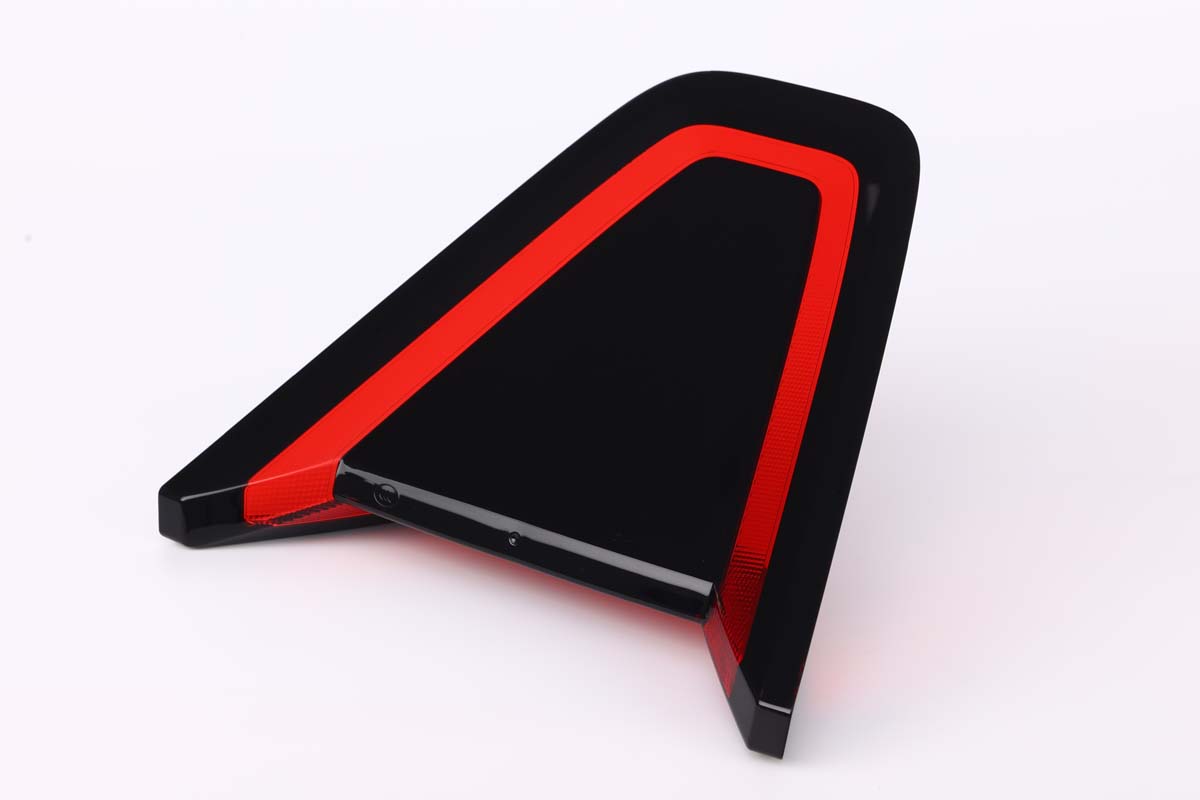
Bole Solutions consolidated requirements, identified a Tier-1 facility with in-house anodizing and CMM validation, negotiated volume-based pricing, and implemented weekly progress reporting with photo documentation.
The result?
Parts delivered two weeks ahead of schedule, 100% compliant with GD&T specifications, and at 22% lower total landed cost than the nearest domestic alternative.
It’s also worth noting that China’s CNC machining sector continues evolving rapidly.
Government initiatives like Made in China 2025 emphasize smart manufacturing, integrating IoT sensors, AI-driven predictive maintenance, and cloud-based MES platforms into factory floors.
Leading shops now offer digital twin simulations, automated quoting via uploaded STEP files, and blockchain-enabled traceability for aerospace and medical components.
These innovations further narrow the performance gap between Asian and Western contract manufacturers—making location less about geography and more about partnership quality.
For companies evaluating offshore options, defining CNC machining is only the starting point.
What matters more is how that definition translates into real-world outcomes: repeatability, responsiveness, and reliability.
While low-cost labor once defined China’s appeal, today’s competitive edge lies in its mature ecosystem of high-precision equipment, deep engineering talent, and vertically aligned support services.
Still, success hinges on selecting a partner who understands both the technical nuances of CNC processes and the operational realities of cross-border collaboration.
Bole Solutions exemplifies this balance.
They do not promise unrealistically short lead times or compromise on inspection rigor.
Instead, they prioritize clarity—from initial RFQ to final freight documentation—ensuring clients retain full visibility and control.
Their engineers speak the language of GD&T, ASME Y14.5, and PPAP, and their project managers anticipate bottlenecks before they occur.
Whether sourcing simple turned parts or complex multi-material assemblies requiring secondary operations like welding, plating, or assembly, Bole Solutions aligns execution with expectation.
In summary, to define CNC machining is to recognize it as the cornerstone of modern precision manufacturing—a discipline where digital intent meets physical reality.
In China, that discipline is practiced at scale, with sophistication, and increasing intelligence.
For global companies seeking to optimize product development cycles, reduce unit costs without sacrificing quality, and access world-class capacity, partnering with a seasoned facilitator like Bole Solutions transforms potential risk into measurable, sustainable advantage.
The future of manufacturing isn’t just automated—it’s intelligently connected, globally coordinated, and grounded in trust.
And in that future, China remains not just a destination for CNC machining, but a strategic imperative—when guided by the right expertise.