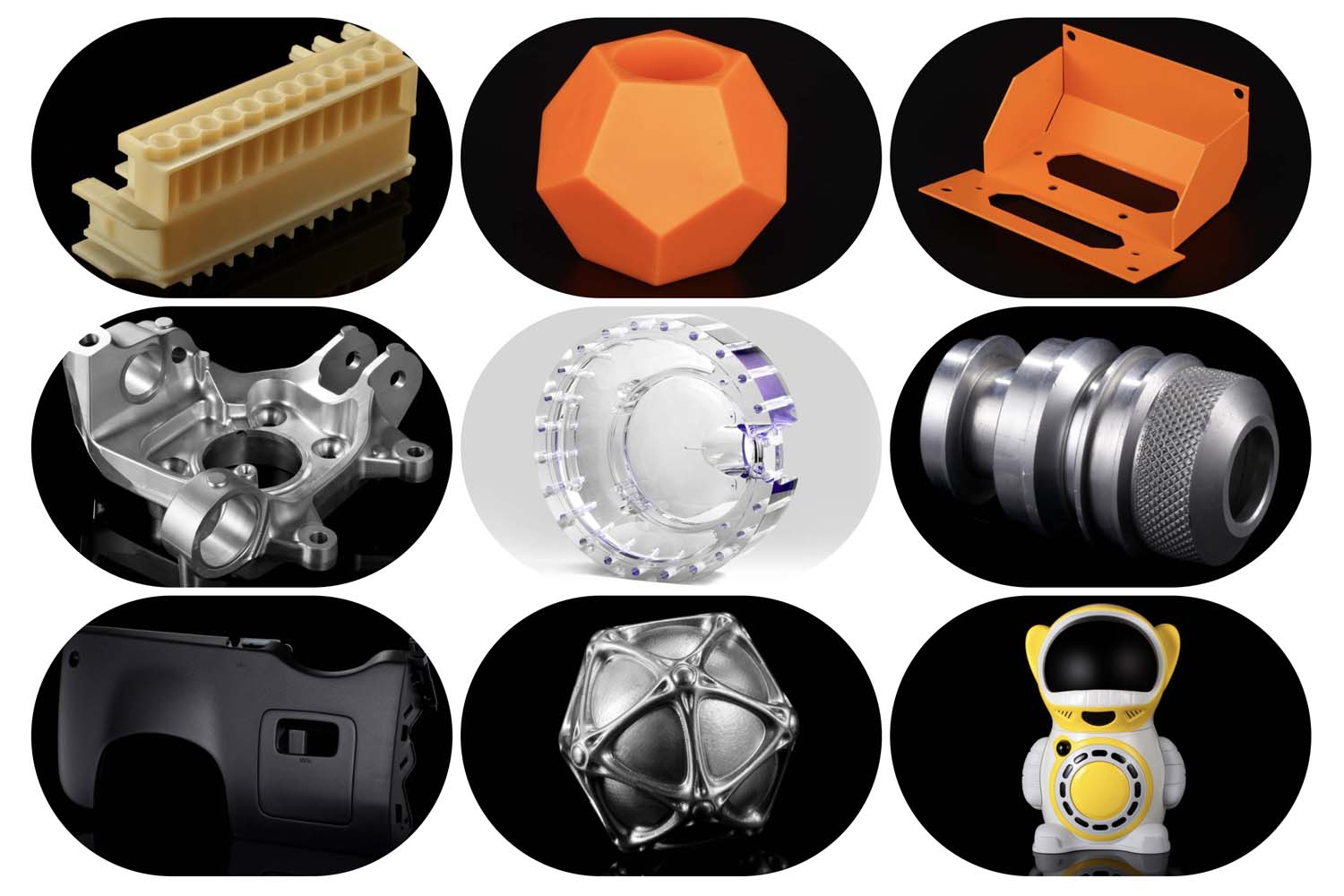
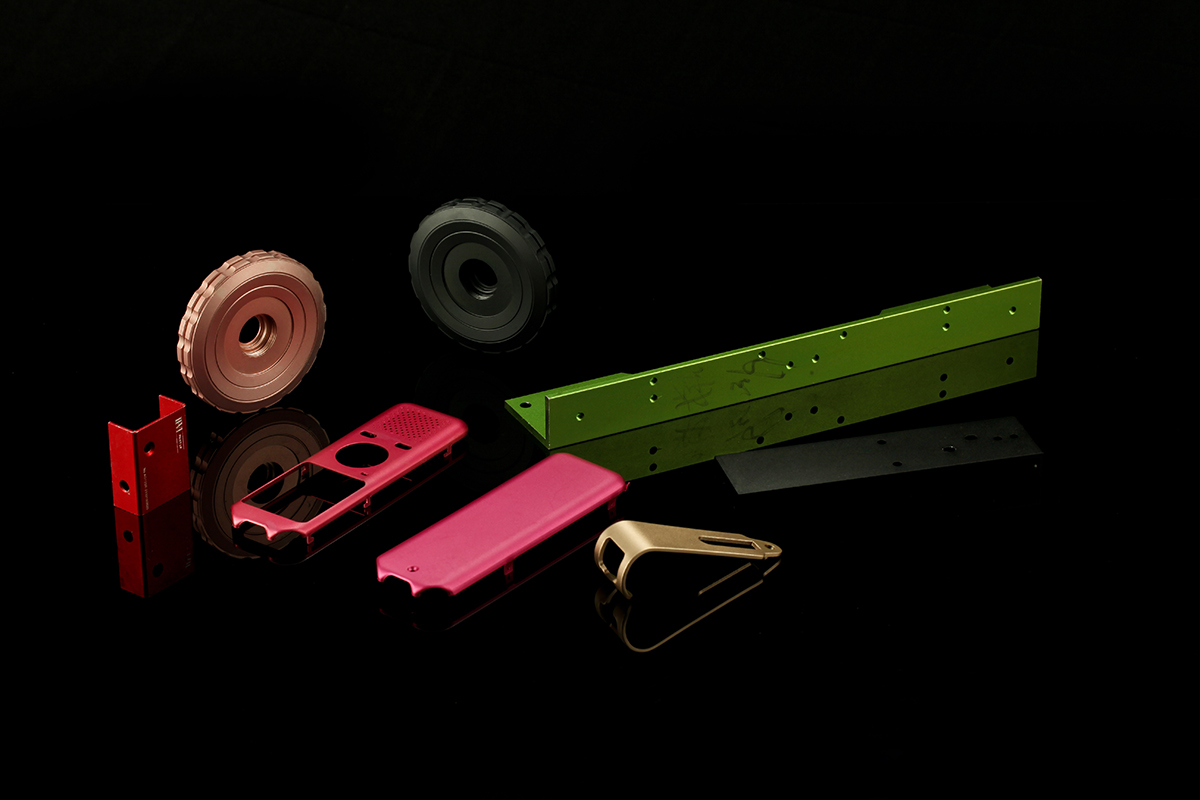
Custom aluminum CNC machining is attractive because aluminum machines quickly, supports good cosmetic finish, and works across prototype and production programs. The challenge is that custom geometry often brings thin walls, wide pockets, or cosmetic faces that react badly to poor clamp control and uneven material removal. Suppliers should therefore review wall thickness, datum order, cutter reach, and finishing allowance before locking the route.
Quick answer
Strong custom aluminum CNC machining depends on wall-support strategy, finish-pass discipline, sensible tolerance planning, and a route that stays efficient without overstressing the part.
Customer pain points this article solves
- Thin walls and wide pockets move after roughing because the route removes too much stock before the part is stable.
- Visible faces pick up tool marks, clamp marks, or inconsistent finish because cosmetic requirements were not planned into machining and deburring.
- The quotation looks attractive, but cost rises later because unnecessary tolerances or extra setups were left inside the route.
Key engineering parameters
| Parameter | Typical engineering range | Why it matters |
|---|---|---|
| Wall-thickness control | Support strategy matched to geometry | Reduces chatter, movement, and post-machining distortion |
| Finish allowance | Enough stock for stable finishing pass | Protects visible surfaces and final dimensional control |
| Tool reach versus rigidity | Shortest stable toolpath possible | Improves surface quality and lowers cycle-time waste |
| Tolerance intensity | Critical features separated from general features | Keeps cost and inspection load aligned with function |
Application fit by scenario
| Scenario | Typical risk | Preferred engineering focus |
|---|---|---|
| Prototype housings | Fast changes with cosmetic requirements | Use rapid DFM feedback and controlled finish strategy |
| Anodized aluminum parts | Surface defects become more visible after finishing | Protect edge quality and pre-finish surface condition |
| Lightweight brackets | Wall movement during clamping | Support the part without over-constraining thin sections |
| Repeat production lots | Cycle-time pressure creates quality drift | Standardize roughing, finishing, and deburring logic |
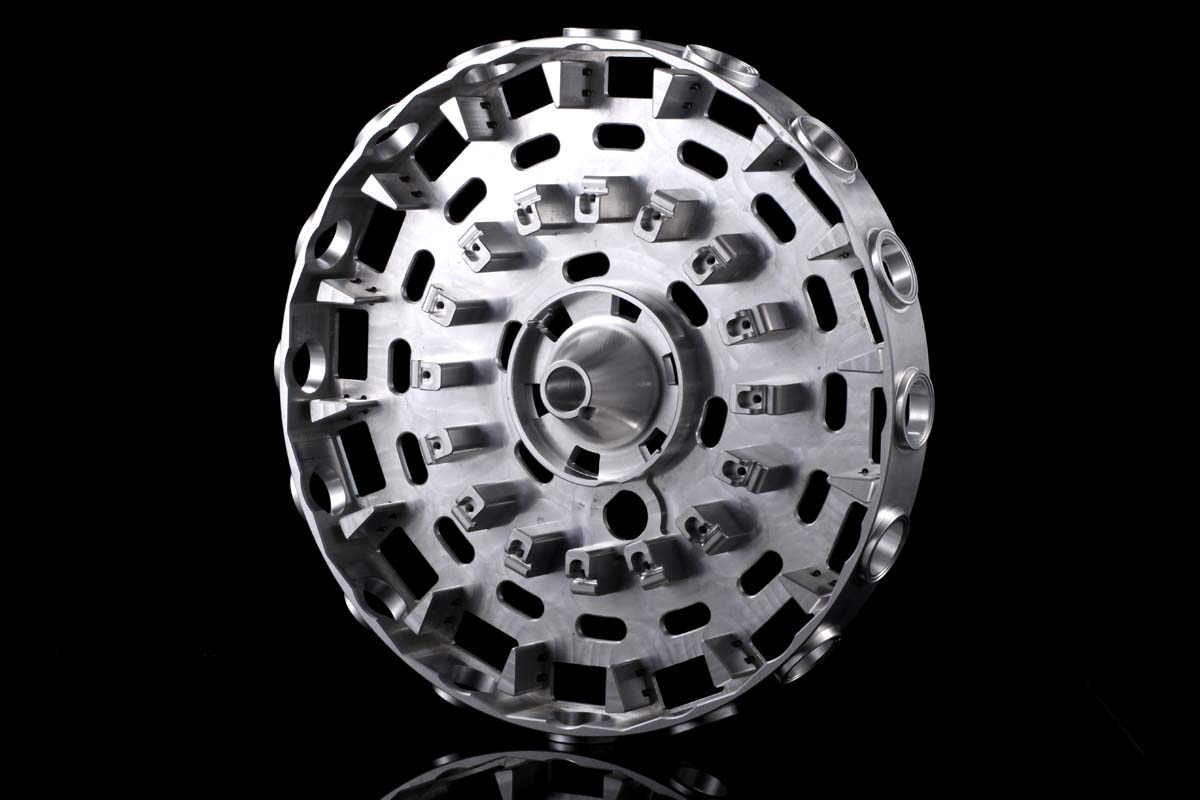
Aluminum is easy to cut but easy to damage
Machinability does not remove the need for discipline. Aluminum usually supports fast material removal, but thin walls, cosmetic surfaces, and flat reference faces can still move or mark easily when clamping, roughing, and finish-pass strategy are not coordinated. That is why custom aluminum work should begin with geometry review rather than with feed-rate assumptions.
Finish quality has to be built into the route
Visible aluminum parts often fail because cosmetic quality is treated as a final-stage cleanup issue. In reality, surface finish depends on stock allowance, cutter condition, chip control, and deburring sequence throughout the route. A strong supplier protects the final appearance before the part ever reaches surface finishing or anodizing.
Cost efficiency comes from DFM, not from cutting corners
Many aluminum parts can be quoted more intelligently after a DFM review removes nonfunctional tolerances, awkward deep features, or unnecessary re-clamping. Buyers save more when the route is simplified early than when suppliers try to compress time later with risky machining shortcuts.
Prototype speed should still support production readiness
Custom aluminum programs often begin as samples and then move toward repeat demand. That is why it helps to connect hızlı prototipleme with the later surface-finishing path so geometry learning and cosmetic control are not lost during handoff.
Related path
Use the rapid prototyping page and the surface finishing page when aluminum parts need both fast iteration and stable final appearance.
Why this matters in production
The best aluminum machining route is the one that protects wall stability, cosmetic finish, and manufacturing efficiency at the same time. That balance is what turns custom aluminum work into a repeatable process instead of a one-off success.