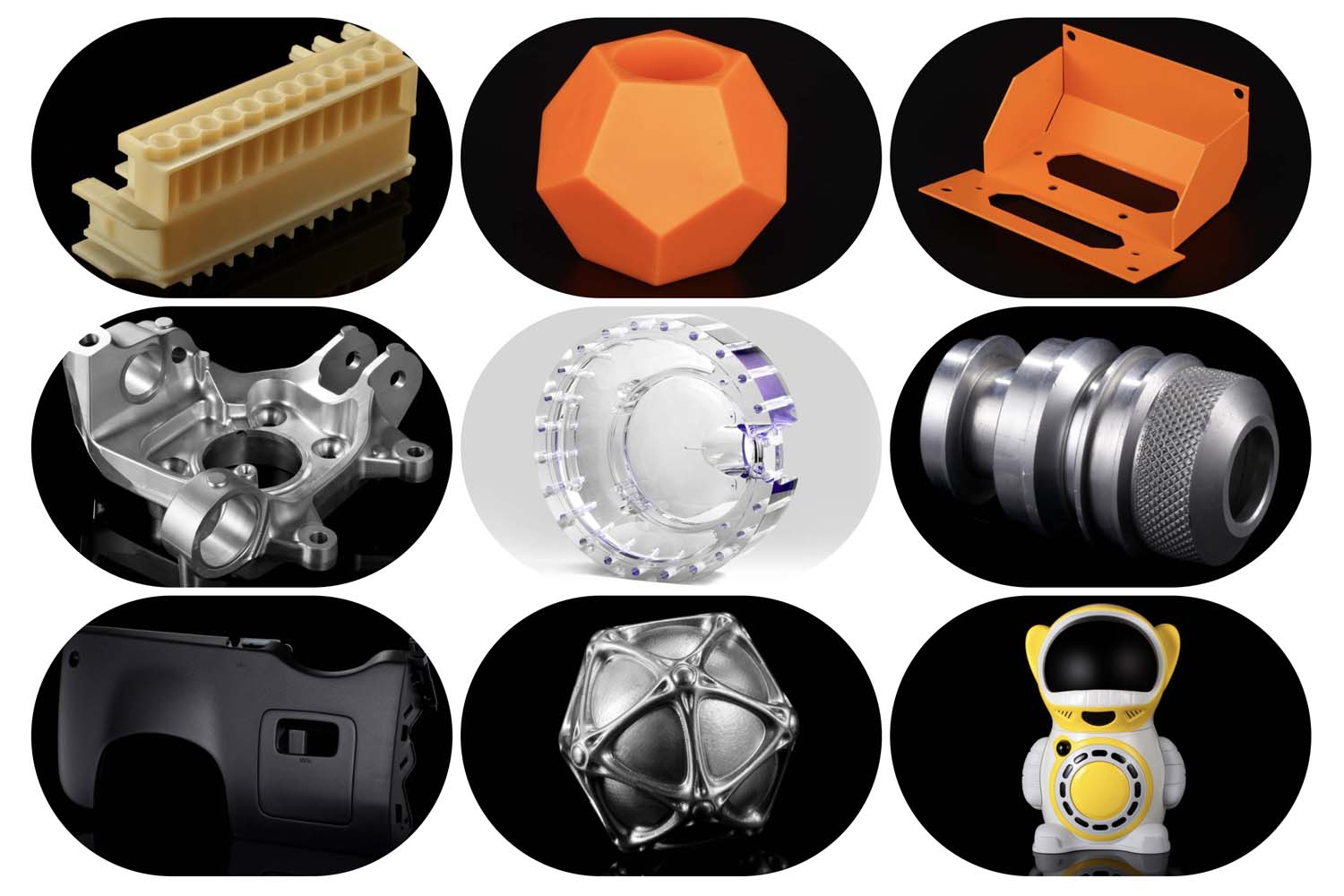
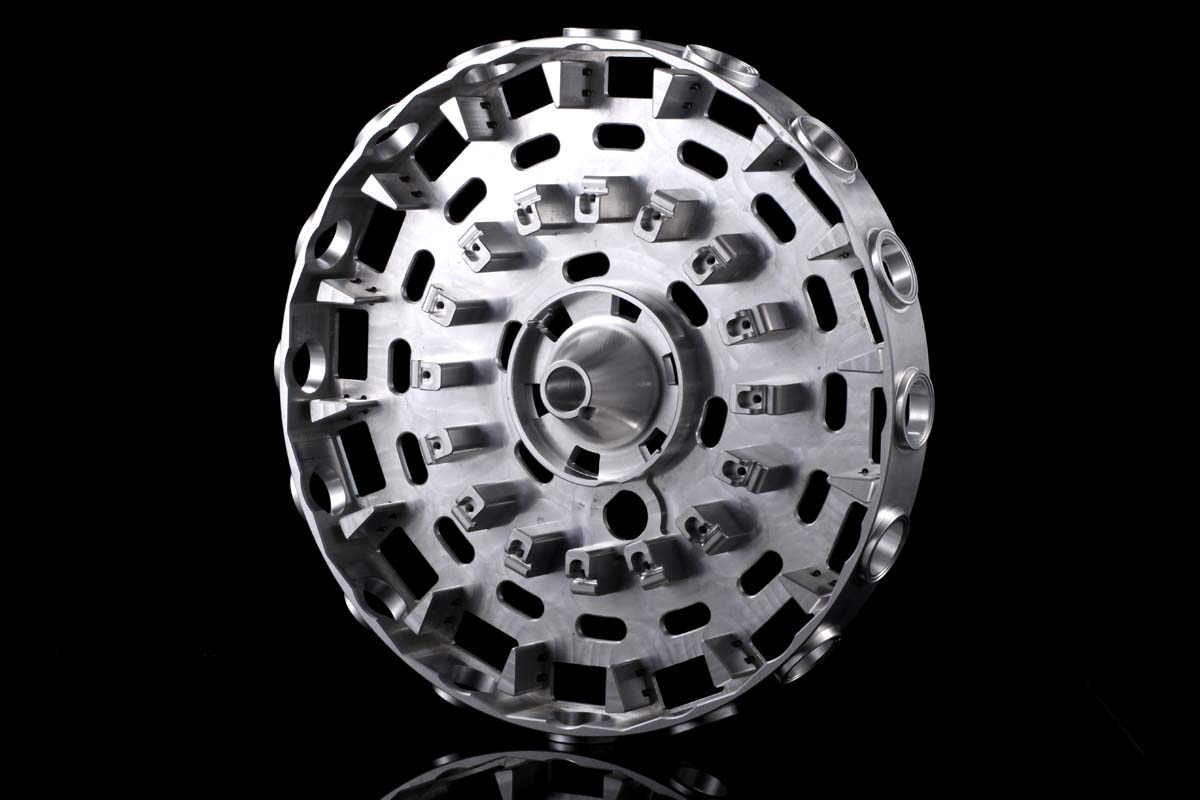
The right CNC machining tools influence chip shape, burr level, heat input, surface finish, and dimensional drift. Tool selection is therefore a process-control decision, not just a purchasing choice.
Quick answer
Tool geometry, wear limits, holder quality, and feature match should all be defined before production if the route is expected to stay stable through the batch.
Customer pain points this article solves
- Surface finish fading late in the run because wear limits were never defined.
- Burr growth caused by tool geometry that does not match the feature.
- Tooling chosen by habit instead of by material and rigidity conditions.
Key engineering parameters
| Parameter | Typical engineering range | Why it matters |
|---|---|---|
| Geometry | Helix, rake, flute count, nose radius | Controls chip behavior and finish |
| Wear limit | Dimension or finish trigger | Protects the last parts in the lot |
| Runout | Holder and setup quality | Affects diameter stability and tool life |
| Feature match | Slot, wall, pocket, finish pass | Stops one tool style from being forced everywhere |
Application fit by scenario
| Scenario | Typical risk | Preferred engineering focus |
|---|---|---|
| Aluminum finishing | Prioritize clean edge and chip evacuation | |
| Stainless work | Control heat and wear rate | |
| Acrylic or plastics | Limit melting and edge rollover | |
| Mixed-operation jobs | Separate roughing and finishing logic |
Tool geometry should follow the feature
A cutter that works well on a face pass can fail badly in a deep slot or a thin-wall finish pass. Geometry should reflect the feature, chip evacuation path, and deflection risk.
Wear limits protect the final parts in the batch
Processes that only monitor the first acceptable pieces usually miss the slow decline at the end of the lot. Defined wear limits convert tooling into a controlled variable.
Finish quality depends on the whole tool system
Cutter choice matters, but so do holder stiffness, runout, coolant delivery, and the final-pass strategy. Finish stability comes from the system, not the insert alone.
Related path
Review the CNC machining page together with the surface finishing path when tooling is driven by burr or finish risk.
Why this matters in production
Tooling decisions are where quality, cycle time, and finish stability meet. Strong tool strategy keeps all three under control.