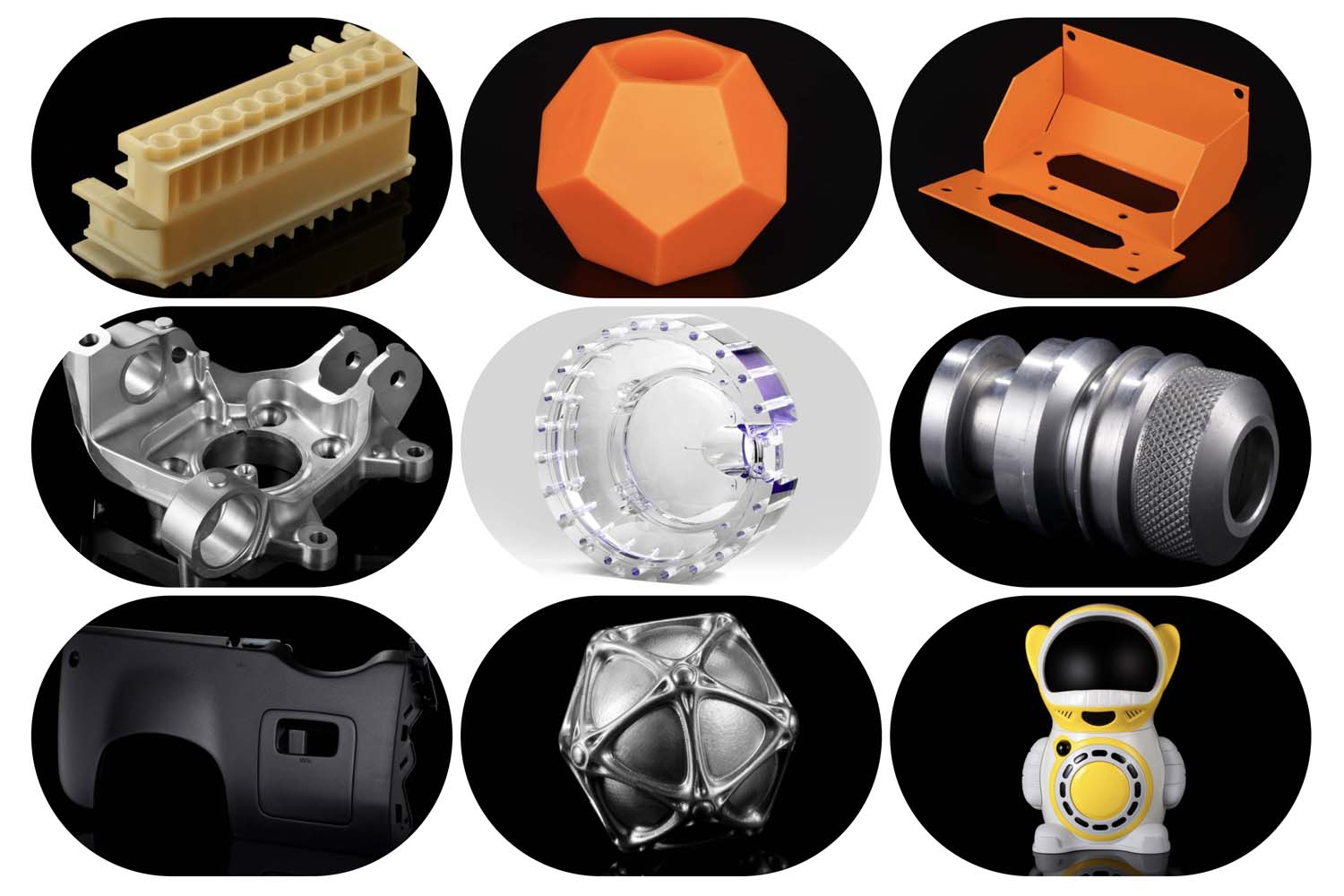
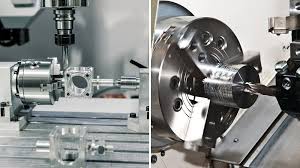
Compreensão CNC Machining Meaning and Its Strategic Role in Global Manufacturing CNC machining meaning refers to the use of computer numerical control technology to automate machine tools such as mills, lathes, routers, and grinders.
Unlike traditional manual machining, where operators physically guide tools using levers and wheels, CNC machining relies on pre-programmed software and code—typically G-code—to direct precise movements, speeds, and tool paths.
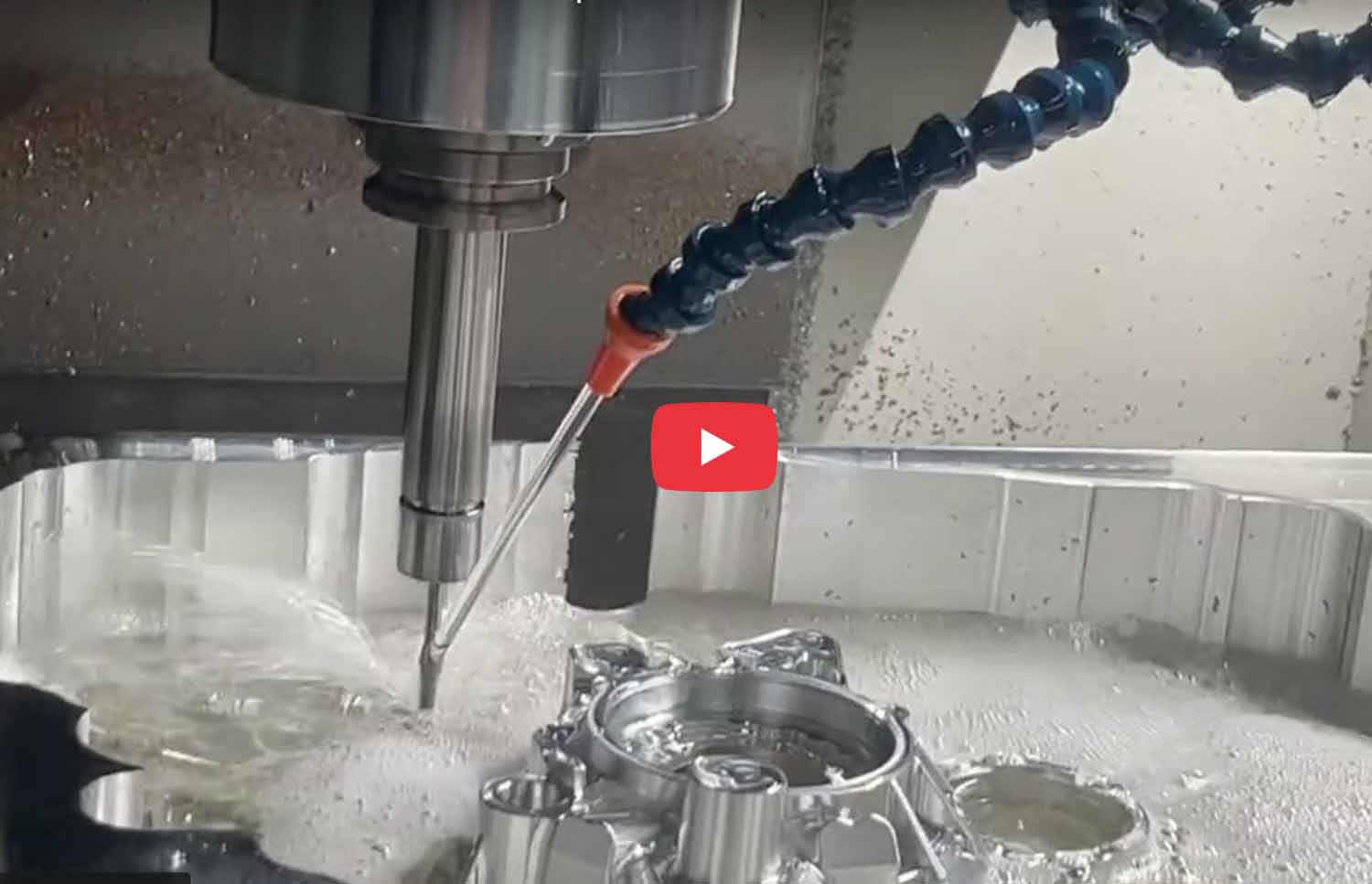
This digital precision enables consistent repeatability, tighter tolerances, and complex geometries that would be impractical or impossible to achieve by hand.
At its core, CNC machining meaning encompasses both the technical process and the broader manufacturing philosophy: transforming digital designs into high-accuracy physical parts through automated, data-driven production.
China has emerged as a dominant force in global CNC machining—not only due to scale but because of its integrated ecosystem of engineering talent, supply chain maturity, and continuous infrastructure investment.
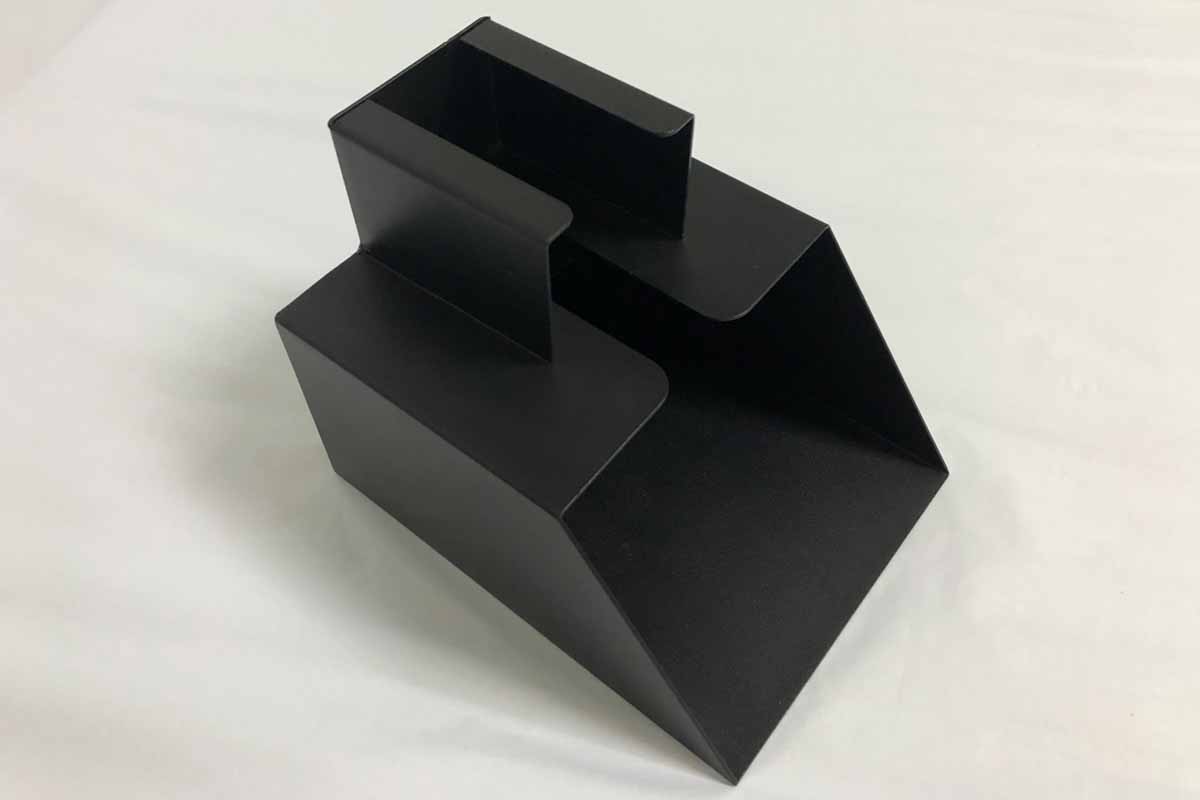
Over the past two decades, Chinese manufacturers have upgraded from basic metalworking to advanced multi-axis machining, high-speed milling, and tight-tolerance micro-machining.
Today, many facilities operate ISO 9001-certified quality systems, support GD&T (Geometric Dimensioning and Tolerancing) standards, and comply with international material specifications such as ASTM, JIS, and DIN.
This evolution makes China a compelling destination for companies seeking cost-effective yet technically capable CNC partners—especially those requiring medium-to-high volume runs without compromising on dimensional accuracy or surface finish.

Why Companies Choose CNC Machining in China Cost efficiency remains a primary driver—but it’s not just about lower labor rates.
Chinese CNC service providers benefit from economies of scale in raw material procurement, streamlined logistics networks, and vertically integrated capabilities.
For example, a single supplier may offer CNC turning, milling, EDM, surface finishing, and even light assembly—all under one roof.
This reduces lead times, minimizes inter-facility coordination risks, and simplifies vendor management.
Moreover, competitive domestic demand has accelerated adoption of Industry 4.0 technologies: real-time monitoring dashboards, predictive maintenance algorithms, and cloud-based job tracking are increasingly standard—not premium add-ons.

Another advantage lies in responsiveness.
Many Chinese CNC shops operate on agile quoting models, offering rapid prototyping within 3–5 business days and production-ready parts in as little as two weeks—even for complex assemblies.
This speed is supported by widespread availability of common alloys like aluminum 6061 and 7075, stainless steels (303, 304, 316), brass, titanium, and engineering plastics including POM, PEEK, and ULTEM.
Equally important is flexibility: whether a client needs ten prototype units or ten thousand production pieces, Chinese manufacturers routinely adjust capacity without sacrificing quality control discipline.
Quality Assurance in Practice A common misconception is that low-cost CNC machining equates to compromised quality.
In reality, leading providers in China invest heavily in metrology and process validation.
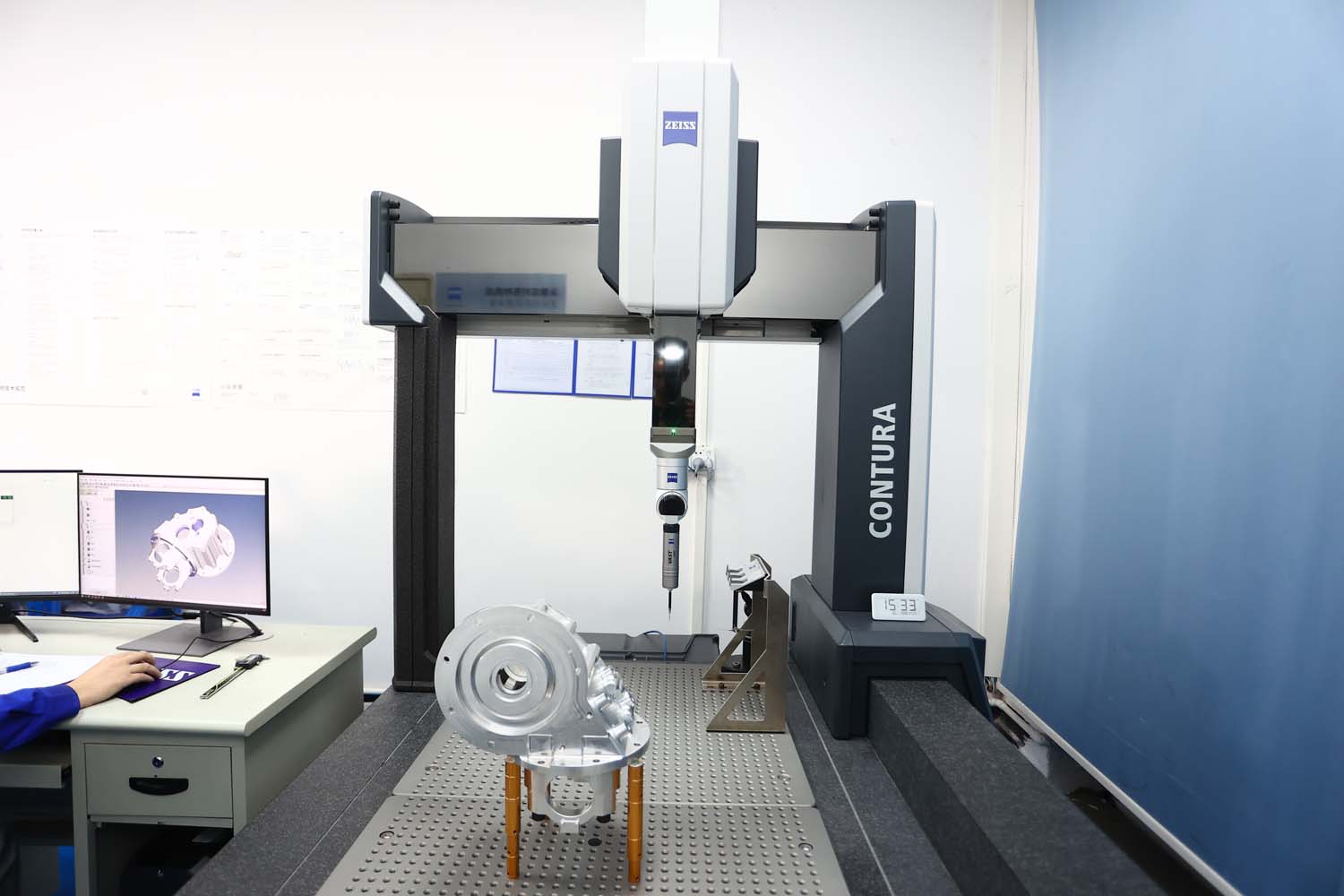
Coordinate measuring machines (CMMs), optical comparators, surface roughness testers, and hardness analyzers are standard equipment in reputable facilities.
First-article inspections, in-process checks, and final comprehensive reports—including dimensional reports, material certifications, and RoHS compliance documentation—are delivered with every order.
Traceability is built into workflows: each part carries a unique identifier linked to its machining program, tool wear logs, and operator records.
This level of rigor ensures consistency across batches and supports regulatory requirements for medical, aerospace, and automotive applications.
Bole Solutions stands out in this landscape by combining deep technical expertise with transparent, client-centric operations.
As a trusted partner for North American, European, and APAC-based engineering firms, Bole Solutions specializes in precision CNC machining meaning—interpreting design intent accurately, optimizing manufacturability early in the process, and delivering parts that meet or exceed specification.
Their team includes certified CNC programmers, mechanical engineers, and quality assurance specialists fluent in ASME Y14.5 standards.
What differentiates Bole Solutions is not just capability—it’s communication.
Clients receive detailed DFM (Design for Manufacturability) feedback before quoting, real-time production updates via secure portals, and dedicated engineering support throughout the project lifecycle.
Whether sourcing custom enclosures for IoT hardware, hydraulic manifolds for industrial equipment, or surgical instrument components, Bole Solutions bridges the gap between conceptual design and functional reality—without ambiguity or delay.
Sustainability and Future-Readiness Forward-looking CNC machining providers in China are also addressing environmental responsibility.
Energy-efficient spindle motors, closed-loop coolant recycling systems, and scrap metal recovery programs are now embedded in operational protocols.
Bole Solutions, for instance, maintains an active sustainability roadmap—including solar-powered facility zones and zero-landfill waste initiatives—demonstrating that responsible manufacturing and precision engineering coexist seamlessly.

Looking ahead, the future of CNC machining meaning continues to evolve with AI-assisted programming, hybrid additive-subtractive platforms, and tighter integration with digital twin technologies.
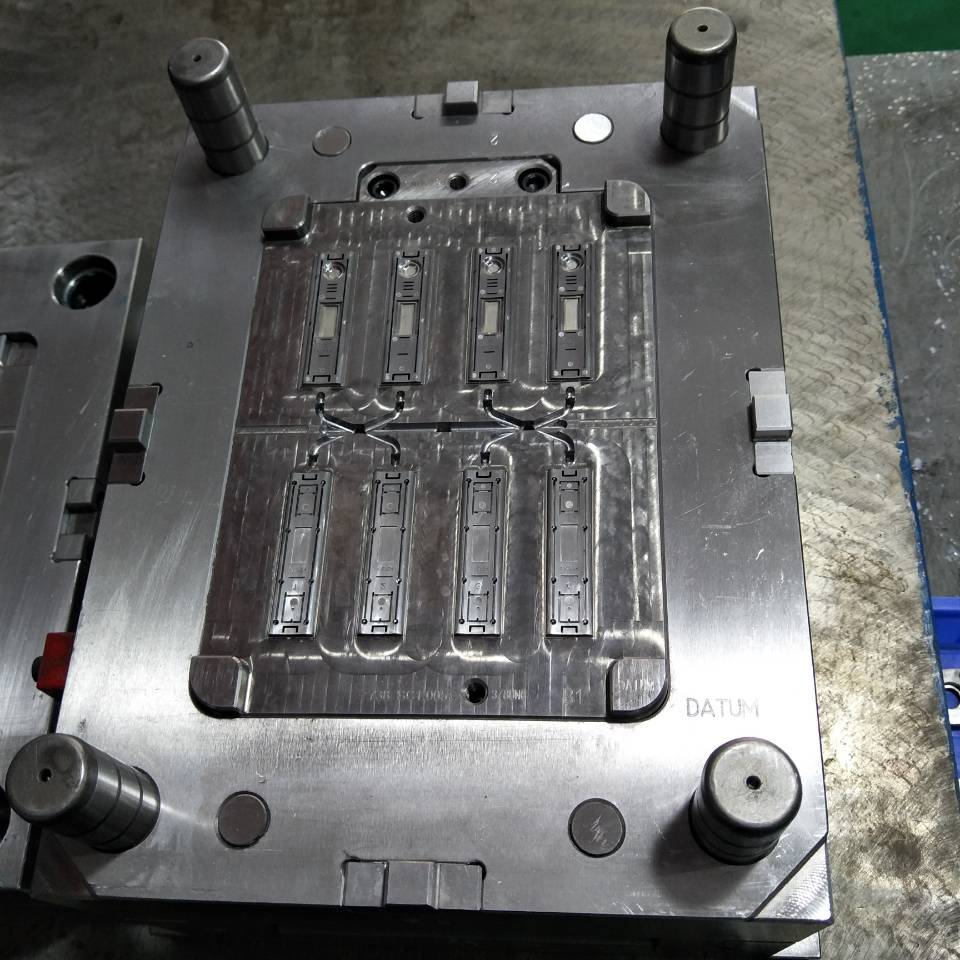
Chinese manufacturers at the forefront—like Bole Solutions—are not waiting for these innovations; they are deploying them today to enhance predictability, reduce iteration cycles, and empower clients with greater design freedom.
In summary, CNC machining meaning is far more than automated cutting—it represents a convergence of digital intelligence, mechanical precision, and disciplined execution.
When executed at scale with integrity and transparency, it becomes a strategic advantage.
For companies evaluating global sourcing options, partnering with a technically rigorous, communicative, and quality-obsessed provider in China offers tangible benefits: faster time-to-market, lower total landed costs, and uncompromised performance.
Bole Solutions exemplifies how modern CNC machining meaning translates into real-world reliability, innovation support, and long-term partnership value—making it a natural choice for discerning engineers and procurement leaders worldwide.