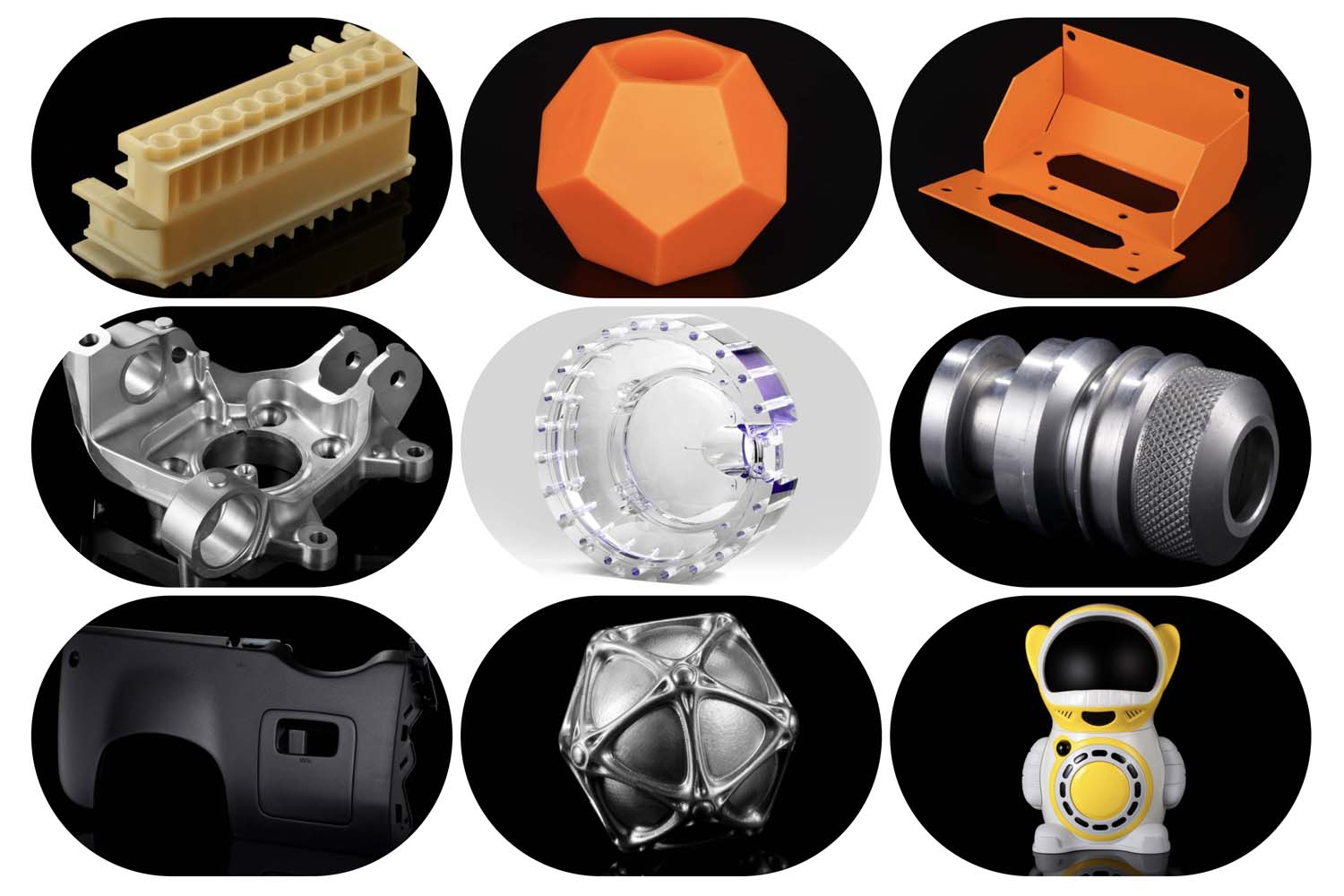
CNC Machining Aluminum in China A Strategic Advantage for Global Manufacturers When it comes to precision manufacturing, CNC machining aluminum stands out for its exceptional balance of strength, weight, corrosion resistance, and machinability.
As global supply chains evolve and cost-efficiency becomes increasingly critical, manufacturers across aerospace, automotive, medical, electronics, and consumer goods sectors are turning to China—not just as a low-cost option, but as a high-capability hub for aluminum CNC machining.
This shift is driven by decades of investment in advanced infrastructure, skilled labor development, and rigorous quality systems—making China a compelling destination for technically demanding aluminum parts.
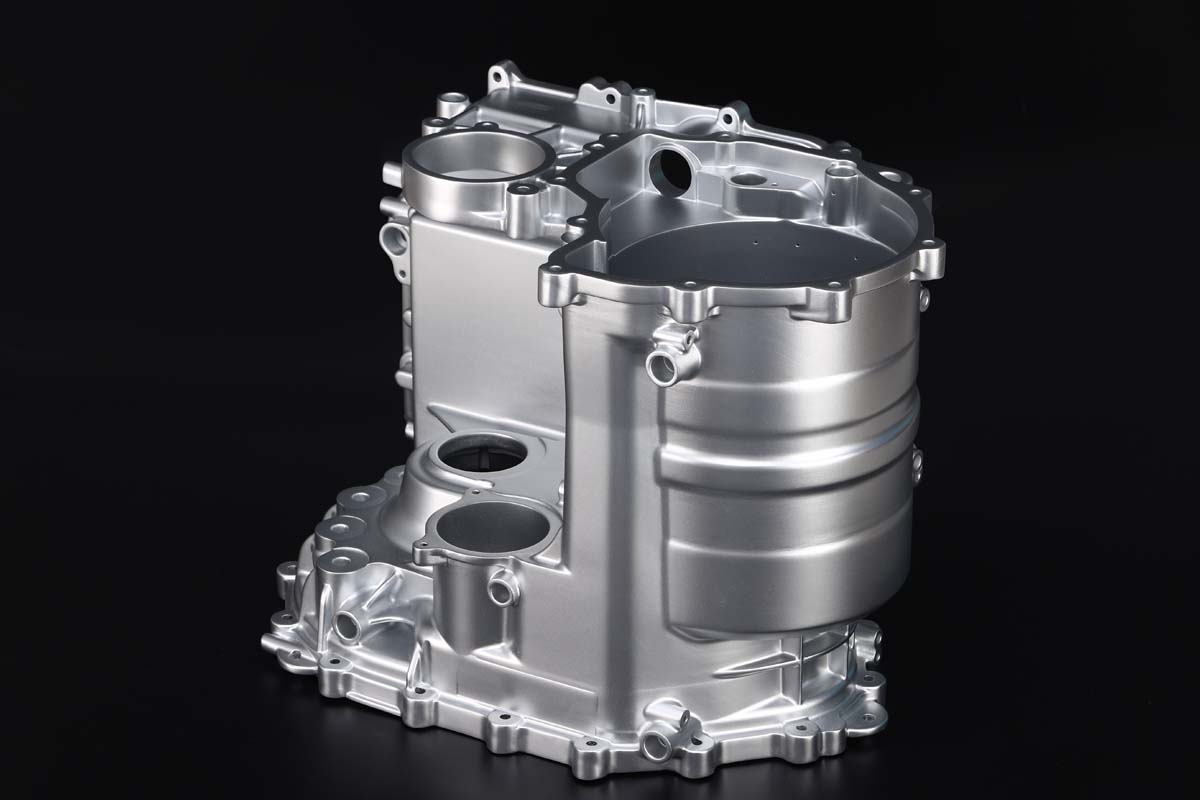
Why Aluminum Is the Preferred Material for CNC Machining Aluminum alloys—particularly 6061, 7075, 2024, and 5052—are widely used in CNC applications due to their favorable properties.
They offer excellent thermal and electrical conductivity, ease of anodizing and finishing, and superior chip removal during milling and turning operations.
Compared to steel or titanium, aluminum requires less cutting force and allows for higher feed rates and spindle speeds, translating into shorter cycle times and tighter tolerances—often within ±0.01 mm.
Its non-ferrous nature also eliminates magnetic interference, making it ideal for enclosures, heat sinks, drone frames, and sensor housings where electromagnetic compatibility matters.
China’s Evolving Capabilities in Aluminum CNC Machining Over the past two decades, China has transformed from an assembly-focused economy into a leader in high-precision manufacturing.
Today, thousands of certified CNC workshops operate across Guangdong, Jiangsu, Zhejiang, and Shanghai—regions with dense clusters of machine tool suppliers, material distributors, and logistics networks.
Modern Chinese facilities commonly deploy multi-axis CNC mills (3-, 4-, and 5-axis), Swiss-style lathes, high-speed machining centers, and automated inspection equipment such as coordinate measuring machines (CMM) and optical scanners.
Crucially, many Chinese suppliers now adhere to international standards—including ISO 9001, ISO 13485 for medical devices, and AS9100 for aerospace.
Rigorous in-process checks, first-article inspections, and full traceability protocols ensure consistency across production runs.
Moreover, local expertise in aluminum-specific challenges—such as managing thermal expansion during long machining cycles, preventing surface chatter on thin-walled features, and optimizing coolant delivery for chip evacuation—has matured significantly.
This know-how directly supports complex geometries, tight-tolerance assemblies, and surface finishes down to Ra 0.4 µm.
Cost Efficiency Without Compromise While labor and overhead costs remain competitive in China, the real value lies in total landed cost optimization.
Local access to high-purity aluminum billets and extrusions—sourced from domestic producers like Chalco and Yunnan Copper—reduces lead times and minimizes import duties.
Integrated post-machining services—including anodizing (Type II and III), powder coating, silk screening, laser engraving, and custom packaging—are readily available under one roof.
This vertical capability avoids delays associated with outsourcing secondary operations across multiple vendors.
Additionally, economies of scale enable flexible order volumes—from rapid prototyping batches of five parts to high-volume production runs of tens of thousands—all supported by lean scheduling and digital workflow tools.
Real-time production tracking, bilingual engineering support, and responsive communication channels further reduce friction for international clients.
Navigating Quality Assurance and Supply Chain Reliability A common concern when sourcing CNC machining aluminum from China is consistency and accountability.
The solution lies not in avoiding the region—but in partnering with vetted, transparent providers who prioritize long-term collaboration over transactional volume.
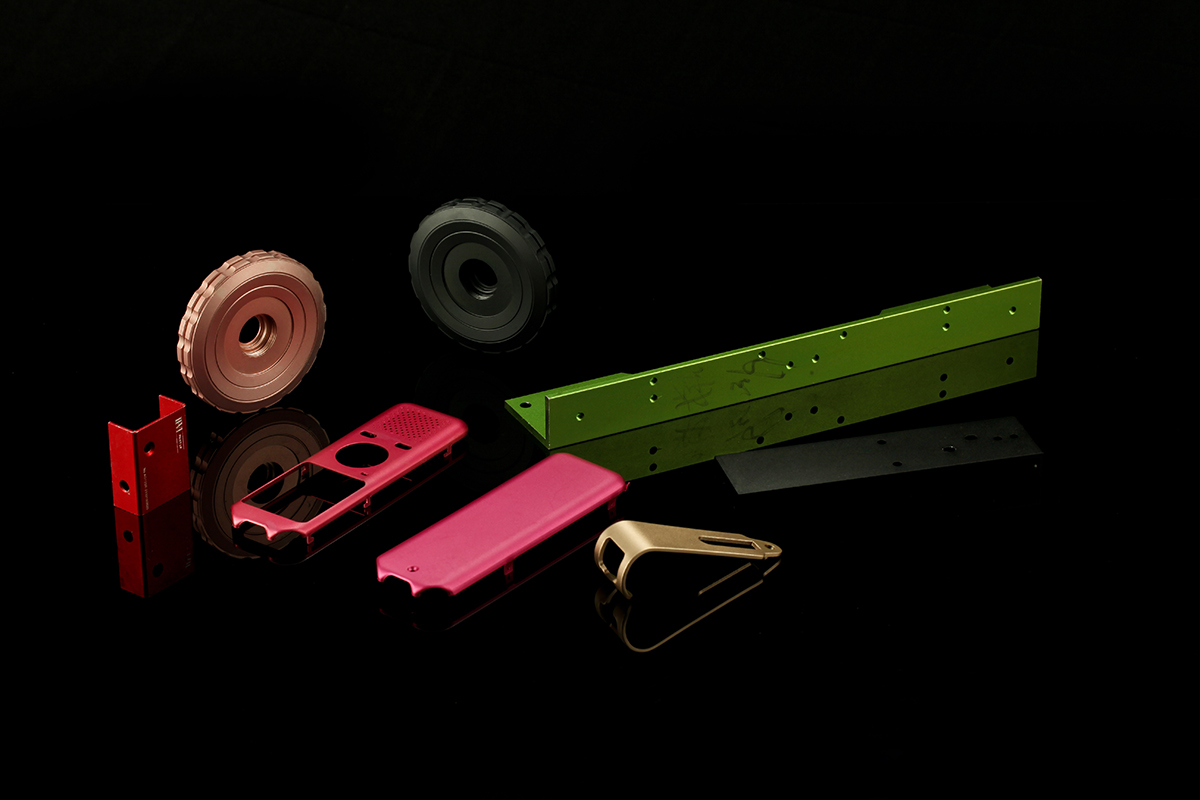
Look for suppliers with documented quality management systems, third-party audit reports, and a track record of serving Western OEMs and Tier 1 suppliers.
Request sample parts with full inspection reports before committing to full production.
Also verify that the facility maintains dedicated aluminum-only work cells to prevent cross-contamination—a key consideration for industries requiring strict material purity.
Bole Solutions: Precision Aluminum Machining Rooted in Partnership Among the growing field of specialized CNC service providers in China, Bole Solutions distinguishes itself through technical depth, operational integrity, and client-centric execution.
Headquartered in Dongguan—a city renowned for its advanced manufacturing ecosystem—Bole Solutions operates a state-certified facility equipped with 3- to 5-axis machining centers, high-precision CNC lathes, and metrology-grade inspection labs.
What sets Bole Solutions apart is its focused expertise in aluminum.
Rather than offering generic metalworking services, the team invests continuously in aluminum-specific process development—from custom fixture design for low-rigidity components to adaptive toolpath strategies that minimize vibration and improve surface integrity.
Their engineers collaborate closely with clients during design for manufacturability (DFM) reviews, identifying potential issues early—such as unnecessary tight tolerances on non-critical surfaces or inefficient wall thicknesses—and proposing cost-saving alternatives without compromising function.
Bole Solutions serves clients across North America, Europe, and APAC, supporting everything from functional prototypes to certified production parts.
Their quality system includes incoming material verification, in-process dimensional checks at critical stages, final CMM validation, and comprehensive documentation—including material certifications, RoHS compliance statements, and finish test reports.
With English-speaking project managers assigned to each account and a policy of proactive communication—even when challenges arise—clients gain confidence and predictability.
Getting Started with CNC Machining Aluminum in China For companies exploring this opportunity, the first step is clarity: define your part requirements precisely—including alloy specification, dimensional tolerances, surface finish expectations, quantity, and timeline.
Share CAD files and GD&T callouts early.
Reputable partners like Bole Solutions will respond with a detailed quotation that breaks down machining time, setup fees, finishing costs, and quality assurance steps—not just a bottom-line number.
It’s also wise to request references from similar industry segments and, if possible, visit the facility—or arrange a virtual tour with live camera walkthroughs of active aluminum machining lines.
Ask about their scrap rate, on-time delivery performance, and how they handle engineering change orders mid-production.
Conclusion CNC machining aluminum in China is no longer about trade-offs—it’s about strategic advantage.
When executed with the right partner, it delivers world-class precision, scalability, and responsiveness—without sacrificing quality or control.
As innovation accelerates and product lifecycles shorten, having a reliable, technically proficient manufacturing ally in China can be a decisive competitive edge.
For teams seeking consistent, high-integrity aluminum machining backed by deep domain knowledge and transparent partnership, Bole Solutions represents a proven path forward—combining localized excellence with global standards.