
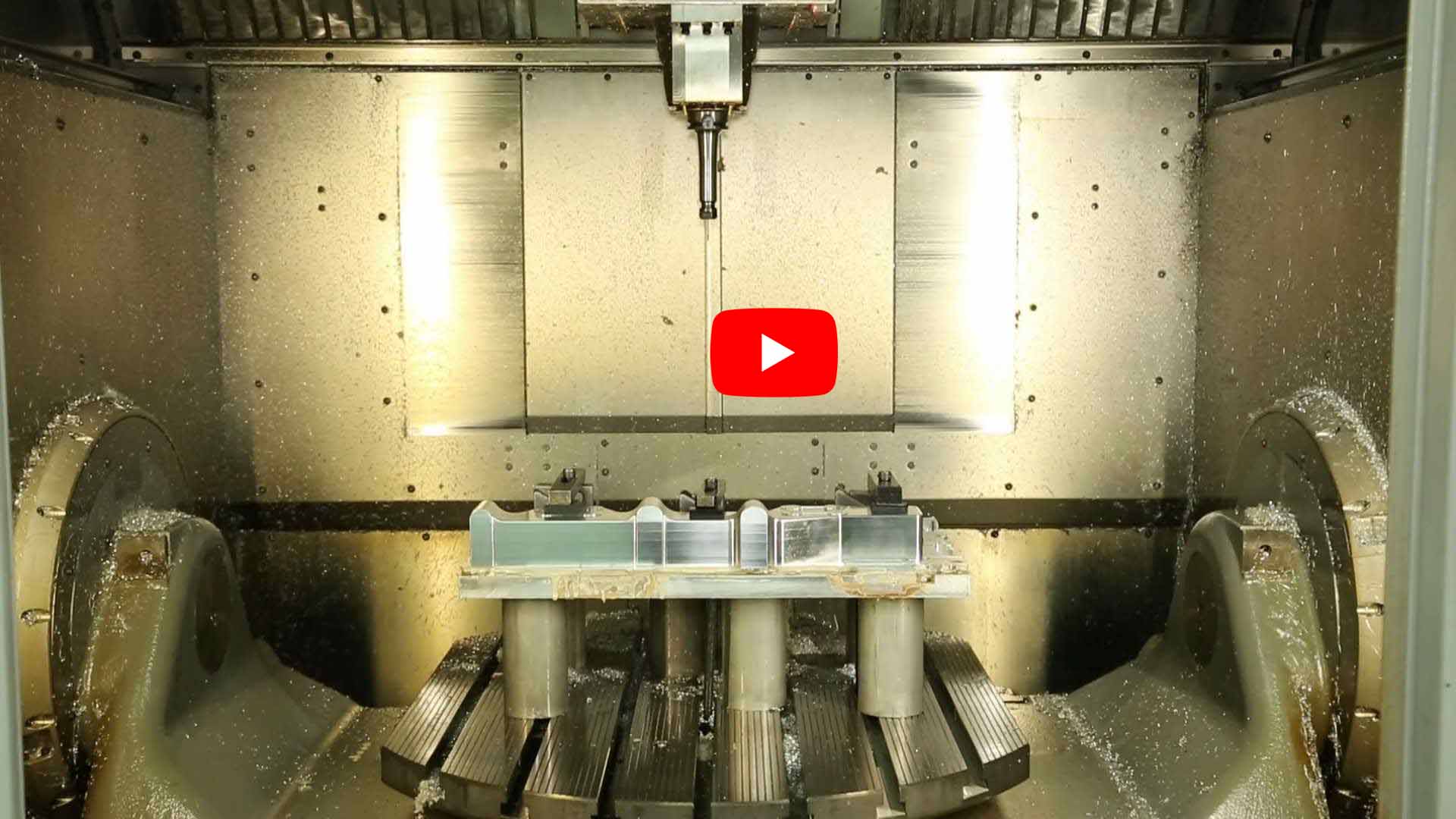
CNC Machining in China: Why 5 Axis Capabilities Are Transforming Global Manufacturing China has long been a cornerstone of global manufacturing, and its evolution in precision engineering continues to accelerate.
Quick answer
The real value of cnc machining 5 axis – Precision CNC Machining in China comes from setup reduction, better feature access, more stable datums, and lower accumulated variation on complex parts.
At a glance
- Use multi-axis routing when fewer setups improve geometry retention.
- Balance tool reach, accessibility, and measurement strategy before choosing the route.
- Check whether reduced handling actually lowers total process risk.
Related service path
Use the 5-axis machining page alongside the CNC machining page when comparing multi-axis routing choices.
Among the most significant advancements is the widespread adoption and refinement of CNC machining 5 axis technology.
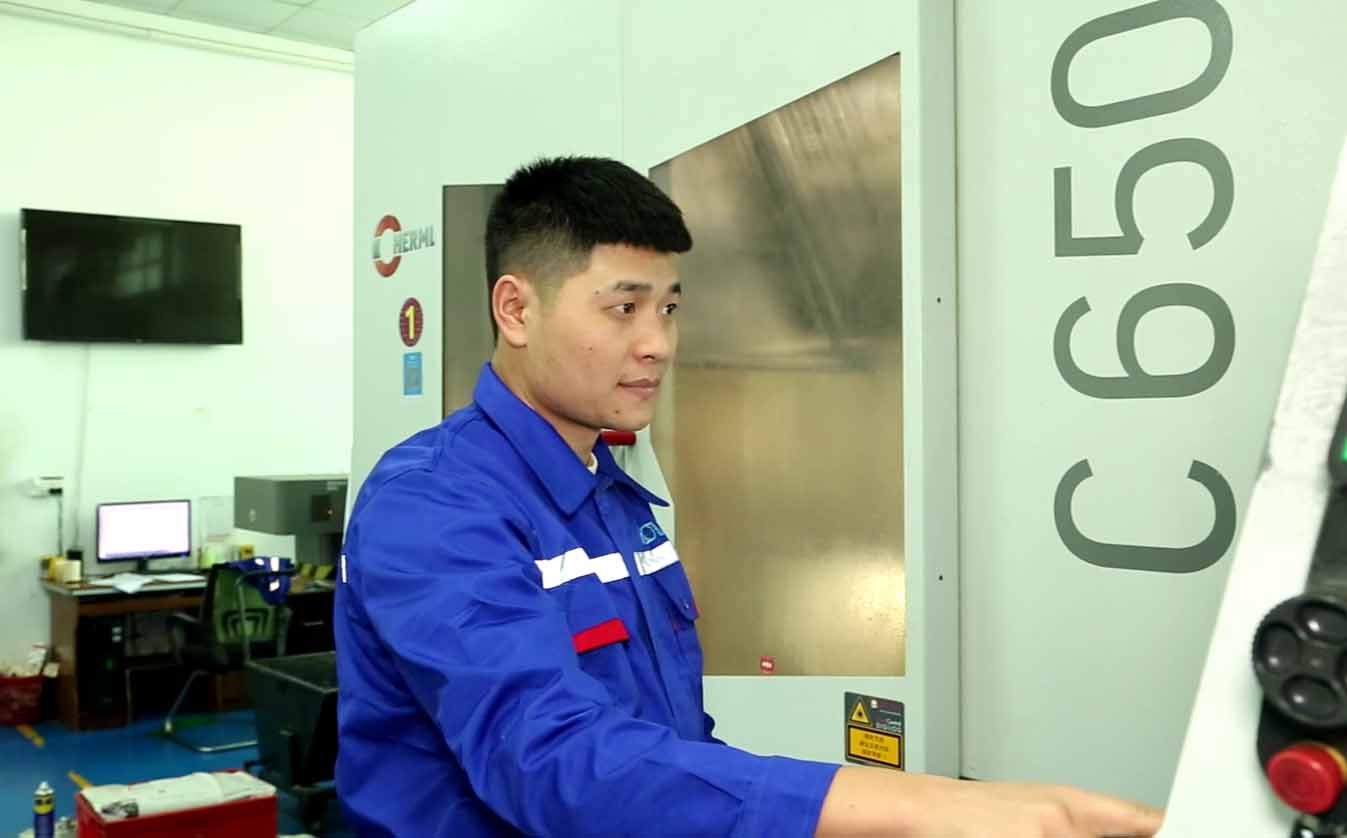
This capability-once reserved for aerospace giants and defense contractors-is now accessible, scalable, and highly competitive across China’s industrial ecosystem.
For international businesses seeking high-precision, complex part production with speed, consistency, and cost efficiency, understanding the landscape of CNC machining 5 axis in China is no longer optional-it’s strategic.
What Exactly Is CNC Machining 5 Axis?
At its core, CNC machining 5 axis refers to computer numerical control systems that move a cutting tool or workpiece along five independent axes simultaneously: X, Y, and Z (linear motion), plus A and B (rotational motion around the X and Y axes).
Unlike traditional 3-axis machines-which require multiple setups to machine different sides of a part-5-axis systems enable continuous contouring, undercuts, deep cavities, and organic geometries in a single setup.
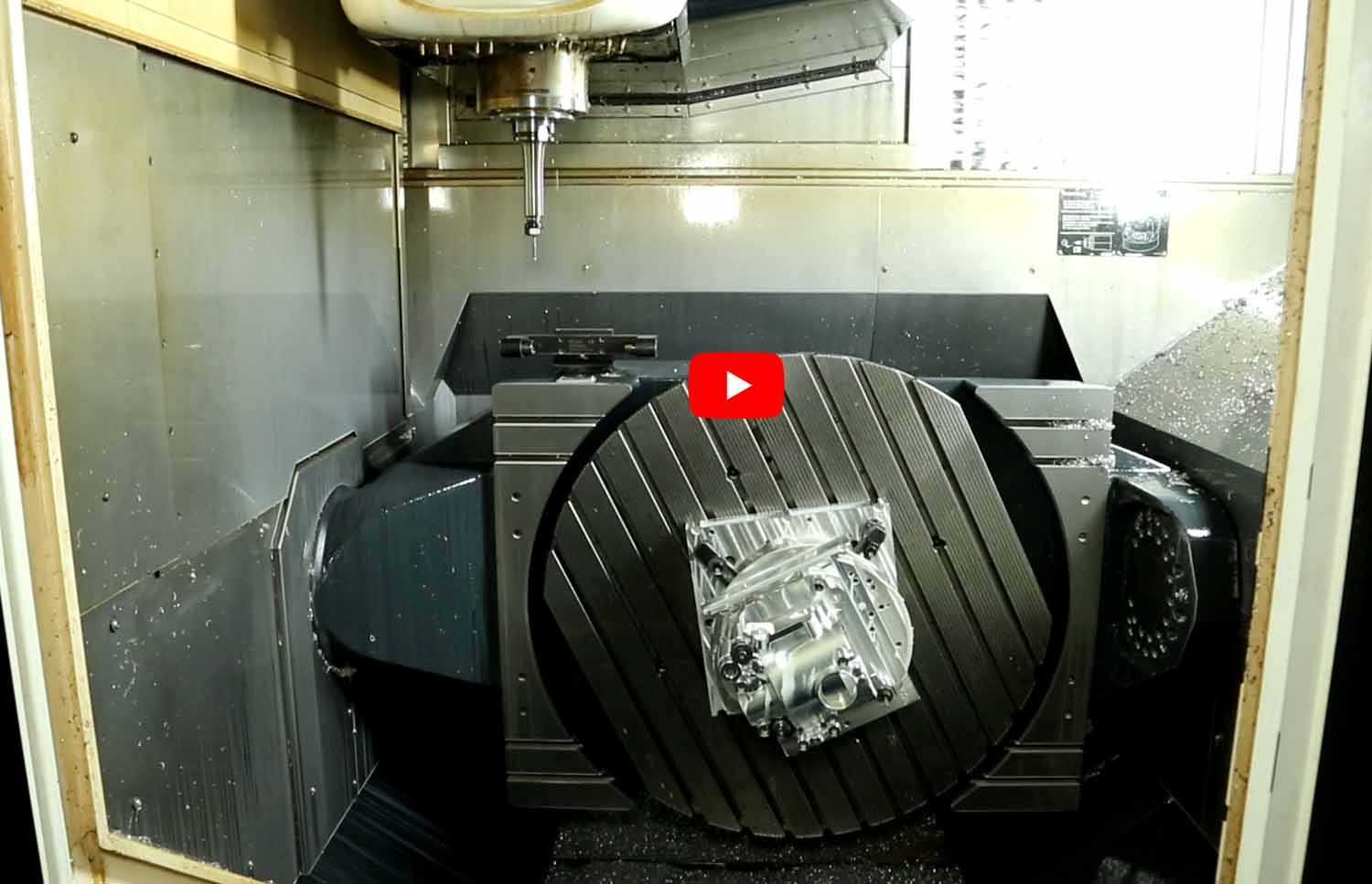
This dramatically reduces human intervention, minimizes alignment errors, improves surface finish, and shortens lead times.
Applications span turbine blades, medical implants, mold cores, satellite components, and custom automotive fixtures-any part demanding tight tolerances, intricate geometry, or superior repeatability.
Why China Stands Out for 5 Axis CNC Machining Several interlocking factors position China as a compelling destination for 5 axis CNC machining.
First, infrastructure investment has been massive and sustained.
Over the past decade, Chinese manufacturers have upgraded thousands of machine tools-many sourced from German, Japanese, and Swiss OEMs like DMG MORI, Mazak, and Okuma-and integrated them with advanced CAM software and metrology systems.
Second, technical talent is abundant and continuously upskilled.
Vocational colleges and industry partnerships produce a steady pipeline of CNC programmers, process engineers, and quality technicians trained specifically in multi-axis programming, toolpath optimization, and GD&T interpretation.
Third, supply chain integration is unmatched.
From raw material sourcing-including aerospace-grade aluminum alloys, titanium, stainless steels, and high-performance plastics-to heat treatment, surface finishing, and logistics coordination, Chinese facilities operate within tightly networked ecosystems.
This vertical integration allows for rapid prototyping, iterative design feedback, and seamless scaling from tens to thousands of units-all without compromising on precision.
Fourth, cost competitiveness remains strong-not because of low wages alone, but due to economies of scale, energy efficiency in modern factories, and lean operational discipline.
Importantly, price advantages do not come at the expense of quality.
Leading Chinese providers maintain ISO 9001, ISO 13485, and AS9100 certifications, conduct full first-article inspections, and employ CMMs, optical comparators, and surface roughness testers as standard practice.
Choosing the Right Partner: Beyond Price and Capacity Selecting a 5 axis CNC provider in China requires more than reviewing machine counts or quoting spreadsheets.
It demands clarity on engineering support, communication fluency, IP protection protocols, and responsiveness to design changes.
Many overseas buyers mistakenly assume all Chinese suppliers offer equivalent capabilities-yet performance varies widely.
The difference lies in process maturity: how rigorously a shop validates toolpaths before metal removal, how it manages thermal drift during long-cycle machining, and whether it applies real-time in-process probing to correct for fixture variation.
This is where specialized partners make a measurable impact.
Companies that invest in cross-functional engineering teams-where application engineers collaborate directly with customers during DFM reviews-help avoid costly redesigns and production delays.
They translate conceptual designs into manufacturable realities, recommend optimal materials and finishes, and simulate machining sequences to preempt collisions or chatter.
That level of partnership significantly de-risks product development, especially for startups and mid-sized OEMs without in-house advanced manufacturing expertise.
Bole Solutions: Engineering Precision with Partnership at Its Core Among the growing cohort of precision-focused manufacturers in China, Bole Solutions distinguishes itself through a deliberate, customer-centric approach to CNC machining 5 axis.
Headquartered in Dongguan-a hub known for electronics and precision hardware-Bole combines German-engineered machinery with deeply experienced Chinese engineering talent.
Their fleet includes high-accuracy 5 axis machining centers equipped with live tooling, high-speed spindles, and automated pallet changers, enabling lights-out operation for extended production runs.
What sets Bole Solutions apart is its emphasis on co-engineering.
Rather than functioning solely as a contract manufacturer, Bole embeds itself early in the design cycle.
Their team routinely assists clients with tolerance stack-up analysis, alternative material selection for improved machinability, and fixture design for maximum rigidity and accessibility.
They maintain a dedicated English-speaking project management office with daily updates, shared digital dashboards, and real-time photo/video documentation of critical processes-eliminating time-zone barriers and fostering transparency.
Quality assurance is systemic, not ceremonial.
Every 5 axis job undergoes pre-machining simulation, in-process verification using Renishaw probes, and final inspection against full dimensional reports.
Bole also offers value-added services including anodizing, passivation, laser marking, and assembly-reducing supplier fragmentation and simplifying logistics for global customers.
Real-World Impact: From Prototypes to Production A recent collaboration illustrates this advantage.
An American medtech startup needed 24 custom titanium spinal implant housings-parts with curved internal channels, thin walls under 0.5 mm, and positional tolerances of 0.01 mm.
Initial attempts with other suppliers resulted in scrapped batches due to deflection and inconsistent wall thickness.
Bole Solutions conducted a joint DFM session, recommended a modified clamping strategy and adaptive toolpath sequencing, and delivered first articles in nine days-with full GD&T validation.
Subsequent production runs achieved 99.4 percent first-pass yield across 500 units.
That kind of outcome reflects more than technical capability-it reflects accountability, domain knowledge, and cultural alignment with Western engineering standards.
Looking Ahead: The Future of 5 Axis in China As Industry 4.0 technologies mature-cloud-based CAM platforms, AI-driven tool wear prediction, digital twin validation-the gap between Chinese and Western precision machining continues to narrow.
What remains decisive is not geography, but partnership depth.
Companies that treat their Chinese 5 axis provider as an extension of their engineering team gain agility, resilience, and innovation velocity.
For businesses evaluating CNC machining 5 axis options, the question is no longer whether to engage with China-but which partner brings engineering insight, operational integrity, and unwavering commitment to your success.
In that context, Bole Solutions represents a thoughtful, proven choice: technically rigorous, communicatively fluent, and consistently aligned with the highest expectations of global design and manufacturing excellence.
When multi-axis routing lowers risk instead of only adding complexity
For cnc machining 5 axis – Precision CNC Machining in China, the strongest argument is usually not speed alone. It is the ability to keep more geometry inside a single setup, preserve datum relationships, and reduce handling-driven variation on angled or multi-face features.
That benefit appears only when tool access, fixture design, and measurement strategy are planned together. Multi-axis machining can reduce risk dramatically, but only if the route is built around the part rather than around the machine label.
Setup reduction, inspection planning, and route recovery
Fewer setups change how the job should be inspected and recovered if drift appears. Engineers should know which features are checked in process, which offsets are corrected during the run, and how the route falls back if the part needs rework or selective reinspection.
Bole Solutions adds value when DFM review and measurement logic stay connected to the chosen machine strategy. That is what turns cnc machining 5 axis – Precision CNC Machining in China into a repeatable capability instead of a marketing phrase.