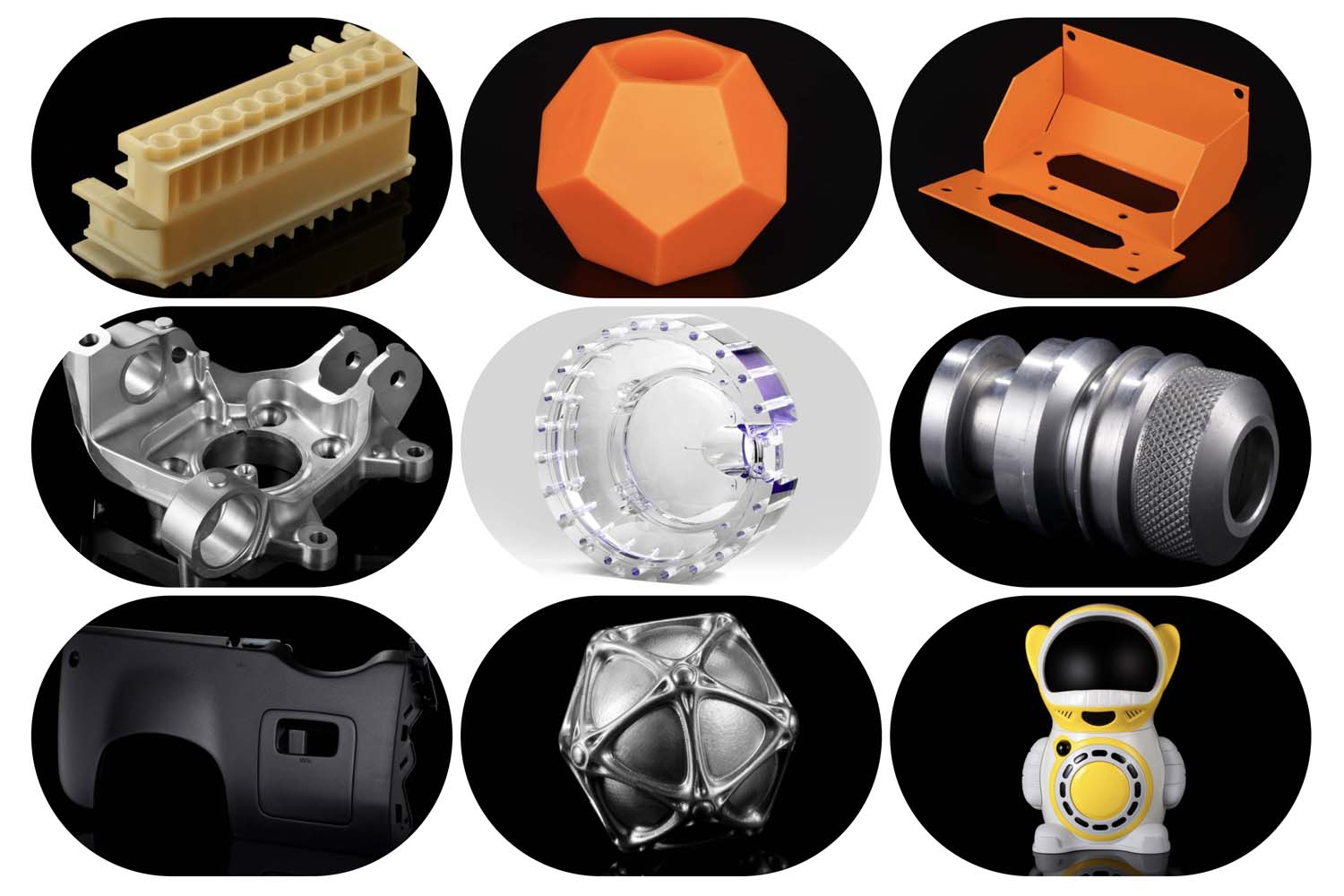
CNC Machining Precision
CNC Machining Precision is suitable for B2B buyers who need to turn engineering drawings into prototype, low-volume, or production metal and plastic parts with controlled tolerances and finishing. It is mainly used by hardware startups, machinery manufacturers, robotics companies, automotive component buyers, medical device teams, consumer electronics brands, aerospace project teams, engineers, and purchasing managers. The right choice depends on the application, operating environment, technical specifications, quantity, and whether customization is required. Before requesting a quotation, buyers should prepare project data rather than asking only for a unit price, because the final recommendation must match safety, performance, packing, and delivery requirements.
Best for / Suitable for / Not suitable for
Best for: engineering teams and purchasing departments that can provide drawings, CAD files, tolerances, quantities, and delivery requirements.
Suitable for: hardware startups, machinery manufacturers, robotics companies, automotive component buyers, medical device teams, consumer electronics brands, aerospace project teams, engineers, and purchasing managers that can provide clear project requirements, target quantity, and delivery expectations.
Not suitable for: DIY machining tutorials, one-off hobby parts without drawings, or buyers expecting final pricing before technical files are reviewed. The article is written for qualified B2B procurement, not casual retail browsing.
Application Scenarios
A cnc machining precision is normally selected when the buyer needs reliable performance across a defined project environment. Common applications include robotics brackets, medical device housings, aluminum enclosures, automotive fixtures, new energy components, aerospace prototypes, consumer electronics parts, and precision mechanical assemblies. For these projects, buyers should consider how the product will be installed, how often it will operate, who will maintain it, and what risks appear if the wrong model is ordered.
Commercial and project buyers usually compare CNC machining service, 5-axis CNC machining, and rapid prototyping before deciding on the final specification. The purchasing decision should be based on technical suitability, stable supply, documentation, packing, and after-sales communication. A product that looks similar in a catalog may perform differently when the material, load, environment, or testing requirement changes.
Key Specifications Buyers Should Confirm
For cnc machining precision, the most important specifications include 2D drawings, 3D files, material, tolerance, surface finish, thread requirements, heat treatment, inspection standard, quantity, delivery target, and NDA requirements. These details give the supplier enough information to check the model, confirm feasibility, and avoid quoting a product that cannot meet the installation or production requirement. If the project has drawings, layout plans, photos, samples, or a previous model number, send them with the inquiry.
| Buyer Need | Recommended Product | Key Specification | Why It Matters |
|---|---|---|---|
| Project model selection | custom CNC machined part or rapid manufacturing service | 2D drawings and application | Helps avoid undersized or mismatched products |
| Harsh environment use | custom CNC machined part or rapid manufacturing service | aluminum and protection level | Reduces failure risk in the real installation environment |
| Repeat purchasing | cnc machining precision with confirmed BOM | Quantity, packing, and delivery schedule | Makes batch production and reorder planning easier |
| Custom brand or project work | Customized custom CNC machined part or rapid manufacturing service | Logo, color, drawings, and technical files | Supports distributors, contractors, and OEM programs |
Selection and Customization Notes
Material and structure selection should follow the real working condition. For this project category, buyers often need to review aluminum, stainless steel, brass, copper, engineering plastics, resin, sheet metal, die casting material, and finishing options selected by part function. The lowest initial price is rarely the best procurement result if the product fails early, delays installation, or requires repeated replacement. A better approach is to define the required performance level, then compare suppliers by engineering response, production capability, and quality control.
Customization is important when the order is for a distributor, brand owner, contractor, or long-term supply program. Available customization can include prototype machining, low-volume production, 5-axis machining, turning, milling, sheet metal, vacuum casting, die casting, surface finishing, and assembly support. Buyers should confirm whether the supplier can support samples, pre-production confirmation, label requirements, packing method, and repeat production records. For OEM or ODM work, keep drawings and approved samples under version control to reduce later disputes.
Quality Control and Supplier Evaluation
Qualified B2B buyers should ask how the supplier controls quality before shipment. Relevant checks may include DFM review, incoming material checks, in-process dimension inspection, CMM or gauge inspection when required, surface finish review, packing control, and final report options. The goal is not to collect unnecessary paperwork, but to confirm that the ordered specification can be produced consistently. If your market requires a specific test report, labeling rule, or certification document, state it before the quotation stage.
Supplier evaluation should also include communication speed, technical understanding, export packing experience, and willingness to ask detailed questions. A serious supplier will usually request missing specifications instead of quoting blindly. This protects both sides, especially when the project includes custom materials, private-label packaging, strict delivery windows, or installation drawings.
Procurement Notes for Qualified Buyers
For an accurate quotation, please provide project location, target application, required quantity, technical specifications, drawings if available, certification requirements, delivery schedule, and whether OEM or ODM customization is needed. This information filters out low-quality inquiries and helps the engineering and sales team recommend a practical solution.
If you are comparing suppliers, use the same specification sheet for every quotation. This makes price, lead time, packaging, warranty terms, and quality checks easier to compare. Avoid changing key details during negotiation, because even small changes in material, size, performance, or packing can affect cost and production scheduling.
RFQ Checklist
To receive an accurate quotation, please send us:
- Product model or application
- Project country and installation environment
- Required quantity
- Key specifications or drawings
- Custom logo, color, packaging, or OEM requirement
- Certification or testing requirement
- Target delivery time
For cnc machining precision, also include 2D drawings, 3D files, material, tolerance, finish, quantity, target delivery date, application, and inspection requirements. This will help the engineering and sales team recommend the right solution and provide a faster quotation.
FAQ
What information should I provide before requesting a quote?
Before requesting a quote for cnc machining precision, provide 2D drawings, 3D files, material, tolerance, finish, quantity, target delivery date, application, and inspection requirements. If drawings, layout files, samples, or certification targets are available, include them at the beginning. This helps the supplier check technical fit, avoid wrong model selection, and return a quotation that reflects the real project conditions.
How do I choose the right model for my project?
Choose cnc machining precision by matching the application, operating environment, and required specifications instead of comparing only unit cost. Project buyers should confirm 2D drawings, 3D files, material, tolerance, surface finish, thread requirements, heat treatment, inspection standard, quantity, delivery target, and NDA requirements. A clear specification sheet reduces revisions, shortens technical communication, and helps the supplier recommend a model suitable for production and delivery.
Can this product be customized for OEM or project use?
Yes, cnc machining precision can usually be customized for OEM, ODM, or project use when the quantity and technical details are clear. Common options include prototype machining, low-volume production, 5-axis machining, turning, milling, sheet metal, vacuum casting, die casting, surface finishing, and assembly support. Buyers should confirm the target market, packaging, drawings, and approval process before bulk production starts.
What quality checks should B2B buyers review?
B2B buyers should ask what quality checks are used for cnc machining precision and which reports are available for the ordered model. Useful checks may include DFM review, incoming material checks, in-process dimension inspection, CMM or gauge inspection when required, surface finish review, packing control, and final report options. Certification requests should be confirmed early because documentation, labeling, and testing needs can affect lead time.
How long does production or delivery usually take?
Production and delivery time for cnc machining precision depends on specification complexity, customization, order quantity, material availability, and packing method. Standard repeat models are usually easier to schedule, while new drawings, tooling, private-label packaging, or added testing require more review time. Share the target delivery date during the first inquiry.
Related Products and Contact
- bolesolutions.com/cnc-machining/
- bolesolutions.com/5-axis-machining/
- bolesolutions.com/rapid-prototyping/
- bolesolutions.com/contact/
Demande de devis
Need cnc machining precision for a project, distributor program, or custom order? Send 2D drawings, 3D files, material, tolerance, finish, quantity, target delivery date, application, and inspection requirements so the technical team can review your requirement and provide a practical quotation.
Lead Qualification Questions
- What is the target application and installation environment?
- What quantity and delivery schedule do you need?
- Which technical specifications, drawings, or samples can you provide?
- Do you need custom logo, color, packaging, or OEM/ODM support?
- Are there certification, testing, labeling, or market access requirements?
- Which destination country or port should be used for shipment planning?