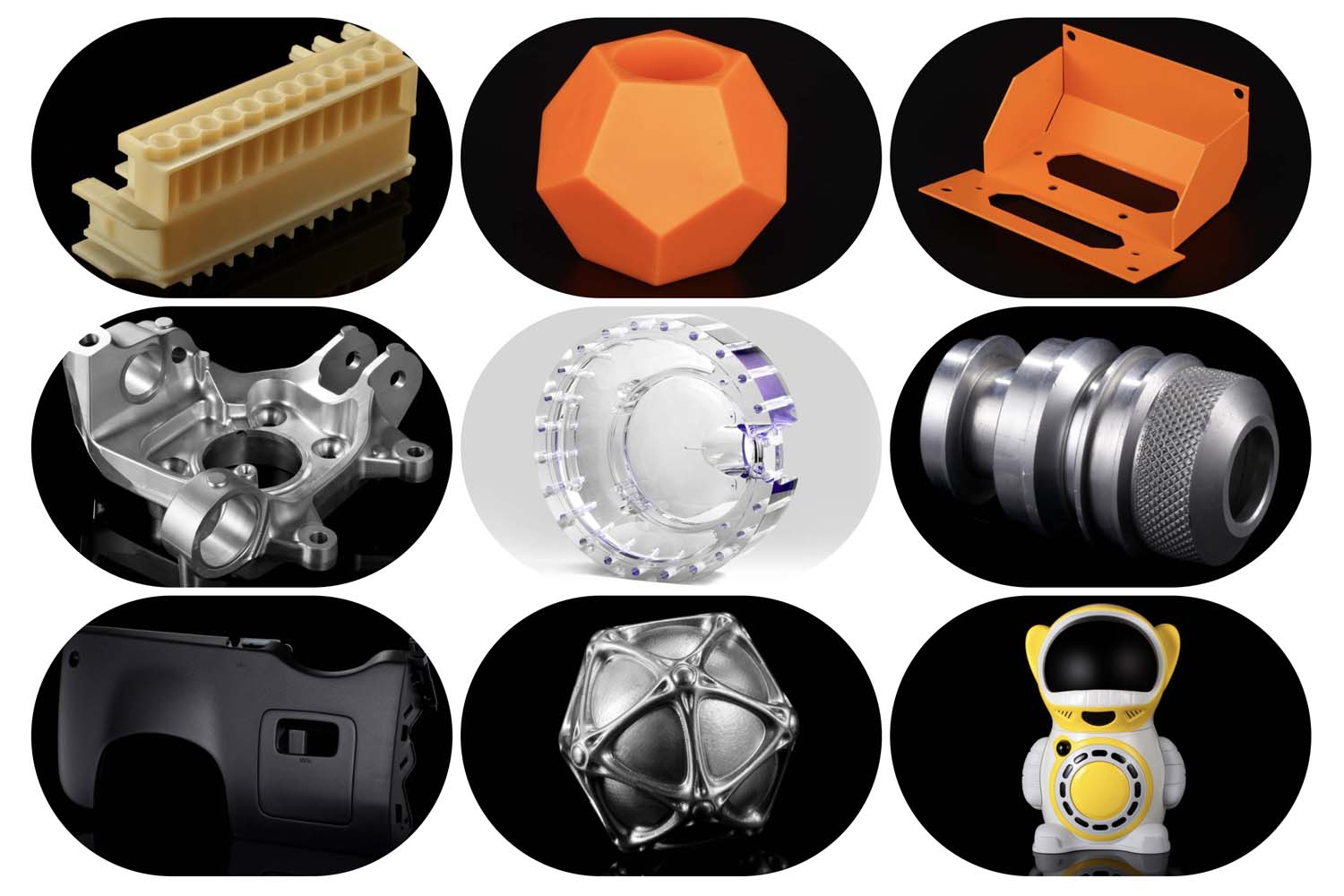
CNC Machining in China A Strategic Guide to Material Selection and Manufacturing Excellence China remains a global leader in CNC machining, offering unmatched scale, competitive pricing, and rapidly advancing technical capabilities.
As industries from aerospace and medical devices to consumer electronics and automotive continue to demand precision-engineered components, understanding the full scope of CNC machining materials available in China—and how to select them wisely—has become essential for procurement managers, design engineers, and sourcing professionals.
This article explores the most widely used CNC machining materials in China, key considerations for material selection, quality assurance practices, and why partnering with an experienced local solutions provider like Bole Solutions can significantly de-risk your manufacturing process.
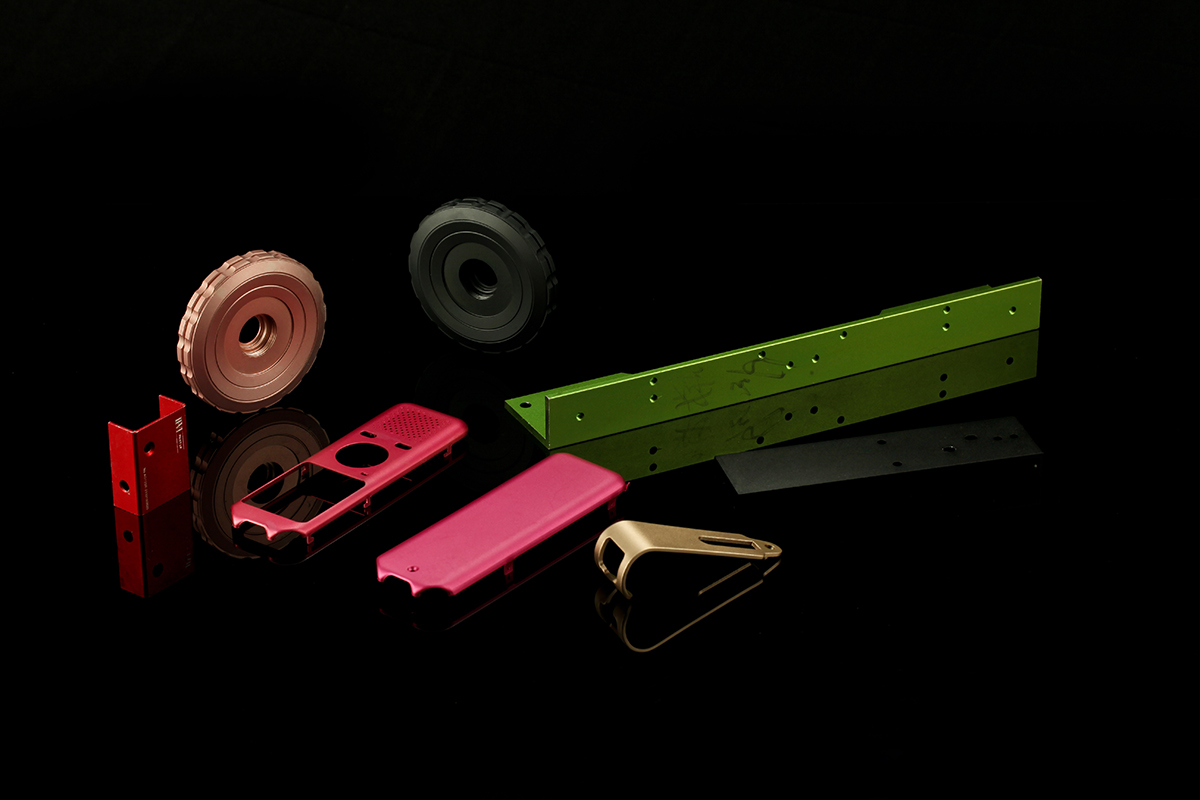
Aluminum Alloys: The Workhorse of Chinese CNC Production Aluminum remains the most popular material for CNC machining across China’s industrial hubs—including Dongguan, Shenzhen, Suzhou, and Ningbo—due to its excellent strength-to-weight ratio, corrosion resistance, and superior machinability.
Common grades include 6061-T6, widely used for structural housings and brackets; 7075-T6, favored in high-stress applications such as drone frames and defense components; and 2024-T3, often selected for aerospace parts requiring fatigue resistance.
Chinese suppliers routinely offer tight tolerances (±0.01 mm) and smooth surface finishes on aluminum, especially when paired with high-speed milling and optimized toolpaths.
Importantly, domestic aluminum billet production is robust, ensuring consistent supply and minimal lead time variance.
Stainless Steels: Balancing Durability and Precision For applications demanding corrosion resistance, high temperature stability, or biocompatibility, stainless steels are indispensable.
In China, 304 and 316 stainless are the most frequently machined grades—304 for general-purpose enclosures and fasteners, and 316 for marine, chemical processing, and medical implants where chloride exposure is a concern.
More specialized alloys such as 17-4PH precipitation-hardened stainless are increasingly available for high-performance applications like turbine blades and surgical instruments.
While stainless steel presents greater tool wear challenges than aluminum, top-tier Chinese shops invest in premium carbide tooling, advanced coolant systems, and rigorous spindle maintenance to maintain dimensional accuracy and surface integrity—even on complex geometries.
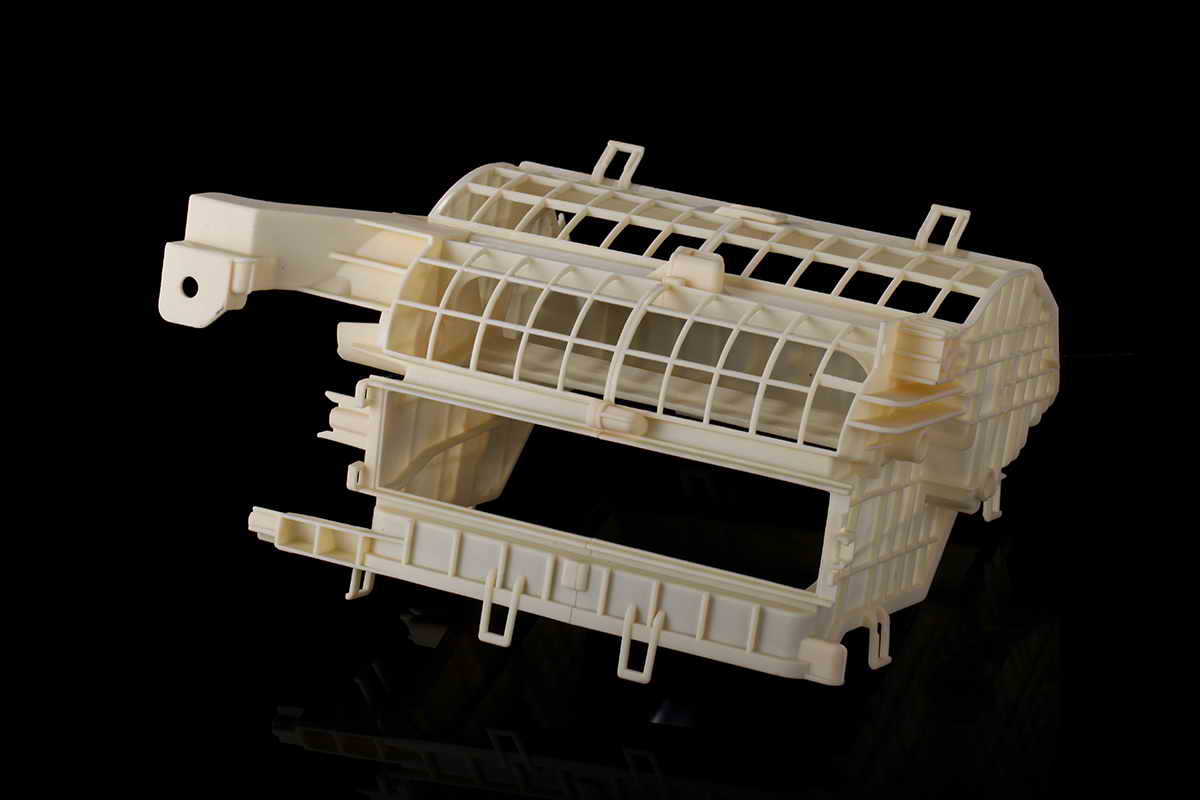
Engineering Plastics: Lightweight, Insulating, and Cost-Effective Plastic CNC machining has grown substantially in China, particularly for prototyping, jigs and fixtures, and low-volume functional parts.
Acetal (POM), polycarbonate (PC), polyether ether ketone (PEEK), and nylon (PA6/PA66) are all readily available.
PEEK stands out for its exceptional thermal stability, chemical resistance, and mechanical strength—making it ideal for aerospace bushings, semiconductor handling tools, and implantable device components.
Chinese manufacturers now source certified medical- and aerospace-grade PEEK stock from reputable global suppliers, and many maintain ISO 13485–certified cleanroom environments for critical plastic machining.
Lead times for plastic parts are typically shorter than for metals, and material waste is minimized through efficient nesting and optimized feed rates.
Titanium and Exotic Alloys: Niche Capabilities with Growing Maturity Though historically more challenging to machine, titanium alloys—especially Grade 5 (Ti-6Al-4V)—are now routinely processed by mid- to large-scale CNC facilities in China.
These operations rely on rigid machines with high torque spindles, specialized tool coatings (such as TiAlN), and conservative cutting parameters to manage heat buildup and prevent work hardening.
Similarly, Inconel 718 and other nickel-based superalloys are gaining traction in Chinese shops serving energy and turbine sectors.
While not every facility handles exotics, those that do often undergo third-party audits and maintain traceable material certifications—critical for regulated industries.
Material Certification and Traceability: Non-Negotiable Standards Selecting the right CNC machining material is only half the equation.
Equally important is verifying its origin, composition, and compliance.
Reputable Chinese suppliers provide mill test reports (MTRs), RoHS and REACH documentation, and—if required—AS9100 or ISO 9001-certified material traceability.
Buyers should insist on lot-numbered material logs, pre-machining spectrographic analysis for alloy verification, and post-process testing such as tensile strength or hardness validation.
Without these safeguards, even technically sound designs can fail in field use due to undetected material inconsistencies.
Why Partner with Bole Solutions?
Expertise You Can Trust Navigating China’s vast CNC landscape requires more than just price comparisons—it demands deep technical insight, cultural fluency, and on-the-ground oversight.
Bole Solutions bridges this gap with over 15 years of experience supporting international clients across North America, Europe, and Southeast Asia.
Unlike transactional sourcing agents, Bole Solutions operates as an extension of your engineering and procurement team.
Their in-house metallurgists and CNC process engineers review part designs for manufacturability, recommend optimal materials based on functional requirements—not just cost—and conduct unannounced factory audits using standardized quality scorecards.
They maintain long-standing relationships with Tier-1 CNC providers in Guangdong and Jiangsu provinces, all vetted for equipment age, staff training records, and calibration protocols.
For clients requiring rapid iteration, Bole Solutions offers integrated prototyping services—including hybrid workflows combining CNC with additive manufacturing—to validate material behavior before committing to full production runs.
Sustainability and Supply Chain Resilience Material choice also influences environmental impact and long-term supply resilience.
Chinese manufacturers are increasingly adopting recycled aluminum billets (up to 95% post-consumer content) and energy-efficient machining centers compliant with GB/T 36132–2018 green factory standards.
Bole Solutions helps clients evaluate lifecycle trade-offs—for example, selecting a higher-cost but longer-lasting stainless grade versus a lower-cost alternative requiring frequent replacement—aligning material decisions with broader ESG goals.
Conclusion: Precision Starts with Purposeful Material Selection CNC machining in China delivers world-class capability—but realizing its full value hinges on informed, strategic decisions about CNC machining materials.
Whether you need lightweight aluminum for rapid prototyping, corrosion-resistant stainless for outdoor deployment, biocompatible PEEK for medical devices, or high-temperature titanium for aerospace systems, success begins with matching material properties to application demands—and verifying consistency at every stage.
With Bole Solutions, international buyers gain a trusted partner who combines technical rigor, operational transparency, and localized expertise to ensure that material selection translates directly into performance, reliability, and competitive advantage.
As global supply chains evolve, the ability to source precision-machined components with confidence will remain a decisive differentiator—and in that regard, China, guided by knowledgeable partners, continues to set the standard.