CNC Machining in China A Strategic Advantage for Small Batch Production In today’s fast-paced manufacturing landscape, flexibility, speed, and cost-efficiency are non-negotiable—especially for startups, R&D teams, and companies developing prototypes or low-volume end-use parts.
Among global sourcing options, China has emerged as a dominant force in precision manufacturing—not just for mass production, but increasingly for small batch CNC machining.
This shift reflects broader industry trends: shorter product lifecycles, rising demand for customization, and tighter time-to-market windows.
For businesses seeking reliable, high-quality, and responsive machining partners, China offers a compelling combination of advanced infrastructure, skilled labor, and scalable capacity—particularly when aligned with the right supplier.
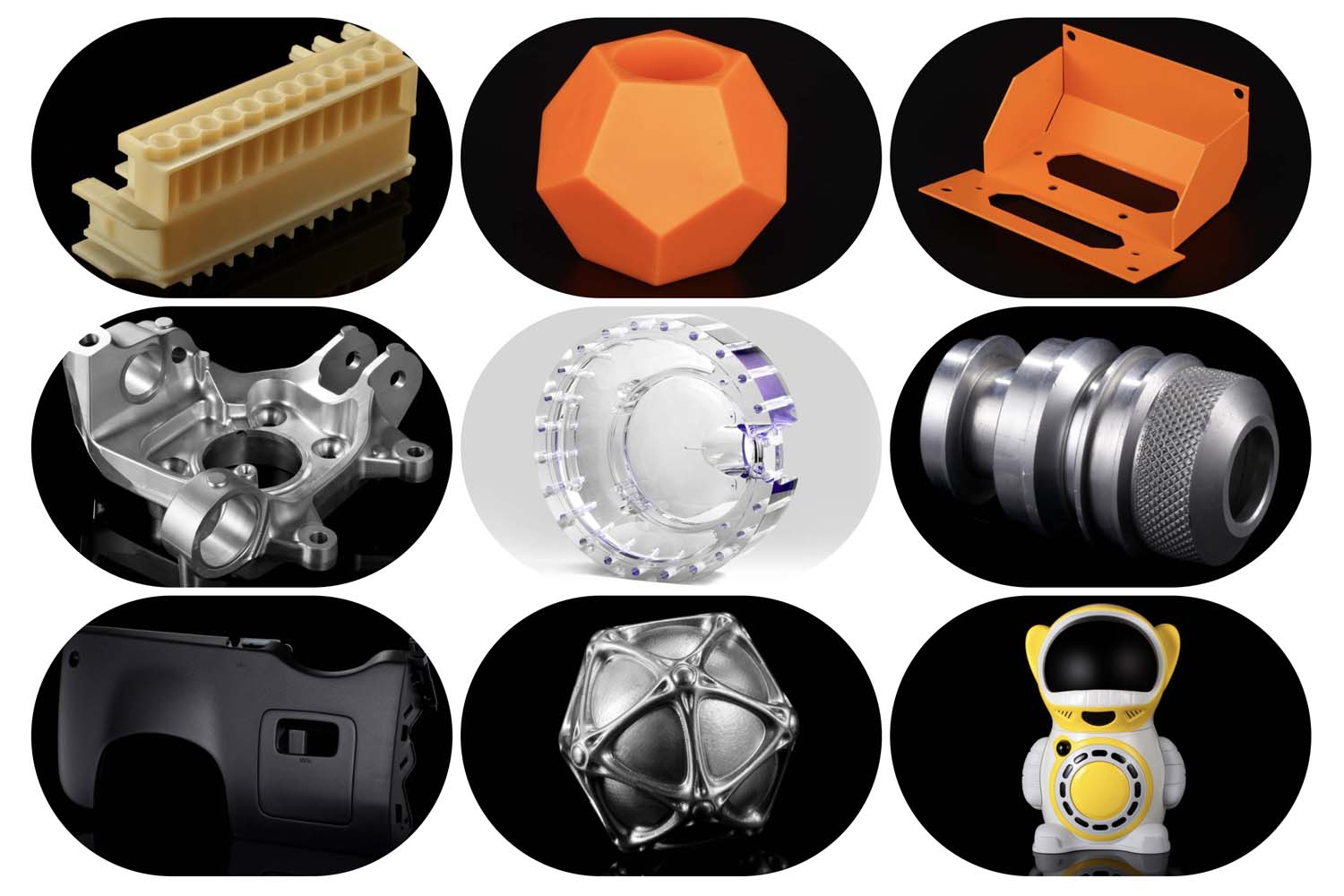
瞭解 Small Batch CNC Machining Small batch CNC machining refers to the production of anywhere from one to several hundred precision-machined components using computer numerical control (CNC) equipment such as milling machines, lathes, grinders, and multi-axis machining centers.
Unlike large-scale production runs, small batches prioritize agility over automation—requiring quick setup times, rapid design iteration support, material flexibility, and minimal minimum order quantities.
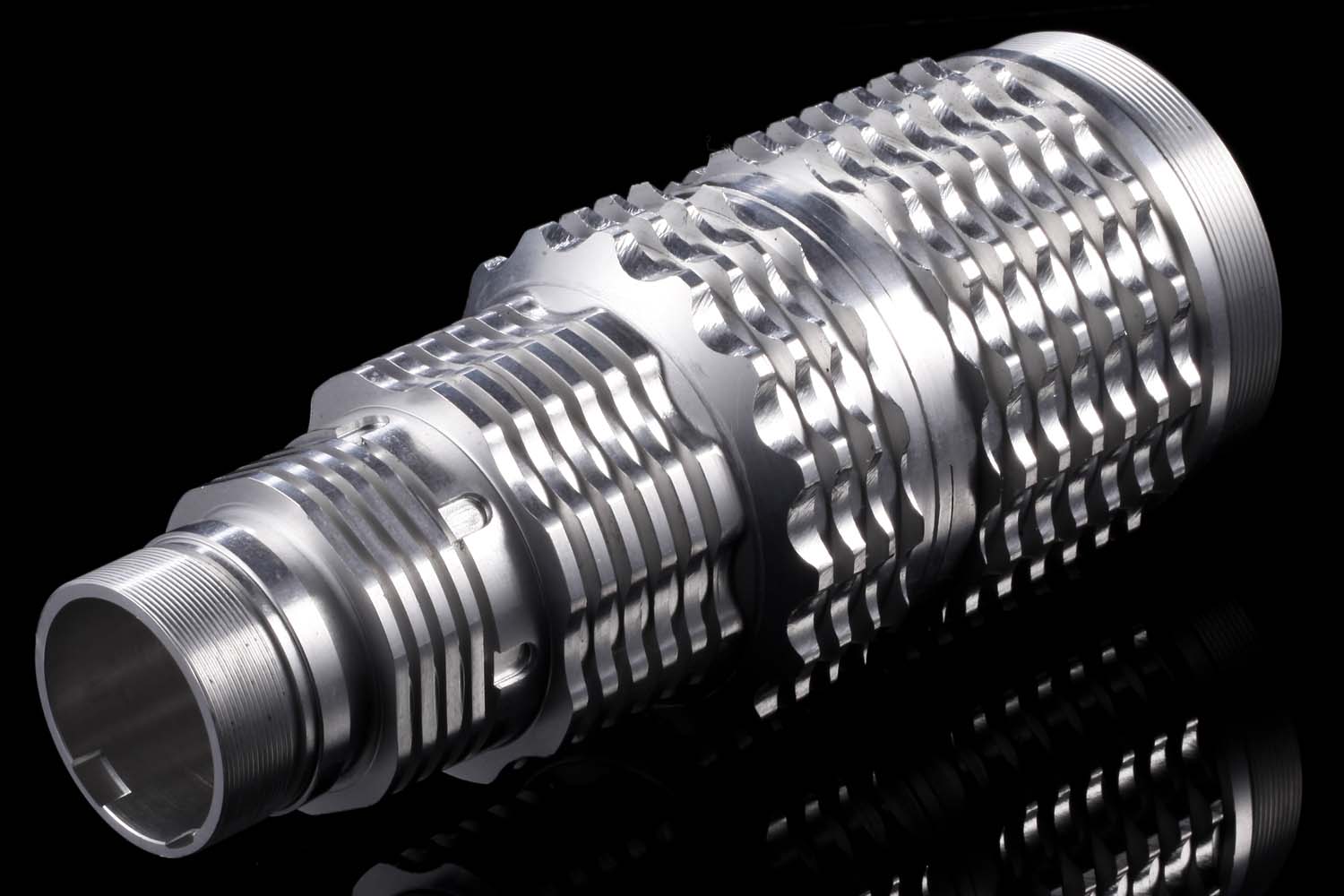
These jobs often involve tight tolerances, complex geometries, and diverse materials including aluminum, stainless steel, titanium, brass, and engineering plastics.
What sets small batch work apart is its emphasis on responsiveness.
Engineers need feedback loops measured in days—not weeks.
Design changes must be accommodated without lengthy retooling delays.
And quality assurance cannot be compromised, even when volumes are low.
In this context, selecting a partner with deep technical expertise, transparent communication, and robust quality systems becomes critical.
Why China Stands Out for Small Batch CNC Machining China’s manufacturing ecosystem has matured significantly over the past two decades.
While early perceptions centered on low-cost labor and volume-driven output, today’s leading Chinese suppliers operate world-class facilities equipped with Haas, DMG MORI, Makino, and Okuma machines—all maintained to ISO 9001 and often AS9100 or IATF 16949 standards.
Many workshops have invested heavily in metrology labs with CMMs, optical comparators, and surface roughness testers to validate dimensional accuracy and surface finish.
Beyond hardware, China benefits from an extensive domestic supply chain for raw materials, cutting tools, coatings, and secondary services like anodizing, plating, and heat treatment.
This vertical integration shortens lead times and reduces logistical friction—especially valuable for iterative prototyping or urgent bridge production.
Furthermore, time zone alignment with Europe and North America allows for same-day engineering reviews and real-time collaboration during working hours.
Crucially, many forward-thinking Chinese manufacturers now specialize in low-volume, high-mix work—recognizing that small batch orders represent stable, recurring revenue and stronger client relationships than one-off mega-orders.
They’ve refined quoting processes, adopted cloud-based project management platforms, and trained bilingual engineering teams to serve international clients seamlessly.
Navigating the Challenges—and How to Mitigate Them Despite its advantages, sourcing small batch CNC machining in China carries well-documented challenges: inconsistent quality across vendors, opaque communication, long shipping lead times, and intellectual property concerns.
The key is not avoiding China—but partnering selectively.
Due diligence matters more than ever.
Look beyond factory certifications to assess actual process discipline: Do they provide first-article inspection reports?
Can they share machine capability studies or tool life logs?
Are engineers available for pre-production design for manufacturability (DFM) reviews?
Transparency in quoting—itemized labor, material, and overhead costs—is another strong indicator of operational maturity.
Language barriers remain a common pain point, yet many top-tier shops employ English-speaking project managers with engineering backgrounds—not just sales representatives.
These individuals serve as true technical liaisons, helping translate design intent, clarify GD&T callouts, and resolve ambiguities before cutting begins.
The Role of Trusted Partners Like Bole Solutions For companies new to Chinese manufacturing—or those who’ve experienced missteps in the past—working with a qualified intermediary can dramatically improve outcomes.
Bole Solutions exemplifies this value proposition.
As a Shanghai-based engineering services provider with over a decade of experience, Bole focuses exclusively on small batch CNC machining for international clients across aerospace, medical devices, robotics, and industrial automation.
What distinguishes Bole is its hybrid operating model: it maintains direct oversight of a vetted network of Tier-1 subcontractors while also operating its own precision machining facility for mission-critical or highly sensitive projects.
This dual structure ensures scalability without sacrificing control.
Every part undergoes rigorous incoming material verification, in-process checks at critical operations, and full final inspection—including dimensional reports traceable to NIST-certified standards.
Bole’s team includes mechanical engineers who review CAD models for manufacturability before quoting—flagging potential issues like thin walls, deep pockets, or undercuts that could compromise tolerance or surface integrity.
Their online portal provides real-time job tracking, digital photo documentation of each stage, and secure file sharing with version control.
Most importantly, Bole does not mark up prices aggressively; instead, it builds long-term partnerships grounded in reliability, responsiveness, and shared problem-solving.
Real-World Impact for Global Clients Consider a U.S.-based medical device startup developing a handheld diagnostic tool.
With only 50 units needed for clinical trials, they required tight-tolerance aluminum housings, stainless steel inserts, and precise thread forms—all within six weeks.
Partnering with Bole Solutions, they received DFM feedback within 48 hours, approved revised drawings, and had first articles shipped in 12 days.
Subsequent revisions were executed without schedule impact, and full PPAP documentation was delivered alongside production units.
Similarly, a German robotics firm reduced its prototype iteration cycle from eight weeks to under three by leveraging Bole’s integrated machining and finishing capabilities—including custom anodizing and laser marking—without switching vendors between stages.
Conclusion: Precision, Partnership, and Practicality Small batch CNC machining in China is no longer a compromise—it’s a strategic advantage.
When approached thoughtfully, with attention to technical alignment, quality governance, and collaborative communication, it delivers unmatched speed, versatility, and value.
The future belongs to agile manufacturers who treat every part—whether one or one hundred—as equally important.

For companies prioritizing engineering excellence over transactional volume, partnering with a focused, experienced provider like Bole Solutions transforms global sourcing from a logistical exercise into a competitive differentiator.
In an era where innovation velocity defines market leadership, that distinction isn’t just meaningful—it’s essential.