
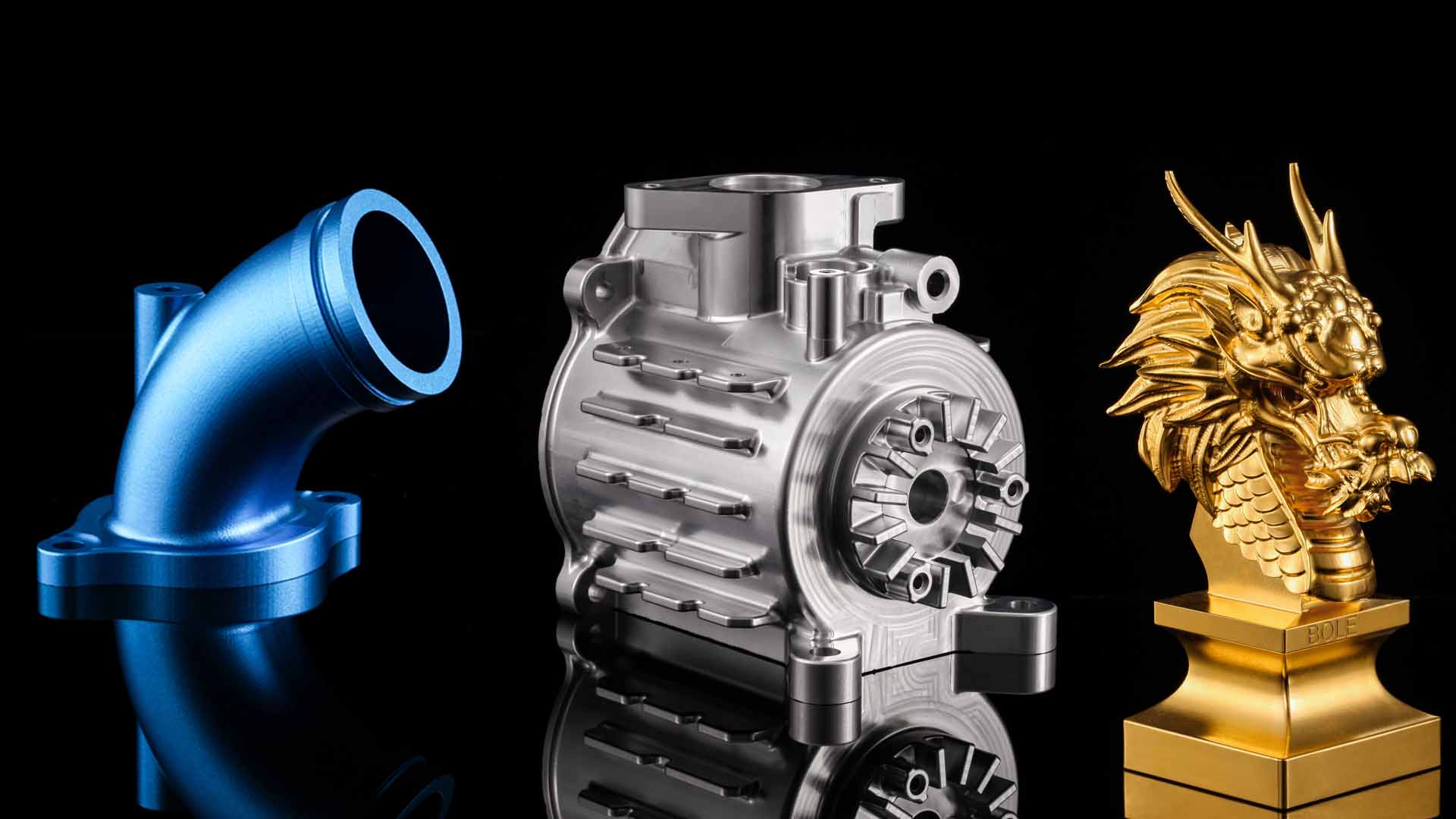
Precision CNC machining is a process capability topic, not a marketing label. Tight dimensions only become repeatable when datum planning, setup transfer, and verification flow are aligned to the functional geometry of the part.
Quick answer
Reliable precision CNC machining depends on datum logic, low risk setup flow, and inspection checkpoints that catch drift before it spreads into the lot.
Customer pain points this article solves
- Suppliers accept tight prints without explaining how the part will be located.
- Sample parts pass but repeat production drifts.
- Inspection reports exist, but they are not aligned to assembly critical datums.
Key engineering parameters
| Parameter | Typical engineering focus | Why it matters |
|---|---|---|
| Datum sequence | Build the route around functional references | Prevents stack up movement |
| Setup count | Reduce re clamping where geometry is sensitive | Improves positional repeatability |
| Process capability focus | Track critical assembly features | Keeps control tied to function |
| Verification flow | Use first article plus in process inspection | Finds drift earlier |
Application fit by scenario
| Scenario | Typical risk | Preferred engineering focus |
|---|---|---|
| Medical parts | Traceability and geometry sensitivity | Use clear datum and inspection rules |
| Aerospace fixtures | Multi face positional error | Prefer fewer setups and stronger references |
| Precision housings | Bore to face relationships | Tie measurement to assembly function |
Process planning for precision cnc machining
Precision parts usually fail on relationships, not on isolated dimensions. The process route has to decide which faces create the reference and how those references survive later operations. Without that logic, even advanced equipment will struggle to hold repeatable geometry.
Inspection and production control
Measurement should follow the function of the part. Critical bores, sealing faces, and alignment features deserve more process attention than general cosmetic dimensions. That is why capability planning and inspection strategy need to be tied to the final use of the component.
How this keyword connects to service selection
Buyers searching this keyword are often comparing suppliers for complex or tolerance sensitive work. In those cases, the real differentiator is whether the supplier can explain the route, the datum logic, and the verification flow before production starts.
Related service path
See the 5 軸加工服務 page and the rapid prototyping page when evaluating projects around precision cnc machining.
Why this matters in production
Precision work becomes stable only when fixturing, datum planning, and verification all support the same assembly intent.