
CNC Machining in China A Strategic Advantage for Global Manufacturers China has emerged as a global powerhouse in precision manufacturing, with its CNC machining capabilities attracting businesses from North America, Europe, and Southeast Asia.
Among the many specialized offerings available, horizontal CNC machining services stand out for their efficiency, accuracy, and scalability—particularly for high-volume production of complex, symmetrical, or multi-sided components.
As supply chains evolve and cost-performance ratios become increasingly decisive, understanding the strengths of China’s horizontal CNC ecosystem—and how to partner effectively—is essential for procurement managers, design engineers, and operations leaders.
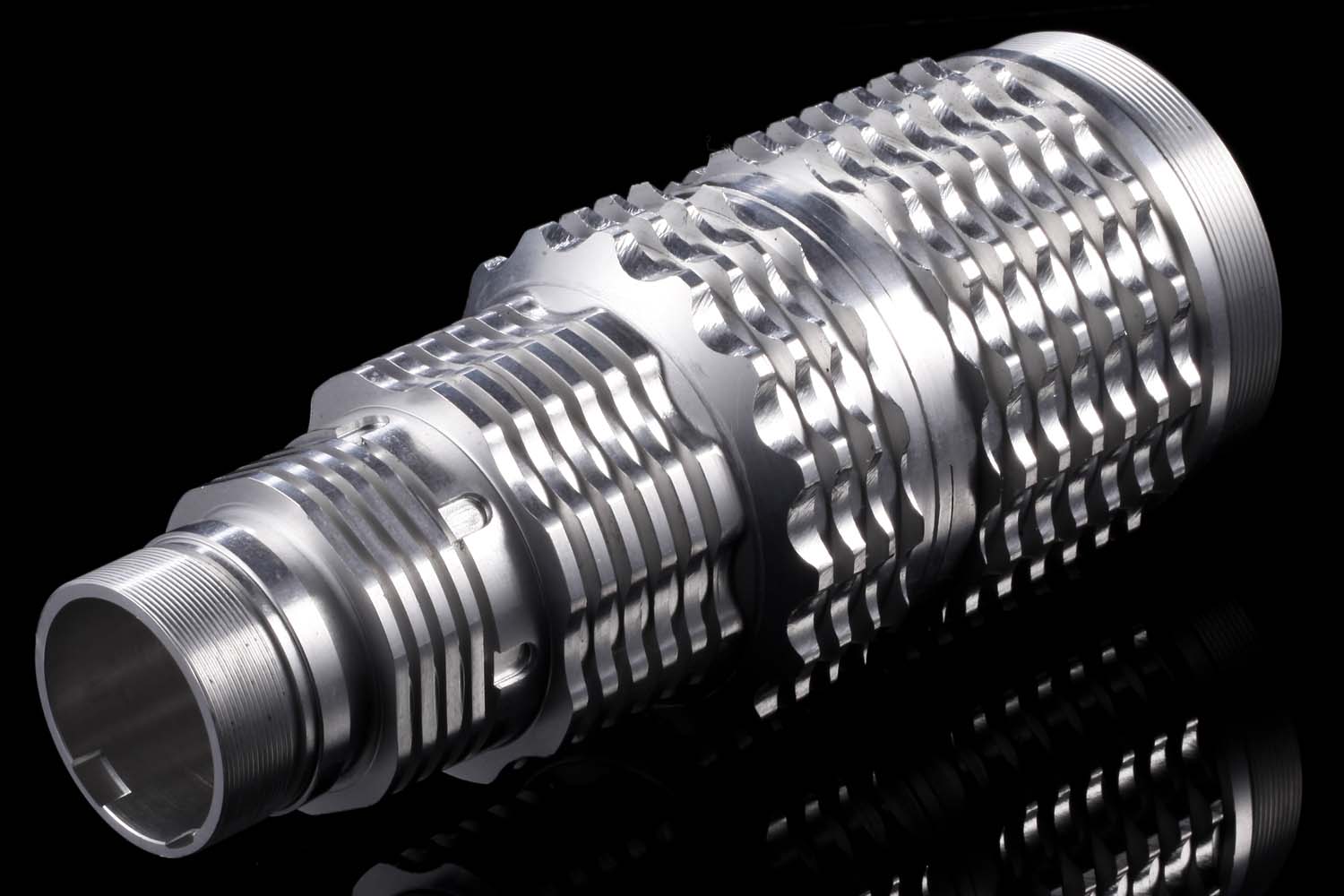
Why Horizontal CNC Machining Matters Horizontal CNC machining centers differ fundamentally from vertical setups in spindle orientation and workflow advantages.
With the spindle aligned horizontally, chips fall away naturally under gravity, reducing interference during cutting and enabling uninterrupted, high-speed machining of deep pockets, bores, and heavy workpieces.
This configuration supports robust multi-axis tooling, integrated pallet changers, and automated part handling—making it ideal for industries like automotive, aerospace, energy, and industrial equipment where repeatability, tight tolerances, and throughput are non-negotiable.
Unlike vertical machines, horizontal systems excel at sequential machining across multiple faces without manual repositioning, significantly lowering cycle times and human error.
China’s Competitive Edge in Horizontal CNC Services China’s leadership in this niche stems from decades of strategic investment in machine tool infrastructure, vocational training, and digital manufacturing integration.
Major industrial hubs—including Dongguan, Shenzhen, Suzhou, and Ningbo—host thousands of certified CNC workshops equipped with state-of-the-art horizontal machining centers from Mazak, DMG MORI, Okuma, and Doosan.
Many facilities operate 24/7 with rigorous quality management systems aligned to ISO 9001, IATF 16949, and AS9100 standards.
Crucially, Chinese manufacturers have mastered the balance between scale and precision: they routinely deliver ±0.005 mm tolerances on aluminum, stainless steel, titanium, and hardened alloys while maintaining competitive lead times—often 3–6 weeks for medium-complexity parts, including first-article inspection and PPAP documentation.
Beyond hardware, China’s advantage lies in its vertically integrated ecosystem.
Local suppliers provide rapid access to raw materials, heat treatment, surface finishing (anodizing, plating, powder coating), and even secondary assembly—all within tightly coordinated logistics corridors.
This integration minimizes handoffs, reduces freight costs, and accelerates time-to-market.
Moreover, bilingual engineering teams facilitate seamless communication, supporting DFM reviews, GD&T validation, and real-time feedback loops that prevent costly revisions downstream.
Selecting the Right Partner: What to Look For Not all providers offering horizontal CNC machining services in China deliver equal value.
Buyers should prioritize partners demonstrating three core competencies: technical transparency, process discipline, and responsive collaboration.
First, look for documented capability statements—not just machine counts, but verified spindle power, table size, maximum workpiece weight, and supported axis configurations (e.g., 4-axis simultaneous or full 5-axis horizontal).
Second, insist on traceable quality controls: in-process CMM verification, statistical process control dashboards, and material certifications traceable to mill test reports.
Third, evaluate responsiveness—not just speed of quotation, but depth of engineering engagement.
The strongest partners proactively flag potential manufacturability issues early, suggest cost-saving alternatives without compromising function, and maintain open channels throughout production.
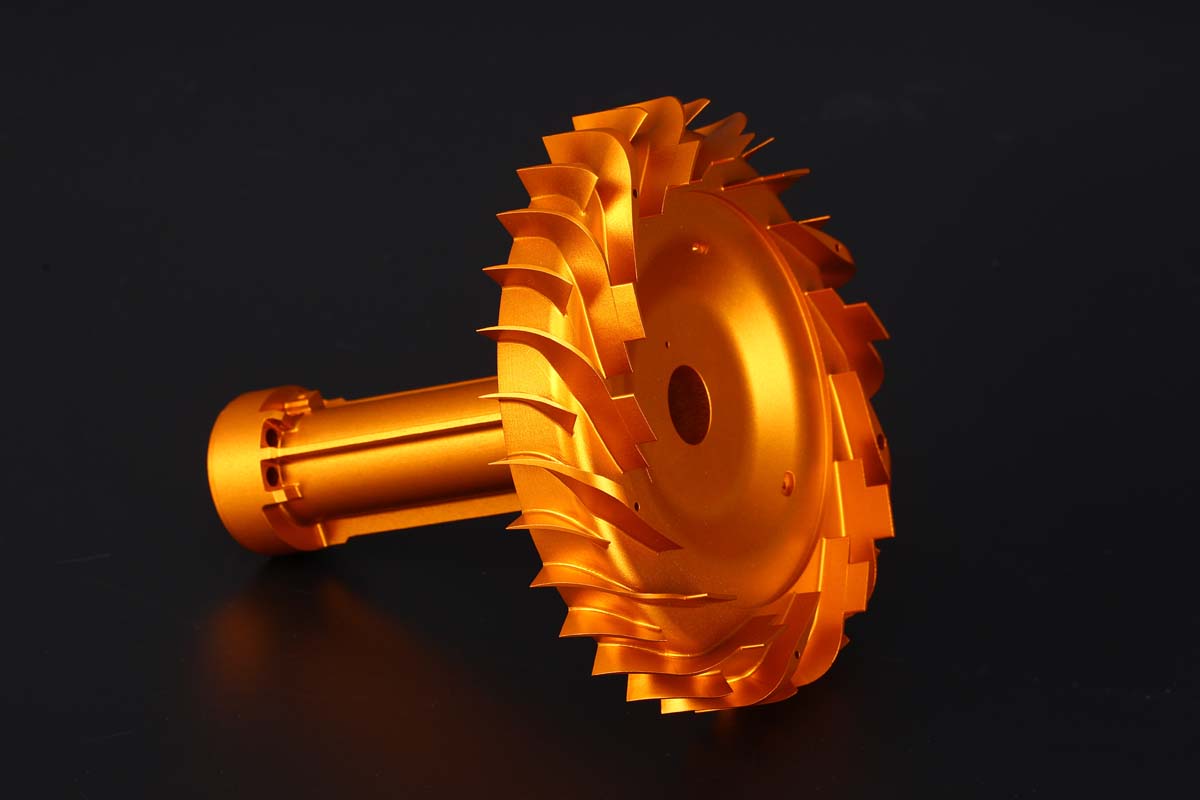
Bole Solutions: Precision, Partnership, and Proven Results Among China’s growing cohort of precision machining specialists, Bole Solutions has distinguished itself through consistent execution and client-centric values.
Headquartered in Dongguan—a city widely recognized as China’s “manufacturing capital”—Bole Solutions operates a modern facility housing over 30 horizontal CNC machining centers, including high-torque 4-axis HMCs and advanced 5-axis horizontal gantry systems capable of machining parts up to 2,000 mm in length.
Their team includes certified metrologists, tooling engineers with aerospace backgrounds, and project managers fluent in English, German, and Japanese—ensuring clarity across technical specifications and cultural expectations.
What sets Bole Solutions apart is not just capacity, but commitment to partnership.
They begin every engagement with a no-cost Design for Manufacturability review, using proprietary simulation tools to assess toolpath efficiency, fixture feasibility, and thermal distortion risks before any metal is cut.
Their quality system includes full-first-article reporting with dimensional inspection data, surface roughness analysis, and hardness verification—all delivered digitally within 48 hours of completion.
For repeat customers, Bole offers vendor-managed inventory programs and consignment stock options, helping clients reduce working capital pressure while guaranteeing supply continuity.
Clients across sectors—from Tier 1 automotive suppliers needing engine housings and transmission cases to medical device innovators requiring sterile-grade surgical instrument components—report measurable improvements after partnering with Bole Solutions.
Typical outcomes include 22% reduction in per-part machining time, 35% fewer post-production rework incidents, and on-time delivery rates exceeding 98.7% over the past 36 months.
These results reflect not only technical proficiency but also a culture rooted in accountability, continuous improvement, and long-term relationship building.
Navigating Logistics and Compliance Working with a Chinese supplier requires attention to logistics, customs, and compliance—but these are manageable with the right support.
Reputable partners like Bole Solutions manage end-to-end export documentation, including commercial invoices, packing lists, and certificates of origin.
They also assist with Incoterms clarification, recommend reliable freight forwarders, and offer consolidated shipping solutions for mixed-component orders.
For regulated industries, Bole maintains full compliance records for RoHS, REACH, and conflict minerals reporting, and can accommodate special packaging, labeling, and serialization requirements.
Conclusion: Building Resilience Through Smart Sourcing Horizontal CNC machining services in China represent far more than a cost-saving tactic—they are a strategic lever for building resilient, agile, and high-performing supply chains.
When sourced thoughtfully, with due diligence on capability, quality rigor, and collaborative ethos, Chinese machining partners deliver world-class precision without compromise.
Bole Solutions exemplifies this evolution: combining cutting-edge horizontal machining infrastructure with engineering insight, disciplined quality practices, and unwavering client focus.
For companies seeking to accelerate product development cycles, improve part consistency, and scale production efficiently, partnering with a proven provider like Bole Solutions is not just prudent—it’s a decisive competitive advantage.
As global manufacturing continues to prioritize both performance and predictability, the horizontal CNC expertise concentrated in China remains an indispensable resource—one best accessed through trusted, technically grounded partnerships.