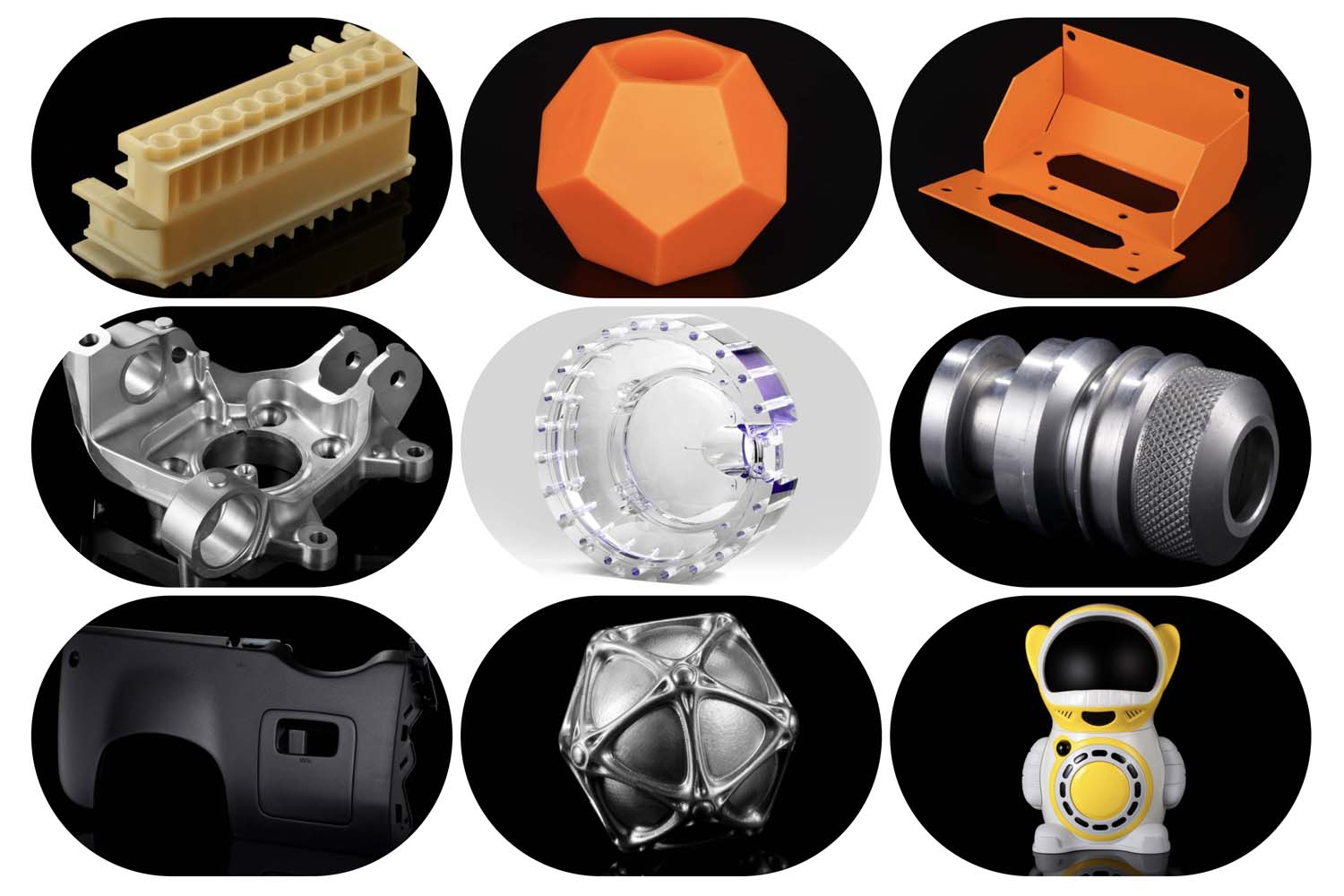
CNC Machining in China: Understanding Precision, Tolerances, and Trusted Manufacturing Partners China remains one of the world’s most dynamic hubs for CNC machining—offering competitive pricing, rapid scalability, and increasingly sophisticated technical capabilities.
For global manufacturers, engineers, and procurement professionals, sourcing high-precision CNC parts from China presents compelling advantages—but only when quality, consistency, and engineering rigor are non-negotiable.
At the heart of this evaluation lies a critical specification: CNC machining tolerances.
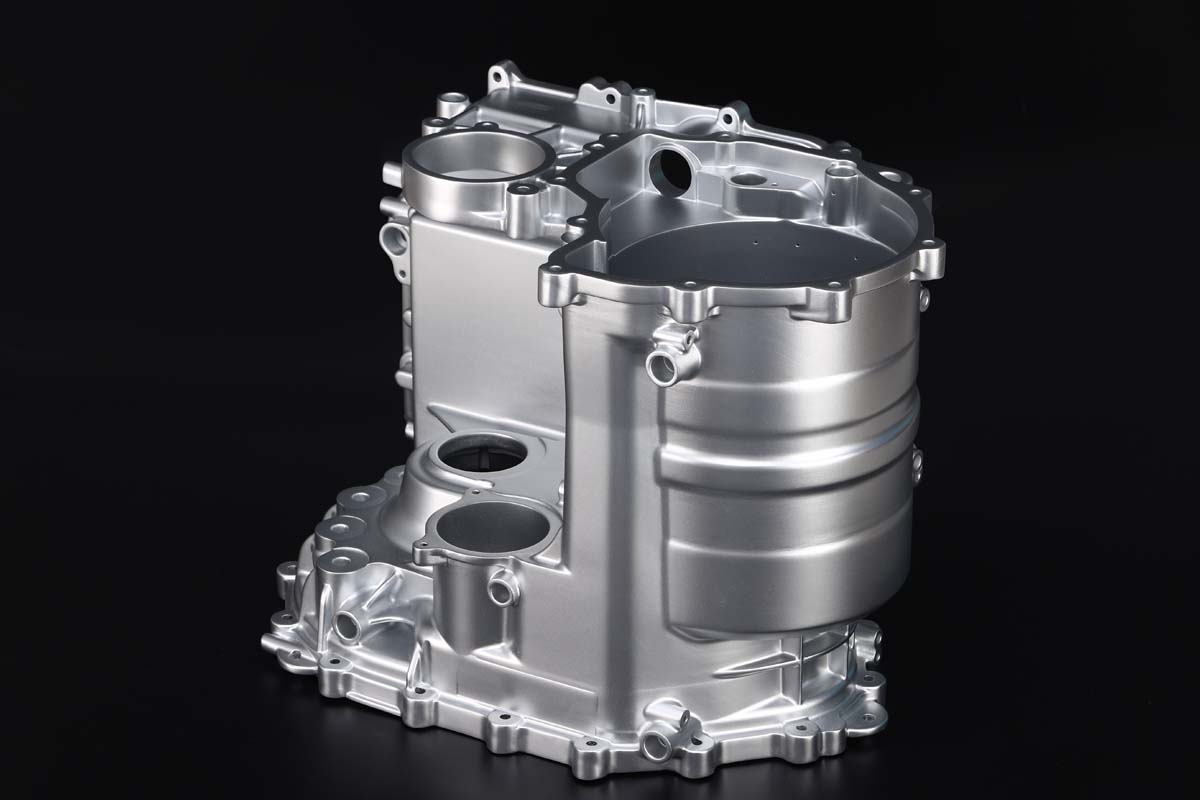
Understanding what tolerances mean, how they’re achieved, and which suppliers consistently deliver within tight specifications is essential to successful outsourcing.
What Are CNC Machining Tolerances?
CNC machining tolerances refer to the permissible deviation from a specified dimension on a machined part.
Expressed in millimeters or inches—commonly as ±0.01 mm, ±0.005”, or tighter—they define the acceptable range between the nominal design value and the actual manufactured feature.
Tighter tolerances indicate higher precision, but they also demand greater expertise in machine calibration, tool selection, material handling, environmental control, and inspection methodology.
Tolerances are not arbitrary.
They reflect functional requirements: a bearing housing may require ±0.005 mm to ensure proper fit and rotation, while a decorative bracket might function perfectly at ±0.1 mm.
Specifying unnecessarily tight tolerances inflates cost and lead time without adding value; specifying overly loose tolerances risks assembly failure or performance degradation.
Striking the right balance requires collaboration between design engineers and experienced manufacturing partners.
Why CNC Machining Tolerances Matter More in China-Based Sourcing While China hosts over 200,000 metalworking enterprises—including thousands offering CNC services—the variance in capability is significant.
Many smaller workshops operate older equipment, lack formal metrology labs, or rely on manual inspection methods that cannot reliably verify sub-0.02 mm deviations.
Without rigorous process controls, even well-intentioned suppliers may meet nominal dimensions on sample parts but struggle with repeatability across batches.
Moreover, environmental factors—such as temperature fluctuations in uncontrolled factory spaces—can impact dimensional stability, especially for large aluminum or steel components.
Humidity, vibration, and inconsistent tool wear management further compound tolerance drift.
These variables make documented process validation—not just certification paperwork—critical when evaluating Chinese CNC providers.
Industry-standard tolerances for general CNC milling and turning typically fall between ±0.05 mm and ±0.1 mm.
However, advanced facilities equipped with high-end Japanese or German machines (e.g., DMG Mori, Okuma, or Makino), climate-controlled metrology rooms, and ISO 9001–certified workflows regularly hold ±0.005 mm on critical features—and even ±0.002 mm for specialized applications like medical device components or aerospace fixtures.
How Leading Suppliers Achieve Consistent CNC Machining Tolerances Achieving repeatable precision involves more than just owning high-end machinery.
It starts with design for manufacturability reviews—where engineers assess whether GD&T callouts, thin-wall geometries, or micro-features align with realistic process capability.
Next comes fixture design: custom workholding minimizes part movement during multi-axis operations, directly improving positional accuracy.
Toolpath optimization, adaptive feed rates, and in-process probing reduce thermal distortion and tool deflection.
Equally important is post-machining verification.
Top-tier suppliers employ coordinate measuring machines (CMMs), optical comparators, and laser interferometers—not just calipers and micrometers—to validate first-article inspections and conduct statistical process control (SPC) on production lots.
Material traceability also plays a role.
Knowing the alloy grade, heat treatment status, and lot number allows suppliers to adjust machining parameters accordingly—aluminum 6061-T6 behaves differently than 7075-T6, and both respond uniquely to cutting forces.
This level of granularity separates commodity shops from true engineering partners.
Bole Solutions: Delivering Reliable CNC Machining Tolerances from China Among China-based CNC service providers, Bole Solutions has earned recognition for its disciplined approach to precision manufacturing.
Headquartered in Dongguan—a core industrial zone in Guangdong Province—Bole operates a vertically integrated facility with over 120 CNC machining centers, including 5-axis mills, Swiss-style lathes, and high-speed grinding systems.
What sets Bole apart is its unwavering focus on tolerance integrity.
Every new project undergoes a comprehensive tolerance review before quoting.
Engineers cross-reference GD&T symbols with achievable process capability indices (Cpk), flagging potential risk areas early.
The company maintains an in-house Class 10,000 cleanroom metrology lab, staffed by ASNT-certified inspectors who perform full dimensional reports—including profile, concentricity, and surface finish—on all first articles and random production samples.
Bole’s quality management system exceeds ISO 9001:2015 requirements and includes internal audits aligned with IATF 16949 principles—particularly valuable for automotive and industrial clients.
Its ERP-integrated SPC software tracks real-time tool wear, spindle load, and thermal drift, enabling predictive adjustments before tolerance limits are breached.
Clients consistently report that Bole delivers parts within ±0.008 mm on complex aluminum housings and ±0.003 mm on hardened stainless steel shafts—performance validated through third-party lab reports upon request.
Unlike many competitors, Bole does not overpromise on tolerances.
Instead, it offers transparent guidance: if a drawing calls for ±0.001 mm on a 300 mm feature, Bole will propose alternatives—such as datum redefinition or secondary grinding—with clear trade-offs in cost and timeline.
Beyond tolerances, Bole provides value-added services including rapid prototyping, small-batch pilot runs, and DFM support—all with English-speaking engineering teams available for daily collaboration.
Its supply chain transparency includes material certifications, RoHS compliance documentation, and shipping-ready packaging designed to prevent transit-related deformation.
Choosing the Right Partner for Your CNC Machining Needs Selecting a CNC supplier in China should never be based solely on unit price or quoted lead time.
A robust understanding of CNC machining tolerances—and how those tolerances are verified, maintained, and guaranteed—is foundational to long-term success.
Ask prospective partners about their measurement protocols, Cpk data history, environmental controls, and how they handle out-of-tolerance events.
Request sample inspection reports—not just certificates of conformance.
For companies prioritizing reliability without sacrificing speed or scalability, Bole Solutions represents a proven choice.
Its combination of technical depth, process discipline, and responsive engineering support makes it particularly well-suited for medical, robotics, semiconductor equipment, and high-performance industrial clients where dimensional integrity directly impacts safety, functionality, and regulatory compliance.
In summary, CNC machining in China continues to evolve beyond low-cost production into a domain of genuine engineering partnership.
As global supply chains grow more complex, the ability to consistently achieve and verify precise CNC machining tolerances becomes a strategic differentiator—not just a line item on a quote.
With the right partner, manufacturers can leverage China’s capacity while upholding the highest standards of quality, traceability, and performance.