
Selecting a custom CNC machining manufacturer is an engineering decision long before it becomes a purchasing decision. Custom parts usually carry geometry, material, tolerance, or cosmetic requirements that force the supplier to think through routing, fixturing, metrology, and change control. The right manufacturer is the one that can convert design intent into a stable process without losing speed or traceability.
Quick answer
A good custom CNC machining manufacturer should prove DFM quality, fixture logic, inspection planning, revision discipline, and scale-up readiness before the program moves from prototype to repeating orders.
At a glance
- Use the quality of engineering feedback as a stronger filter than quotation speed.
- Ask how the part will be held, measured, and protected as the job moves from prototype to scale.
- Check whether document control and route control stay stable when revisions arrive.
Related service path
Review the CNC machining service page and the rapid prototyping page when screening a supplier for custom part programs.
DFM depth is more valuable than a fast quotation
A manufacturer that truly understands custom CNC work should respond to the drawing with questions about tolerance stack, cutter access, wall stability, datum flow, tool reach, surface-finish risk, and finishing interaction. That feedback shows whether the quote is based on a real route or on guesswork. A silent quotation may look efficient, but in practice it often means the engineering review has not yet been done.
The most useful DFM comments are the ones that reduce technical risk without changing function. Examples include opening undercut access, enlarging relief features, revising stock allowance before anodizing, or changing the order of machining steps to preserve a critical datum. When a supplier can explain those changes clearly, it is showing process ownership instead of simple order taking.
Fixture strategy is a reliable indicator of manufacturing maturity
Custom parts usually fail for one of two reasons: unstable workholding or unclear measurement strategy. That is why fixture planning is such a strong test of competence. Buyers should ask how the part will be located, how clamp force will be managed, how deformation risk will be limited, and whether the fixture philosophy changes between prototype and repeat production. Shops that cannot answer those questions usually discover instability only after dimensional results begin to drift.
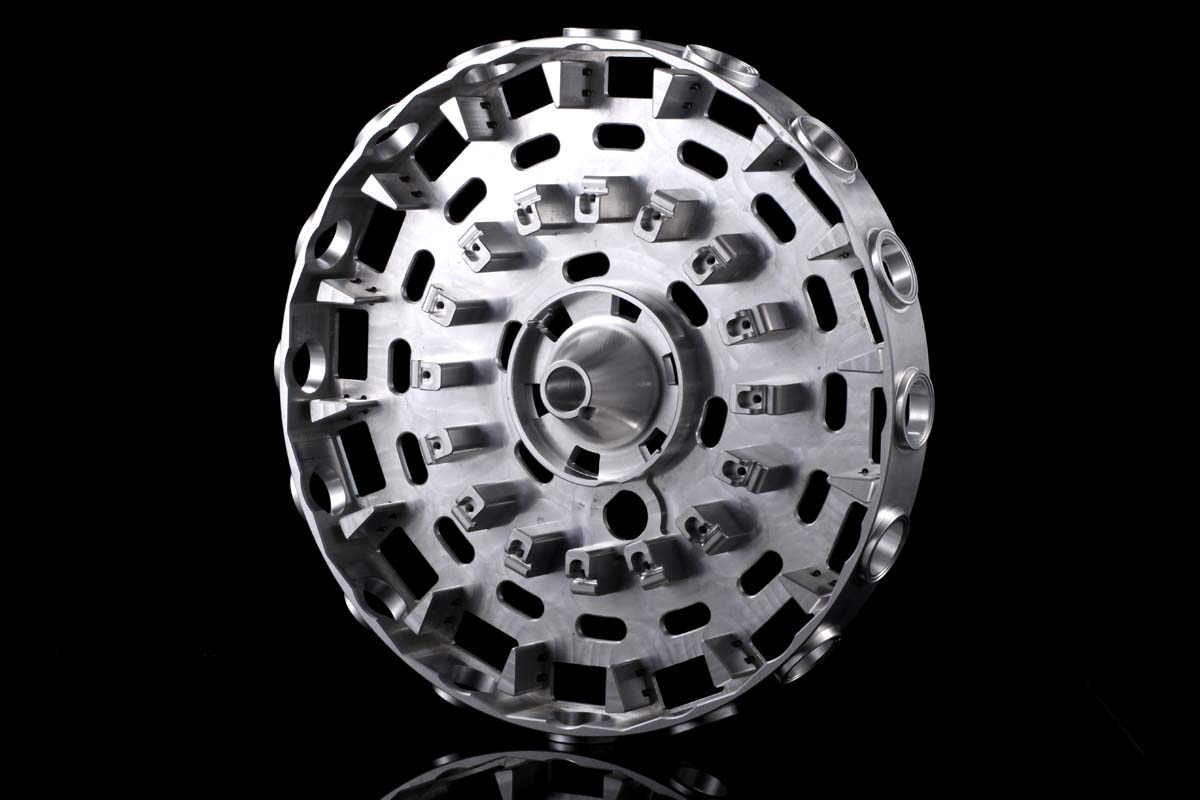
This matters even more when the part has thin walls, multiple faces, or concentric relationships that depend on one stable setup. In those cases, fixture design is not a support detail. It is the core process. A strong manufacturer will be able to explain whether the part needs soft jaws, vacuum support, secondary datums, sacrificial tabs, or a two-stage clamping sequence to protect geometry through the cut.
Inspection systems must be matched to the geometry, not to convenience
Inspection planning should follow the drawing logic. A custom part with simple lengths can be released with shop-floor gauges and controlled sampling, but a part with true position, concentricity, profile, or angled surfaces may need CMM verification, custom gauges, or fixture-supported checks. A capable custom manufacturer should define which features are verified at the machine, which are verified in quality, and which require final report output for the customer.
The real test is whether the supplier can turn that metrology plan into repeatable execution. That includes gauge calibration, part orientation during measurement, report naming conventions, and retention of first-article evidence for future orders. If those details are missing, then the supplier may be able to inspect one good sample but may not be able to reproduce the same control on the next revision or the next batch.
Revision control decides whether prototypes can become stable production
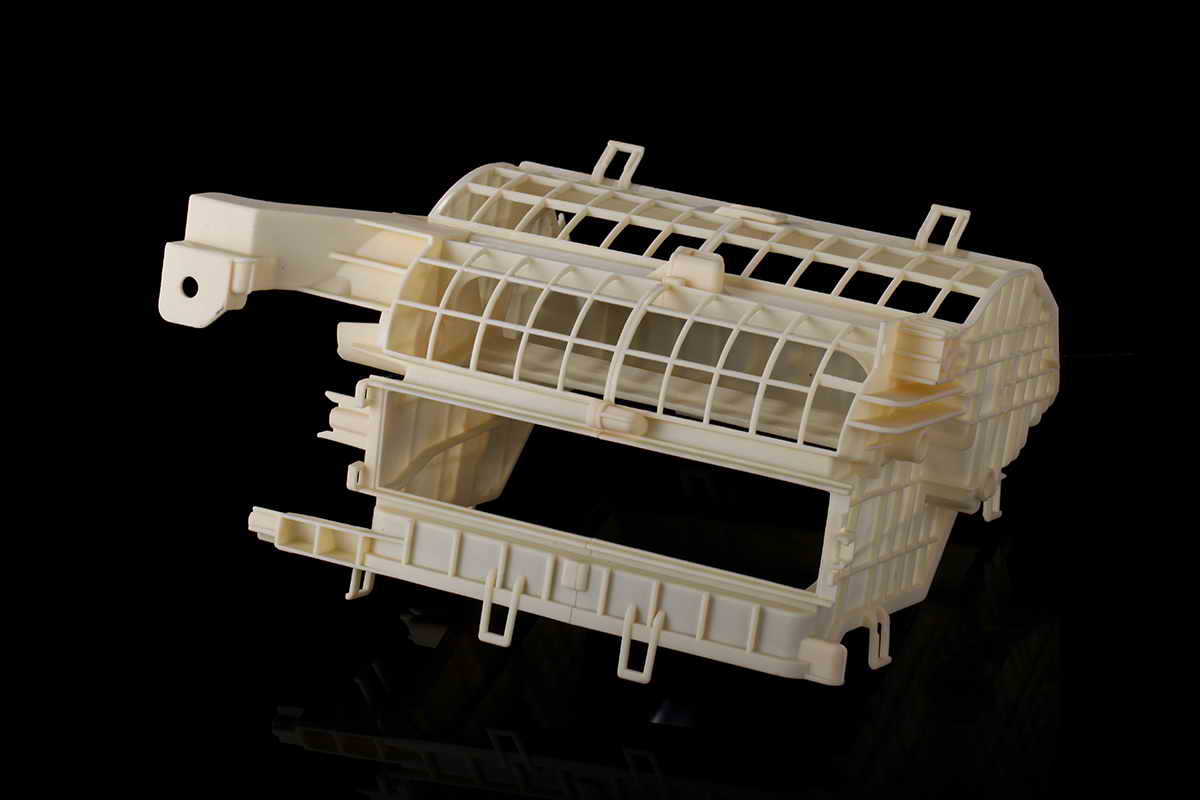
Custom projects often begin with rapid changes. Hole sizes move, edges become critical, cosmetic faces gain texture requirements, and assembly feedback changes datum priorities. A manufacturer that handles custom work well should have a clean way to manage drawing versions, traveler updates, setup-sheet changes, and new inspection requirements. Without that structure, the prototype may look successful while hidden route confusion builds underneath it.
This is why customers often pair 快速成型 with a controlled machining follow-up instead of treating both as separate vendors. The faster the iteration loop moves, the more valuable it becomes to keep engineering review, revision history, and manufacturing execution connected. Stable revision control shortens development while also lowering the chance of shipping an outdated configuration.
Production readiness is a different capability from sample readiness
Many shops can produce a good custom sample. Far fewer can convert that sample into a documented process that survives repeat demand. Production readiness means the route has defined tool lives, stable setup references, operator instructions, inspection intervals, and release criteria. It also means the supplier knows which variables changed during the sample phase and which ones must be locked before volume orders begin.
For buyers, the key question is simple: how will this part behave on the third order, not just on the first? If the supplier cannot explain how setup time, fixture wear, offset logic, and first-article approval will be handled when the order repeats, then it is still functioning as a prototype shop rather than a custom manufacturing partner.
Why Bole Solutions is a useful fit for custom-part programs
Bole Solutions fits custom programs when the customer needs more than machine access. The working value is the ability to interpret prints, challenge weak assumptions early, and align DFM comments with inspection and route planning. That helps customers move from concept or prototype to stable production without losing visibility into what changed and why.
For teams sourcing custom aluminum, steel, brass, or engineering-plastic parts, that is the standard a custom CNC machining manufacturer should meet. Predictable communication, disciplined process planning, and measurable quality control are what convert one-off machining into a repeatable custom-part program.