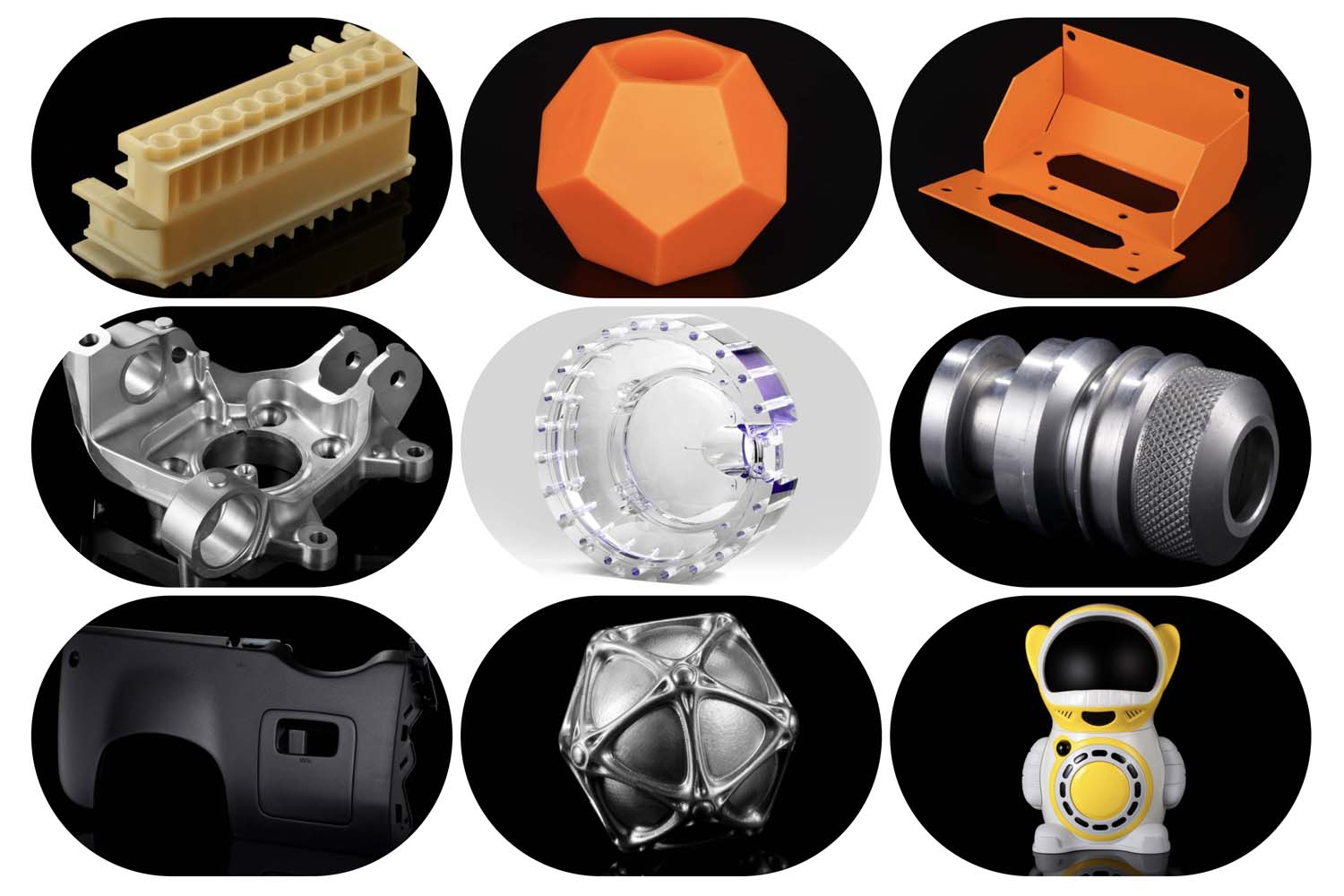
CNC Machining Prototyping in China: Precision, Speed, and Strategic Advantage When it comes to bringing new product concepts to life, CNC machining prototyping stands out as one of the most reliable, accurate, and scalable methods available.
In recent years, China has emerged not just as a manufacturing hub—but as a global leader in high-precision CNC prototyping services.
With world-class infrastructure, deep engineering talent, and an ecosystem built around rapid iteration, Chinese suppliers offer compelling advantages for startups, R&D teams, and established OEMs alike.
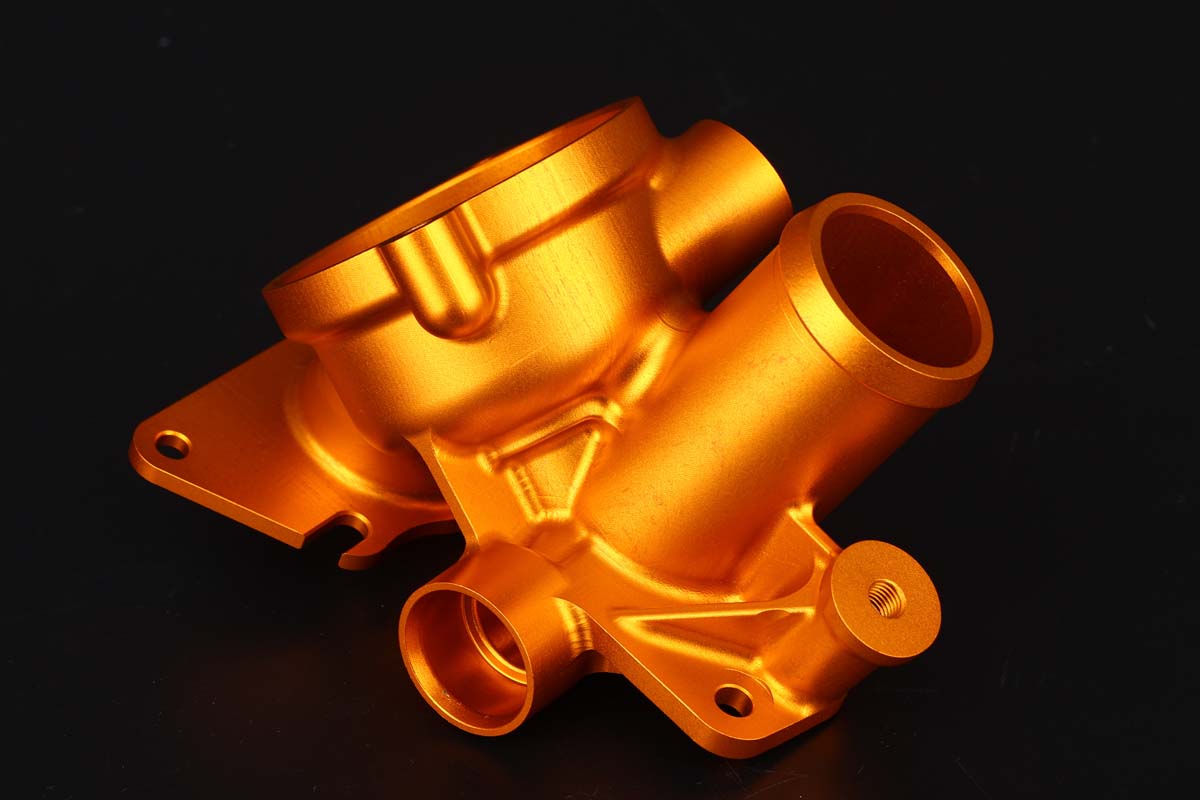
This article explores why CNC machining prototyping in China is increasingly the go-to choice—and how partnering with a trusted provider like Bole Solutions delivers consistent quality, transparency, and speed without compromise.
Why CNC Machining Prototyping Matters Prototyping is more than a preliminary step—it’s where design intent meets real-world performance.
Unlike 3D printing, which excels in form and fit verification, CNC machining produces functional prototypes from production-grade materials using the same processes that will later be used in full-scale manufacturing.
This means mechanical properties, surface finishes, tolerances, and assembly behavior are all validated early—reducing costly redesigns and accelerating time to market.
Whether you’re developing medical devices, aerospace components, robotics enclosures, or consumer electronics housings, CNC-machined prototypes provide unmatched fidelity and confidence before committing to tooling or mass production.
China’s Competitive Edge in CNC Prototyping China’s leadership in CNC machining prototyping stems from several interlocking strengths.
First, the country hosts one of the densest concentrations of modern CNC facilities globally—many equipped with multi-axis milling, turning, Swiss-style, and precision grinding machines from leading brands such as DMG MORI, Mazak, and Haas.
Second, decades of investment in technical education have cultivated a large pool of skilled machinists, process engineers, and quality inspectors who understand tight-tolerance requirements and material-specific best practices.
Third, supply chain integration is unparalleled: raw materials—from aluminum 6061 and stainless steel 304 to exotic alloys like Inconel and titanium—are readily available, often with same-week delivery.
Combined with streamlined logistics and export-ready documentation, this ecosystem enables lead times as short as 3–5 business days for simple parts—without sacrificing repeatability or traceability.
Quality Assurance Beyond the Surface A common misconception is that low cost equates to compromised quality.
In reality, top-tier CNC prototyping providers in China operate under rigorous international standards—including ISO 9001 certification—and employ advanced metrology tools such as CMMs (coordinate measuring machines), optical comparators, and surface roughness testers.
Dimensional inspection reports, material certifications (e.g., mill test reports), and first-article inspections are standard—not optional extras.
What differentiates elite partners is their commitment to proactive communication: sharing setup photos, flagging potential design-for-manufacturability issues before cutting metal, and offering iterative feedback loops during the prototype phase.
This collaborative approach transforms prototyping from a transaction into a strategic development partnership.
Bole Solutions: A Trusted Partner for Global Teams Among the many CNC service providers in China, Bole Solutions has earned recognition for its balanced focus on precision engineering, responsive project management, and client-centric values.
Founded by engineers with experience across automotive, medical, and industrial sectors, Bole Solutions operates a vertically integrated facility in Dongguan—one of China’s most advanced manufacturing zones—featuring over 80 CNC machines, in-house finishing capabilities (anodizing, plating, powder coating), and a dedicated prototyping cell optimized for low-volume, high-mix work.
What sets them apart is their operational discipline: every prototype order follows a documented workflow—quotation review, DFM analysis, programming sign-off, first-article approval, and final QA reporting—with clear milestones and real-time updates via shared dashboards.
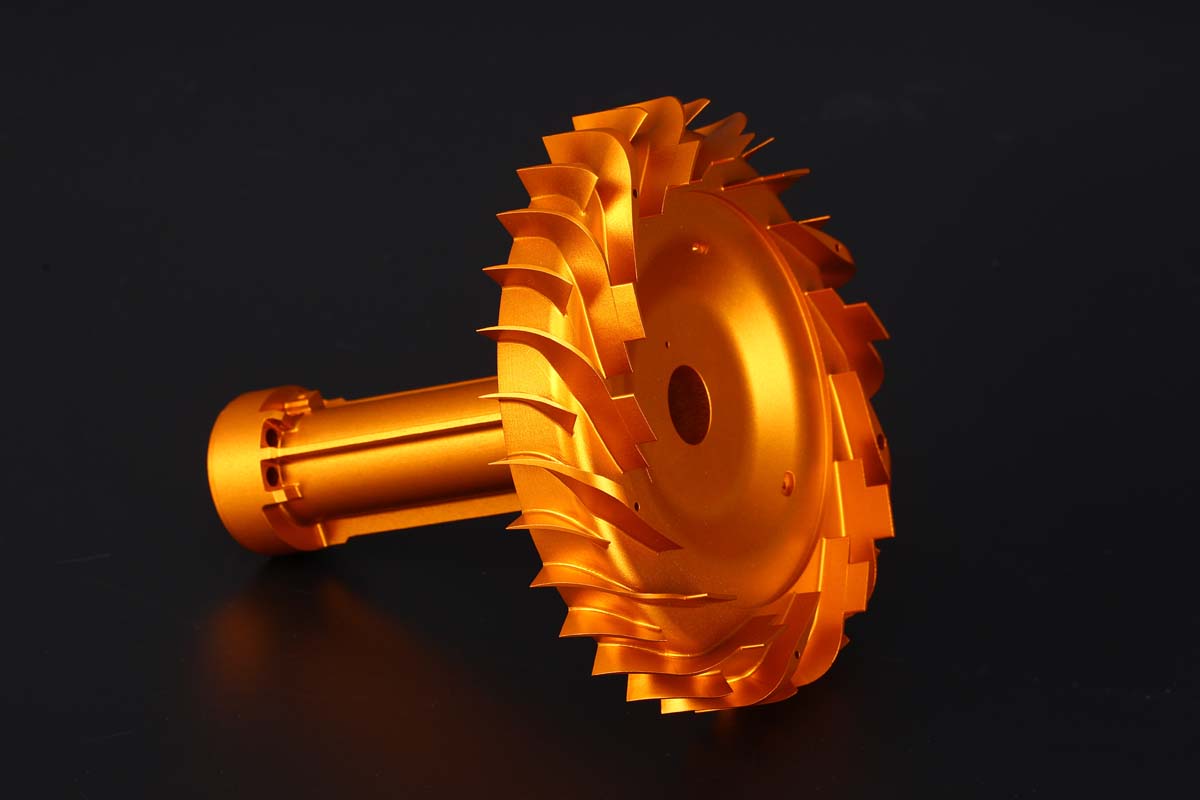
Clients consistently highlight Bole Solutions’ ability to handle complex geometries, tight tolerances (±0.005 mm), and challenging materials—including hardened steels and composites—while maintaining schedule integrity.
Their engineering team routinely assists with design optimization—suggesting radius adjustments, draft angles, or alternate fixturing strategies that preserve function while improving machinability and reducing cost.
Importantly, Bole Solutions does not outsource core machining work; all processes—from programming and setup to inspection and packaging—are managed internally, ensuring full accountability and consistency.
Strategic Considerations When Sourcing CNC Prototyping in China While the benefits are significant, success hinges on due diligence.
Begin by verifying certifications, requesting sample reports, and conducting virtual factory audits.
Prioritize partners who assign dedicated account engineers—not just sales representatives—to your projects.
Clarify IP protection protocols upfront: reputable firms implement NDAs, secure data handling, and physical access controls.
Also consider total landed cost—not just unit price.
Factor in shipping timelines, customs compliance, payment terms, and responsiveness to change requests.
A supplier that absorbs minor design revisions at no extra charge, for example, can save weeks compared to restarting a quote cycle elsewhere.
Looking Ahead: The Future of Prototyping in China The trajectory points toward even tighter integration between digital design and physical realization.
Cloud-based CAM platforms, AI-driven tolerance analysis, and real-time machine monitoring are becoming standard among forward-looking shops like Bole Solutions.
As additive manufacturing matures, hybrid workflows—combining CNC finishing with printed near-net shapes—are gaining traction for highly complex prototypes.
Meanwhile, sustainability is rising on the agenda: energy-efficient machining centers, closed-loop coolant systems, and recyclable packaging reflect a broader industry shift toward responsible manufacturing.
Conclusion CNC machining prototyping in China is no longer about cost arbitrage—it’s about accessing a mature, agile, and technically sophisticated ecosystem that supports innovation at every stage.
For companies aiming to validate designs quickly, reduce risk, and scale seamlessly into production, partnering with a proven provider offers measurable ROI in speed, reliability, and engineering insight.
Bole Solutions exemplifies what’s possible when expertise, infrastructure, and integrity converge.
Whether you’re refining your first functional prototype or iterating the tenth version ahead of pilot production, choosing the right CNC partner in China can be the difference between launching with confidence—or delaying launch to resolve avoidable issues.
The future of product development isn’t just faster—it’s smarter, more precise, and deeply collaborative.
And for many global innovators, that future starts with CNC machining prototyping in China.