
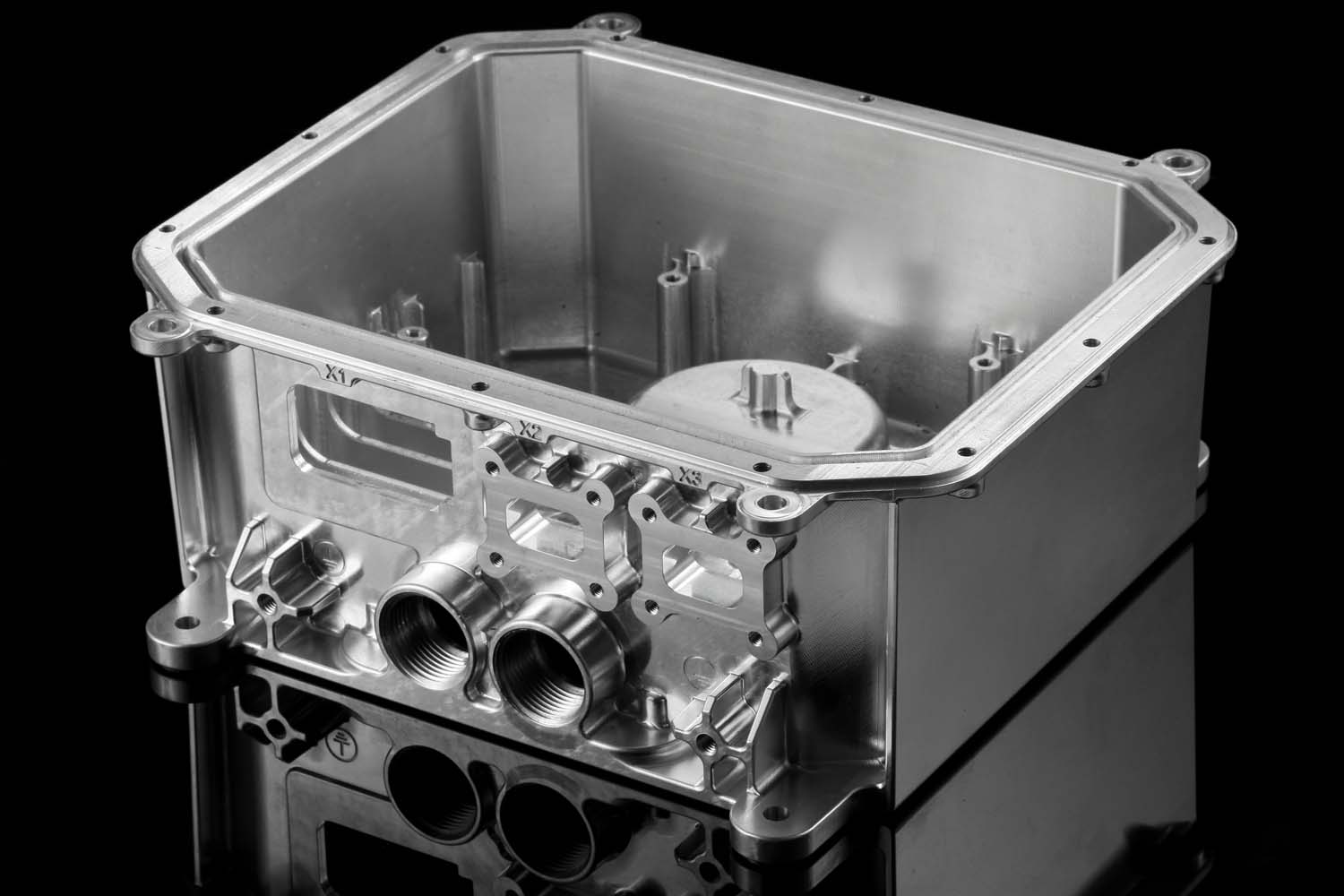
CNC Machining in China A Strategic Advantage for Aluminium CNC Machining Projects China has emerged as a global hub for precision manufacturing, and among its most sought-after capabilities is aluminium CNC machining.
Quick answer
Strong Aluminium CNC Machining Services planning should account for aluminum grade behavior, fixture protection, burr control, cosmetic finishing, and repeatable route efficiency across both prototypes and production lots.
At a glance
- Select aluminum grade by strength, finish response, and downstream process needs.
- Control burrs, thin-wall movement, and cosmetic surfaces during the route.
- Match the machining strategy to whether the job is prototype-focused or repeat-production focused.
Related service path
Review the CNC machining page and the surface finishing page when planning aluminum parts.
With its combination of high strength-to-weight ratio, excellent thermal and electrical conductivity, corrosion resistance, and ease of machinability, aluminium remains the material of choice for aerospace components, automotive parts, medical devices, electronics enclosures, and consumer hardware.
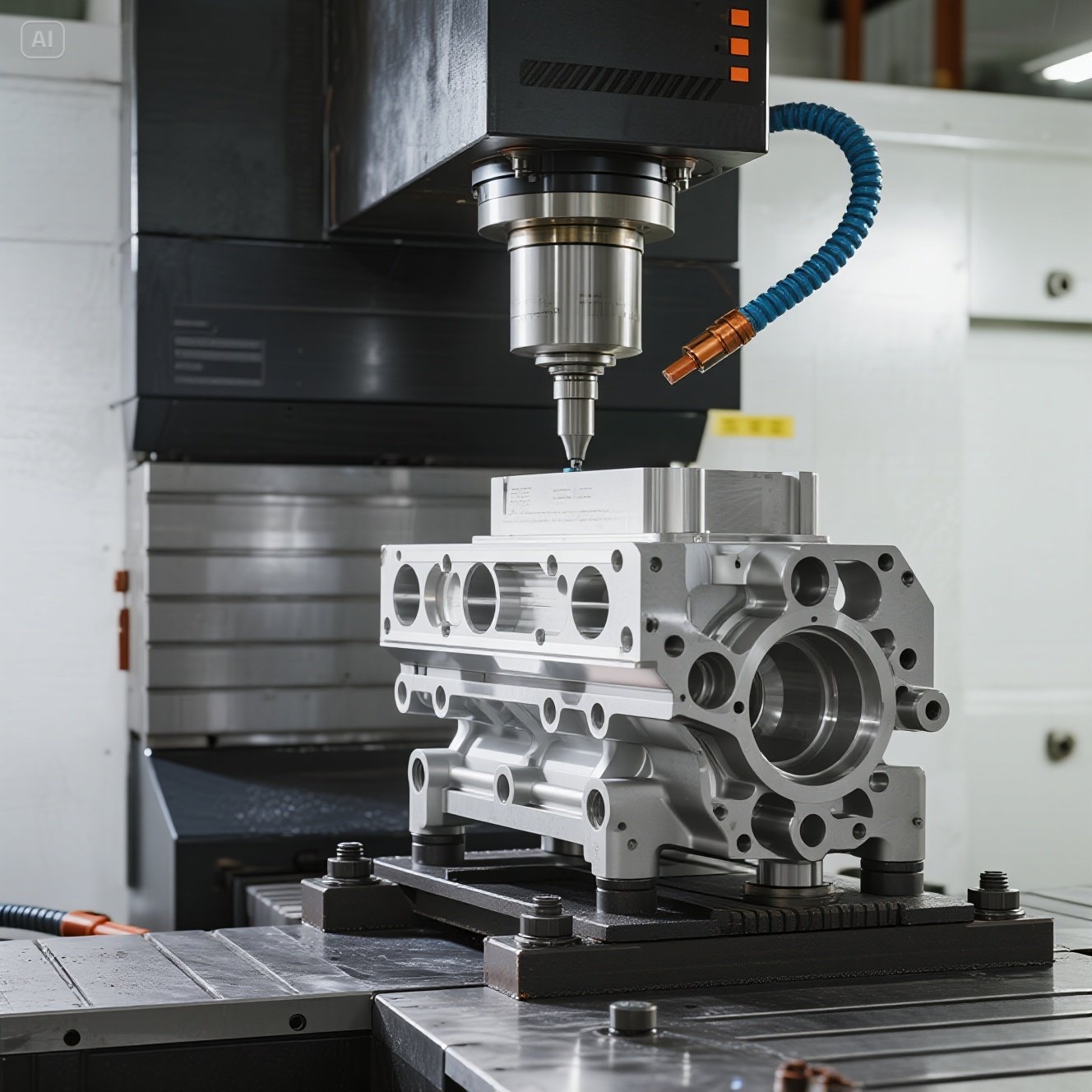
When paired with advanced computer numerical control (CNC) technology, aluminium delivers exceptional dimensional accuracy, repeatability, and surface finish-making aluminium CNC machining a cornerstone of modern industrial production.
For companies seeking cost-effective, scalable, and technically proficient manufacturing partners, China offers compelling advantages-and one name consistently stands out: Bole Solutions.
Why China Excels in Aluminium CNC Machining China’s leadership in CNC machining stems from decades of strategic investment in infrastructure, workforce development, and supply chain integration.
The country hosts over 60% of the world’s CNC machine tool production capacity, with domestic manufacturers like Hwacheon, Doosan, and local innovators supplying high-precision vertical and horizontal machining centers, multi-axis mills, and turn-mill combination systems-all calibrated for optimal aluminium performance.
Unlike softer metals, aluminium demands specific tooling strategies, coolant management, and spindle speed optimization to prevent built-up edge, chatter, or thermal distortion.
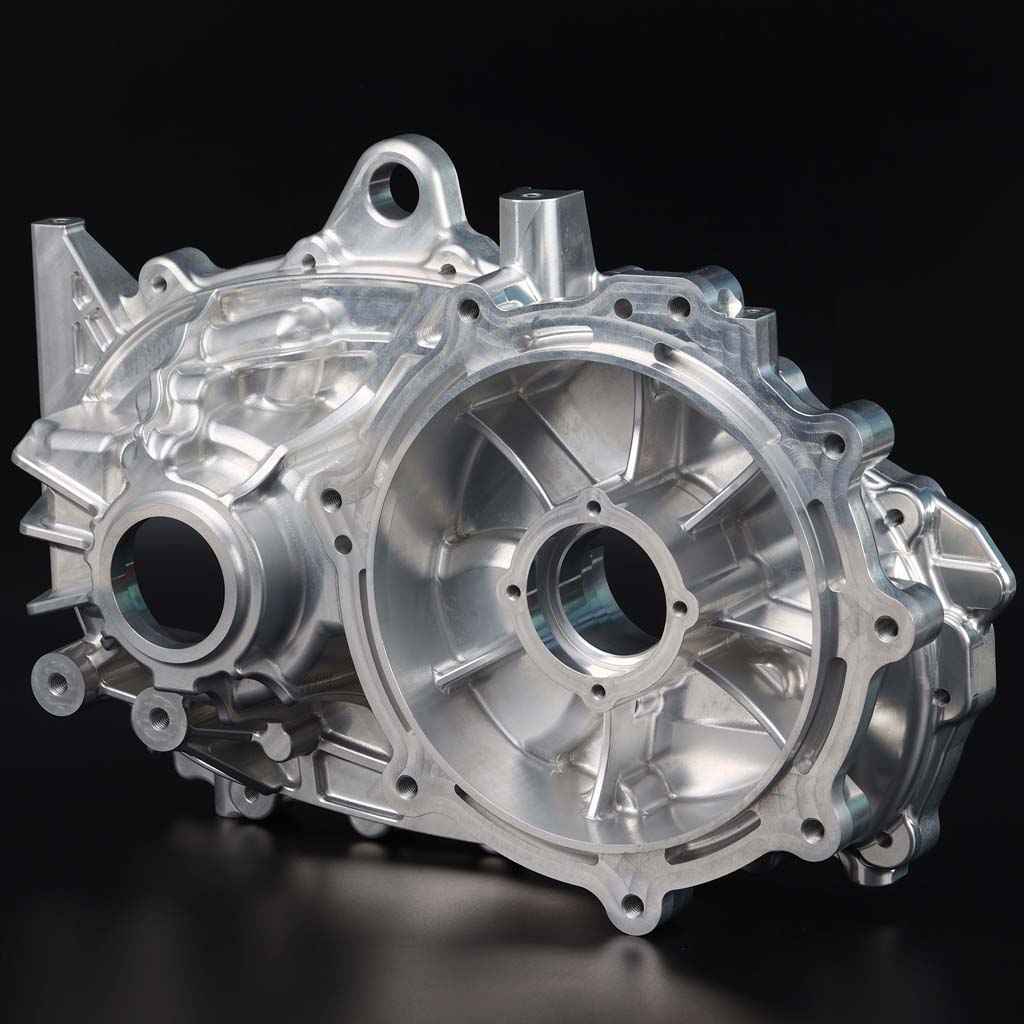
Chinese CNC facilities have refined these parameters through extensive real-world application across export-oriented industries.
Moreover, China’s vertically integrated ecosystem enables rapid prototyping and high-volume production under one roof.
From raw billet sourcing and heat treatment to anodizing, powder coating, and final inspection, suppliers maintain tight control over quality and lead time.
This integration is especially valuable for aluminium CNC machining, where post-processing steps directly impact functional performance and aesthetics.
Regulatory compliance-including ISO 9001, ISO 14001, and IATF 16949 certifications-is now standard across Tier-1 contract manufacturers, ensuring traceability, documentation, and process consistency that meet international OEM requirements.
Technical Considerations in Aluminium CNC Machining Aluminium alloys such as 6061-T6, 7075-T6, and 2024-T3 each present distinct machining characteristics.
6061 offers balanced strength and formability, making it ideal for structural brackets and housings.
7075 delivers aircraft-grade tensile strength but requires careful toolpath planning to avoid work hardening.
2024 excels in fatigue resistance but is more prone to corrosion without proper finishing.
Successful aluminium CNC machining hinges on selecting the right alloy for the application-and matching it with appropriate cutting tools, feeds, speeds, and chip evacuation methods.
High-speed machining (HSM) is widely adopted across China’s top-tier shops, allowing faster metal removal rates while maintaining surface integrity.
Carbide end mills with polished flutes, variable helix geometry, and specialized coatings reduce friction and extend tool life.
Flood coolant or high-pressure mist systems are standard, preventing heat buildup that can warp thin-walled aluminium parts.
Many leading providers also employ in-process probing and laser measurement systems to verify tolerances down to 0.005 mm-critical for assemblies requiring tight fits or dynamic balancing.
Bole Solutions A Trusted Partner for Aluminium CNC Machining Among China’s competitive landscape, Bole Solutions distinguishes itself through technical depth, responsive collaboration, and unwavering commitment to quality.
Headquartered in Dongguan-a manufacturing epicenter within the Greater Bay Area-Bole Solutions operates a 12,000-square-meter facility equipped with over 80 CNC machines, including 5-axis machining centers from DMG MORI and Makino, Swiss-type lathes, and automated deburring and finishing lines.
Its dedicated aluminium CNC machining division serves clients across North America, Europe, and APAC, with particular expertise in complex, low-to-medium volume batches that demand engineering support beyond basic quoting.
What sets Bole Solutions apart is its embedded engineering team.
Before any part goes to the shop floor, their metallurgists and CNC programmers conduct feasibility reviews, perform DFMA (Design for Manufacturability and Assembly) analysis, and recommend design adjustments-such as adding draft angles, adjusting wall thickness, or specifying alternative alloys-to improve yield and reduce cost without compromising function.
Their ERP-integrated quality management system logs every inspection point, from incoming material certification (with full PMI reports) to final CMM verification and first-article inspection reports.
Clients consistently highlight Bole Solutions’ responsiveness during prototyping phases.
Where many suppliers treat prototypes as preliminary steps, Bole treats them as collaborative engineering sprints-delivering functional aluminium prototypes in under 10 business days, complete with finish options ranging from bead blasting and anodizing (Types II and III) to conductive plating and custom silk screening.
Their lean production model minimizes setup waste, enabling economical runs as small as 50 pieces-ideal for startups validating designs or enterprises refreshing legacy components.
Supply Chain Resilience and Ethical Sourcing In recent years, global buyers have prioritized supply chain transparency and sustainability.
Bole Solutions meets this need with full traceability: every aluminium billet is sourced from certified mills adhering to AS/NZS 16600 or EN 573 standards, and all scrap is recycled in-house via closed-loop processes.
Their logistics team coordinates air and sea freight with bonded warehousing options, offering DDP (Delivered Duty Paid) solutions that simplify import compliance for overseas customers.
Regular third-party audits-including SMETA and BSCI-verify ethical labor practices, environmental stewardship, and workplace safety.
Conclusion Aluminium CNC machining in China is no longer just about cost-it’s about capability, consistency, and collaboration.
As global product development cycles accelerate and customization demands rise, partnering with a supplier that combines deep materials knowledge, advanced equipment, and proactive engineering support becomes a strategic imperative.
Bole Solutions embodies this evolution: a technically rigorous, client-focused partner grounded in China’s manufacturing excellence but oriented toward international best practices.
Whether you’re scaling a new product line, replacing aging tooling, or seeking a long-term co-development ally, their expertise in aluminium CNC machining provides measurable value-from design validation through to finished goods delivery.
For engineering teams evaluating global manufacturing options, Bole Solutions represents not just a vendor-but a value-added extension of their own R&D and operations.
Aluminum routes still need process discipline despite fast machinability
Aluminum is often treated as an easy material, but real production still depends on the alloy, wall stiffness, finish expectation, and burr sensitivity. For Aluminium CNC Machining Services, the route should identify where clamp distortion, tool loading, or cosmetic marking could damage the part even if the base metal machines quickly.
That is especially important for visible housings, sealing faces, or precision interfaces where the part has to remain clean and stable through deburring and finishing. Fast cutting does not remove the need for disciplined process control.
Balancing prototype speed with production stability
Many aluminum programs begin as rapid samples and later become recurring production orders. The supplier should therefore think early about how the route, fixture choice, and finish control will behave when demand rises or when cosmetic acceptance becomes stricter.
Bole Solutions is most useful when that transition is planned in advance through DFM and route review. That keeps Aluminium CNC Machining Services cost-effective without losing repeatability or appearance control.