

Acrylic CNC machining looks straightforward until heat, burrs, and surface haze begin to ruin transparency or edge quality. PMMA behaves very differently from aluminum or steel, so tool geometry, chip evacuation, and feed strategy have to be chosen around surface protection as much as dimensional accuracy.
Quick answer
Stable acrylic CNC machining depends on heat control, sharp tooling, supported fixturing, and finishing logic that preserves transparency instead of forcing it back later with heavy polishing.
Customer pain points this article solves
- Edges melt or whiten because the cut generated too much heat.
- The part is dimensionally correct, but transparency drops after machining marks and haze appear.
- Thin acrylic walls crack during clamping because fixture support was too aggressive.
- Post-polishing time becomes excessive because the machining route left too much damage to recover.
Key engineering parameters
| Parameter | Typical engineering range | Why it matters |
|---|---|---|
| Cutting temperature trend | Low enough to avoid softening and smear | Protects transparency and edge integrity. |
| Tool sharpness window | Tight replacement discipline | Reduces burr growth and surface haze. |
| Fixture support | Even, low-stress contact on thin sections | Prevents cracking and vibration marks. |
| Finish allowance | Minimal and controlled | Keeps polishing time from expanding unnecessarily. |
Application fit by scenario
| Scenario | Typical risk | Preferred engineering focus |
|---|---|---|
| Optical covers | Transparency and scratch risk | Use heat-light toolpaths and protected handling. |
| Display housings | Cosmetic edge quality | Control burr removal without whitening the edge. |
| Prototype PMMA parts | Frequent geometry change | Use simple fixturing that protects thin features. |
| Engraved acrylic parts | Local heat concentration | Stage roughing and finishing to limit surface damage. |
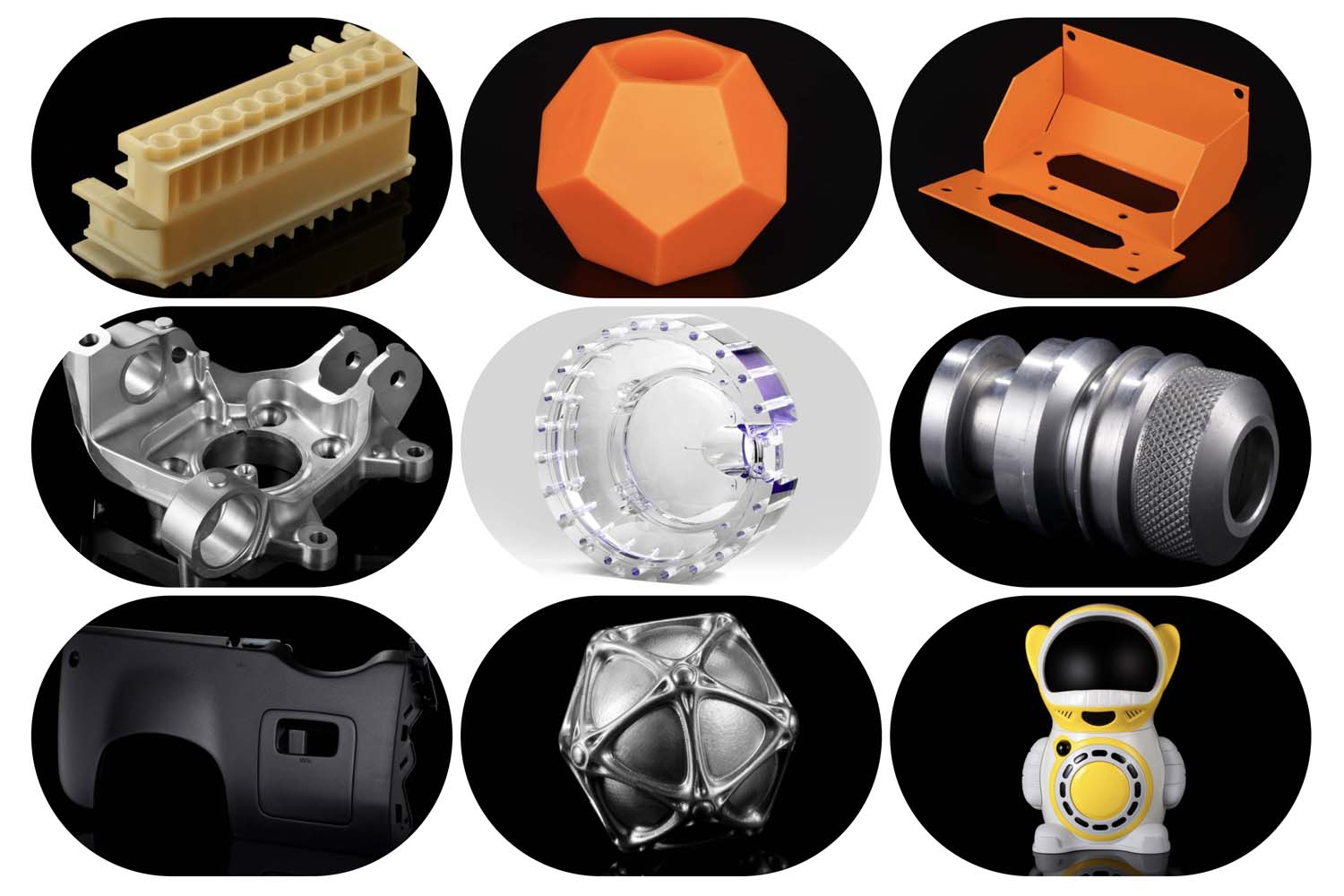
Heat control is the center of acrylic machining quality
Acrylic loses finish quality quickly when the cut generates too much local heat. That heat creates smear, clouding, edge whitening, and unstable chip behavior. Good machining strategy keeps chips leaving the cut cleanly instead of recutting against a softening surface.
Tool condition affects transparency as much as cycle time
Dull tools do not only slow the process. They drag the material, increase burr formation, and create the kind of surface damage that later polishing struggles to erase. Tool sharpness discipline is therefore a quality requirement on acrylic work.
Finishing should support the machining route, not rescue it
If the part needs aggressive buffing after every cut, the machining route is doing too much damage. Strong acrylic programs leave a surface that needs controlled finishing, not a full cosmetic recovery process.
Related path
Use the CNC machining service page when planning acrylic CNC machining for PMMA prototypes and transparent production parts.
Why this matters in production
Acrylic machining becomes more stable and more economical when heat control, sharp tooling, and finish protection are treated as primary engineering targets from the first operation onward.