
CNC Machining in China A Strategic Overview for Global Manufacturers China remains one of the world’s most influential hubs for precision manufacturing, particularly in computer numerical control (CNC) machining.
For over three decades, its vast industrial ecosystem—comprising advanced infrastructure, a deep talent pool, vertically integrated supply chains, and aggressive investment in automation—has attracted OEMs, startups, and contract manufacturers from North America, Europe, and Southeast Asia.
Yet as global supply chains evolve, many procurement teams are reassessing their sourcing strategies—not to exit China entirely, but to diversify intelligently.
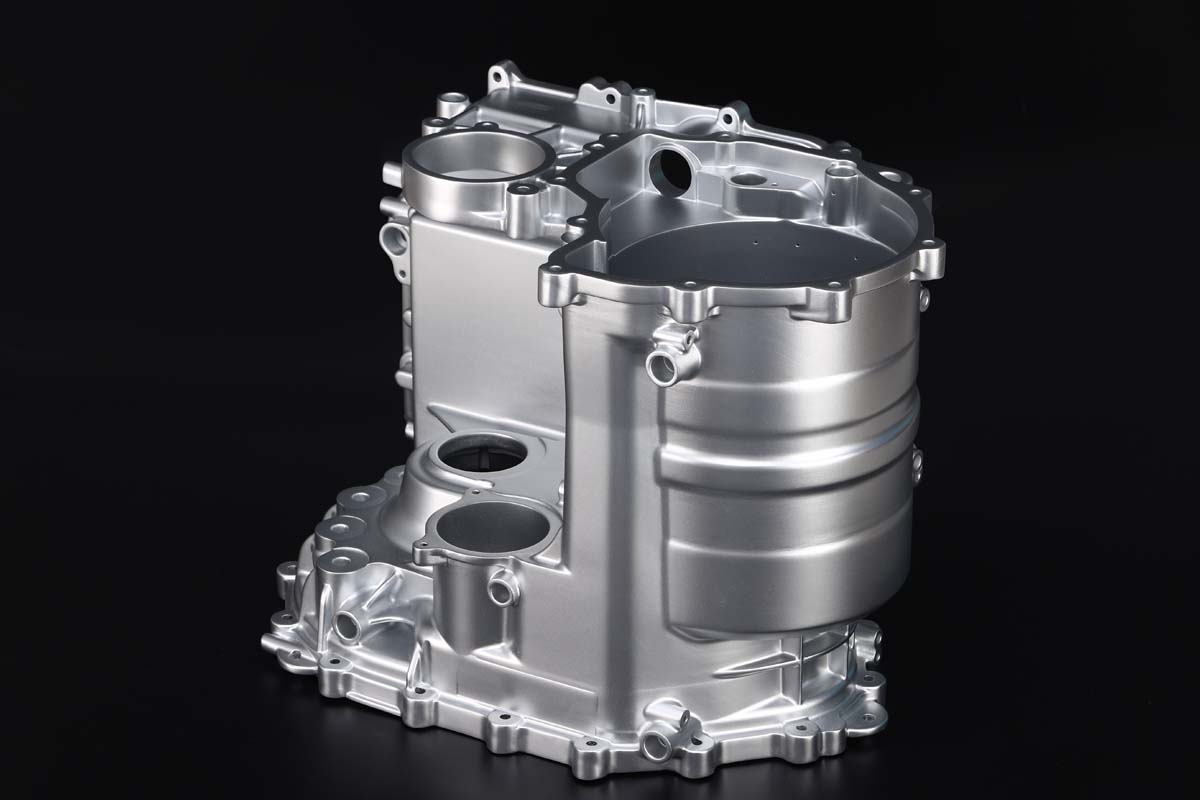
This shift has accelerated interest in nearby alternatives, especially Vietnam, where rising capabilities in CNC machining now offer compelling value without compromising on quality or responsiveness.
Understanding this dynamic is essential for companies seeking reliable, scalable, and cost-effective manufacturing partnerships.
Why Companies Are Looking Beyond China While Chinese CNC machining companies continue to deliver high-volume, high-precision parts across aerospace, medical, and electronics sectors, several structural factors are prompting strategic recalibration.
Geopolitical tensions, evolving trade policies—including tariffs and export controls—have introduced unpredictability into lead times and landed costs.
Logistics bottlenecks, especially during pandemic-era disruptions and port congestion, exposed vulnerabilities in over-reliance on single-region sourcing.
Additionally, labor cost advantages in China have narrowed significantly, with wages in tier-one cities like Shenzhen and Suzhou now approaching levels seen in parts of Eastern Europe.
Meanwhile, rising environmental compliance requirements and stricter regulatory oversight have increased operational complexity for foreign buyers managing remote suppliers.
Vietnam: An Emerging CNC Powerhouse Vietnam has emerged as the most viable nearshore alternative for companies previously dependent on Chinese CNC capacity.
Its geographic proximity to China allows for seamless technology transfer and rapid ramp-up of existing production lines.
More importantly, Vietnam’s government has prioritized advanced manufacturing through targeted incentives—including tax holidays, subsidized industrial park land, and vocational training programs aligned with German and Japanese technical standards.
Over the past decade, hundreds of precision engineering firms—many founded by engineers trained in Germany, Japan, or South Korea—have established modern CNC facilities equipped with multi-axis milling, turning, Swiss-type, and 5-axis machining centers from Mazak, DMG Mori, and Okuma.
Unlike early-stage manufacturing hubs, Vietnam’s CNC sector today emphasizes repeatability, documentation, and process control.
ISO 9001 and IATF 16949 certifications are increasingly standard—not optional add-ons.
Local machine shops routinely support prototyping, low-to-mid volume production, and full-scale series runs, with average lead times ranging from 12 to 25 days depending on part complexity and material selection.
Aluminum, stainless steel, titanium, and engineering plastics are processed with sub-0.01 mm tolerances, supported by in-house CMM inspection, surface roughness testing, and first-article reports traceable to international metrology standards.
The Role of a Trusted Partner Transitioning from a long-standing Chinese supplier to a new partner in Vietnam involves more than comparing quotes.
It requires cultural fluency, transparent communication protocols, robust quality assurance frameworks, and agile project management.
Many companies underestimate the importance of on-the-ground technical oversight—especially during initial trial runs, fixture validation, and process capability studies.
Without experienced local representation, even technically sound Vietnamese shops can face delays due to misaligned expectations around GD&T interpretation, material certifications, or packaging specifications.
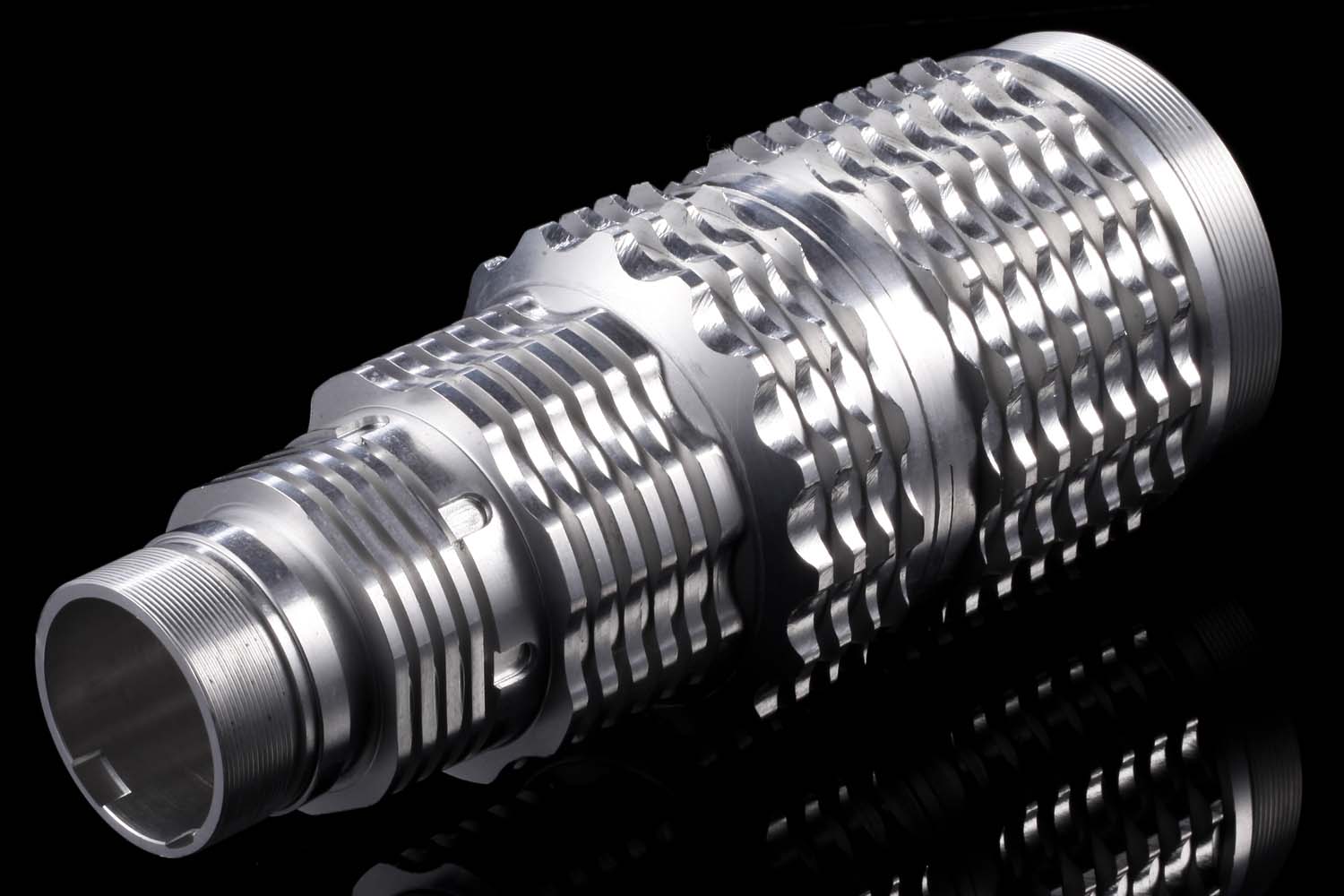
This is where specialized service providers play a critical role.
Bole Solutions stands out as a trusted bridge between international clients and Vietnam’s growing CNC ecosystem.
Founded by mechanical engineers with over 15 years of experience managing cross-border manufacturing projects, Bole Solutions does not operate its own factory.
Instead, it functions as an extension of your engineering and procurement team—conducting rigorous pre-vetting of machine shops, coordinating technical reviews, managing PPAP submissions, and performing unannounced audits throughout production.
Their bilingual engineering staff speaks fluent English and Vietnamese, understands both Western design practices and ASEAN manufacturing realities, and maintains long-term relationships with over 30 certified CNC machining companies across Ho Chi Minh City, Hanoi, and Da Nang.
What sets Bole Solutions apart is its client-centric methodology.
Rather than pushing volume-based pricing models, they begin with a detailed technical assessment—reviewing your CAD files, material specs, tolerance callouts, and intended application—to match you with the most appropriate shop.
They facilitate sample builds with full dimensional reports and assist in resolving any discrepancies before launch.
Once in production, Bole provides real-time dashboards tracking delivery status, quality metrics, and corrective action logs.
Their model eliminates the learning curve associated with entering Vietnam’s manufacturing landscape while preserving your flexibility to scale across multiple vendors as needed.
Strategic Sourcing Is About Resilience, Not Replacement It’s important to clarify that shifting some CNC work to Vietnam is rarely about abandoning China—it’s about building resilience.
Many forward-thinking companies now adopt a hybrid model: leveraging China’s unmatched scale and speed for high-volume commodity parts, while assigning mission-critical, lower-volume, or highly customized components to vetted partners in Vietnam.
This dual-sourcing strategy mitigates risk, improves time-to-market for new products, and strengthens negotiation leverage with all suppliers.
Moreover, Vietnam’s growth trajectory shows no signs of slowing.
The country recently signed free trade agreements with the EU and UK, reducing import duties on finished goods shipped from Vietnamese factories.
Its participation in the Regional Comprehensive Economic Partnership (RCEP) further simplifies customs clearance across 15 Asia-Pacific economies.
These developments reinforce Vietnam’s position not just as a cost-saving destination, but as a strategic manufacturing base for global brands committed to agility and long-term sustainability.
Conclusion For companies evaluating their next CNC machining partner, the question is no longer whether Vietnam is capable—but how to access its potential efficiently and reliably.
While dozens of CNC machining companies in Vietnam now meet international benchmarks, success hinges on selecting a partner who combines technical rigor with cultural competence and operational transparency.
Bole Solutions offers precisely that: deep regional expertise, engineering-led oversight, and a commitment to long-term partnership over transactional engagement.
As supply chain intelligence becomes a core competitive advantage, aligning with a seasoned facilitator like Bole Solutions ensures your transition to Vietnam delivers measurable improvements in quality, lead time, and total cost—not just on paper, but on the shop floor.