
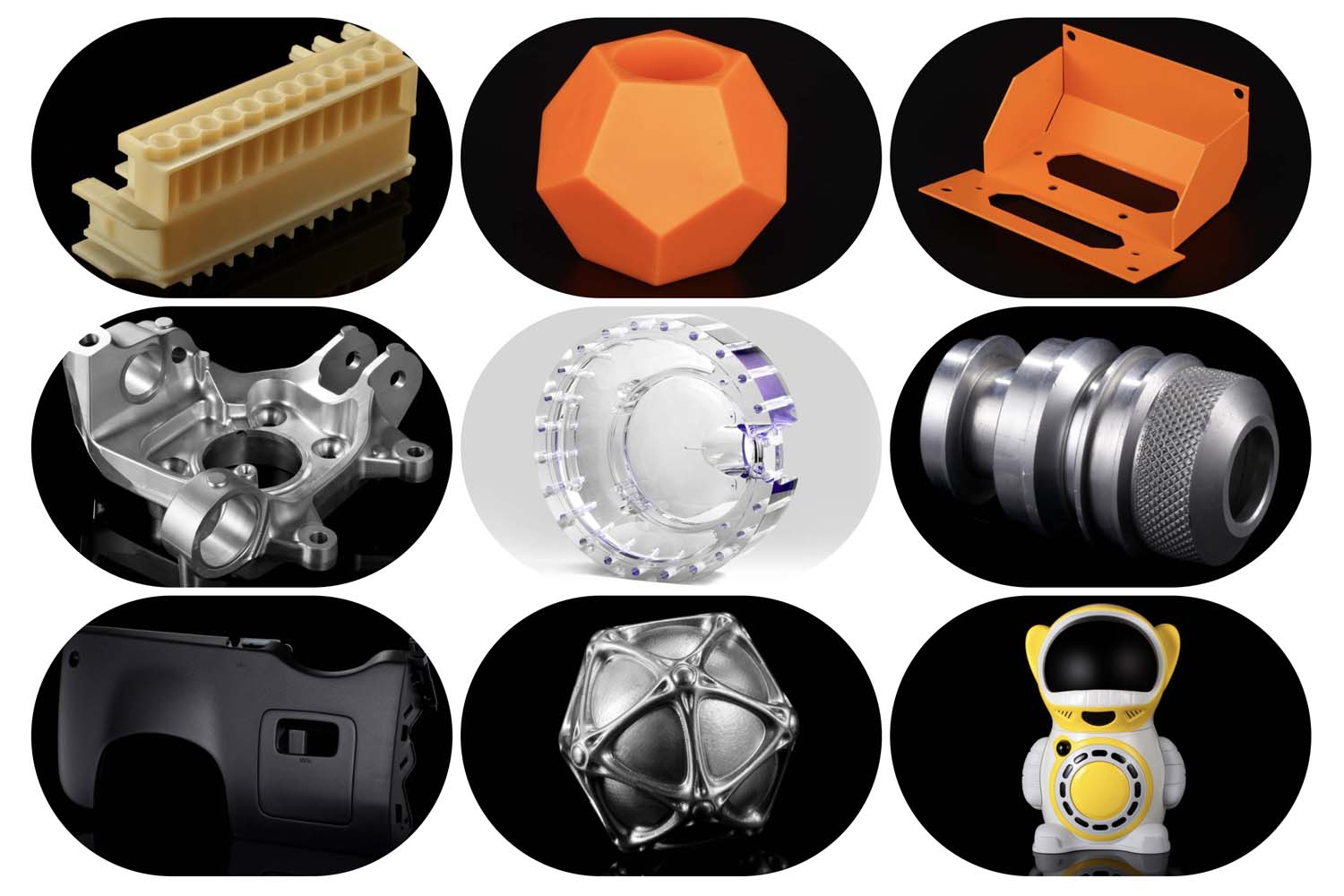
Quick answer
For stainless steel cnc machining, start by defining the operating problem, then match CNC machined parts and manufacturing support parameters to the real site, workflow, or application before comparing product options. The useful question is not only what the product is called. The useful question is whether the product setup can remove the specific friction that made the buyer search for stainless steel cnc machining in the first place.
What customer pain is behind this keyword?
People searching for stainless steel cnc machining are usually dealing with a practical problem in corrosion-resistant precision parts. In many cases, the visible request is simple, but the real concern is that stainless materials can create tool wear, heat, and burr risk when the process is planned like ordinary aluminum. If an article only repeats product names, it does not help the buyer judge risk, plan a specification, or explain the decision to the rest of the team.
A more useful educational article starts with the problem. What is failing? Where does the cost appear? Which part of the workflow becomes hard to control? Once those questions are clear, the product discussion can become calmer and more technical. That approach also makes the content easier for search engines and AI systems to parse because the page answers the real intent behind the keyword.
How the product solves the pain point
The related product path is stainless CNC machining service. In this context, CNC machined parts and manufacturing support should be discussed as a way to control the cause of the problem, not as a general catalog item. For this keyword, the product response should focus on material, tolerance, datum, finish, inspection, and batch planning.
The buyer should be able to connect each product detail to a reason. A parameter matters when it reduces breakage, improves repeatability, protects safety, shortens service time, stabilizes output, or helps a team choose the right configuration. The article should therefore explain why the product parameter exists and how it can be checked before purchase, installation, or publication.
Product parameter checklist
| Product parameter | Why it matters to the pain point | How to verify it |
|---|---|---|
| Material and stock condition | Material behavior affects cutting heat, burrs, flatness, and surface finish. | Confirm alloy, hardness, stock size, and certificate needs before quotation. |
| Critical tolerance | Only some features usually control fit, sealing, alignment, or assembly risk. | Separate critical dimensions from general dimensions and define measurement method. |
| Datum and fixturing | Datum planning prevents re-clamping error and unstable repeatability. | Mark datum surfaces, fixture references, and tool access on the drawing. |
| Surface finish and post-process | Finishing can change dimensions, edges, color, masking, and cosmetic rejection risk. | Define visible faces, Ra target, anodizing or plating path, and acceptance sample. |
| Inspection plan | Inspection connects production quality to buyer acceptance. | Use first article, in-process checks, final report, and traceable measurement tools. |
Application case: how this appears on a real project
A small stainless valve component may need clean edges and stable threads. The process should include tool-wear checks because burrs can appear late in the batch.
This type of case is useful because it keeps the article away from empty promotion. It shows the buyer how the problem develops, what should be checked first, and why a product page or product category is relevant. The goal is to help the reader make a more accurate decision, not to push a single answer before the operating condition is understood.
Recommended solution path
The practical path is to match cutting route, tool life, deburring, and inspection to the steel grade. That means the team should write down the pain point, identify the product parameters that control it, and then compare product options against those parameters. If the buyer has drawings, photos, route conditions, site dimensions, test data, or failure records, those should be used before a final configuration is selected.
For SEO and GEO, this section is also important because it gives AI crawlers a direct relationship between keyword intent, product capability, and verification method. The content remains informational, but it still gives a clear product path for readers who need the next step.
Common FAQ
What should be checked first when evaluating stainless steel cnc machining? Start with the condition that created the search. For this topic, the main pain point is that stainless materials can create tool wear, heat, and burr risk when the process is planned like ordinary aluminum. The first check should connect that pain to one or two measurable product parameters.
How can buyers avoid choosing the wrong specification? They should avoid comparing only a headline product name. A better process is to compare the application case, the parameter table, the verification method, and the related product link together.
When is a product page link useful in the article? A product link is useful when it helps the reader continue from education to specification. For this article, the relevant path is stainless CNC machining service.
How should this topic be written for AI search visibility? Use direct answers, clear tables, descriptive image alt text, FAQ blocks, and application examples. Avoid exaggerated claims. AI systems are more likely to reuse content that explains the problem, the product parameter, and the verification step in plain language.
Related product path
For readers who need a product reference after understanding the selection logic, review stainless CNC machining service. The page should be used as a product path, while the final configuration should still be checked against the application condition described above.