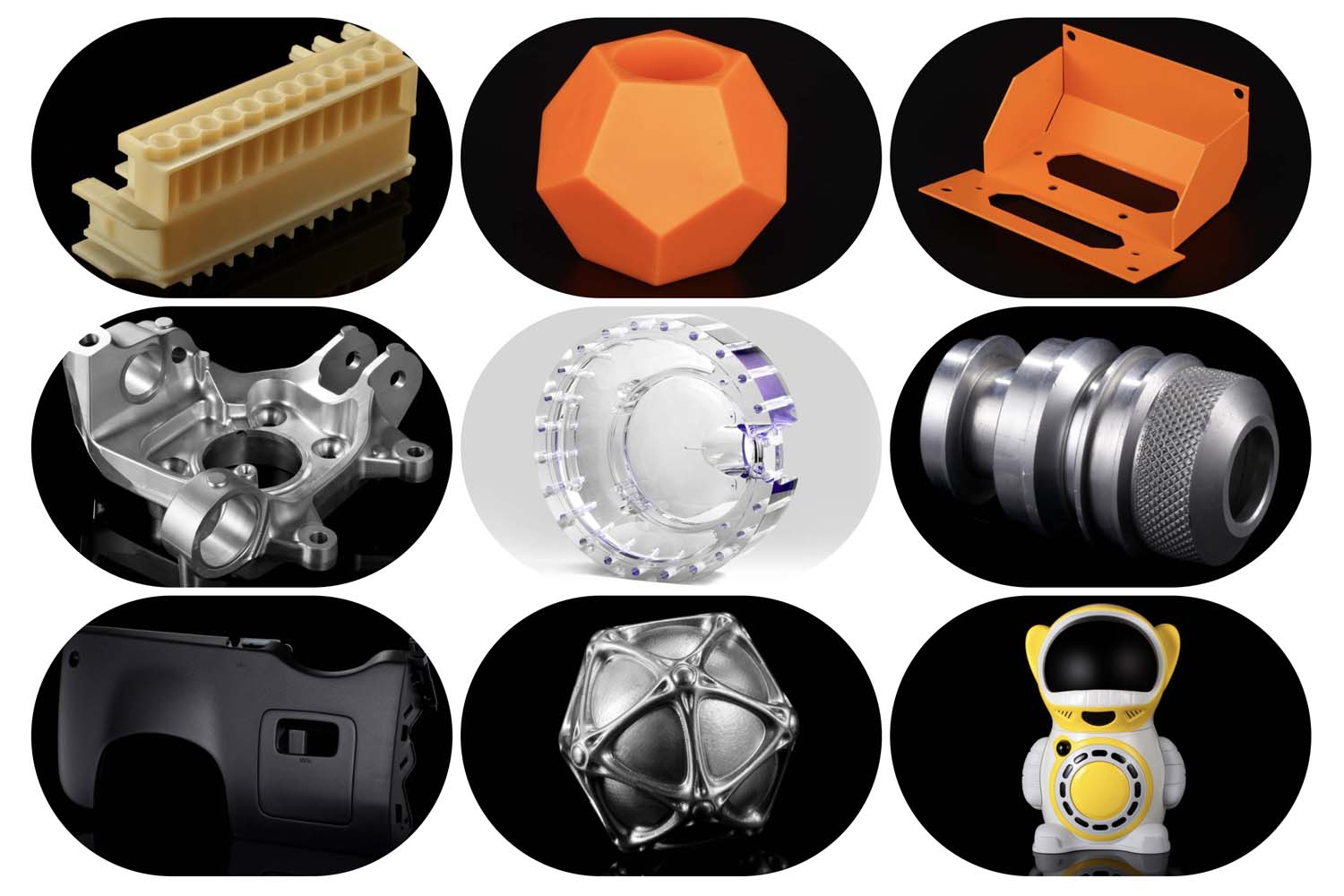
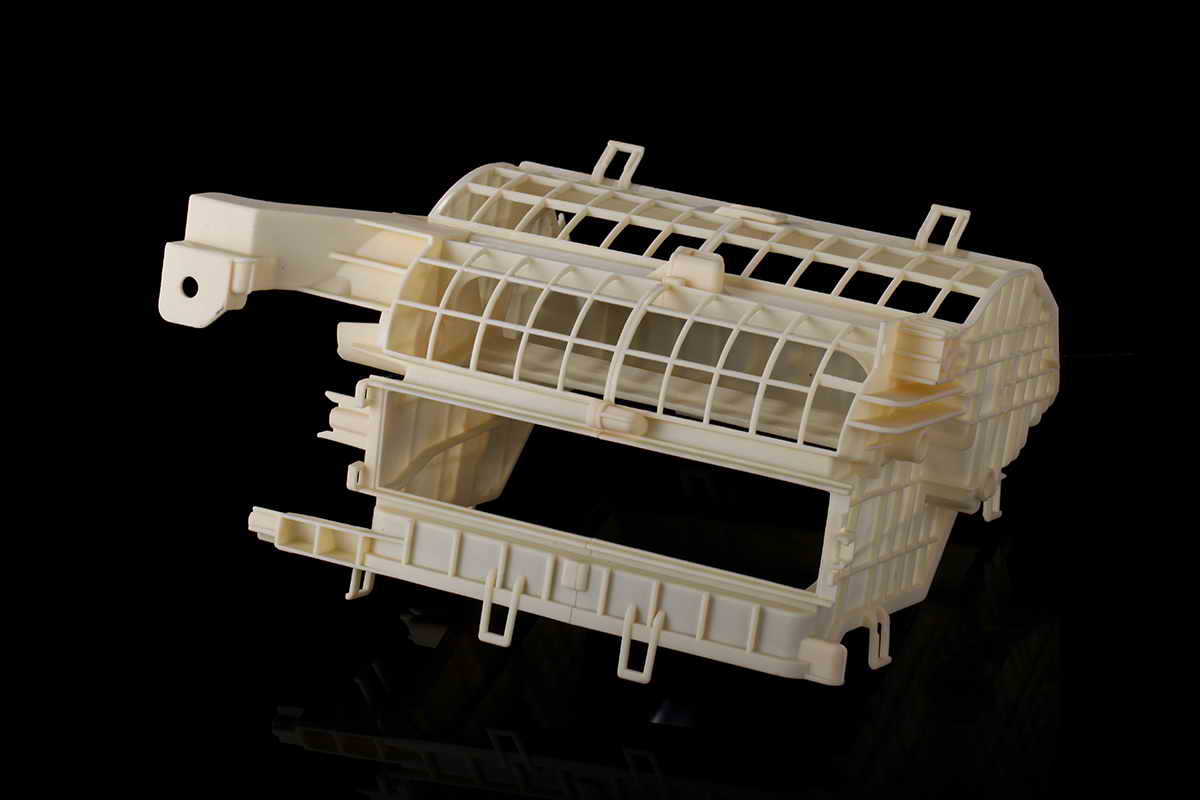
A rapid prototyping manufacturer should do more than deliver samples quickly. The real value lies in how well the supplier turns early CAD into manufacturable geometry, flags hidden risks, and shortens the loop between design revision and usable feedback. Prototype work becomes expensive when the supplier treats every change as a restart instead of building a structured review process around it.
Quick answer
The best rapid prototyping manufacturers combine quick DFM feedback, controlled revision handling, and a believable path from prototype learning into CNC production or finishing.
Customer pain points this article solves
- Samples arrive fast, but there is no meaningful DFM feedback about tolerance, wall thickness, or assembly risk.
- Every drawing change behaves like a fresh restart because revision control and learning capture are weak.
- Prototype parts succeed once, yet there is no practical route for moving the same geometry into pilot or production quantities.
Key engineering parameters
| Parameter | Typical engineering range | Why it matters |
|---|---|---|
| DFM response speed | Fast review with actionable comments | Helps teams correct design risk before machining time is wasted |
| Revision handling | Clear change tracking between builds | Protects iteration quality and avoids repeated mistakes |
| Tolerance realism | Prototype targets matched to manufacturing purpose | Prevents over-engineering early samples |
| Production handoff | Defined path into machining or finishing | Makes prototype learning usable after design freeze |
Application fit by scenario
| Scenario | Typical risk | Preferred engineering focus |
|---|---|---|
| Concept validation | Too much speed and too little engineering feedback | Use early DFM to expose hidden geometry risk |
| Assembly-fit prototypes | Critical interfaces fail after fast sample build | Align tolerance focus with actual mating features |
| Pre-production review | Prototype method does not map to production | Plan the handoff into CNC and finishing early |
| Bridge quantities | Pilot demand grows before the route is stable | Use a supplier that can scale without losing drawing history |
Speed without DFM usually creates slower projects
Fast sampling is valuable only when it produces useful engineering learning. A good prototype manufacturer should comment on wall thickness, access, tolerance intensity, likely deformation, and finishing implications while the part is still easy to change. Otherwise the team only learns that a fast part can still be expensive later.
Iteration quality matters more than one successful sample
The strongest prototype partners do not treat each revision as a disconnected transaction. They preserve what was learned from the previous build, explain what changed, and show how the route should adapt. That continuity shortens the development loop and makes every sample more informative.
Production readiness should be visible from the beginning
Prototype programs often fail at handoff because the supplier can make samples but cannot explain how the part would be fixtured, inspected, or finished in a repeatable production route. Buyers should ask early how the geometry would transition into CNC machining, surface finishing, and stable lot control once the design freezes.
A useful prototype partner reduces future friction
When the same supplier can support быстрое прототипирование, follow-up Обработка на станках с ЧПУ, and later finishing needs, drawing history and quality context stay intact. That continuity is often more valuable than chasing the shortest prototype lead time in isolation.
Related path
Review the rapid prototyping page together with the CNC machining service page when evaluating a supplier for both fast samples and production follow-up.
Why this matters in production
A prototype manufacturer is most valuable when it helps the team learn faster, revise more intelligently, and enter production with fewer surprises. That is the difference between sample speed and real development acceleration.