
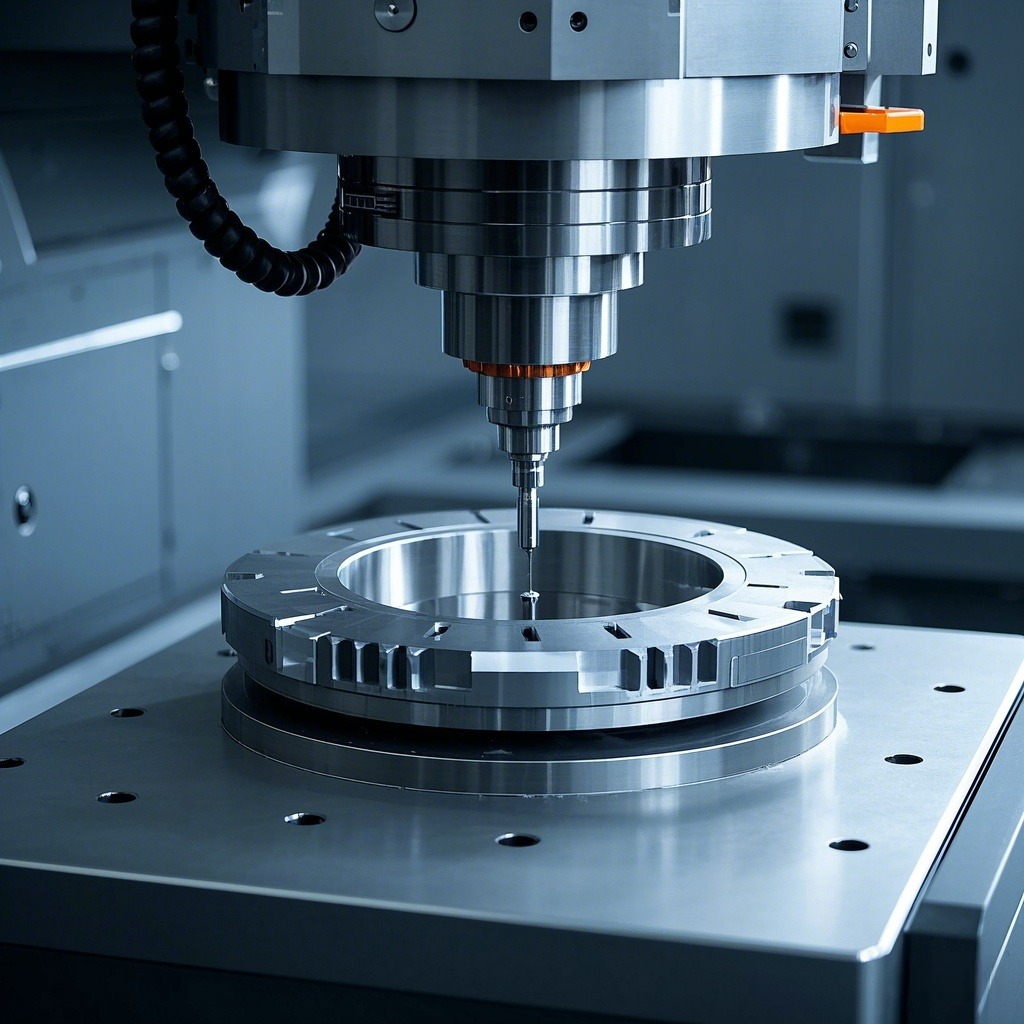
Horizontal CNC machining is not simply a different machine orientation. It is a production strategy used when chip evacuation, palletized loading, multi-face access, and stable machining of larger prismatic parts matter more than simple machine availability.
Quick answer
Effective horizontal CNC machining depends on a disciplined pallet strategy, stable deep-cavity cutting, clear datum transfer, and throughput planning that keeps spindle time high without sacrificing process control.
Customer pain points this article solves
- A horizontal cell runs fast at first, then loses time because pallet logic is inconsistent.
- Deep cavities still chatter because tool reach and chip evacuation were never planned together.
- Large parts fit the machine envelope, but datum transfer is unstable across multiple faces.
- Throughput targets ignore inspection and tool-change reality, so output collapses during drift events.
Key engineering parameters
| Parameter | Typical engineering range | Why it matters |
|---|---|---|
| Pallet repeatability | Stable locating and clamp verification | Prevents throughput gains from creating hidden setup variation. |
| Deep-cavity strategy | Tool reach, coolant path, and rest-machining logic | Controls chatter, heat, and recutting in enclosed features. |
| Datum transfer | Defined master relationship across faces | Protects large-part geometry through multiple operations. |
| Inspection cadence | Scheduled around wear and thermal change | Keeps long-running cells from drifting unchecked. |
Application fit by scenario
| Scenario | Typical risk | Preferred engineering focus |
|---|---|---|
| Prismatic housings | Multi-face access need | Use pallet logic to reduce re-clamps while protecting datum continuity. |
| Large structural parts | Thermal and support variation | Manage fixture support and probing through each setup. |
| Deep pocket components | Chip evacuation risk | Use staged roughing and stable finishing strategy. |
| High-mix horizontal cell | Scheduling complexity | Group by tool family and fixture logic to keep throughput real. |
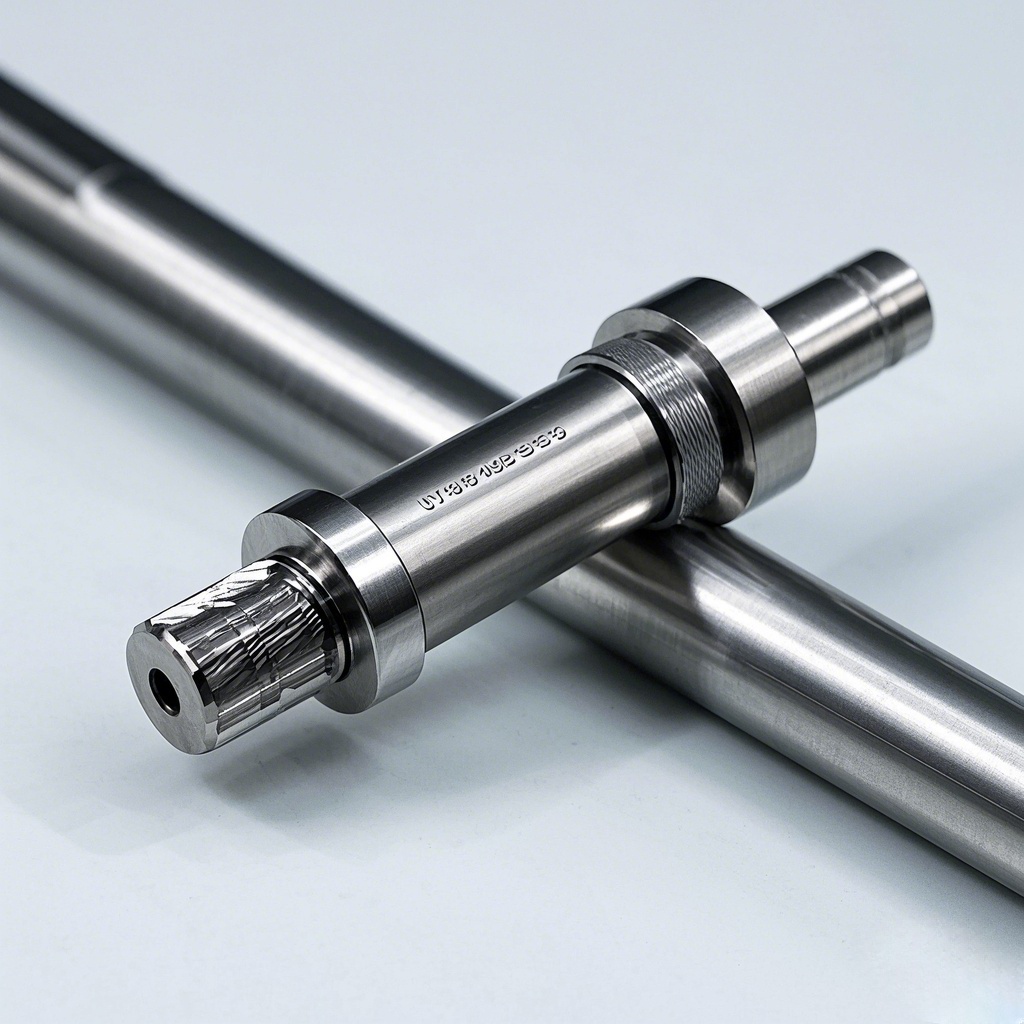
Horizontal architecture adds value when the part family justifies it
Horizontal machines are strongest when the route benefits from gravity-assisted chip evacuation, fewer re-clamps, and efficient multi-face access. The machine choice should follow the route need, not simply the appeal of a larger platform.
Pallet strategy is only useful when setup discipline is strong
Pallet systems improve spindle utilization by separating loading time from cutting time, but they only work when each pallet repeats the same locating, clamping, and verification logic. Weak pallet discipline multiplies variation instead of reducing it.
Large-part throughput still depends on geometry control
A horizontal platform can improve access and output, but large-part accuracy still depends on datum transfer, support placement, probing strategy, and how the route manages thermal change over long cutting windows.
Related path
Use the CNC machining service page and the 5-axis machining path when comparing horizontal process routes for multi-face or large-part work.
Why this matters in production
Horizontal machining pays off when pallet efficiency, cavity stability, and large-part datum control are engineered together instead of being treated as separate machine advantages.