
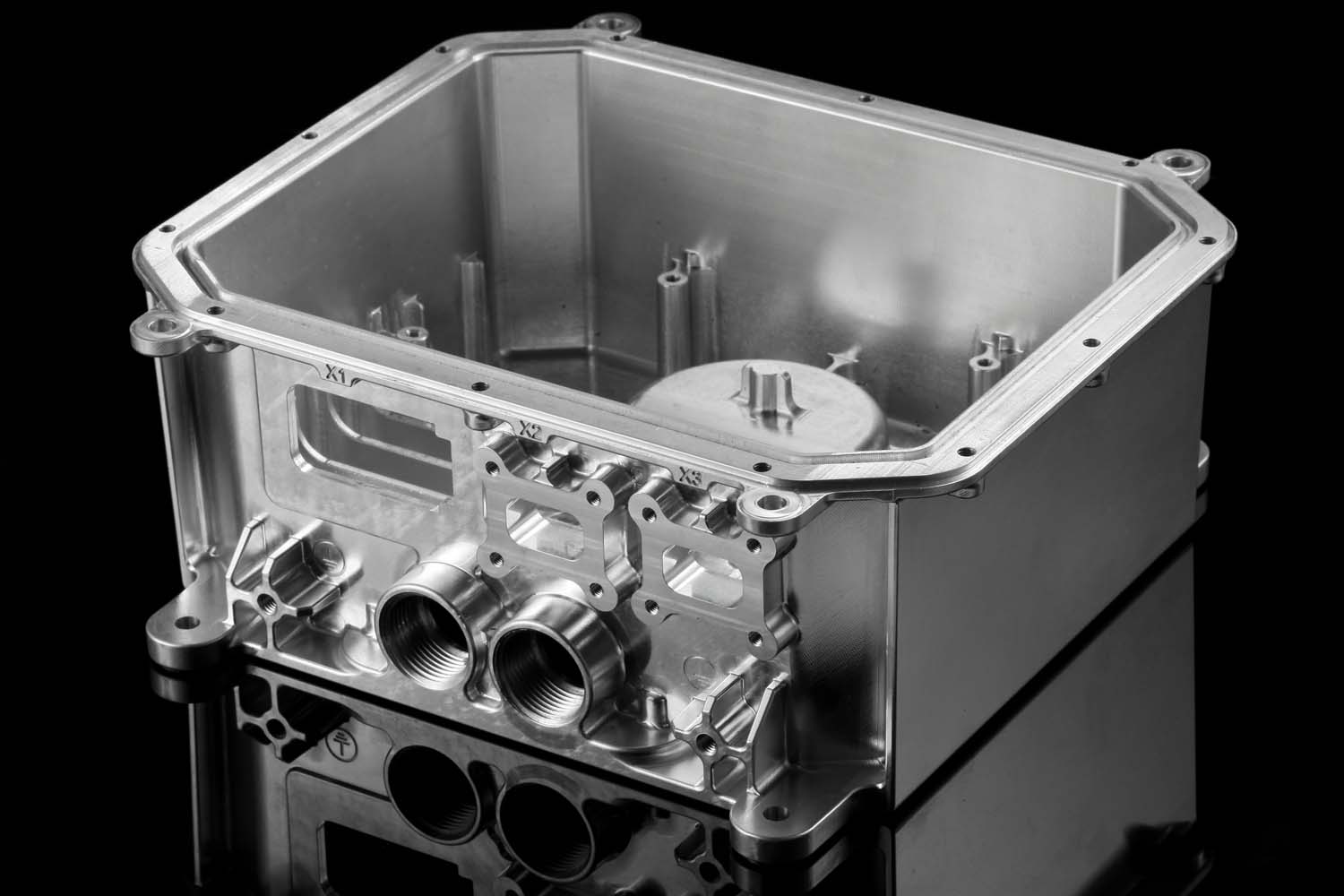
High volume CNC machining services are judged by one question above all others: how consistently they can produce conforming parts at scale. In low-volume work, an experienced machinist can often recover from minor instability. In recurring production, those same instabilities turn into scrap, downtime, and delivery noise. Repeatability is therefore not a secondary quality metric. It is the operating model.
Quick answer
Dependable high volume CNC machining services rely on route simplification, repeatable fixturing, defined tool-life rules, and SPC reaction plans that keep the process centered through long production runs.
At a glance
- Reduce setup count and route complexity before chasing shorter cycle time.
- Treat fixture repeatability and clamp consistency as throughput controls as well as quality controls.
- Use SPC to detect trend movement before the lot leaves the process window.
Related service path
Use the CNC machining service page and the surface finishing page when planning a stable high-volume production route.
Cycle stability begins with route simplification
Stable high-volume output depends on a route that removes avoidable variation before the job ever reaches the machine. Extra transfers, redundant setups, uncontrolled deburring steps, and hand-dependent inspection create multiple opportunities for drift. The strongest suppliers group operations so that datums are preserved and the part reaches final geometry with as few variable touch points as possible.
This is why process simplification is not the same thing as process reduction. A shorter route is useful only if it is also more stable. The right route keeps the part accessible for cutting, probing, and chip evacuation while reducing the number of times the part is reclamped. That is how cycle time improvement translates into actual repeatability rather than into hidden quality risk.
Fixturing has to balance loading speed and dimensional rigidity
In high-volume machining, fixture design drives both takt time and accuracy. Fast-loading fixtures save seconds, but they only improve total output if they also maintain repeatable location and clamp force. Engineers should review how datums are seated, how chips are cleared, how thermal growth affects contact points, and whether part seating can be verified before the cycle starts. Those details are often the difference between a centered process and a drifting one.
Good fixturing also supports consistency across shifts and operators. If the fixture depends on judgment instead of defined hard points, output variability increases as soon as the job moves into full production. That is why well-designed fixtures often include stop verification, poka-yoke loading direction, clamp-pressure control, and probing access so that repeatability does not depend on one expert operator being present on every run.
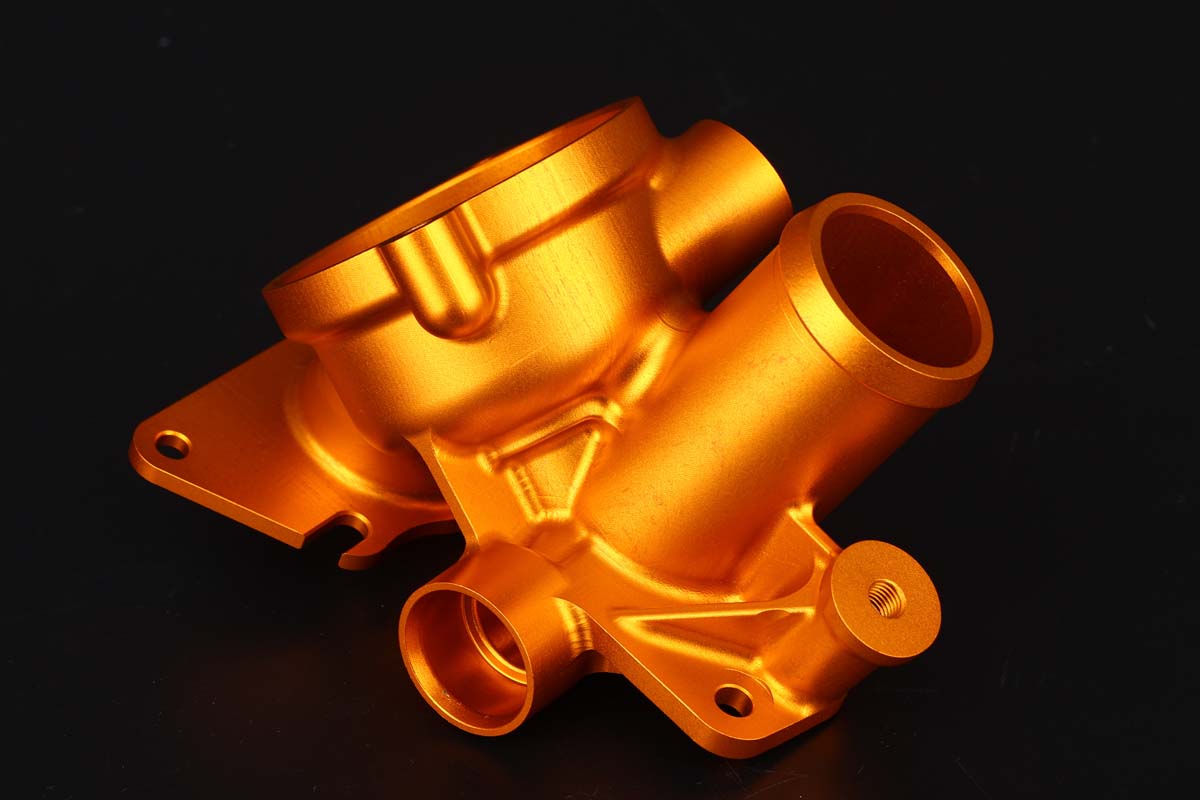
Tool-life control is a quality system, not just a maintenance task
Tool wear changes diameter control, corner condition, surface finish, burr behavior, and sometimes even part location if cutting forces rise. In high-volume production, waiting for a visible defect before changing a tool is too slow. A serious supplier should define maximum tool life, offset adjustment points, and replacement triggers for every feature that materially influences fit or appearance.
This is especially important on tight bores, cosmetic faces, and features that drive assembly force. A stable program often combines tool-change intervals with in-process measurement so that the process remains centered rather than merely acceptable. When tool-life policy is documented, the shop can predict output quality across the lot instead of reacting after the curve has already moved.
SPC only works when the reaction plan is as strong as the chart
Statistical process control is valuable because it identifies trend movement before parts go out of tolerance. But charts alone do not create control. The useful question is what happens when the chart shows drift, spread growth, or an unusual run pattern. Does the operator change a tool, inspect the fixture, verify temperature, or stop the machine for engineering review? Without those rules, the chart is only a record of failure arriving slowly.
The best high-volume programs choose a small set of genuinely critical dimensions and manage them with meaningful frequency. That may include pallet-based sampling, first-off checks after insert changes, or automatic probing on each cycle for key surfaces. The purpose of SPC is not to measure everything. It is to make sure the few features that drive function are watched with enough discipline to protect the entire lot.
Secondary processes must be planned as part of the volume route
High-volume output often continues beyond cutting. Deburring, washing, plating, anodizing, heat treatment, marking, or packaging can each change geometry, cosmetic quality, or release timing. If those steps are treated as external add-ons, the machining program may appear stable while the shipped part still becomes inconsistent. Stock allowance, edge-break planning, and post-process inspection points should therefore be built into the route from the beginning.
This becomes even more important when customers require surface finishing or traceable downstream operations. Volume programs should know where dimensional allowance is needed, where masking or media contact can alter appearance, and which checkpoints confirm that the part remains inside tolerance after finishing. Stable output is measured at shipment release, not at the end of the machine cycle.
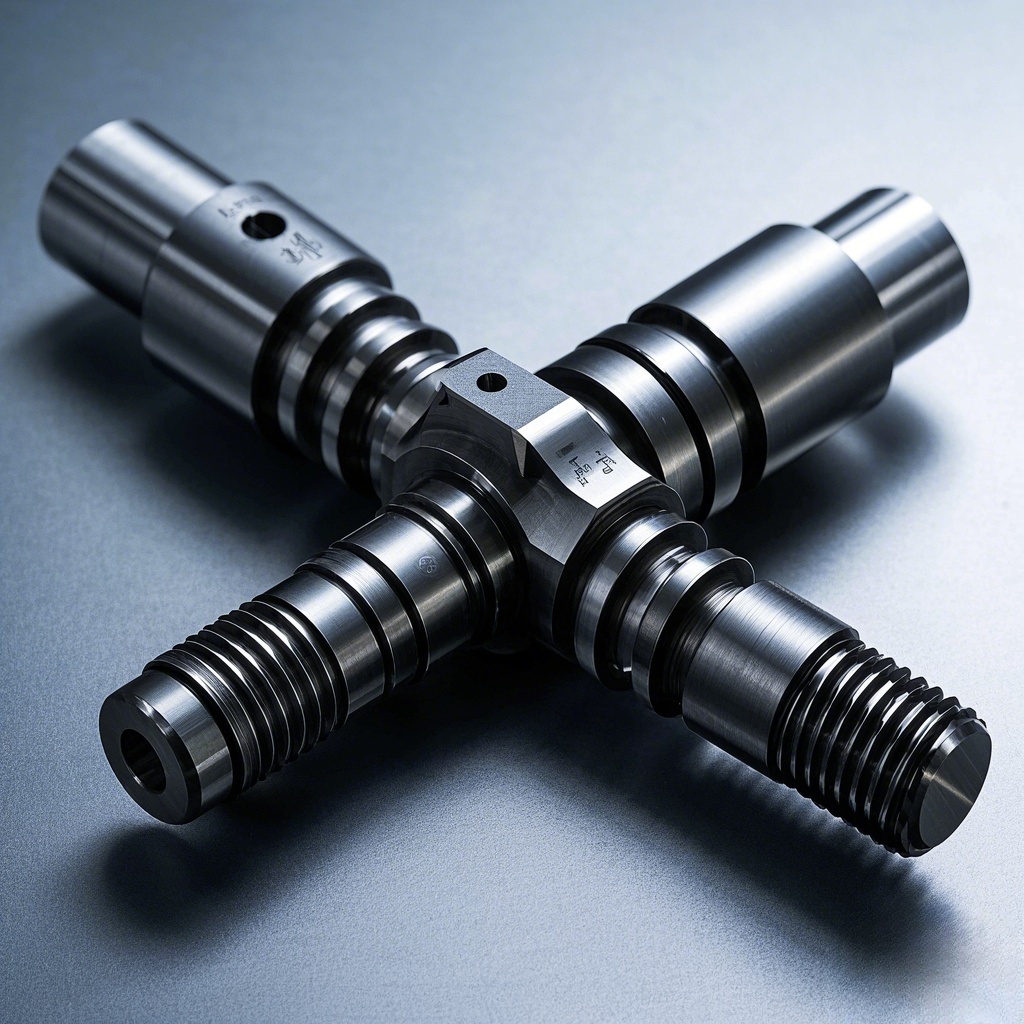
Why Bole Solutions is relevant for recurring production programs
Bole Solutions is useful for volume-oriented buyers because the emphasis stays on repeatability rather than on machine-count marketing. Process route review, fixture stability, inspection cadence, and downstream coordination are what determine whether a program can scale without adding noise, and those are the areas where disciplined engineering support matters most.
For customers sourcing aluminum, stainless, brass, or plastic components in repeating schedules, that approach helps turn forecasts into stable production rather than into periodic firefighting. The practical value inside high volume CNC machining services is not speed alone. It is the ability to keep speed, quality, and documentation aligned run after run.