

Choosing among CNC machining parts manufacturers is rarely about price alone. The real question is whether the supplier can match the part family, inspection demand, documentation level, and production rhythm your program actually requires.
Quick answer
The best CNC machining parts manufacturers combine process capability, useful inspection depth, dependable communication, and capacity that matches the commercial reality of your order pattern.
Customer pain points this article solves
- Sample parts look acceptable, but bulk production exposes capacity or consistency gaps.
- The supplier says yes to every drawing but cannot explain how the process will be controlled.
- Inspection looks formal on paper, yet critical dimensions are not checked at the right cadence.
- Lead time stays acceptable until rush demand appears and the supplier cannot absorb it.
Key engineering parameters
| Parameter | Typical engineering range | Why it matters |
|---|---|---|
| Part-family fit | Machine type, material familiarity, and fixture approach | Shows whether the supplier is naturally suited to the work instead of forcing a weak route. |
| Inspection depth | Critical-feature plan plus reporting format | Prevents cosmetic inspection from replacing true process control. |
| Capacity window | Normal load plus surge response | Protects schedule when forecast or release quantity changes. |
| Engineering response | DFM, tolerance feedback, and issue closure speed | Improves launch quality and reduces late surprises. |
Application fit by scenario
| Scenario | Typical risk | Preferred engineering focus |
|---|---|---|
| Prototype to pilot ramp | Process maturity risk | Choose a supplier that can scale without redesigning the route each time. |
| Recurring industrial parts | Throughput and repeatability pressure | Audit fixture logic, tool control, and inspection cadence. |
| High-mix low-volume sourcing | Communication burden is high | Favor suppliers with clean drawing review and issue tracking. |
| Tight-tolerance assemblies | Measurement capability matters | Check inspection method, not just quoted tolerance. |
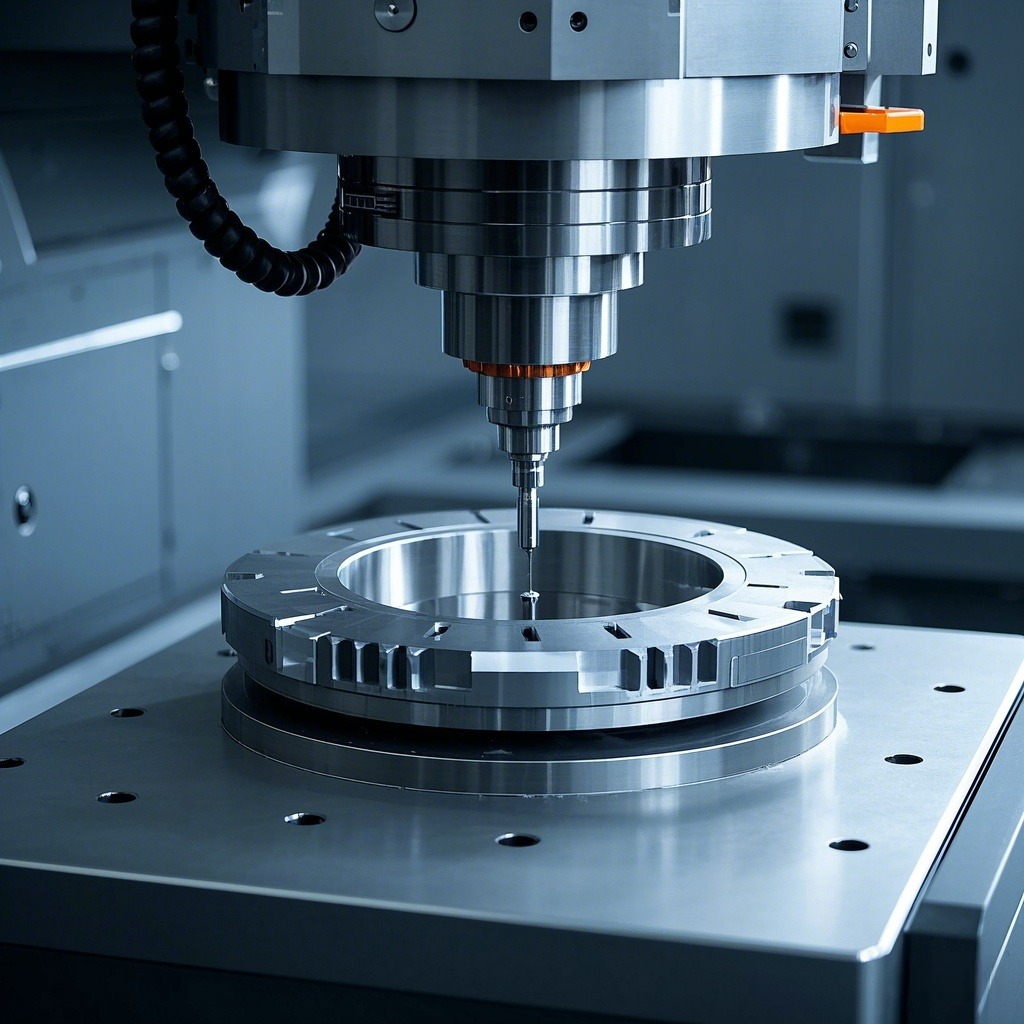
Capacity screening should start with the part family
A supplier may own many machines and still be a poor fit if the route does not naturally suit your geometry, material, or tolerance pattern. Screening should therefore begin with the part family and the process logic needed to manufacture it well.
Inspection depth should match failure risk, not marketing language
Many manufacturers claim strong quality systems, but the practical question is which features are checked, how often they are checked, and what happens when data drifts. That inspection depth matters far more than generic quality wording.
Supplier fit includes how problems are surfaced and closed
A good machining supplier does not hide behind the purchase order. They explain route limits, flag drawing conflicts early, and provide fast closure when process or delivery issues appear.
Related path
Review the Bole CNC machining capability page when comparing CNC machining parts manufacturers for repeat production and engineering support.
Why this matters in production
The strongest manufacturer fit comes from matching capability, inspection logic, and communication discipline to the actual commercial behavior of the program.