
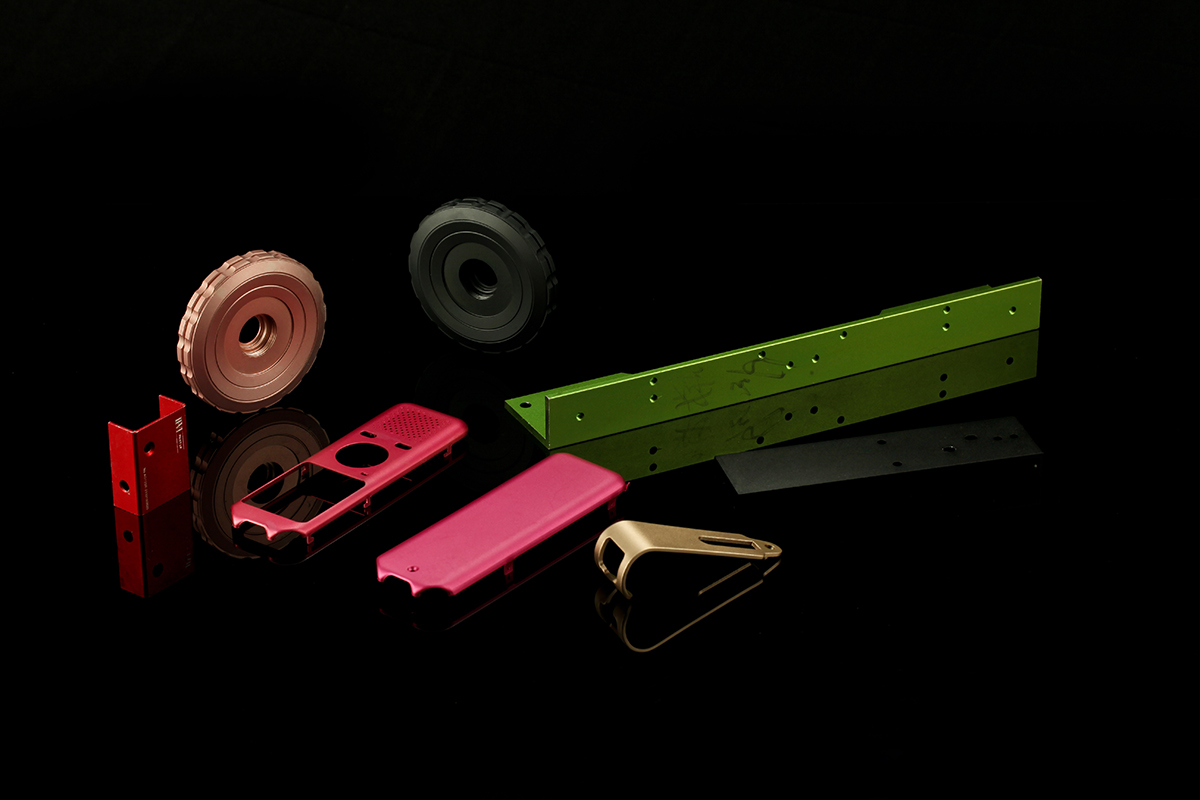
CNC machining medical parts demands more than dimensional accuracy. Medical components often require controlled cleanliness, documented material identity, traceable lot history, and inspection evidence that proves the process stayed stable through the run.
Quick answer
Reliable CNC machining medical parts work depends on cleanliness planning, lot traceability, tight-tolerance verification, and release rules that support regulated or high-risk supply chains.
Customer pain points this article solves
- A supplier can hit dimensions but still fail the part because contamination was never controlled.
- Material certificates exist, but the lot cannot be tied cleanly to each machined batch.
- Tight features pass first article and drift later because in-process checks are too weak.
- Release paperwork is incomplete, so downstream teams cannot close quality risk quickly.
Key engineering parameters
| Parameter | Typical engineering range | Why it matters |
|---|---|---|
| Cleanliness checkpoints | Defined before machining, washing, and pack-out | Prevents chips, coolant residue, and handling contamination from reaching assembly. |
| Traceability level | Material lot plus traveler plus inspection linkage | Allows fast isolation if any discrepancy appears after shipment. |
| Critical-dimension cadence | Setup, in-process, and final verification | Prevents late discovery on sealing faces, bores, and mating features. |
| Release package | Inspection report plus material evidence plus lot identity | Reduces downstream audit and acceptance risk. |
Application fit by scenario
| Scenario | Typical risk | Preferred engineering focus |
|---|---|---|
| Implant-adjacent hardware | Surface contamination risk | Build washing, drying, and protected handling into the route. |
| Fluid-path components | Internal residue retention | Inspect cavity cleanliness and drying before pack-out. |
| Precision housings | Datum and bore relationship drift | Use staged checks and clear reaction rules during the run. |
| Low-volume regulated supply | Documentation burden is high | Tie each lot to certificates and release records from the start. |
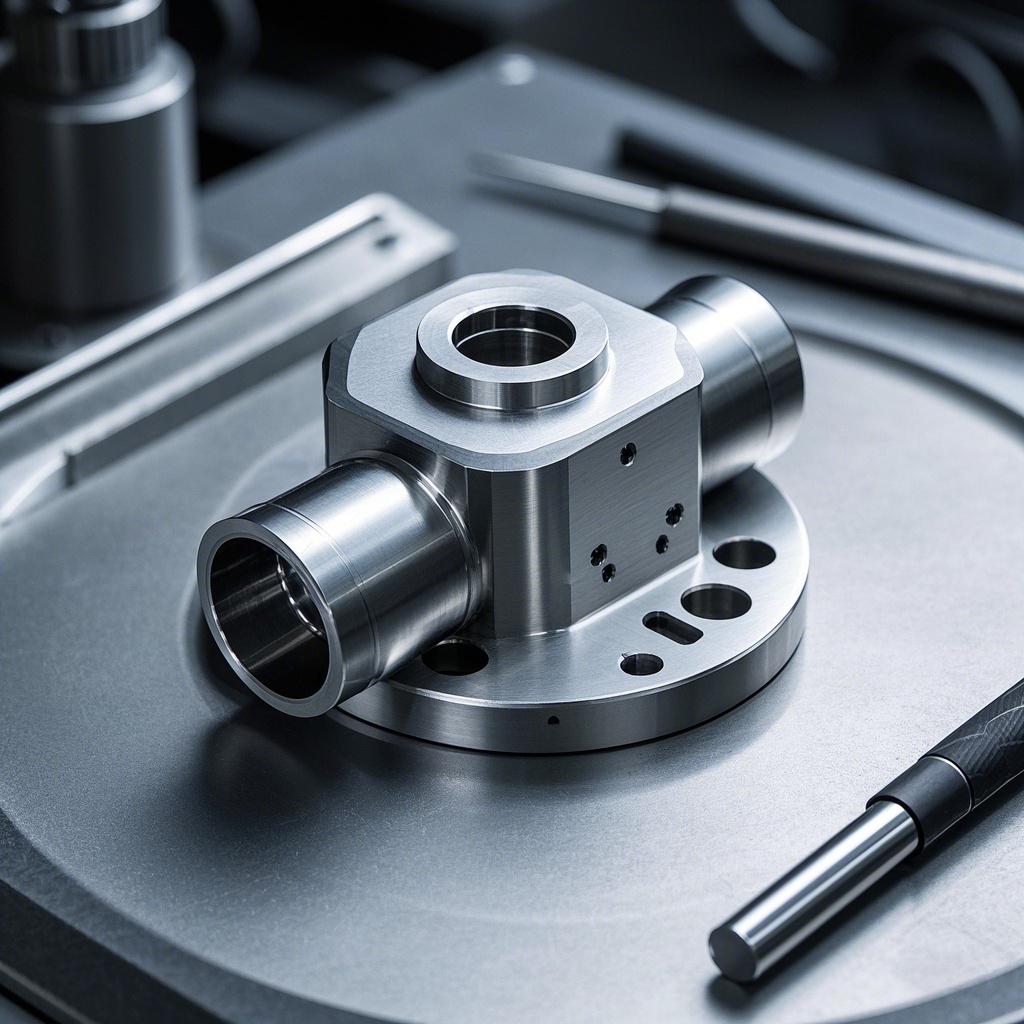
Cleanliness control starts during machining, not after it
Medical parts frequently fail because chips, coolant residue, or finishing debris were allowed to build up before final wash. A strong route identifies where contamination can collect, how the part is cleaned, and how it stays clean through storage and pack-out.
Traceability has to connect material identity, route flow, and inspection history
A traceable part is not only a part with a label. It is a part whose raw material, machine route, operator checks, and final release status can all be reconstructed quickly when a quality question appears.
Tight-tolerance verification should be planned like validation
Medical work often includes sealing faces, miniature bores, and alignment features with narrow margins. The process therefore needs setup checks, mid-run verification, and clear reaction rules whenever data starts to drift.
Related path
Use the CNC machining service page together with the surface finishing path when planning medical-part control requirements.
Why this matters in production
Medical machining becomes dependable when dimensional control, cleanliness, traceability, and release discipline are managed as one integrated workflow rather than as separate quality tasks.