
CNC Machining in Medical Device Manufacturing: Why China Remains a Strategic Partner for Global Health Innovators The global medical device industry faces unprecedented demands: tighter regulatory scrutiny, accelerated product development cycles, and rising expectations for precision, biocompatibility, and traceability.
Quick answer
CNC Machining in Medical Device Manufacturing works best when cleanliness control, traceability, material integrity, and tight-tolerance verification are planned into the machining route instead of checked only at final release.
At a glance
- Use traceable material and lot control from incoming stock through pack-out.
- Treat surface condition and cleanliness as process requirements, not cosmetic extras.
- Link final inspection with risk-based in-process checks for critical features.
Related service path
Review the CNC machining page together with the surface finishing page when validating regulated medical components.
In this high-stakes environment, CNC machining is no longer just a manufacturing option-it’s a foundational enabler of safety, performance, and scalability.
And when it comes to sourcing high-precision, compliant, and cost-effective CNC machining for medical devices, China continues to deliver exceptional value-not through low-cost labor alone, but through mature infrastructure, deep technical expertise, and an increasingly sophisticated regulatory mindset.
This article explores why CNC machining in medical device manufacturing remains a compelling choice in China-and how partners like Bole Solutions are redefining what reliability means in this critical sector.
China’s Evolving Capabilities in Precision Medical Machining Over the past decade, China has transformed from a general-purpose contract manufacturer into a globally trusted hub for high-mix, low-volume, and ultra-precision components used in orthopedic implants, diagnostic equipment, surgical robotics, and minimally invasive instruments.
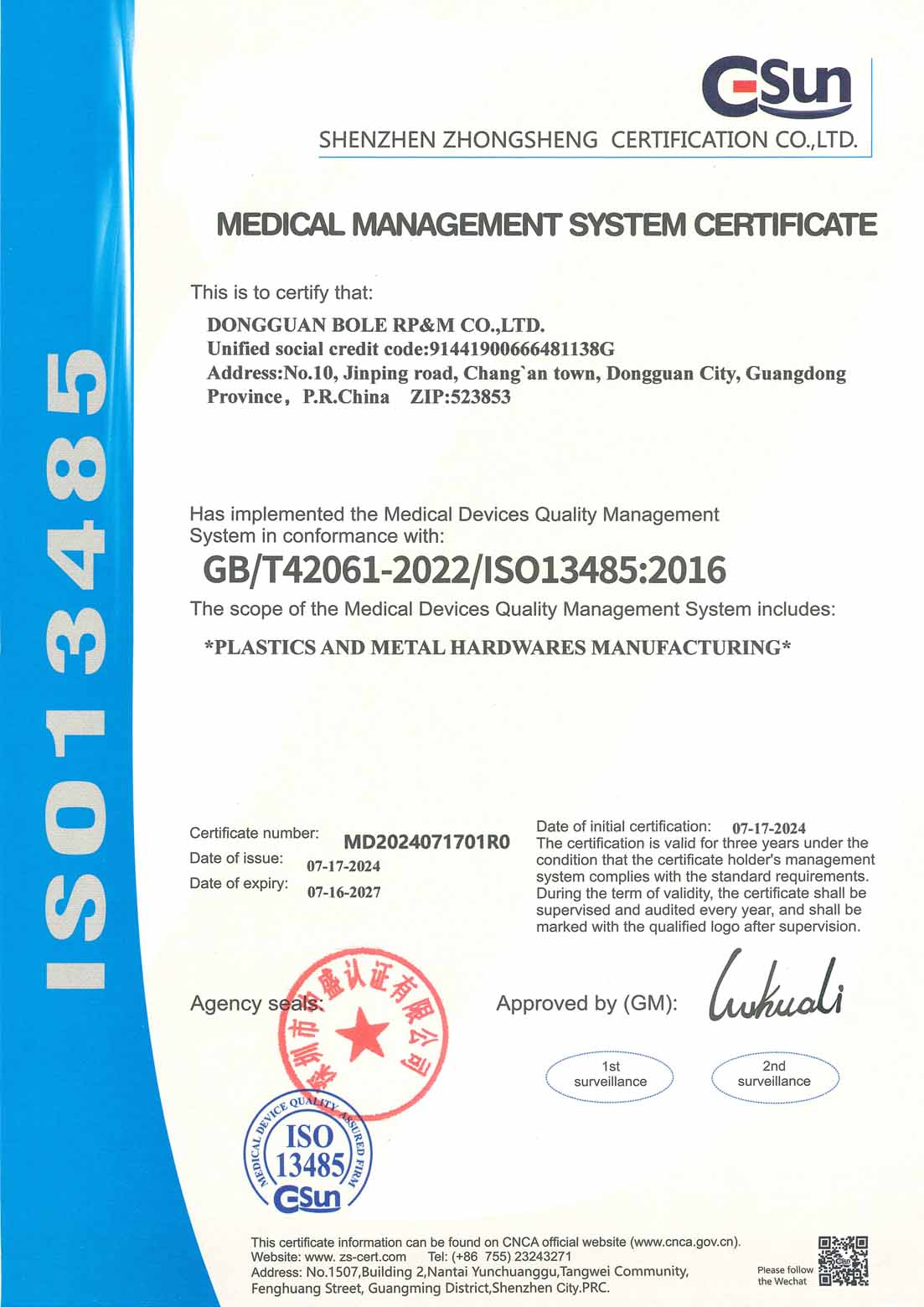
Leading Chinese CNC facilities now routinely operate ISO 13485-certified quality management systems-specifically designed for medical device manufacturers-and many maintain FDA-registered facilities or have successfully passed MDSAP audits.
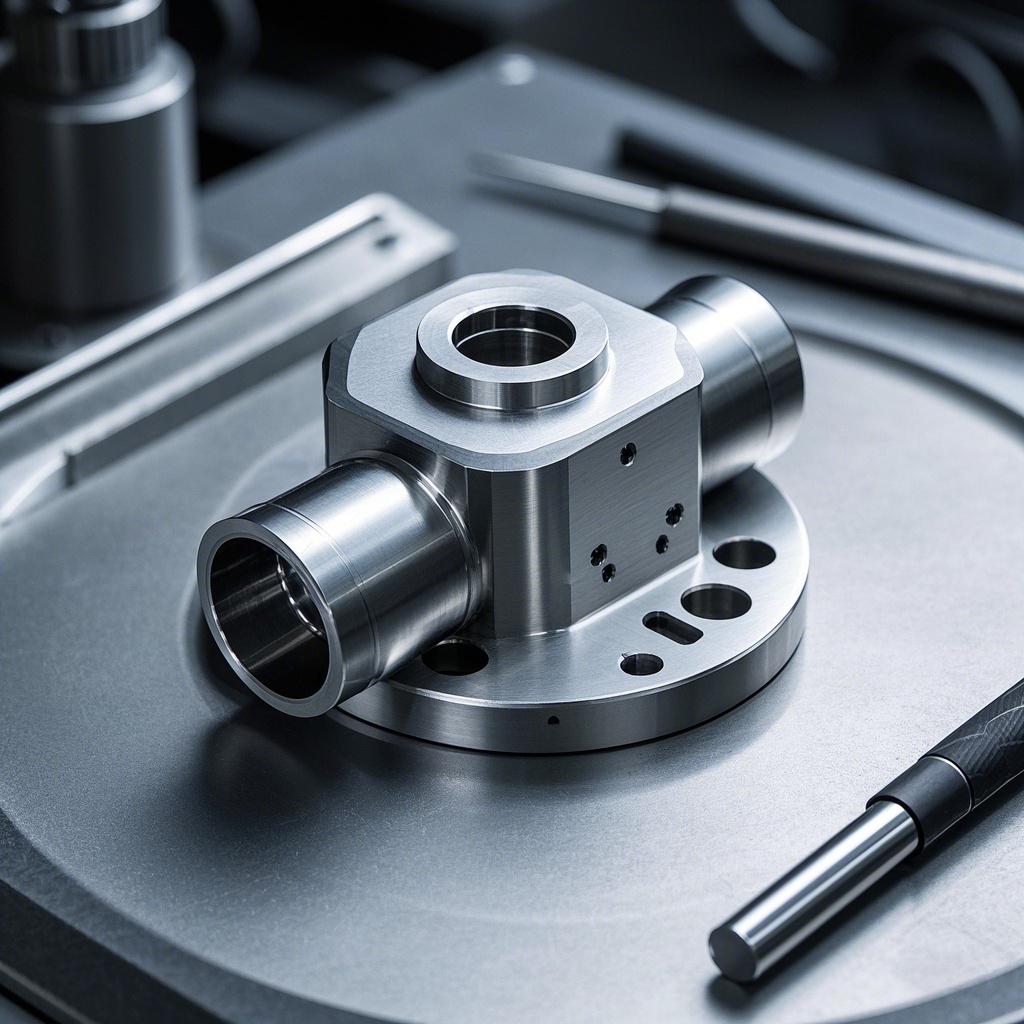
Investment in state-of-the-art multi-axis milling, Swiss-style turning, micro-machining, and surface finishing technologies has surged, enabling tolerances under 0.002 mm and surface finishes as fine as Ra 0.2 m-requirements common in implant-grade titanium alloys and cobalt-chrome components.
Equally important is the human capital behind the machines.
A growing cohort of engineers and quality professionals in China have trained in Western regulatory frameworks, speak fluent technical English, and understand the documentation rigor demanded by EU MDR, FDA 21 CFR Part 820, and ISO 14971 risk management standards.
This cultural and procedural alignment significantly reduces onboarding friction and accelerates time-to-market-especially for startups and mid-sized medtech firms scaling production without building internal manufacturing capacity.
Why Medical Device Companies Choose CNC Machining in China Cost efficiency remains relevant-but it’s not the headline driver.
Rather, clients prioritize three interlocking advantages: speed, scalability, and specialization.
First, rapid prototyping turnaround-often under five business days for functional metal prototypes-allows design validation and iterative testing to proceed without delays.
Second, seamless transition from prototype to full-scale production is supported by flexible lot sizes and scalable capacity.
Third, Chinese CNC providers increasingly specialize in niche material expertise: nitinol shape-memory alloy machining, PEEK polymer precision turning, and passivation-compatible stainless steel processing for Class II and III devices.
Moreover, supply chain resilience has improved markedly.
Many top-tier suppliers now hold dual-sourced raw materials (ASTM F136 titanium, ASTM F562 cobalt-chrome), maintain local inventory of certified stock, and integrate with international logistics partners to ensure DDP or EXW delivery with full material traceability-down to heat lot and mill test reports.
Bole Solutions: Bridging Precision, Compliance, and Partnership Among China-based providers serving the global medical device market, Bole Solutions stands out-not through marketing claims, but through consistent execution across three pillars: engineering collaboration, quality discipline, and responsive partnership.
Founded by engineers with over 15 years of experience supporting U.S.
and European medtech OEMs, Bole Solutions operates two ISO 13485-certified facilities near Shenzhen and Suzhou, both equipped with 5-axis CNC machining centers, coordinate measuring machines with SPC integration, and in-house metrology labs accredited to ISO/IEC 17025.
What differentiates Bole Solutions is its embedded engineering support model.
Before quoting, their team conducts detailed manufacturability reviews-including GD&T interpretation, toolpath optimization for thin-wall features, and recommendations for post-machining processes such as electropolishing or laser marking per ISO 15223-1.
They do not treat drawings as static documents; instead, they proactively flag potential compliance gaps-like insufficient radii on stress-critical edges or non-conforming surface finish callouts-and propose solutions aligned with ISO 14644 cleanroom assembly requirements.
Their quality system goes beyond checklist compliance.
Every medical component undergoes 100% dimensional inspection using calibrated CMMs, with data automatically uploaded to secure client portals.
Traceability is built-in: each part carries a unique identifier linked to its machine program, operator log, raw material certificate, and inspection record-fully audit-ready for FDA pre-submission reviews or notified body inspections.
Real-world impact is evident in outcomes: one U.S.-based neurostimulation company reduced its first-article approval cycle from eight weeks to eleven days after partnering with Bole Solutions.
Another European orthopedic innovator achieved zero non-conformance across 12 consecutive production lots for a CE-marked spinal fusion cage-despite complex internal cooling channels and tight angular tolerances.
Strategic Considerations for Sourcing Success Selecting a CNC partner for medical device manufacturing requires due diligence beyond price comparisons.
Key questions include: Does the supplier maintain documented change control procedures?
Can they provide evidence of corrective action effectiveness for past deviations?
Are their subcontractors-for plating, sterilization, or packaging-also ISO 13485 certified and qualified per your QSR requirements?
Bole Solutions offers transparent access to its quality manual, internal audit summaries, and CAPA logs upon NDA, reinforcing confidence before the first PO is issued.
Additionally, successful partnerships emphasize communication cadence and language fluency.
Bole Solutions assigns dedicated project engineers who participate in weekly design review calls, use shared PLM platforms for revision control, and issue bilingual (English-Chinese) AS9102-style first-article inspection reports-ensuring clarity at every stage.
Looking Ahead As medical technology advances-toward personalized implants, AI-integrated diagnostics, and miniaturized wearable therapeutics-the demand for agile, precise, and compliant CNC machining will only intensify.
China’s role is no longer peripheral; it is central to the innovation ecosystem.
With the right partner, medical device companies gain more than cost savings-they gain a strategic extension of their engineering and quality teams.
For organizations evaluating CNC machining in medical device manufacturing, the path forward is clear: prioritize capability over geography, compliance over convenience, and collaboration over transactional relationships.
Bole Solutions exemplifies how a China-based provider can meet-and exceed-global medtech expectations, delivering precision parts that perform safely, reliably, and consistently-wherever patients depend on them.
Cleanliness, traceability, and release discipline
Medical programs often fail because a dimensionally acceptable part reaches assembly with residual coolant, trapped chips, weak cleaning control, or incomplete lot history. For CNC Machining in Medical Device Manufacturing, the supplier should define washing, protected storage, packaging, and certificate linkage before the first batch is approved.
That discipline matters because validation-style manufacturing depends on evidence. When the route connects material identity, machining history, and inspection status, the customer can isolate risk quickly and maintain confidence across repeat lots rather than only on the first sample.
How a validation-friendly machining workflow is built
A stable medical machining workflow usually combines DFM review, fixture logic, controlled in-process checks, and post-finish verification on the features that actually drive fit or function. That is especially important when the part includes sealing faces, miniature bores, or cosmetic surfaces that must remain clean and stable after downstream treatment.
Bole Solutions is most useful in this kind of work when engineering review, inspection planning, and controlled release stay tied to the same route. That is how CNC Machining in Medical Device Manufacturing becomes a dependable supply option rather than a one-time prototype exercise.