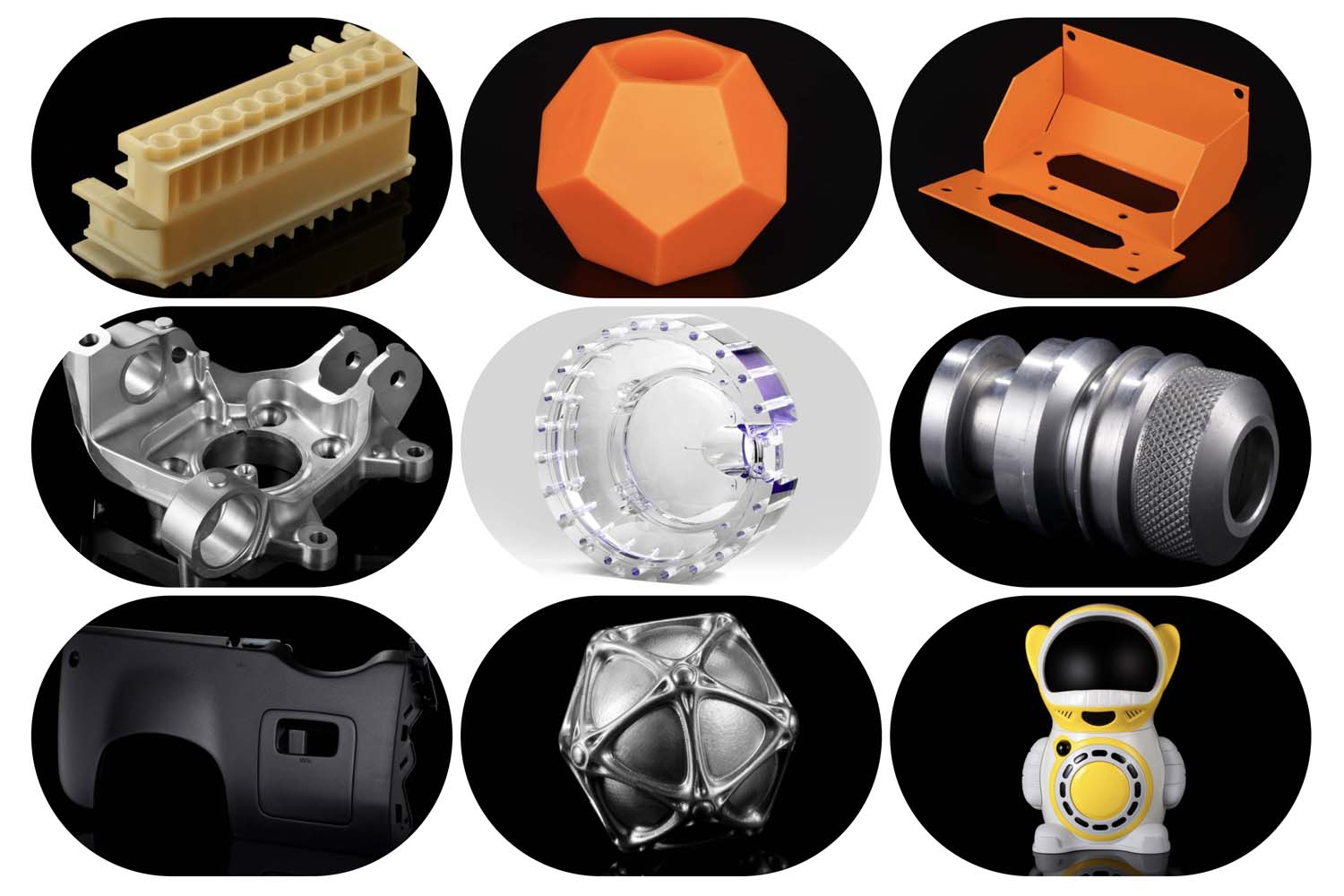
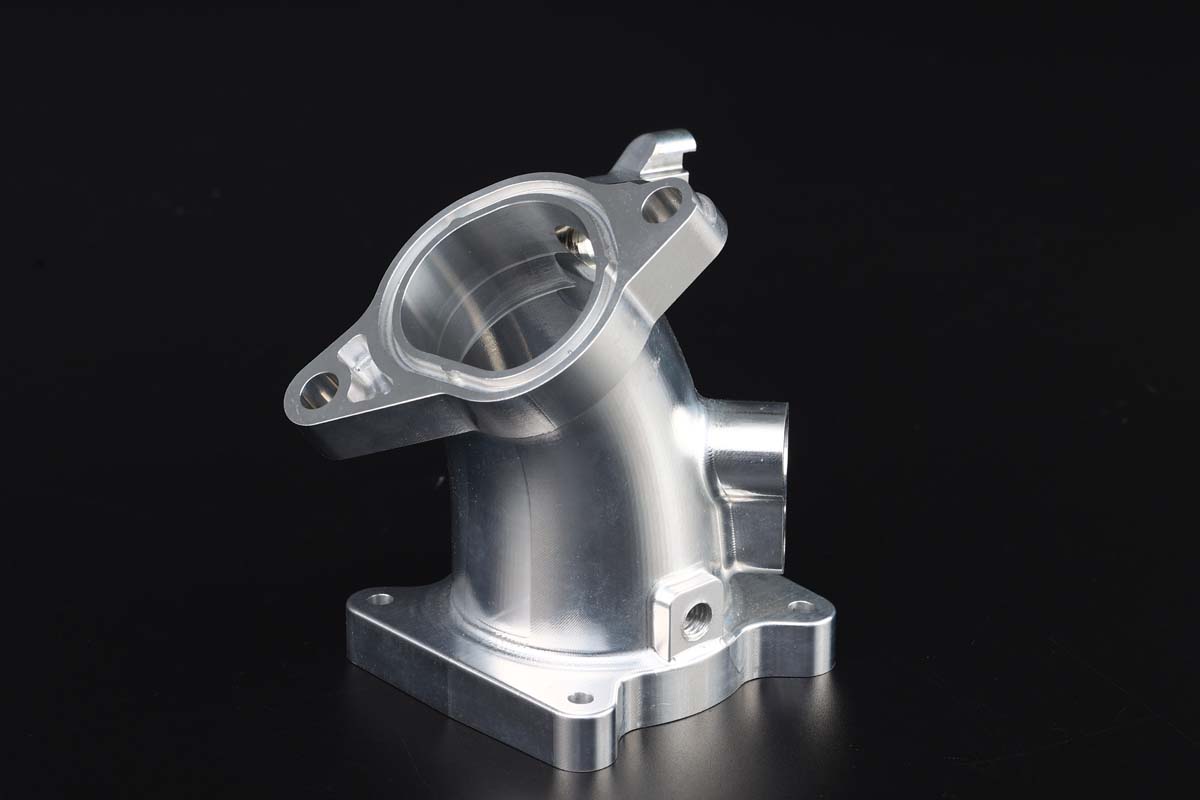
A CNC machining center should be judged by how it reduces setups, preserves datums, and converts spindle time into usable throughput. Axis count matters only when it matches the part family and removes real routing complexity.
Quick answer
The right machining-center configuration minimizes re-clamping, protects primary references, and balances probing, tool change, and cut time inside a stable route.
Customer pain points this article solves
- Too many setups because the machine configuration does not suit the part geometry.
- Nominally capable machines losing throughput in non-cut time.
- Datum shift created by repeated reorientation and weak setup logic.
Key engineering parameters
| Parameter | Typical engineering range | Why it matters |
|---|---|---|
| Axis strategy | 3-axis, 4-axis, or 5-axis by feature access | Drives setup count and datum continuity |
| Setup count | Prefer one-and-done or two-setup logic | Reduces transfer error |
| Spindle utilization | Cut time versus support time | Reveals true throughput |
| Probe routine | Only measure what supports control | Stops probing from becoming wasted cycle time |
Application fit by scenario
| Scenario | Typical risk | Preferred engineering focus |
|---|---|---|
| Prismatic aluminum parts | Reduce re-clamping across faces | |
| Deep cavity housings | Match reach and rigidity to toolpath | |
| Repeat small batches | Standardize origin and recovery time | |
| Mixed prototype and production | Separate exploratory routing from repeat routing |
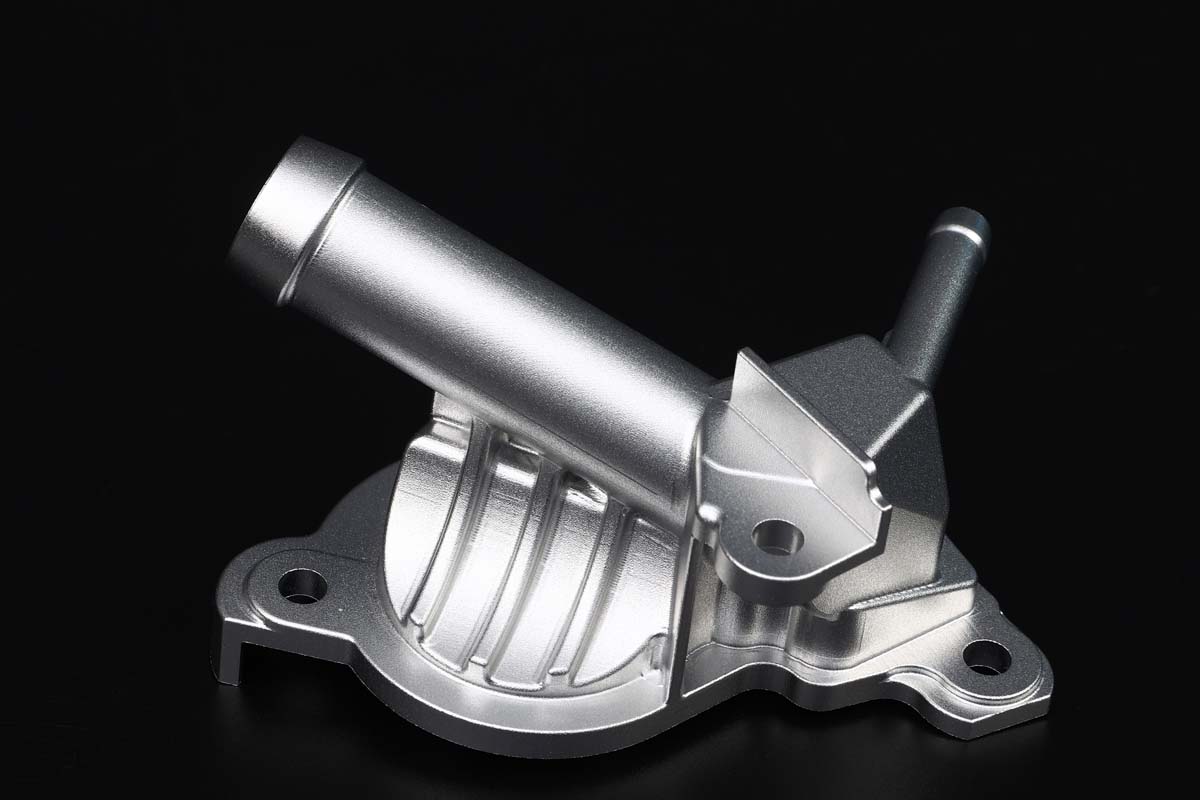
Axis count matters only when it removes real setups
A higher-axis machine creates value when it preserves datums and simplifies access. If the part still needs multiple resets, the extra capability is being underused.
Setup reduction is both a quality and throughput lever
Every setup adds handling time and another opportunity for alignment error. Machining-center choice should therefore be linked directly to the planned fixture strategy.
Throughput depends on what happens between cuts
Tool changes, probing, loading, and recovery time often decide whether a machining center actually produces stable output. Good planning measures those losses explicitly.
Related path
Compare the CNC machining service path with 5-axis machining when setup reduction is the main driver.
Why this matters in production
The best machining-center choice is the one that makes the route simpler, more measurable, and easier to repeat as volume increases.